$44.90
Free delivery · 7–14 days
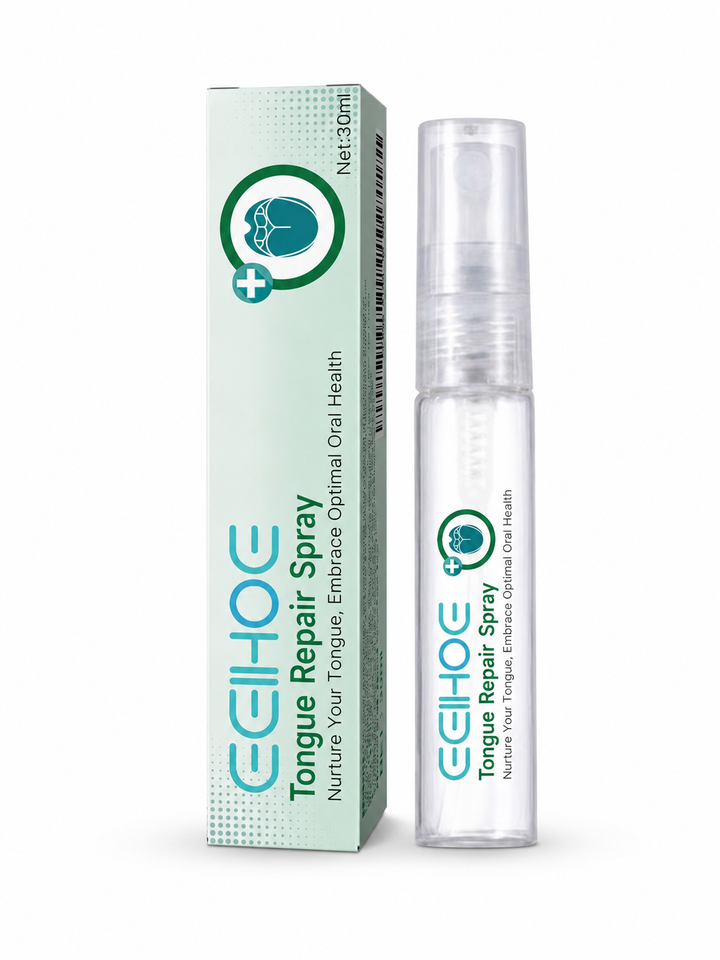
Tongue Repair Spray — Transform to a Healthy Pink Tongue


Skin repair sprays are convenient, lightweight options for adding moisture and soothing care to the face or body. This category includes facial mists, body treatments, even-tone formulas, and sprays intended for areas such as the legs, so compare the product’s purpose and ingredients before choosing.
Start with the area you want to treat and the result you expect. For a face, look for a lightweight mist designed for facial use, such as a vitamin C face mist for hydrated, brighter-looking skin. For dry body areas, a moisturizing skin repair spray or body care spray oil may be more suitable. If your priority is the look of uneven tone, choose an even-tone body treatment rather than a general moisture spray. Check the label for application directions, fragrance, oils, and any ingredients you prefer to avoid. Shoppers searching for active skin repair spray should also confirm whether the product is intended for everyday cosmetic care, after-sun comfort, or another specific use.
These products are not interchangeable. A soothing skin repair spray is generally selected for calm, moisturized-feeling skin, while an even-tone spray is aimed at improving the appearance of uneven-looking body skin. A vitamin C face mist is made for facial application and can fit into a hydration-focused routine. A body care spray oil delivers moisture with an oil-based finish and may suit larger areas of dry skin. Leg repair sprays are designed around tired-leg care, while joint or vein products serve different category purposes and should not be treated as general facial or body moisturizers. Review the product title, intended area, texture, and directions before adding an item to your routine.
Look for clear information about the formula, intended skin area, finish, and frequency of use. Moisturizing ingredients can help skin feel softer, while a fine mist makes application quick over broad areas. If you are considering an active skin repair spray for your face, check that facial use is listed rather than assuming a body formula is suitable. For an active skin repair spray for sunburn or an active skin repair spray for eczema, read the directions carefully and distinguish cosmetic soothing care from treatment of a diagnosed condition. Hypochlorous acid may appear in some sprays, but the formula, concentration, preservation, and directions vary. Choose transparent labeling and avoid products whose claims are unclear.
Apply the spray only to the areas named in its directions. Start with clean, dry skin unless the label says otherwise, hold the container at the recommended distance, and use an even layer rather than repeatedly soaking one spot. For a face mist, close your eyes and avoid spraying directly into the eyes, nose, or mouth. Let the product settle, then follow with moisturizer if your routine needs more lasting hydration. Body sprays can be easier to spread across arms, legs, or torso; a body care spray oil may need gentle rubbing to distribute the oil evenly. Patch-test unfamiliar formulas, and stop using a product if it causes persistent discomfort.
A common mistake is choosing by the word “repair” alone without checking the intended use. A face mist, body treatment, leg spray, and oil spray can have different textures and directions. Do not use a product on sunburned, irritated, or eczema-prone skin unless its labeling specifically supports that use and you are comfortable with the ingredients. Avoid spraying near the eyes, broken skin, or sensitive areas when the directions advise against it. Do not assume a spray is equivalent to an antibiotic product such as Neosporin; cosmetic sprays and antibiotic products have different purposes. Finally, do not layer several active formulas at once without checking compatibility, especially when using a vitamin C face mist.
A spray can suit shoppers who want quick, low-mess application, lightweight moisture, or an easy way to refresh larger areas of body skin. Facial mist users may prefer a fine, non-greasy finish, while dry-skin shoppers may want a richer body spray oil. Parents considering active skin repair baby products should select only formulas clearly labeled for babies and follow the age and application directions; do not rely on a general body spray by assumption. Anyone with ongoing irritation, a rash, suspected infection, or a diagnosed skin condition should ask a qualified healthcare professional whether the product is appropriate. Compare the finish, fragrance, ingredients, and intended area to find the closest match for your routine.
The phrase generally refers to a spray intended to support cosmetic skin care, such as cleansing, soothing, or moisturizing, depending on its formula. Check the specific product label for its intended use, ingredients, and application directions rather than relying on the word “active” alone.
Use gentle cleansing, avoid picking or scrubbing irritated areas, and apply a moisturizer suited to the affected skin. Protect exposed skin from further irritation and follow product directions. If damage is severe, persistent, painful, or worsening, seek advice from a qualified healthcare professional.
Not necessarily. A skin repair spray may be a cosmetic moisturizing or soothing product, while Neosporin is an antibiotic product with a different purpose. Compare the active ingredients and directions, and do not substitute one for the other.
Hypochlorous acid is used in some skin-care sprays, but whether a product suits you depends on its formula, intended use, and your skin’s sensitivity. Follow the label, avoid contact with the eyes unless directed, and patch-test if appropriate.
Possible concerns include individual sensitivity, stinging, dryness, or irritation, especially when a product is used incorrectly or on unsuitable skin. Formula stability and storage instructions also matter, so check the expiration guidance and stop use if you experience persistent discomfort.
Professional opinions depend on the specific product, ingredients, and the skin concern being addressed. A dermatologist can help determine whether a hypochlorous acid spray fits your routine, particularly if you have eczema, recurring irritation, allergies, or another diagnosed condition.