Sink Cleaning Products for Porcelain & Kitchen Sinks That Shine
5 products
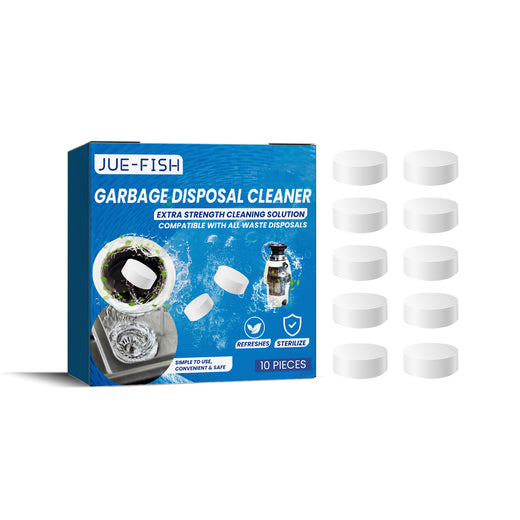
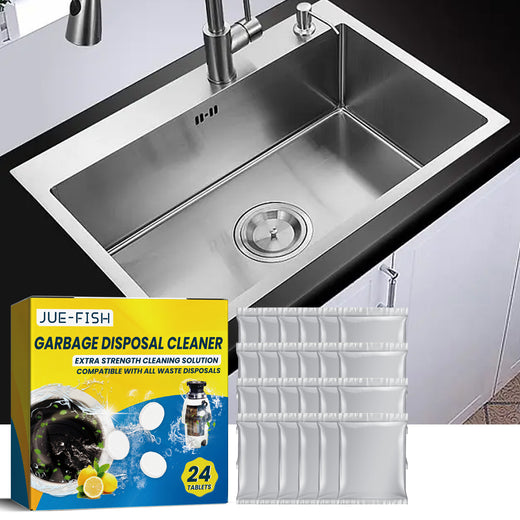
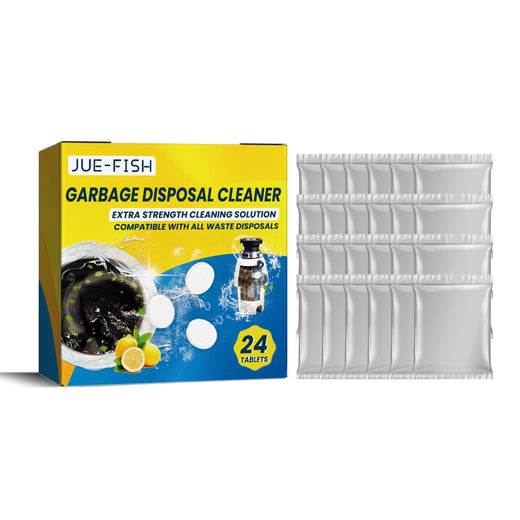
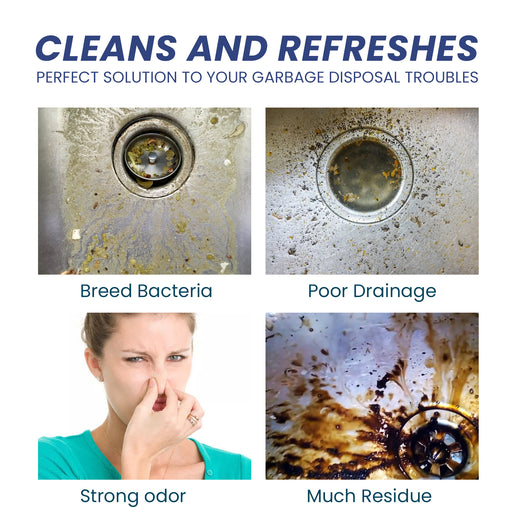
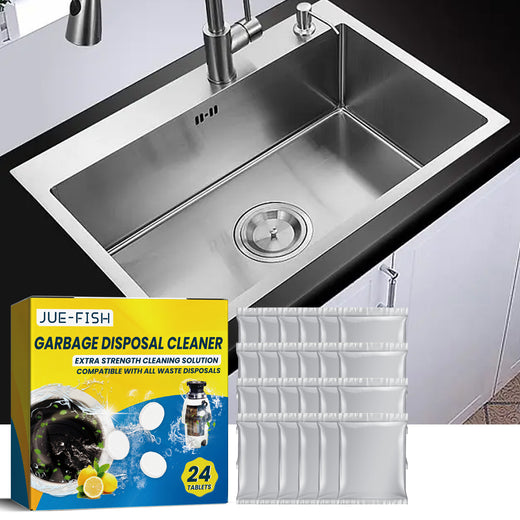
Keep porcelain, ceramic, and kitchen sinks fresher with sink cleaning tablets designed for grease, residue, and unwanted drain odors. This category includes tablets for routine sink and garbage disposal care, helping simplify kitchen sink cleaning without relying on abrasive scrubbing.
How to choose sink cleaning tablets
Start by identifying the main problem: surface residue, greasy drain buildup, or garbage disposal odors. Sink Cleaning Tablets — Eliminate Garbage Disposal Odors are suited to disposal areas where food smells linger, while Sink Cleaning Tablets — Dissolve Grease & Kill Odors are designed for greasy residue and unpleasant drain smells. Check the product directions before use, especially if your sink connects to a garbage disposal. Tablets are a convenient choice when you want a measured dose rather than pouring an uncertain amount of liquid cleaner. For porcelain or ceramic sinks, use the tablet in the drain or disposal as directed and wipe the basin separately with a soft cloth and a compatible cleaner.
Which sink cleaning products work best for different jobs?
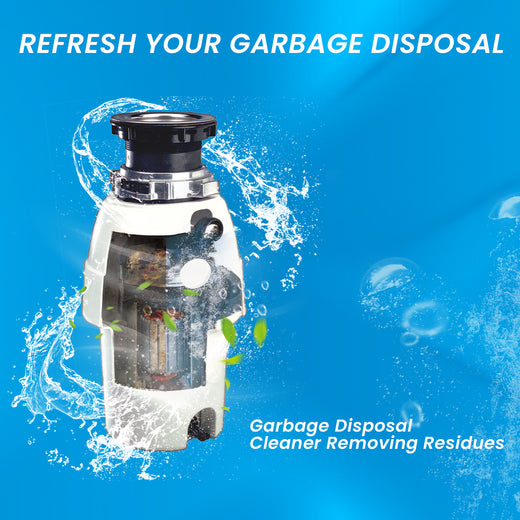
Sink cleaning tablets are best for targeted drain and disposal maintenance, not every part of the sink. Use a disposal-odor tablet when the main issue is stale food odor inside the disposal. Choose a grease-dissolving tablet when cooking residue or oily buildup is the concern. For the basin, a soft sponge, warm water, and a suitable mild cleaner are generally more appropriate. Stainless steel needs extra care: wipe with the grain and avoid abrasive powders, steel wool, or rough scouring pads that can leave scratches. Porcelain can also be damaged by harsh abrasives. If you are comparing the best product to clean a stainless steel sink, look for clear surface-compatibility guidance and use tablets only according to their drain or disposal instructions.
What to look for in kitchen sink cleaning tablets
Look for a tablet format that matches your cleaning routine, with clear directions for the sink drain or garbage disposal. If odors are your priority, select a product specifically intended to eliminate disposal or drain odors. If grease is the recurring problem, choose a tablet formulated to dissolve grease and address odors. Packaging should explain whether the tablet requires running water, a disposal cycle, or a set contact period. Also check any warnings about incompatible materials, disposal systems, or other cleaning products. A compact tablet is useful for storing under the sink and keeping doses consistent. For kitchen sink cleaning liquid alternatives, tablets can reduce spills and measuring, but they should not automatically be used on the sink basin unless the instructions say they are suitable.
How to use sink cleaning tablets safely
Remove visible food scraps from the drain or disposal before treatment. Follow the tablet directions for water temperature, placement, and whether the disposal should be operated during or after use. Run water as instructed and allow the tablet to work for the recommended period; do not add extra tablets to speed up the process. Rinse the area afterward if the instructions call for it. Never combine a tablet with vinegar, bleach, ammonia, drain opener, or another cleaner unless the label specifically permits it. Keep tablets away from children and pets, and wash your hands after handling them. For stainless steel sink cleaning, use a separate soft cloth and rinse away residue rather than scrubbing the tablet directly onto the metal.
What should you not use to clean a sink?
Avoid steel wool, abrasive scouring pads, and gritty powders on stainless steel because they can scratch the finish. Strong acids, bleach, and other harsh chemicals may damage some sink surfaces or create hazardous fumes when mixed with other products. Do not mix vinegar with bleach, ammonia, or commercial drain cleaners. Even a vinegar and Dawn dish soap mixture should be used cautiously: dish soap can help loosen surface grease, but combining products does not necessarily make them safer or more effective. Sink cleaning tablets should not be mixed with additional cleaners. For porcelain, avoid abrasive tools and check compatibility before using a strong stain remover. Use tablets for the drain or disposal role they are designed for, and use a soft cloth for the basin.
Who are sink cleaning tablets best suited for?
These tablets suit households that notice recurring garbage disposal odors, greasy drain residue, or food smells after cooking. They are also useful for shoppers who want a simple kitchen sink cleaning routine with pre-measured doses and less liquid storage. They are not a substitute for removing stuck objects, repairing a blocked drain, or deep-cleaning a visibly stained basin. People with stainless steel sinks can use them for the drain or disposal when the directions allow, while cleaning the metal separately with a non-abrasive method. For bathroom sink cleaning, check whether the product is intended for that drain and follow its instructions; a tablet made for a kitchen disposal may not be suitable for every bathroom plumbing setup.
Frequently asked questions
What is the best thing to clean a sink with?
For the basin, use warm water, a soft sponge or cloth, and a compatible mild cleaner. Sink cleaning tablets are better suited to treating drain or garbage disposal odors and grease when used according to their directions. Avoid abrasive tools that can scratch stainless steel or damage porcelain.
What is the best way to clean a kitchen sink?
Clear food debris, rinse the basin, and wipe it with a soft cloth and suitable cleaner. For a garbage disposal or drain that has grease or odors, use the appropriate sink cleaning tablet as directed. Rinse thoroughly and keep the basin and drain free of standing residue.
Is it good to put baking soda and vinegar down your sink?
Baking soda and vinegar can fizz, but that reaction is not a substitute for a purpose-designed grease or odor treatment. Do not use this combination with bleach, ammonia, drain opener, or sink cleaning tablets. Follow the tablet label instead and avoid mixing cleaning products.
Can you use Dawn to clean a sink?
A small amount of dish soap can help clean surface grease from many sink materials when used with warm water and a soft cloth. Rinse well so residue does not remain. Dish soap is not a replacement for a sink cleaning tablet when the issue is buildup or odor inside a garbage disposal.
What happens if you mix vinegar and Dawn dish soap?
The mixture may loosen some surface grease, but combining products does not guarantee better cleaning and can leave residue. Never combine it with bleach, ammonia, drain opener, or a sink cleaning tablet. For a predictable routine, use dish soap on the basin and the tablet separately according to its instructions.
What should you not use to clean a sink?
Do not use steel wool, abrasive pads, or gritty cleaners on stainless steel or other surfaces that can scratch. Avoid mixing bleach, ammonia, vinegar, drain opener, and sink cleaning tablets. Check the product directions for surface and plumbing compatibility, and use a soft cloth for the sink basin.