$96.90
Free delivery · 7–14 days
Red Light Therapy Wand – Professional Skin & Hair Treatment


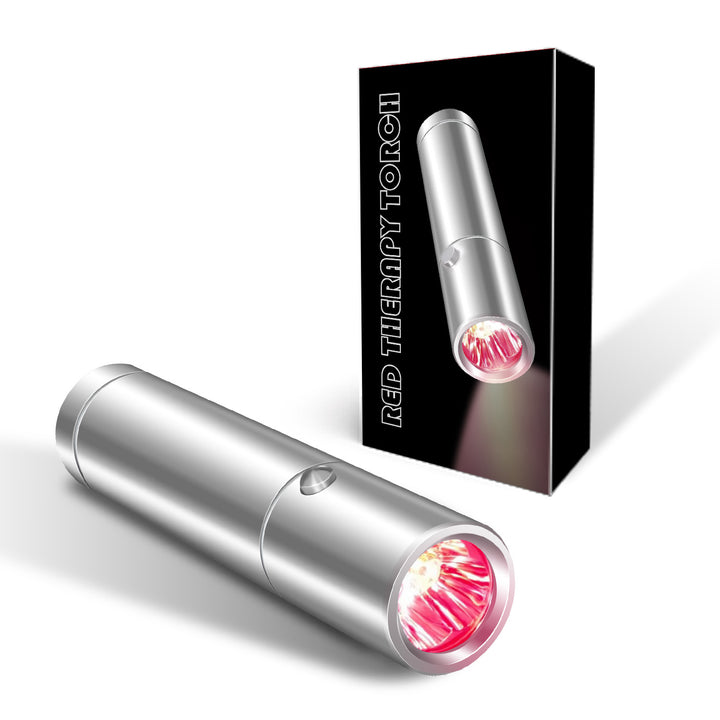

Shop red light therapy equipment for personal routines, treatment rooms, and spa settings. This category includes handheld wands, flashlights, masks and light-based accessories, plus complementary heat, massage, and recovery products for at-home or professional use.
Start with the area you want to use it on and how much time you can realistically spend on a routine. A red light therapy wand or flashlight suits targeted areas and easy storage, while a mask is designed around facial use. For broader coverage, compare full-body formats such as a mattress-style phototherapy product, checking its dimensions and setup requirements before buying. If you operate a spa, consider equipment that is simple to clean, easy to position, and practical for repeated sessions. Review the product instructions for intended use, light settings, treatment distance, and eye-protection guidance. If you are comparing red light therapy at home with red light therapy near me, also factor in privacy, convenience, session consistency, and the total equipment cost.
Handheld wands and flashlights are compact choices for targeted skin or hair routines and can be stored in a drawer. A red light therapy mask provides hands-free facial coverage, but it may fit differently from one person to another. Full-body options, including a phototherapy mattress, are larger and better suited to shoppers who want coverage while lying down. A combined red light and heat device, such as a gua sha cupping tool, adds massage-oriented features rather than providing light alone. An infrared-light nasal irrigator is a specialized product with a different use case, so read its instructions carefully instead of treating it like a general body panel. Hot stone kits and heating belts complement relaxation routines but are not substitutes for red light equipment.
Compare the details that affect everyday use: treatment area, adjustable settings, power source, controls, included accessories, cleaning requirements, and storage. Rechargeable handheld devices can be convenient when outlets are limited, while plug-in equipment may suit a fixed home or spa setup. Check whether a mask has an adjustable strap and whether a wand or flashlight has a stable grip. For larger equipment, confirm the available floor or bed space before ordering. Look for clear instructions covering recommended distance, session timing, positioning, and eye safety. A product described as clinical-grade is not automatically the right choice for every shopper; prioritize transparent specifications and a design that matches your routine. These checks help separate practical red light therapy benefits from vague marketing promises.
Read the supplied instructions before the first session and use the device only for its stated purpose. Clean and dry the relevant area when directed, position the light at the recommended distance, and select the prescribed setting rather than improvising with longer or more frequent sessions. Keep your eyes protected whenever the instructions call for it, and stop if the device feels uncomfortable, unusually hot, or irritating. Keep cords, chargers, and heated accessories away from water unless the product is specifically designed for that environment. Take a consistent approach so you can assess comfort and convenience over time. For a mask, wand, or flashlight, store it safely after use; for a full-body mattress, allow enough room to set it up without bending or blocking walkways.
One common mistake is choosing a device by appearance alone and overlooking coverage, controls, or setup space. Another is assuming that a higher setting or longer session is always better; follow the product directions instead. Do not use a facial mask as though it were a full-body device, and do not assume that heat, massage, infrared features, or light therapy have identical purposes. Avoid sharing a device without following the cleaning guidance, particularly when it contacts skin. Keep a record of any discomfort and discontinue use if the product causes a concerning reaction. Shoppers researching red light therapy dangers or asking whether red light therapy is a hoax should review the actual specifications and instructions, distinguish personal comfort from proven outcomes, and ask a qualified healthcare professional about individual concerns.
These products may suit adults seeking a convenient personal-care or relaxation routine, as well as spas choosing portable or larger equipment for their service environment. A wand, flashlight, or mask can work for shoppers who want a focused format; a mattress-style product may appeal to those prioritizing broader coverage and have adequate space. Suitability depends on the specific device, its intended use, and your personal circumstances. People who are pregnant, taking light-sensitive medication, managing an eye condition, dealing with a skin concern, or considering use around children should seek professional advice before starting. The same applies to anyone unsure who cannot do red light therapy. Do not use a product on broken or irritated skin unless its instructions specifically permit it.
Red light therapy devices expose a selected area to red or near-infrared light from LEDs or another light source. The intended use depends on the product, so a facial mask, handheld wand, full-body mattress, and infrared nasal device should not be treated as interchangeable. Read the listing and instructions for the specific application.
Possible drawbacks include the purchase cost, time needed for repeated use, limited coverage from handheld devices, and the need to follow eye-safety and positioning instructions. Some people may also experience discomfort, warmth, or skin irritation. Stop using a device if it causes a concerning reaction and seek professional advice when appropriate.
Results and expectations depend on the device, intended use, consistency, and individual factors. Product descriptions should not be read as a guarantee of a particular outcome. Compare specifications, follow the instructions, and discuss personal or medical concerns with a qualified healthcare professional.
Health information from Mayo Clinic and other medical sources may discuss light-based treatments, possible uses, limitations, and safety considerations. Guidance can change and may differ by condition or device, so consult the current source directly rather than relying on a product description. This category page is not a substitute for medical advice.
The main practical concerns are incorrect use, eye exposure when protection is advised, discomfort, skin sensitivity, and choosing a device that does not match your intended area. Heat and massage features can add separate safety considerations. Follow the supplied directions and ask a healthcare professional if you have a condition, take light-sensitive medication, or are unsure whether the product is suitable.
There is no single answer for every device or person. Anyone with a relevant medical condition, eye concern, light sensitivity, pregnancy-related question, or medication that increases light sensitivity should seek professional guidance before use. Follow the product's warnings, keep devices away from children unless specifically intended for them, and do not use equipment outside its stated purpose.