
$45.90
Free delivery · 7–14 days
Handheld Sleep Aid Pulse Massager for Calmer Nights


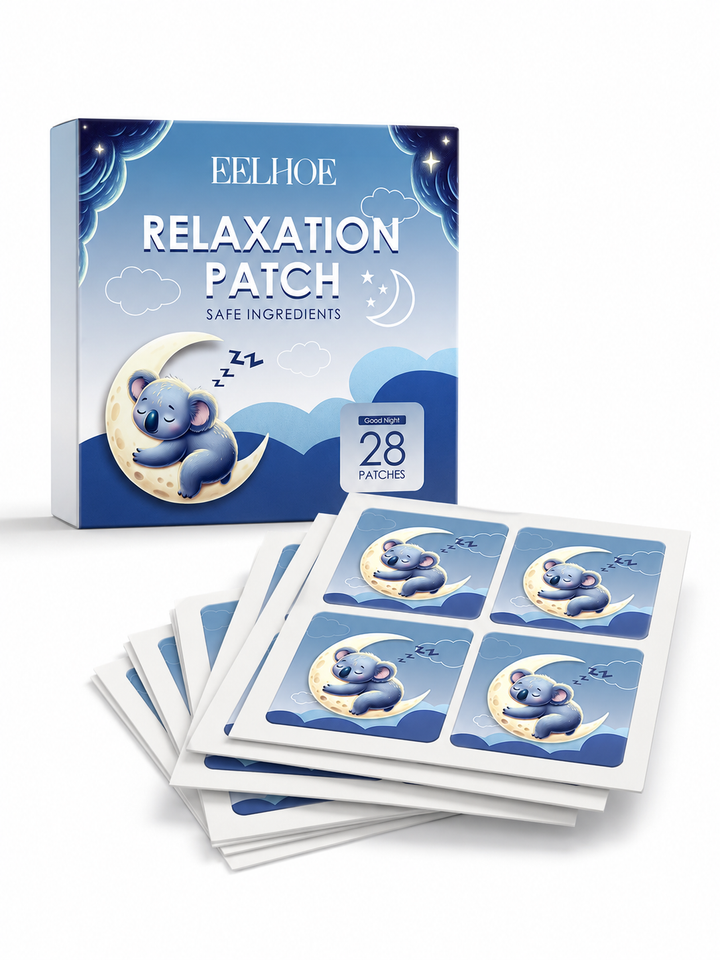
Sleep aid devices can support a calmer bedtime routine through sound, wearable relaxation features, sprays, or topical patches. This guide compares the options in this category so you can choose a format that fits your habits, preferences, and desired level of involvement.
Start with the part of bedtime you want to make easier. If you prefer a hands-free option, an EMS sleep headband may fit a wind-down routine. Sleep patches are compact and require little preparation, while a lavender sleep spray adds a scent-based ritual to bedding or the surrounding room. Compare the product format, ingredients, instructions, and whether you want a wearable, topical, or room-based experience. Shoppers looking for sleep aid devices for adults often prioritize simple controls, discreet use, and a routine that is easy to repeat. If you are comparing wearable sleep devices, check how the headband is worn and whether it feels comfortable when reclining. Choose based on consistent use rather than claims that one product works for everyone.
Each type suits a different bedtime preference. The EMS sleep headband is a wearable option designed for use during a relaxation routine, making it relevant for shoppers comparing wearable sleep devices. Sleep patches are low-profile and portable, with options that use plant extracts, herbal acupressure, relaxation-focused ingredients, or melatonin. A lavender sleep spray is a non-wearable choice for people who enjoy a familiar scent as part of preparing for bed. Patches do not require charging or a device interface, while a headband may involve setup and cleaning according to its instructions. Sprays can be convenient at home but may not suit people who avoid fragrance. Compare application steps, ingredient preferences, portability, and comfort before choosing.
When evaluating sleep devices that work well for you, look for clear directions, transparent ingredient information, and a format you can use consistently. For patches, check the listed ingredients, intended placement, wear time, and removal instructions. If considering a melatonin-infused sleep aid patch, review the product information carefully and consider whether melatonin fits your personal preferences. For the sleep headband, check how it fits, how it operates, and how it should be cleaned or stored. For lavender spray, review the intended surface, scent profile, and usage guidance. Sleep aid device reviews can help identify comfort and convenience patterns, but individual experiences vary. Avoid choosing solely on phrases such as “deep sleep” or “instant relaxation”; focus on features you can assess before buying.
Read the product directions before first use and follow the stated application or operating steps. Apply sleep patches only as directed, and stop using a product if you notice irritation or discomfort. Keep sprays away from the eyes, face, and surfaces not listed in the instructions, and allow any sprayed area to settle as directed. Wear the EMS sleep headband according to its instructions, keeping the controls and charging components dry unless the product guidance says otherwise. Introduce one new sleep aid product at a time so you can identify what suits you. These products are intended for bedtime routines, not to replace professional advice. If you have ongoing sleep concerns, use a device for sleep apnea, take medication, are pregnant, or have questions about melatonin, ask a qualified healthcare professional before use.
A common mistake is treating every sleep aid device as interchangeable. A scent-based spray, topical patch, and wearable headband offer different experiences, so consider comfort and routine before comparing them by headline promise. Another mistake is ignoring ingredients: shoppers should check for lavender, plant extracts, herbal components, or melatonin and consider known sensitivities. Do not apply patches more often or leave them on longer than directed. Do not assume a product labeled for sleep is suitable for sleep apnea or another specific condition. It is also easy to buy a device that requires more setup than you will realistically use. Read the full instructions, check return details, and review real customer feedback about fit, scent, adhesion, and convenience rather than expecting guaranteed results.
These products may suit adults who want to build a calmer, repeatable bedtime routine and prefer alternatives to taking a conventional sleep product. Patches can work for shoppers seeking a portable, low-effort format; a lavender spray may suit those who enjoy a fragrance ritual; and the EMS sleep headband may appeal to people who prefer a wearable approach. They may also interest shoppers searching for the best sleep aid devices for adults or comparing options for insomnia, but no device is guaranteed to resolve insomnia or another sleep concern. People with fragrance sensitivities may prefer an unscented format, while those who dislike adhesive products may prefer a headband or spray. Consider personal comfort, ingredient preferences, and any relevant health advice before purchasing.
There is no single sleep aid device that works for everyone. The best choice is usually the format you can use comfortably and consistently, whether that is a headband, patch, or lavender spray. Compare ingredients, instructions, and comfort rather than relying on a universal ranking.
There is no single Japanese trick that guarantees sleep. Ideas often associated with Japanese bedtime routines include keeping a regular schedule, creating a calming environment, and using relaxation practices. A sleep aid device can complement a routine, but it should not be presented as a guaranteed solution.
Sleep aid devices can be useful as part of a consistent wind-down routine, especially when the format matches your preferences. Experiences vary by product type and person, so check the directions, ingredients, comfort, and customer feedback before buying. They are not a substitute for professional advice about ongoing sleep problems.
There is no single option that can be identified here as the most commonly used sleep aid. Shoppers choose among routines, sound products, wearable devices, sprays, and patches based on personal preferences. In this category, compare the convenience and format of the headband, patches, and lavender spray.
A number-one seller can change by retailer, location, and time period, so it should not be treated as proof that a product is right for you. Compare the products in this category by format, ingredients, instructions, and customer feedback. Choose the option that fits your bedtime routine and preferences.
There is no reliable, universal product that can be described as 10 times stronger than melatonin. Strength comparisons between different sleep products are not meaningful without considering ingredients, dosage, intended use, and individual response. Review product information carefully and ask a qualified healthcare professional if you have questions about melatonin.
Browse related: Nasal Strips for Snoring: Breathing Aids for Better Sleep · explore lucid dream mask and devices for better dream control.