Moxibustion Therapy & Blood Sugar Control Support
8 items



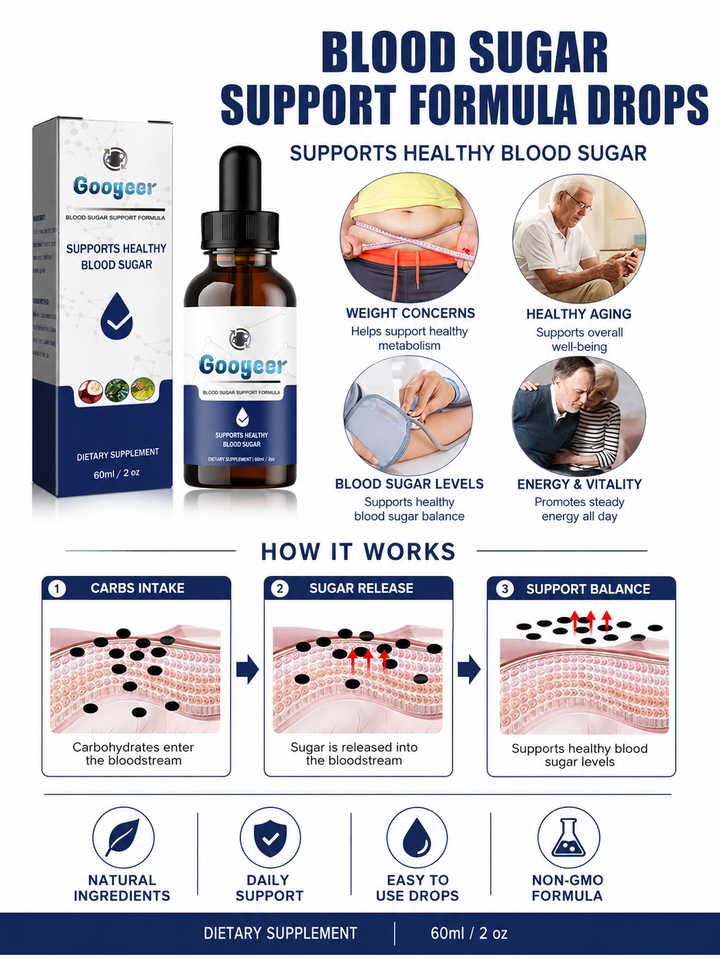


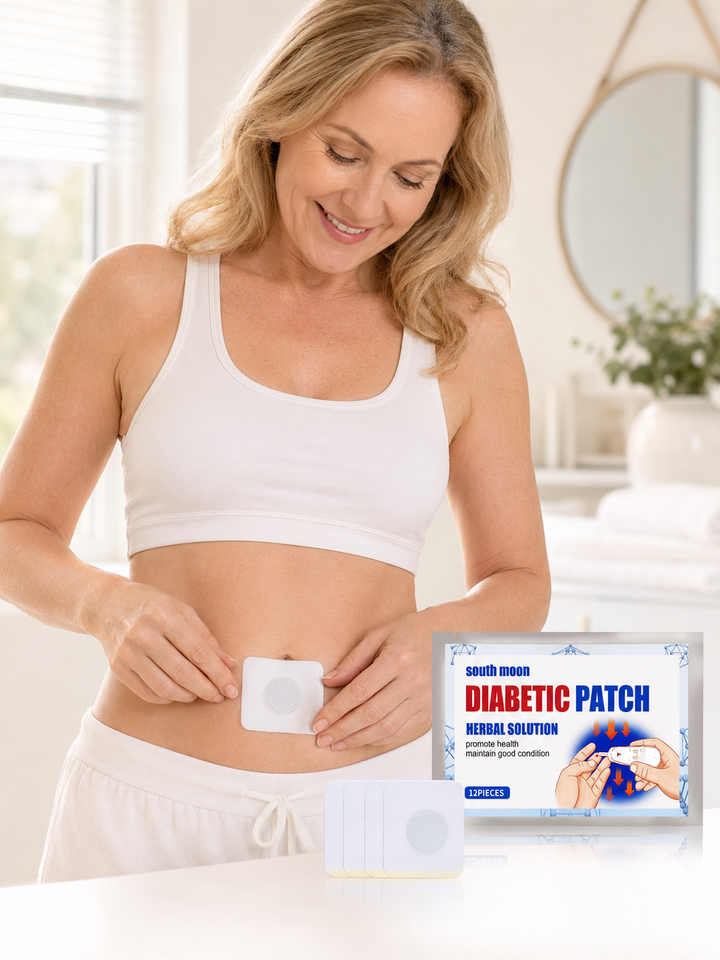
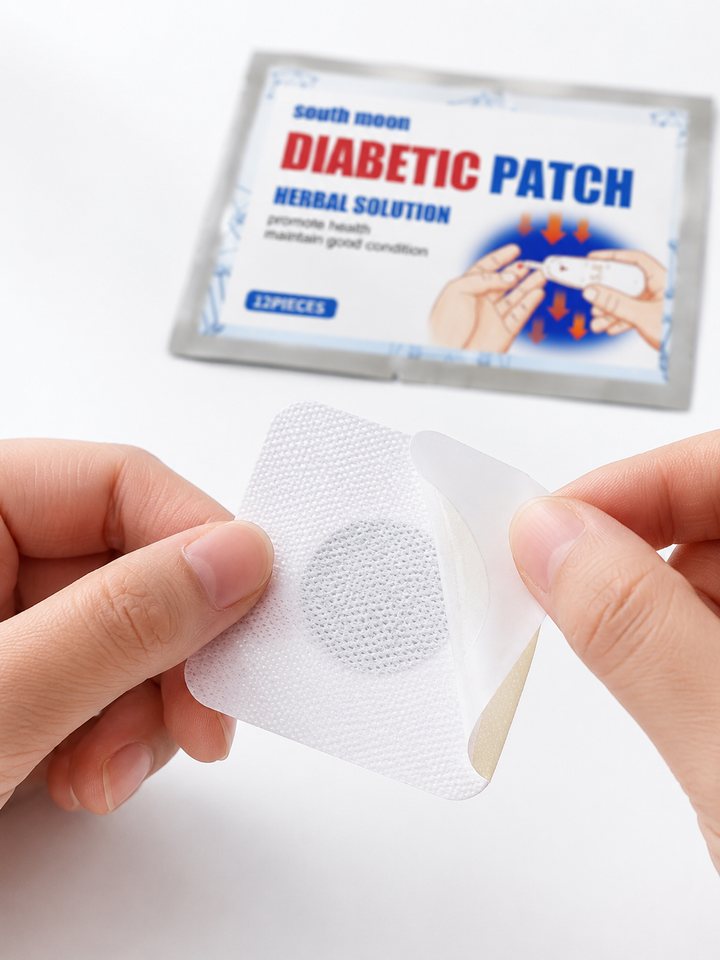
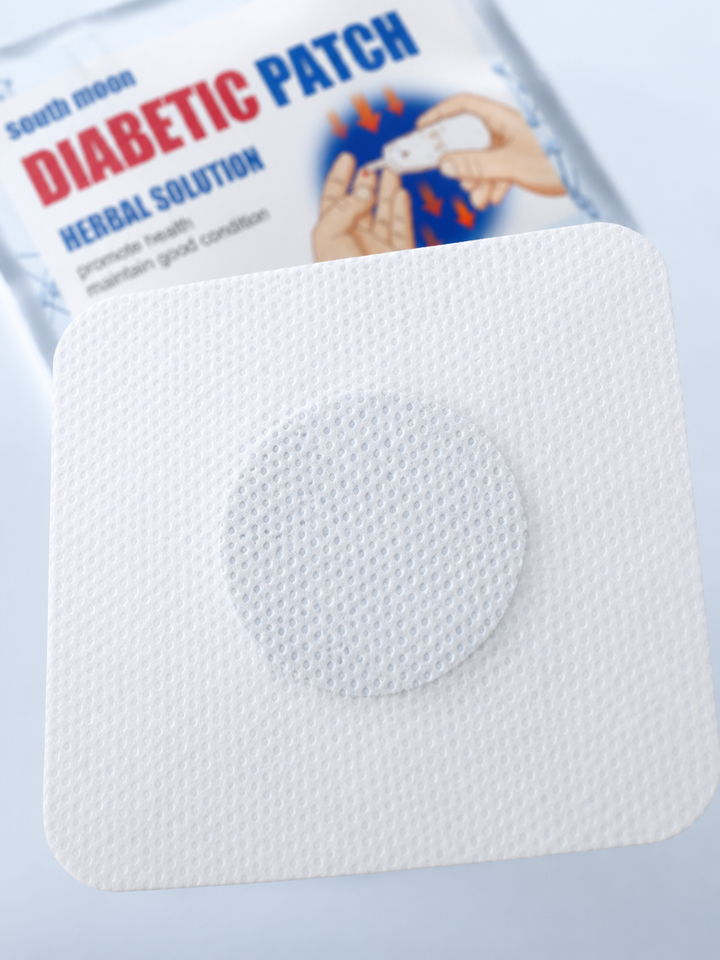


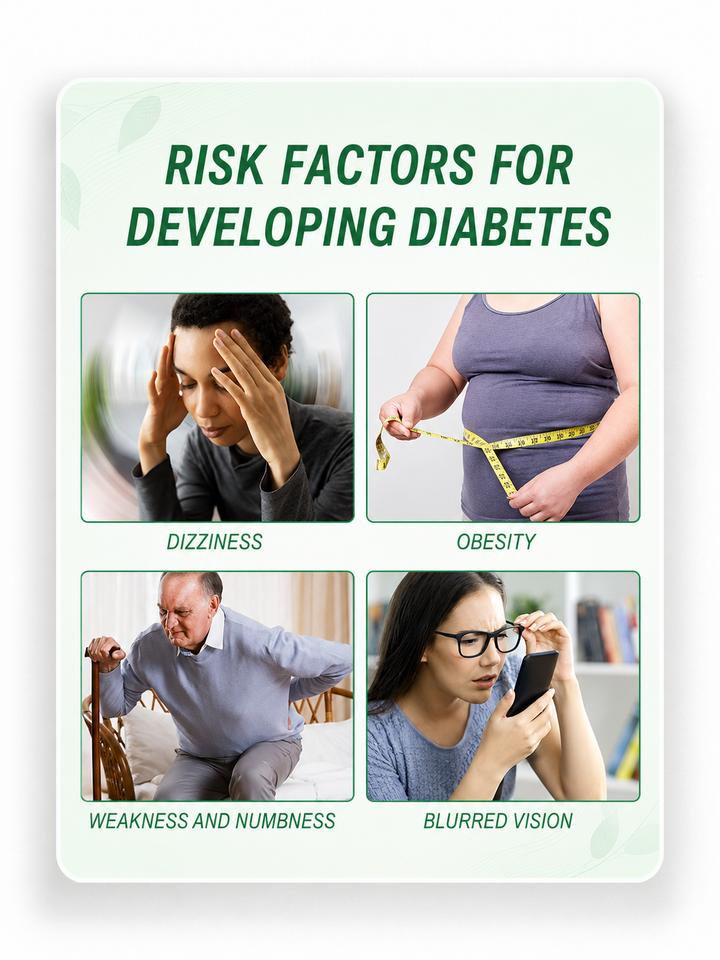
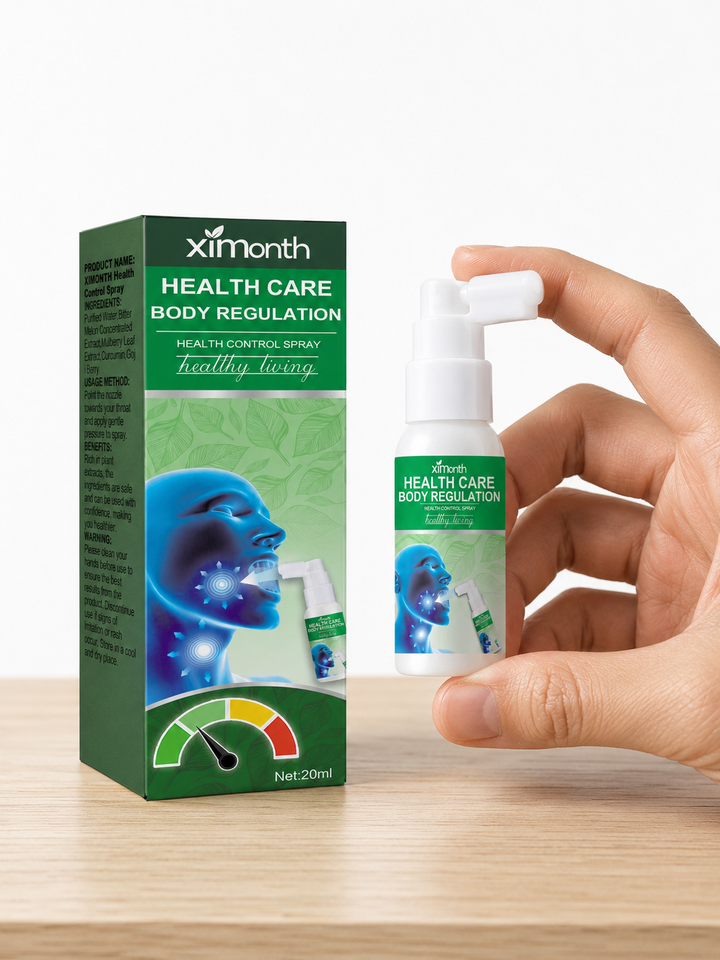

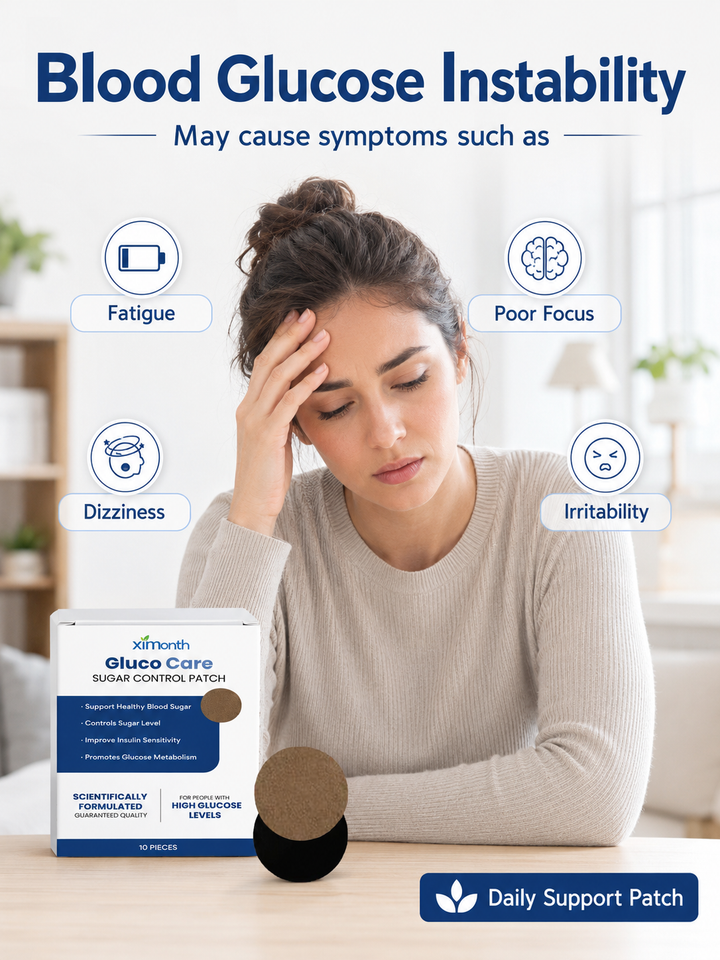
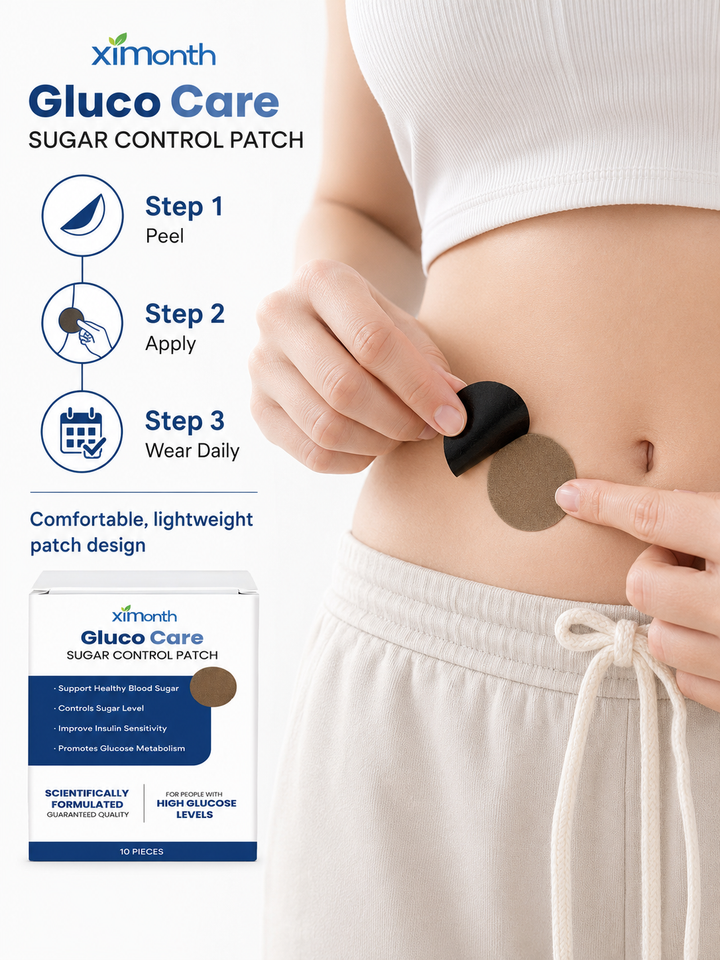
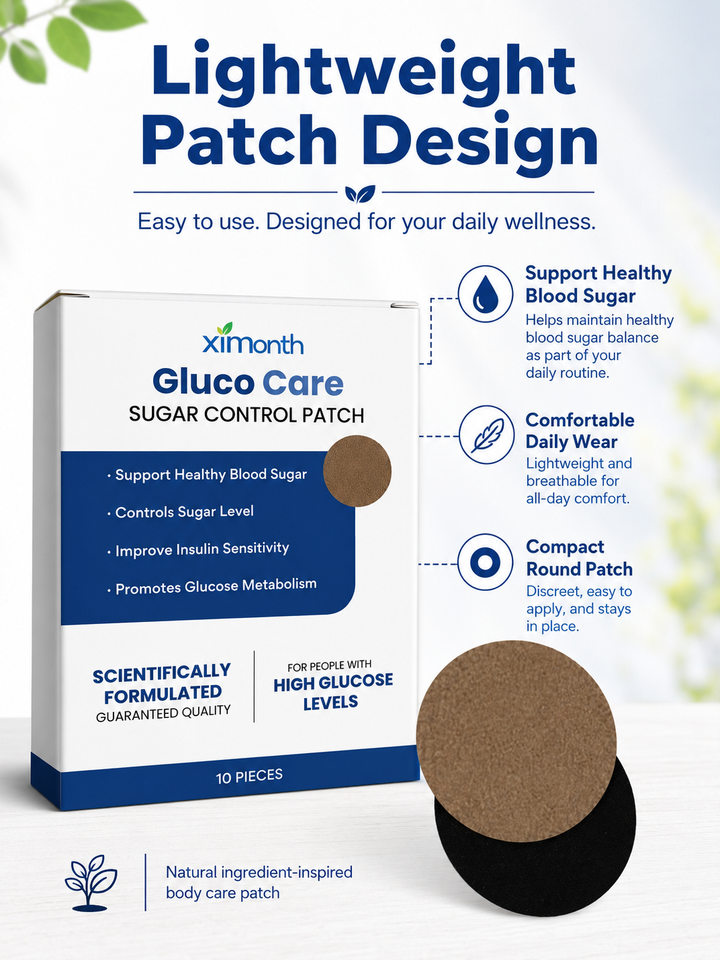

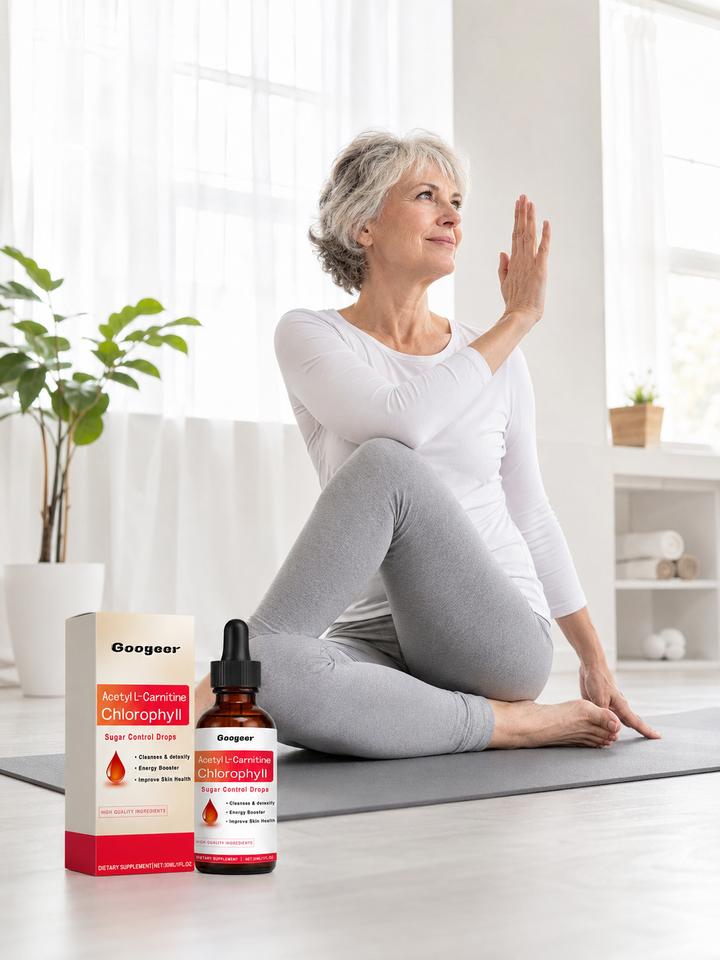
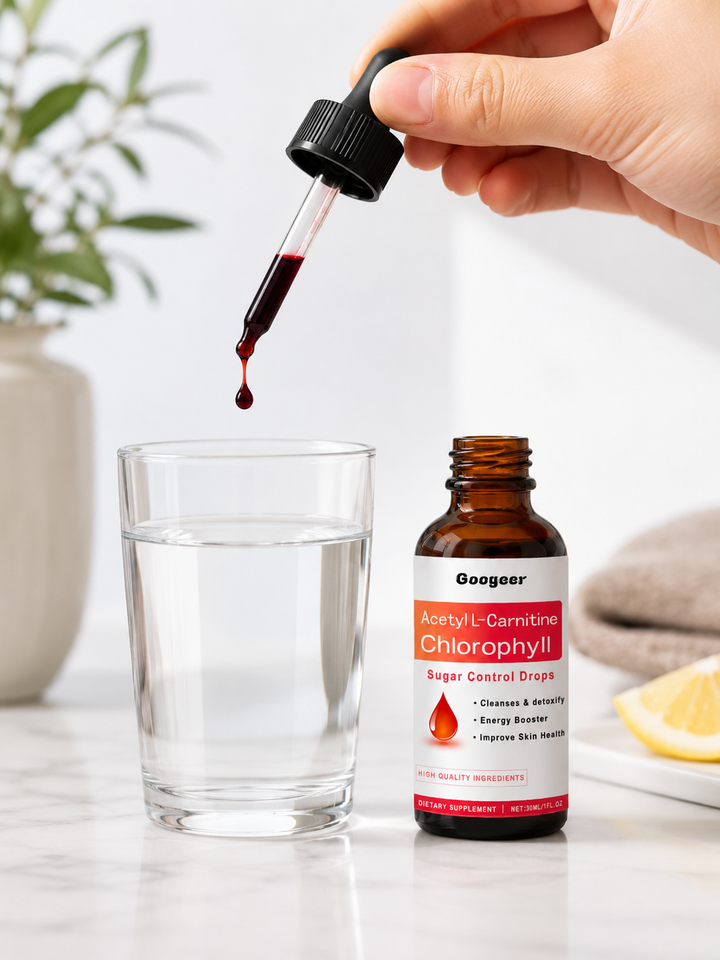
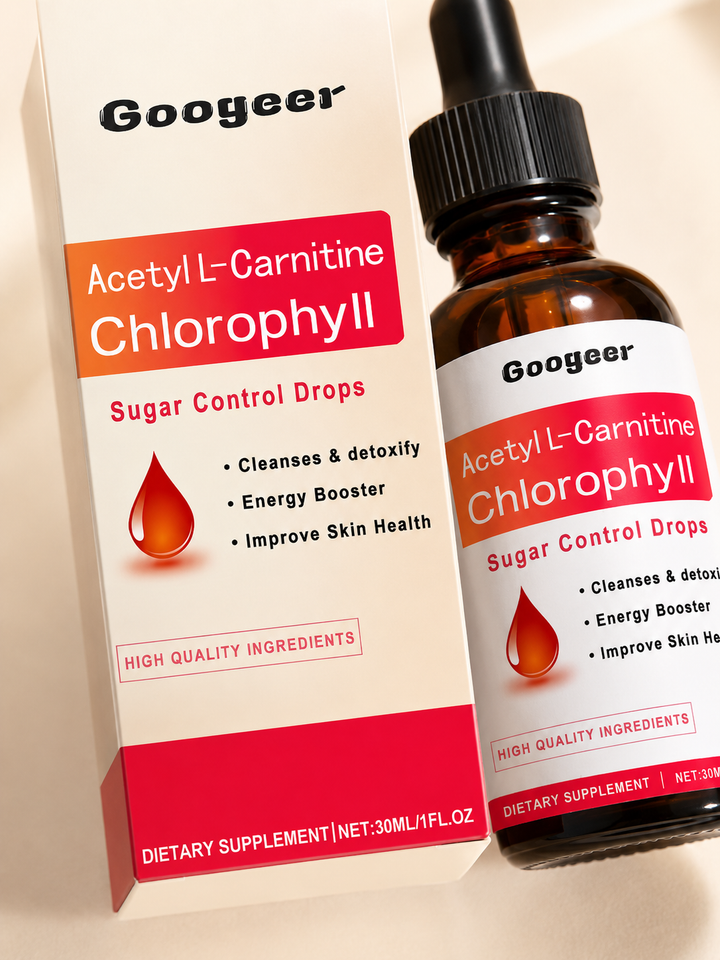

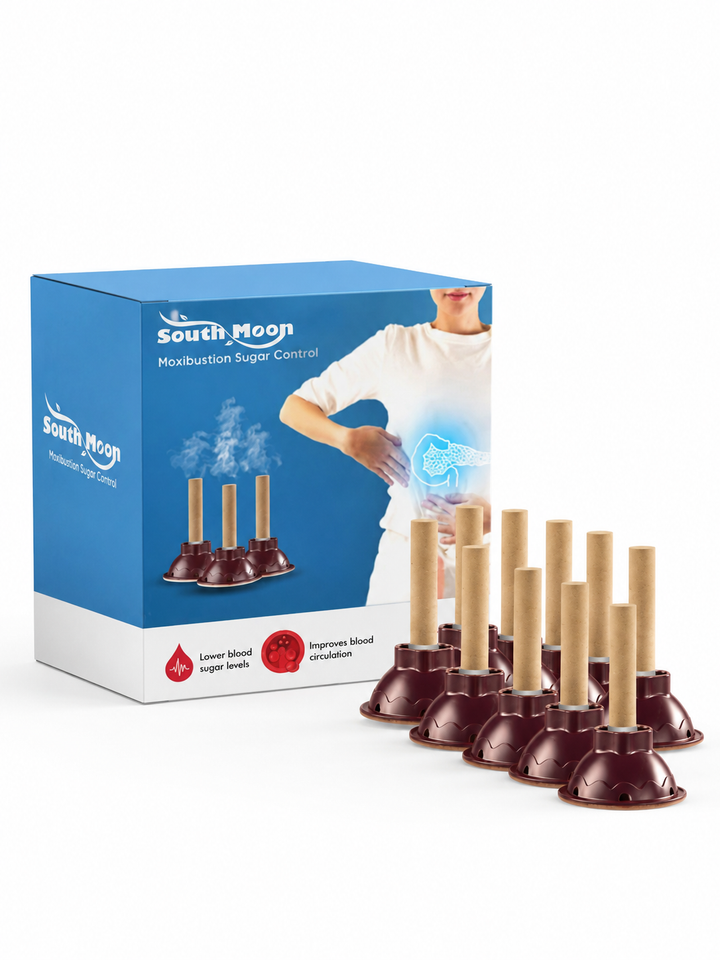
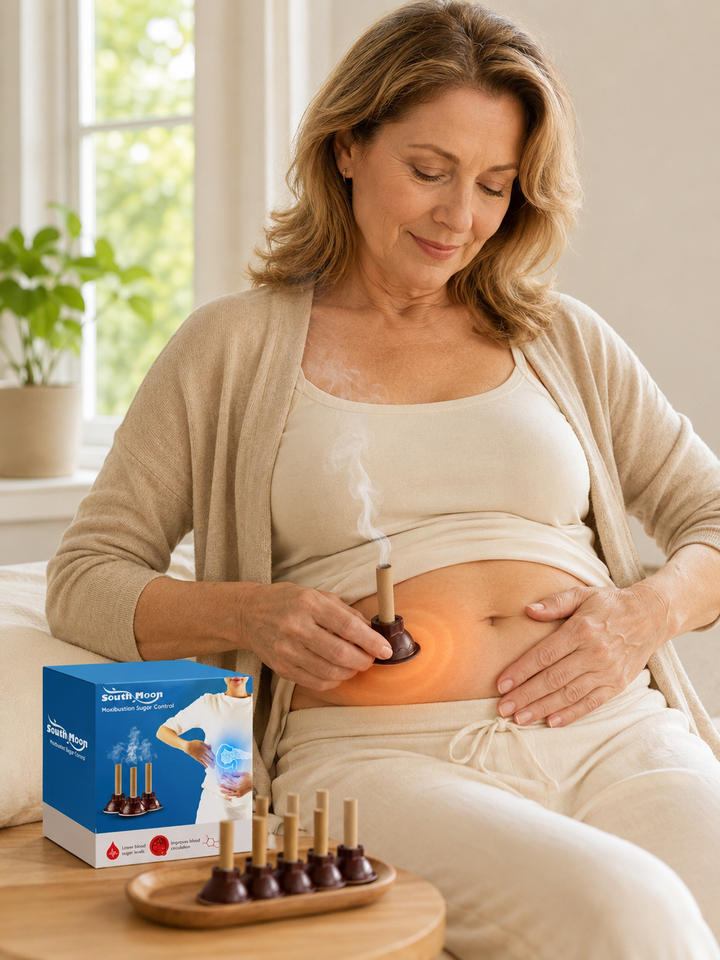
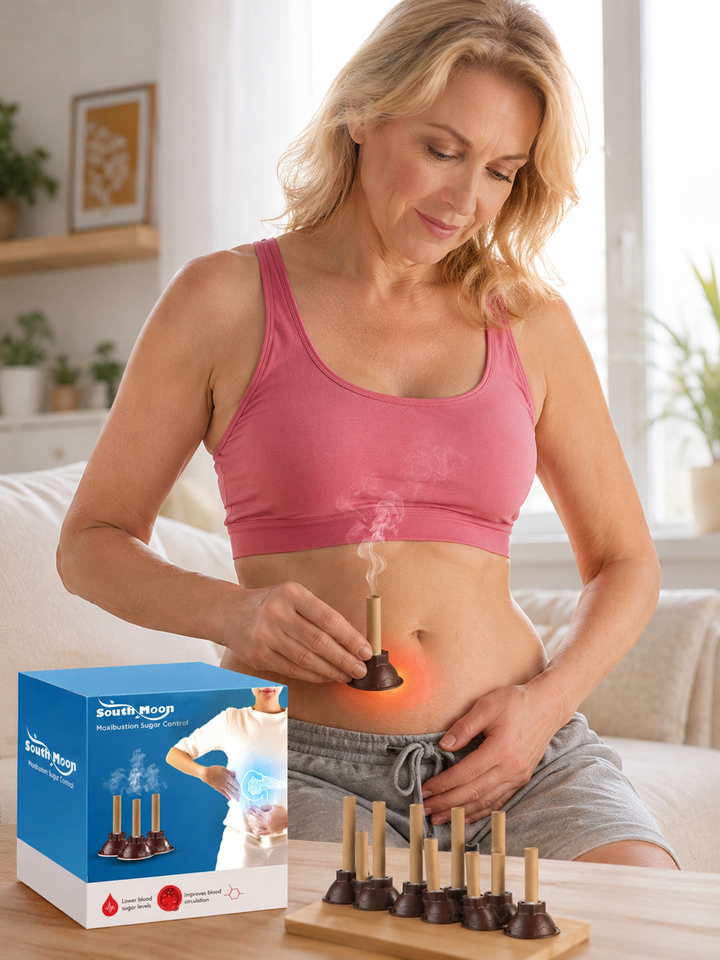
Explore moxibustion-inspired products and blood sugar control support items in one category, including a moxibustion formula, patches, drops, and sprays. Use this guide to compare formats, review ingredients and directions, and choose an option that fits your routine without replacing professional medical care.
How to choose moxibustion and blood sugar support products
Start by deciding which format suits your daily routine. A moxibustion product may appeal to shoppers looking for a traditional heat- and herb-inspired approach, while drops are designed for measured liquid use and patches are intended for topical application. A spray may be more convenient for people who prefer a quick, portable format. Check the full ingredient list, serving or application instructions, storage guidance, and warnings before buying. If you are searching for moxibustion near me, remember that an at-home product is different from treatment provided by a trained practitioner. For products described as supporting blood sugar, review whether the instructions fit your needs and ask a healthcare professional about compatibility with medicines or monitoring plans.
Moxibustion sticks, patches, drops, and sprays compared
Moxibustion sticks are traditionally associated with warming dried mugwort, also called moxa, near selected areas of the body; they produce smoke, scent, and heat and require careful handling. The moxibustion product in this category is a convenient option to review alongside non-burning formats. Patches are discreet and do not require measuring a liquid, but they stay in contact with the skin and should be checked for irritation. Drops allow you to follow a measured serving, while sprays can be useful when portability matters. These products are not interchangeable, so compare intended use, ingredients, contact time, and cautions rather than assuming one format offers the same experience as another.
What to look for before buying moxibustion products
Look for clear labeling that identifies ingredients, directions, intended application, and storage requirements. For any moxibustion stick or warming product, check whether ventilation, a heat-safe holder, supervision, or fire-safety steps are required. A strong herbal smell is normal for many moxa products, so consider where you would use it and whether smoke could affect other people in the room. For patches, inspect the adhesive and avoid products that do not clearly explain skin-use precautions. For drops and sprays, confirm the serving size and whether the formula contains ingredients you need to avoid. Do not rely on phrases such as “natural” or “lower levels naturally” as proof of safety or effectiveness.
How to use moxibustion and support products safely
Follow the product label rather than copying a general moxibustion routine from an online video. Burning moxa should be used in a well-ventilated, clear area with a stable heat-resistant holder, water or another appropriate way to extinguish it, and close attention to heat and smoke. Never smoke or inhale moxa; it is intended to be used according to its directions, not treated like tobacco or inhaled material. Apply patches only to clean, intact skin and remove them if burning, itching, swelling, or persistent redness develops. Measure drops or sprays exactly as directed, and keep all products away from children, pets, flames, and excessive heat.
Common moxibustion mistakes to avoid
A common mistake is holding a burning moxibustion stick too close to the skin or leaving it unattended. Another is using moxa in a poorly ventilated room and underestimating how long the smell may remain. Do not place patches over broken, irritated, or freshly shaved skin, and do not combine several blood sugar support products without reviewing their ingredients and directions. Avoid changing prescribed medicines or skipping glucose checks because a product is described as supportive. People also sometimes assume moxibustion for breech baby or moxibustion pregnancy advice can be followed without supervision; pregnancy-related use should be discussed with a qualified maternity professional first. Stop use and seek appropriate advice if you experience a concerning reaction.
Who is moxibustion and blood sugar support suitable for?
This category may suit adults comparing traditional moxibustion-inspired products with non-burning formats for personal convenience. Drops, patches, and sprays can be easier to store and use than a smoking moxa stick, while a stick may better match shoppers seeking the traditional sensory experience of heat and herbal smoke. Suitability depends on the exact ingredients, allergies, skin sensitivity, health conditions, and medicines involved. Extra care is needed during pregnancy, for children, for people with reduced heat sensation, and for anyone with respiratory sensitivity or difficulty managing fire safely. If you are considering moxibustion for breech baby, do not self-treat; discuss the option with your maternity care team.
Frequently asked questions
What does moxibustion do to the body?
Moxibustion traditionally involves warming areas of the body with burning or heated moxa, usually made from dried mugwort. The experience may include heat, smoke, and a strong herbal smell. Effects and suitability can vary, so use only as directed and consult a qualified professional about health-specific concerns.
What are the risks of moxibustion?
Potential concerns include burns, skin irritation, smoke exposure, allergic reactions, and fire hazards. Use ventilation, keep the product away from flammable materials, and never leave burning moxa unattended. Ask a healthcare professional before use if you are pregnant, have respiratory sensitivity, reduced heat sensation, or a condition requiring careful blood sugar management.
How successful is moxibustion?
There is no single success rate that applies to every moxibustion product, purpose, or person. Results can depend on the method, practitioner, frequency, and individual circumstances, and product descriptions should not be treated as guarantees. Do not use moxibustion as a substitute for prescribed care or recommended monitoring.
What does moxibustion smell like?
Burning moxa usually has a noticeable herbal, earthy, smoky smell. The scent can linger on clothing or in a room, so ventilation is important. If smoke or fragrance is a concern, consider a non-burning format such as a patch, drop, or spray.
How often should you do moxibustion?
Frequency depends on the specific product, method, and individual situation. Follow the label or a qualified practitioner's instructions rather than applying a generic schedule from the internet. Stop if you develop skin irritation, excessive heat discomfort, breathing symptoms, or another concerning reaction.
What happens if you smoke moxa?
Moxa is not intended to be smoked or inhaled like tobacco. Burning it creates smoke that may irritate the eyes and airways, particularly in a poorly ventilated space. Use it only as directed, avoid inhaling the smoke, and choose a non-burning product if smoke exposure is unsuitable.