
$119.90
Free delivery · 7–14 days
Red Light Hair Growth Brush for Scalp Massage at Home


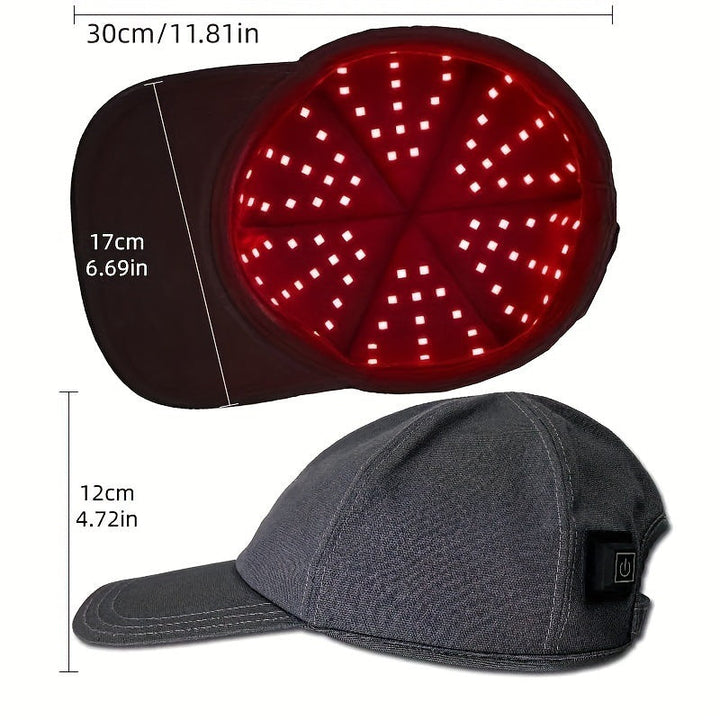


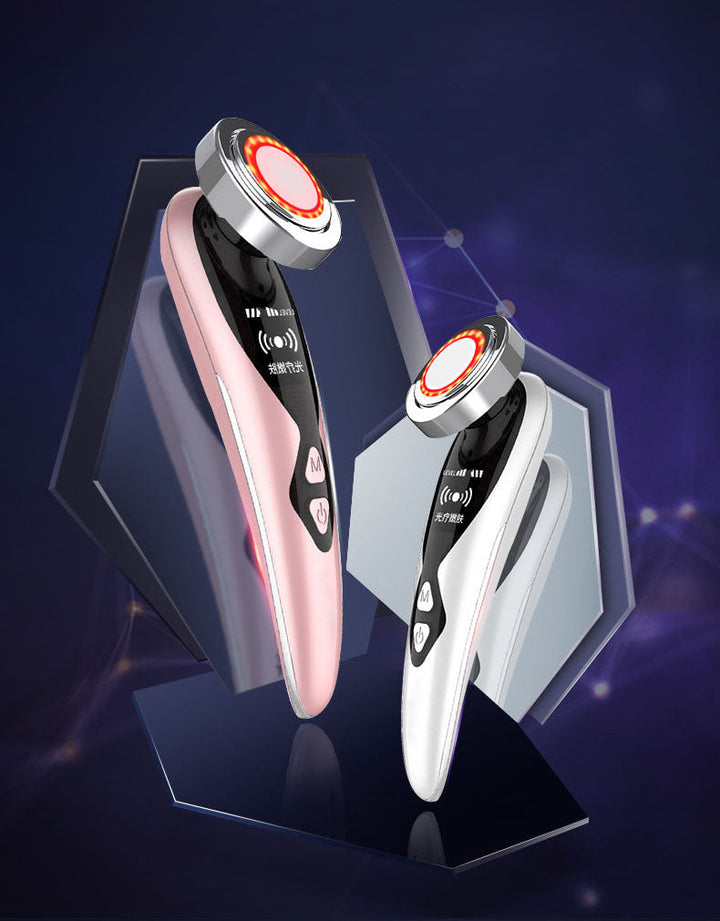
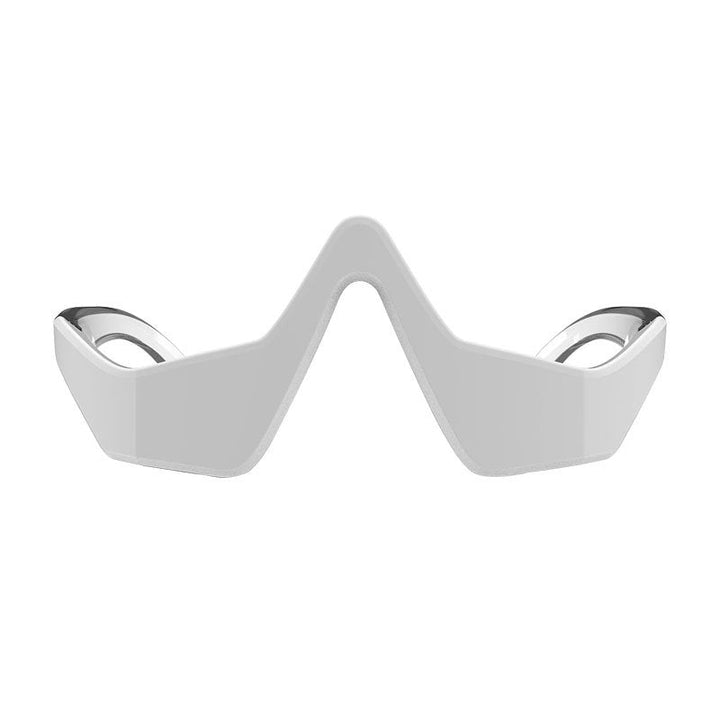
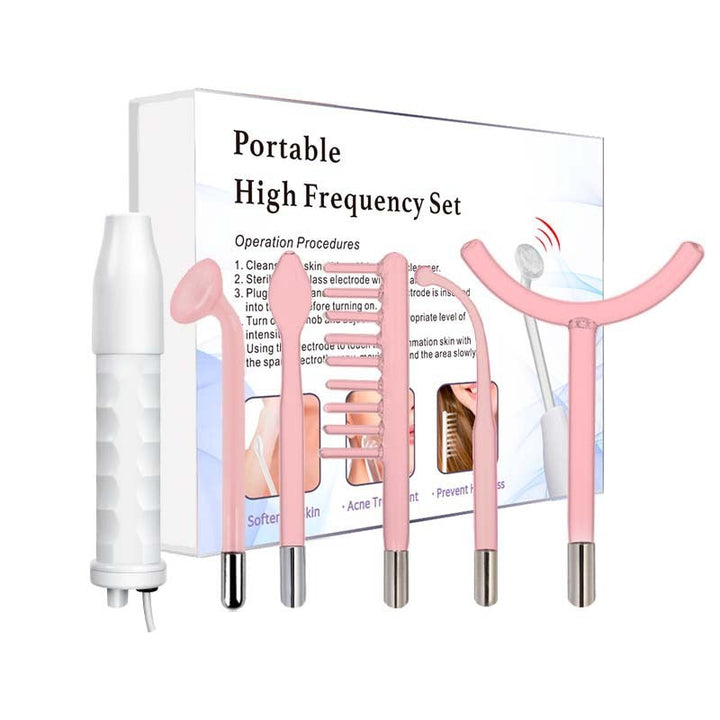
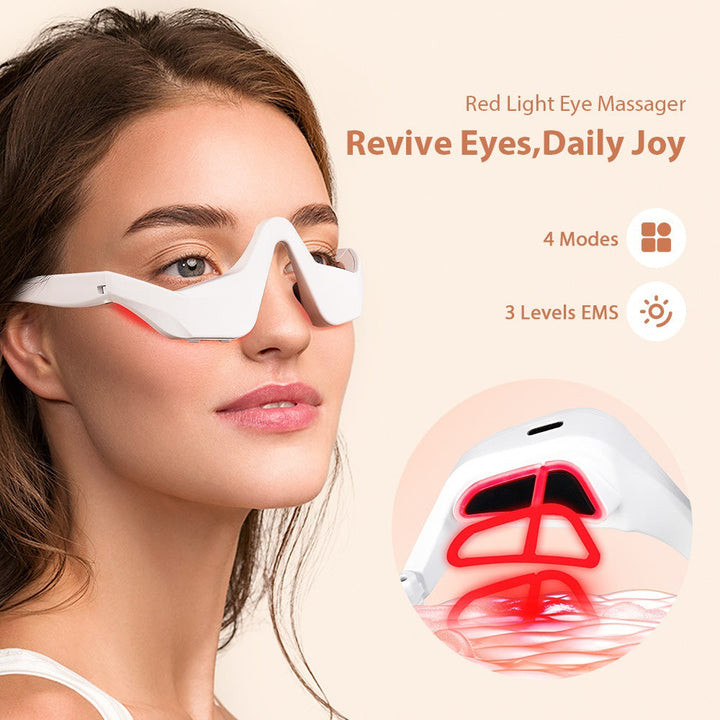


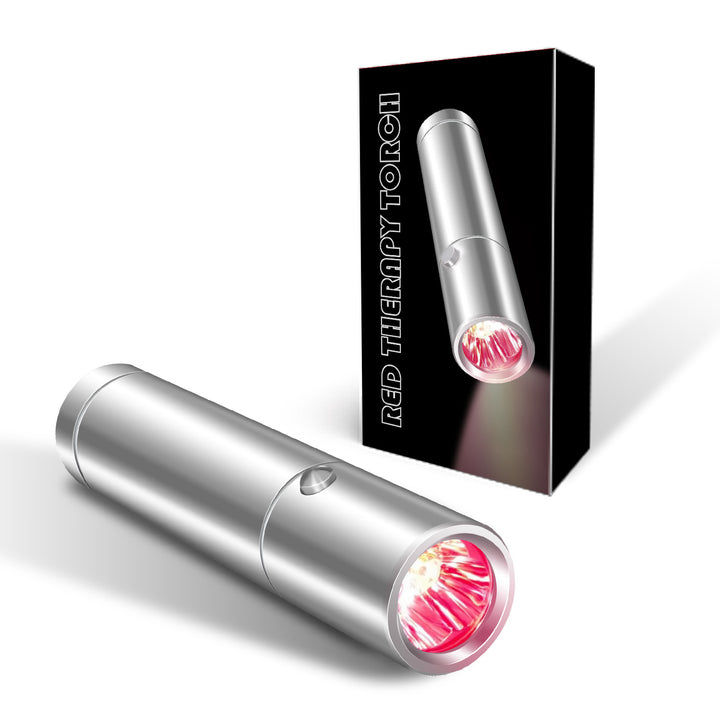

Explore red light devices designed for at-home skincare, facial massage, eye-area routines, and hair-focused care. This guide compares formats, features, and practical considerations so you can choose a red light therapy device that fits your routine and comfort level.
Start with the area you want to target and how much time you want to spend using a device. A red light therapy panel may suit shoppers who want broader coverage, while a 168 LED photon mask is shaped for facial routines. Choose a hair cap if your main focus is the scalp and hairline, or consider a wand when you prefer to work on smaller areas. Eye massagers, facial rollers, and gua sha devices add massage or heat features alongside red light. Check the product instructions for recommended session length, cleaning, charging, and eye-safety guidance. If you have a light-sensitive condition or use photosensitizing medication, ask a qualified healthcare professional before use.
Masks provide hands-free coverage across much of the face and can be convenient for a repeatable routine. Wands offer more control but require you to move the device across the skin. Face massagers and rollers combine red light with manual massage, while the gua sha cupping device adds heat and an LCD display for a more feature-rich routine. Eye massagers are designed around the eye area and may include EMS, so review their specific instructions before buying. Hair caps are shaped for scalp-focused use rather than facial coverage. A panel can be useful when you want a larger treatment area, but it needs suitable positioning and storage space.
Look for clear product information rather than relying only on terms such as strongest red light therapy at home or medical-grade red light therapy devices. Useful details include the device format, intended treatment area, light settings, controls, power source, timer, fit, and included accessories. For masks and eye products, check how the device sits around the eyes and whether the instructions describe eye protection. For handheld tools, consider grip, head size, and whether the controls are easy to operate while treating one area at a time. A removable or wipe-clean surface is helpful for skincare tools. Also review the return policy, warranty information, and usage guidance before ordering.
Follow the instructions supplied with your chosen device, since masks, caps, wands, rollers, and eye massagers are not used in exactly the same way. Begin with clean, dry skin unless the instructions say otherwise, and remove products that could interfere with the device or irritate your skin. Position a mask or cap as directed, or move a wand and roller evenly without pressing hard. Do not extend sessions simply because a longer routine seems better. Keep the device clean, avoid sharing it without proper cleaning, and store it away from heat and moisture. Stop if you experience discomfort, unusual warmth, or irritation, and seek professional advice if symptoms persist.
A common mistake is choosing a device for the wrong area: a hair cap is not a substitute for a facial mask, and an eye massager is not designed to cover the whole face. Another is using a product more often or for longer than its instructions allow. Avoid comparing devices by LED count alone; coverage, fit, controls, comfort, and the stated light settings also matter. Do not assume every red LED offers the same experience, since device design and output specifications can differ. Skipping cleaning can leave skincare residue on masks and rollers. Finally, be cautious with dramatic promises about instant results, guaranteed changes, or claims that a product replaces professional care.
At-home red light devices may suit shoppers who want a structured self-care routine and prefer treating specific areas privately rather than searching for red light therapy near me. A mask or facial massager can fit a skincare routine, while a hair cap is aimed at shoppers focused on scalp and hair care. An eye massager may appeal to people who want a dedicated eye-area tool, and a wand suits those who prefer targeted application. Consider whether you can follow a consistent schedule, clean the device, and use it as directed. It may not suit everyone, particularly people with light sensitivity, relevant eye concerns, or medication-related photosensitivity; seek professional guidance when those concerns apply.
Red light devices are designed to expose the skin or scalp to light from selected red-light settings. People commonly use them as part of facial, eye-area, scalp, or general self-care routines. Results and comfort can vary by device, usage, and individual, so follow the product instructions rather than assuming more exposure is better.
Yes, using a device for longer or more often than directed can increase the chance of discomfort, warmth, or irritation. Follow the supplied schedule and do not stack multiple light-based devices in the same session unless the instructions support it. Stop use if you notice an unusual reaction and seek professional advice if it continues.
Not necessarily. A device may use red LEDs, but its design, light settings, coverage, controls, and distance from the skin all affect how it is used. Review the product specifications and instructions instead of judging a device only by the color of the light or its LED count.
Many red light products are designed for home routines, including masks, hair caps, wands, rollers, and eye massagers. Choose a format that matches your intended area and follow its instructions for positioning, timing, cleaning, and eye safety. If you have a light-sensitive condition or take photosensitizing medication, consult a qualified healthcare professional first.
Possible downsides include the cost of the device, the need for repeated use, cleaning and charging, and the risk of discomfort or irritation if it is used incorrectly. Some formats may feel restrictive around the face or eyes, while handheld devices require more effort. Red light therapy is not a replacement for professional evaluation or treatment.
There is no direct natural substitute that reproduces a red light device's controlled light exposure. For a simple self-care routine, you might consider gentle cleansing, moisturizer, sun protection, scalp care, facial massage, or adequate rest, depending on your goal. These options support general care but should not be presented as equivalent to a red light device or as a treatment for a condition.