Pregnancy Belly Bands & Postpartum Compression Support
7 items

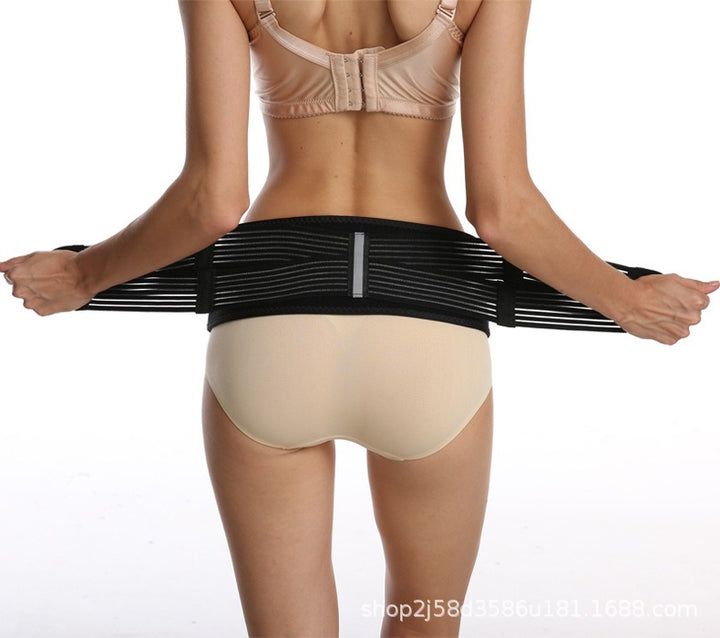
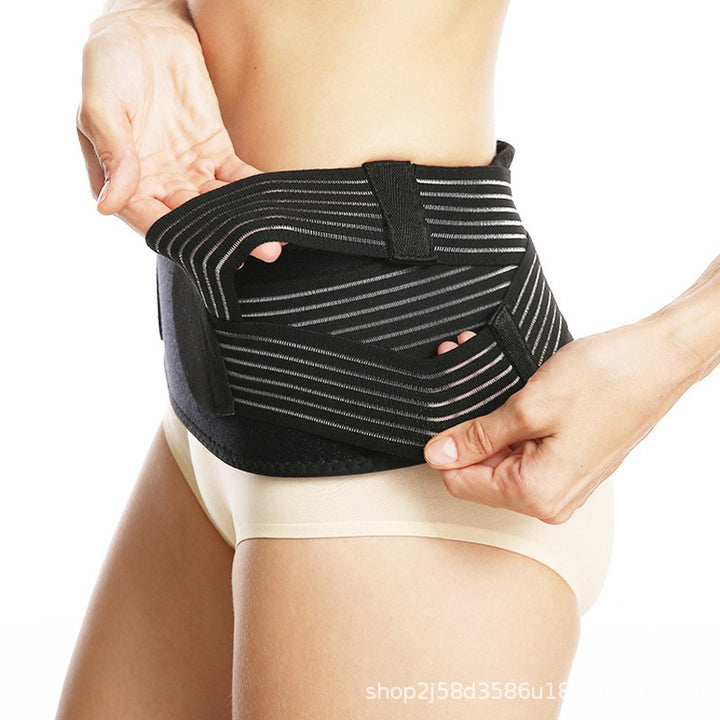


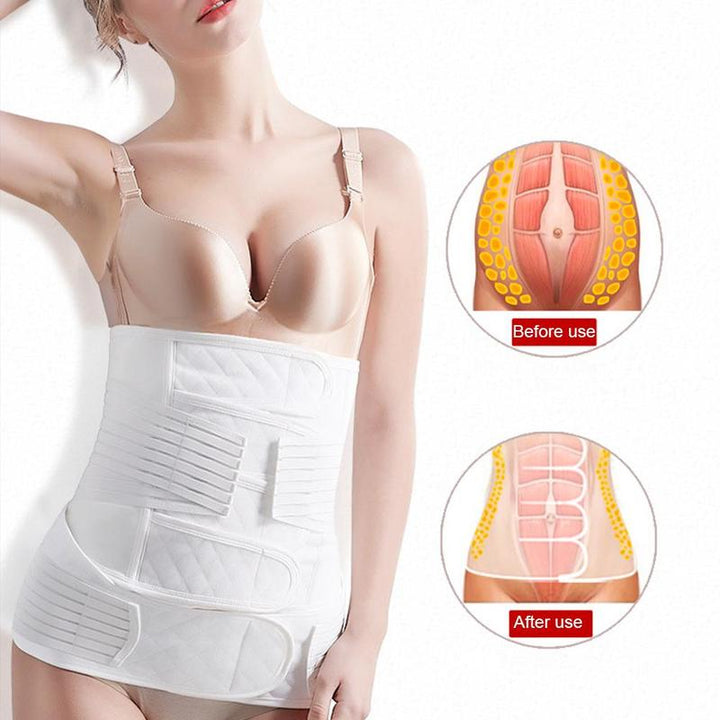
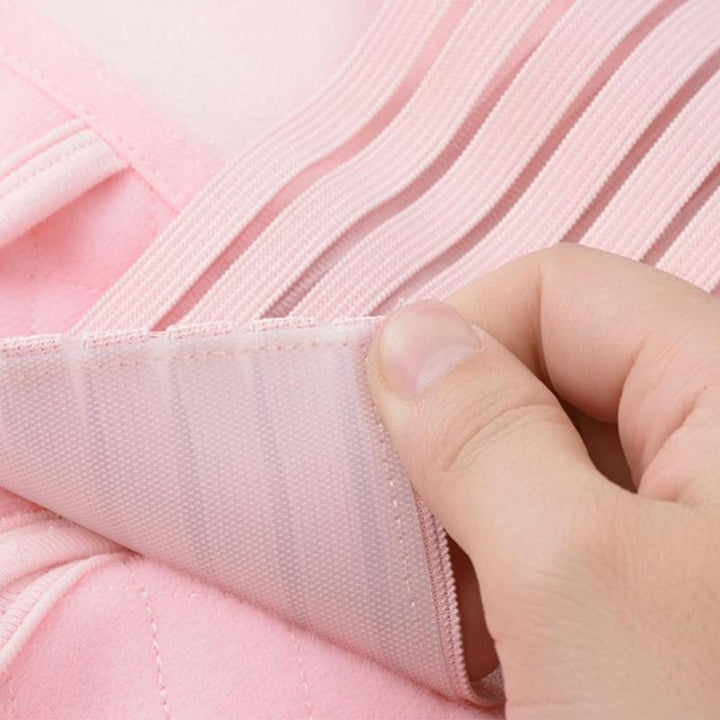


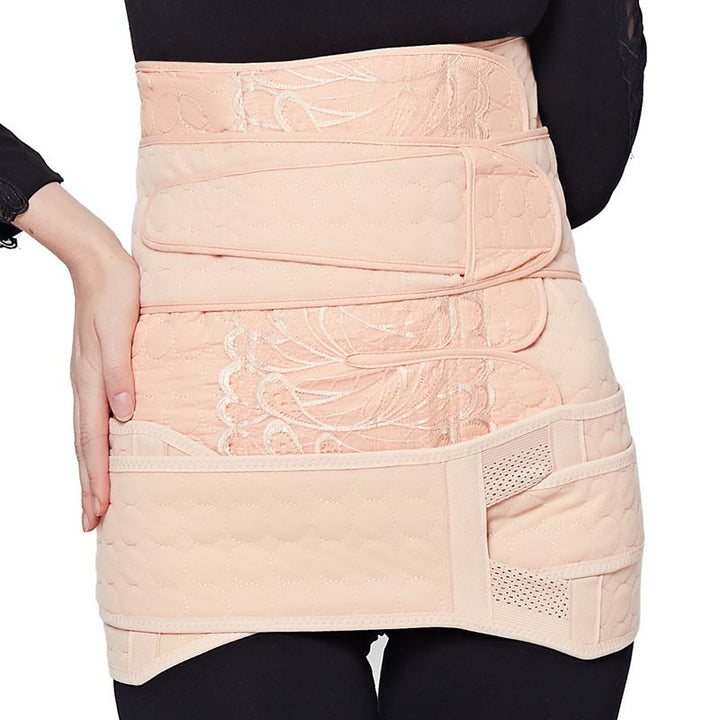
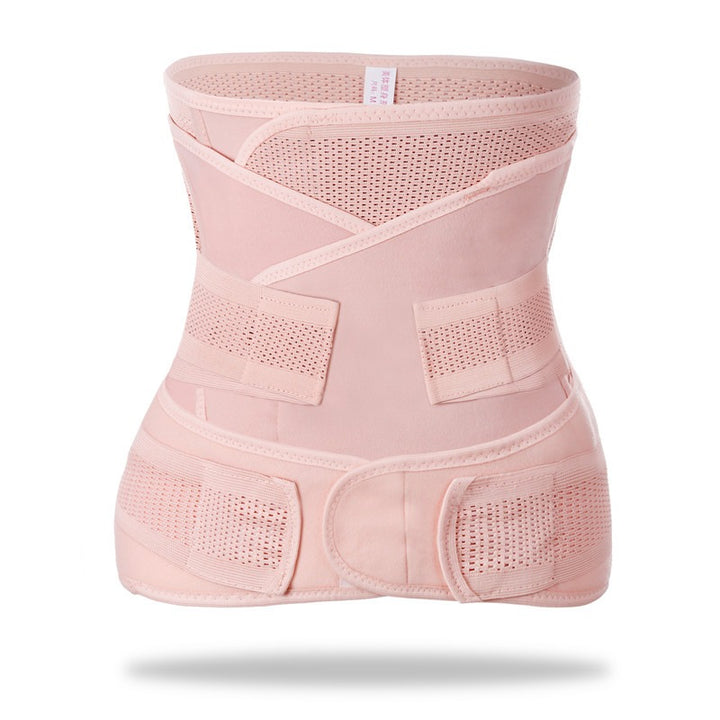
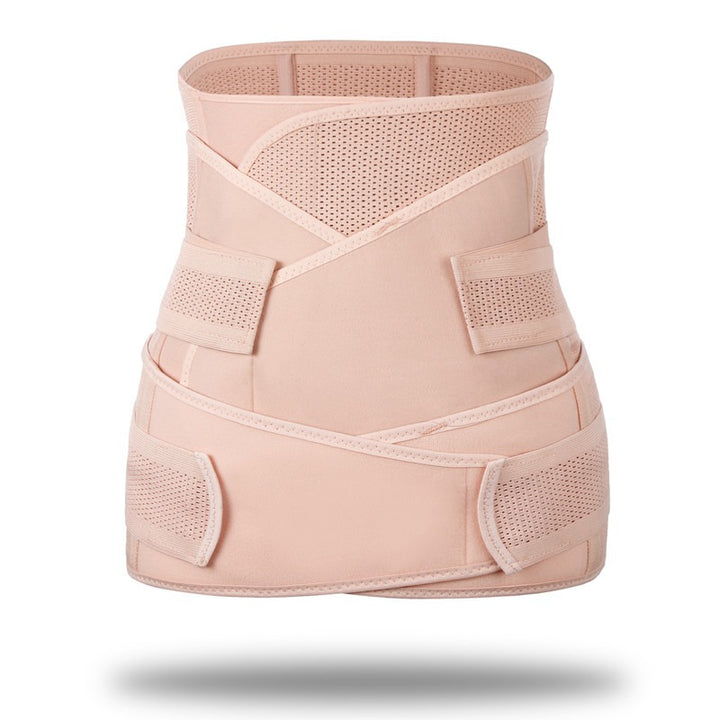



Postpartum support products can help you feel more comfortable as your body changes after pregnancy and birth. Compare adjustable belly bands, abdominal binders, pelvic support girdles, and related care items by fit, coverage, breathability, and the type of support you want.
How do I choose postpartum support?
Start with the area you want to support and the kind of adjustment you need. A postpartum abdominal binder or corset belt focuses on the midsection, while a pelvic support girdle or hip-lift belt is designed to sit lower around the pelvis and hips. Choose adjustable fasteners if your size or comfort level may change during recovery. Measure according to each product’s instructions rather than assuming your pre-pregnancy size. Look for soft edges, breathable fabric, and a secure fit that does not pinch, roll, restrict breathing, or create numbness. If you had a surgical birth, stitches, significant pain, or any concern about pressure near a healing area, ask your healthcare professional which style and level of compression are appropriate.
What types of postpartum support belts are available?
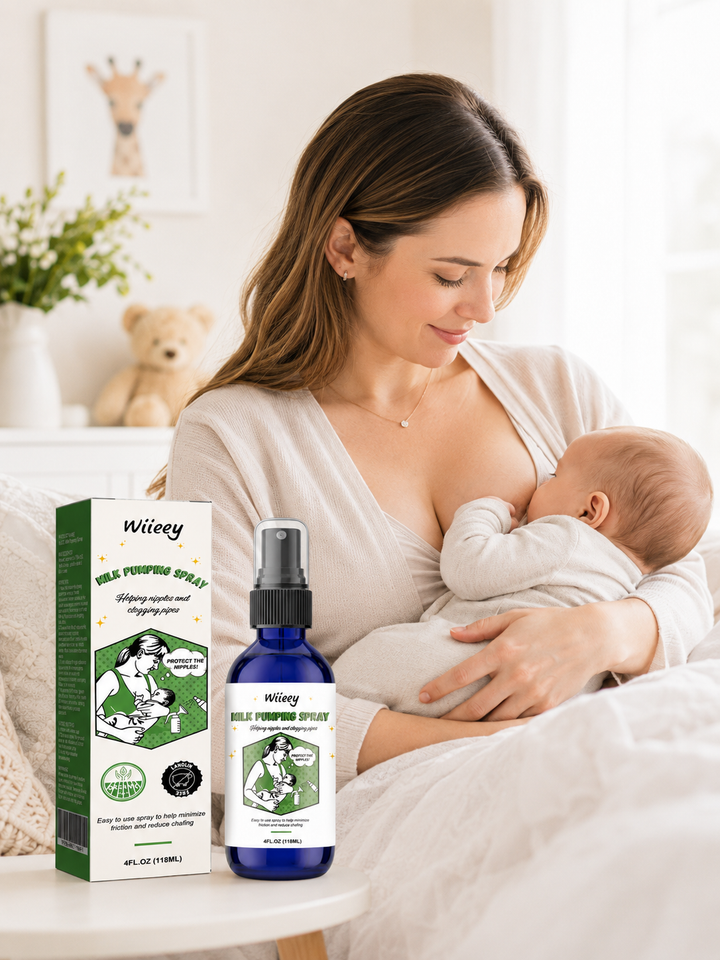
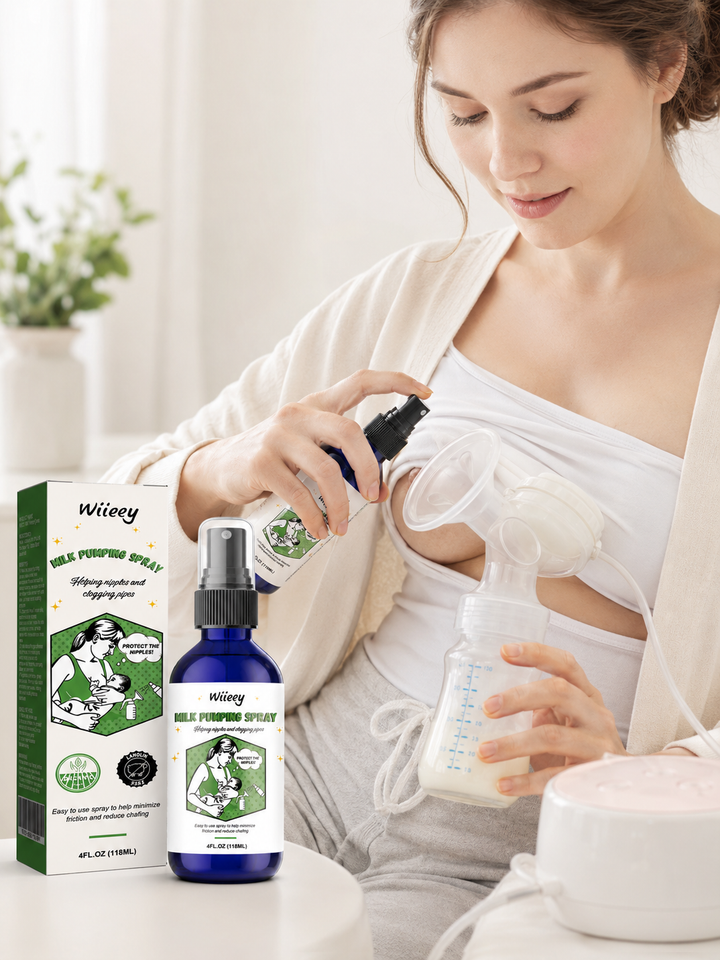
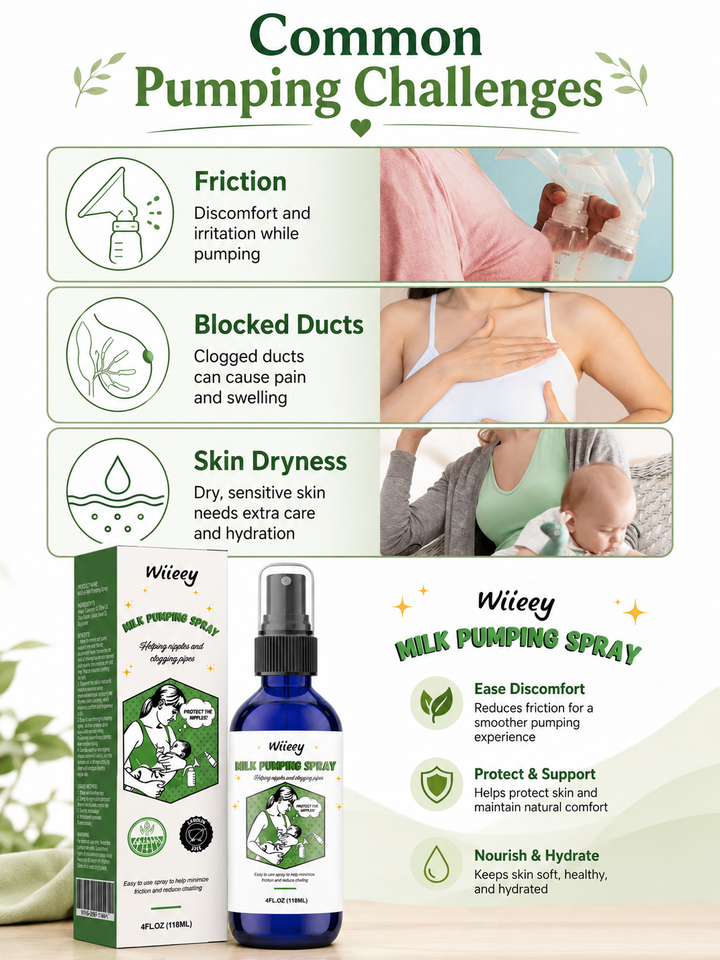
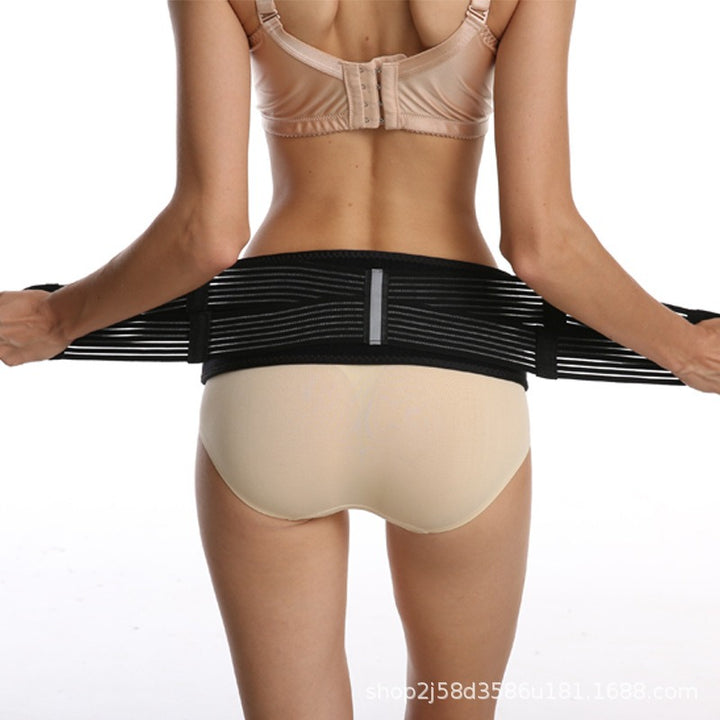
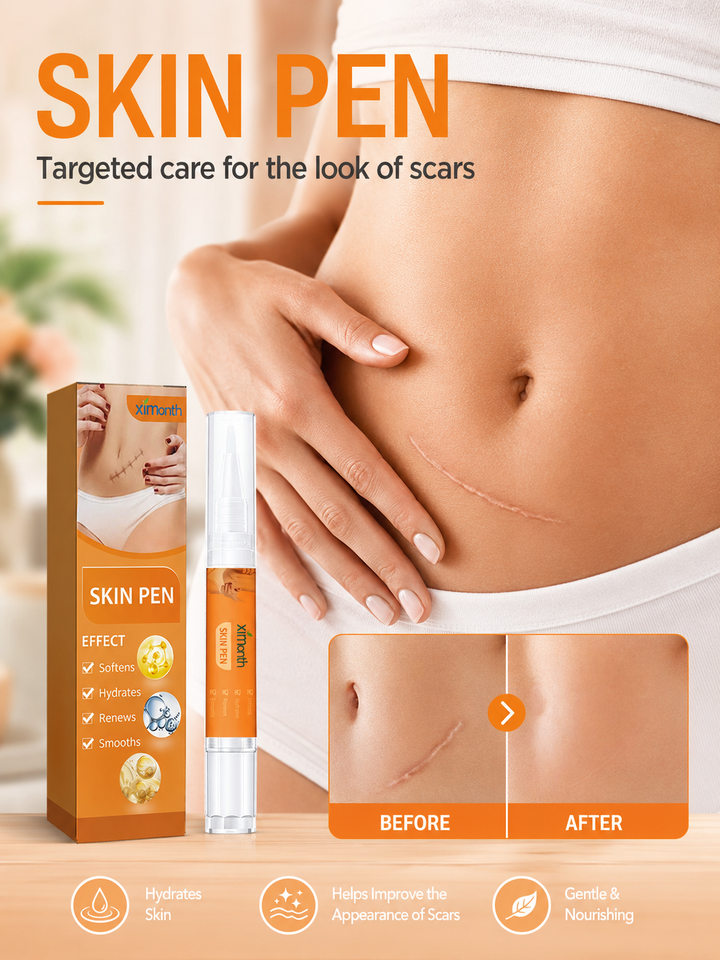
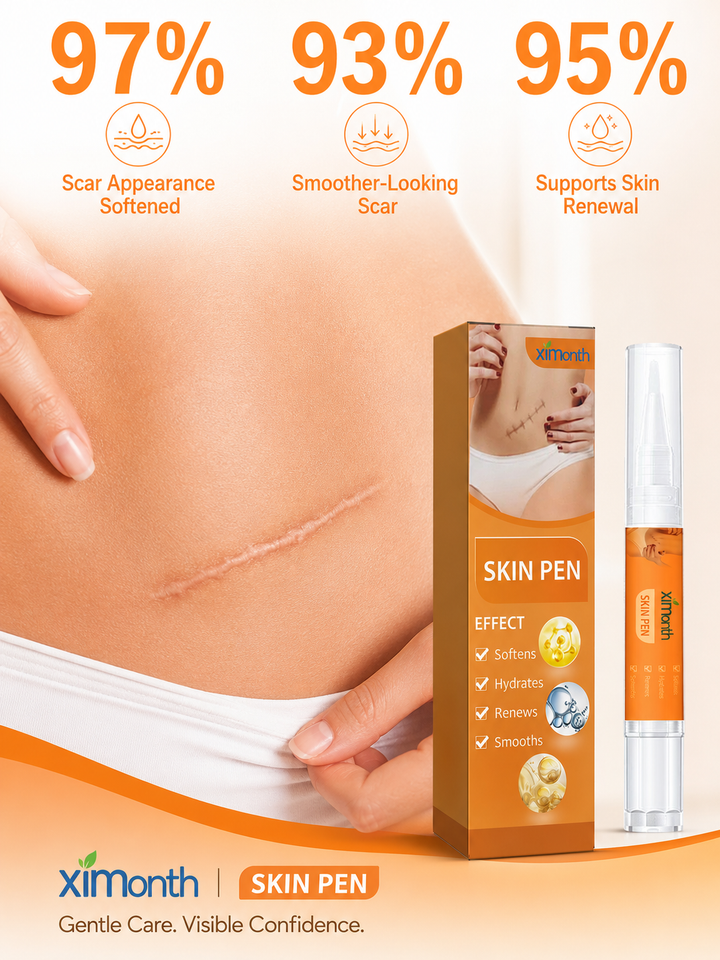
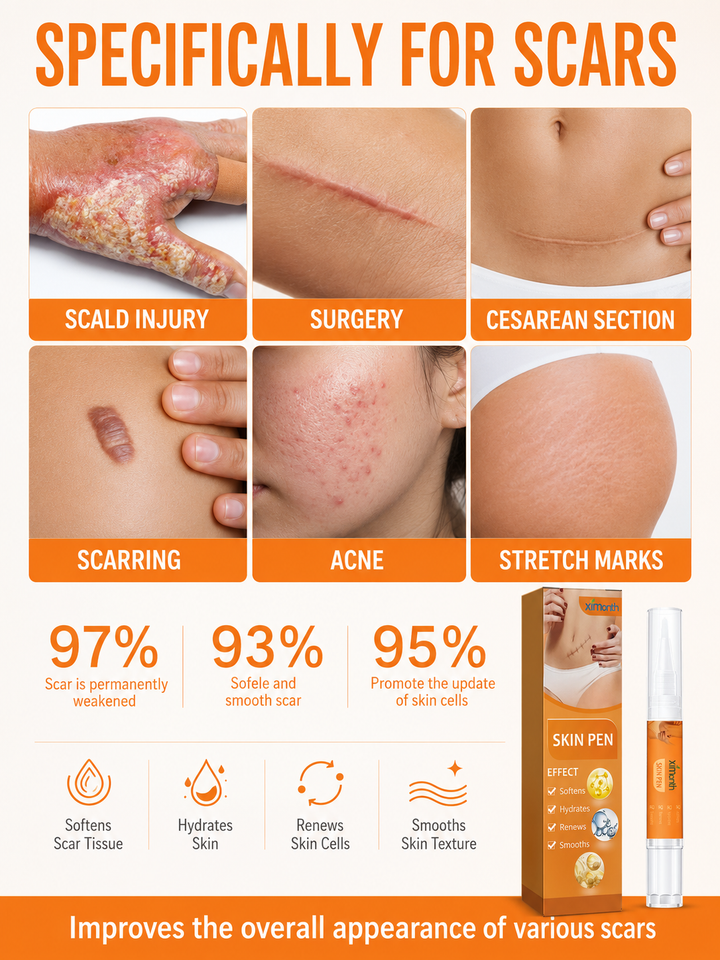
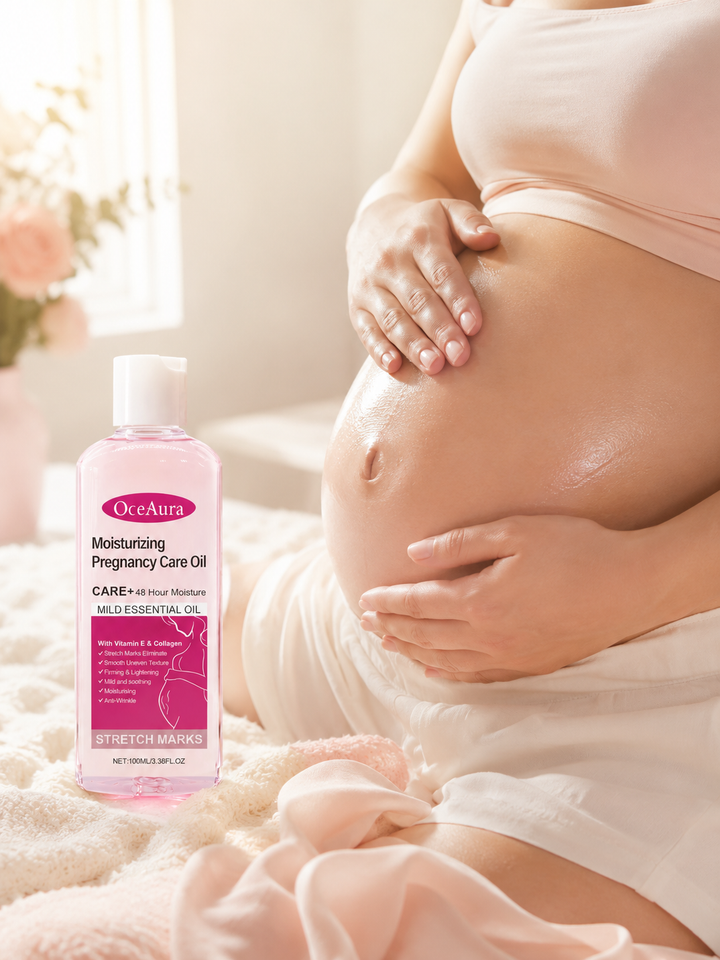
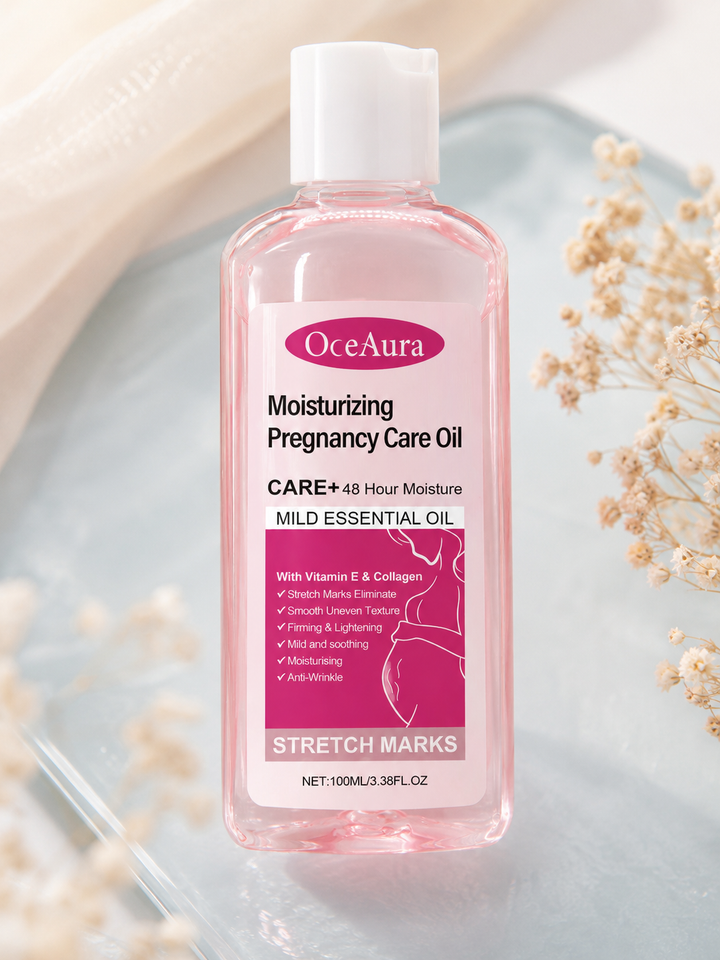
A dual-layer postpartum corset belt offers adjustable coverage and can be tightened in stages. A three-piece breathable abdominal binder lets you customize support across different sections of the abdomen. A pelvic support girdle is a lower-profile option for shoppers seeking support around the pelvis, while a cinch-and-hip-lift belt combines waist adjustment with lower-body coverage. These products are not interchangeable: a high-waisted binder may feel too warm if you need only hip support, and a narrow pelvic belt may not cover the area you want supported. Scar repair pens, stretch mark oil, and pumping sprays serve different postpartum care needs and should be evaluated separately from compression garments.
What should I look for in a postpartum abdominal binder?
Prioritize fit controls that are easy to use while seated or standing. Hook-and-loop closures, layered panels, and multiple adjustment points let you change tension without replacing the garment. Breathable materials can make extended wear more comfortable, especially under clothing. Check the product measurements, panel height, closure placement, and care instructions before ordering. The binder should lie flat against the body and stay in place during gentle movement without digging into the ribs, hips, incision area, or skin. Avoid choosing the tightest option simply because it feels more supportive. Compression should remain comfortable, and you should be able to breathe normally and move naturally. Stop wearing it if you notice worsening pain, skin irritation, numbness, or circulation concerns.
How do I use postpartum support safely?
Follow the product instructions and begin with a comfortable, moderate fit rather than maximum tightness. Put the belt on over a smooth layer if the fabric rubs, and check that the edges do not fold or press into sensitive areas. Wear it for the activities and duration that feel comfortable, removing it to rest, wash, and inspect your skin. Do not use a support belt as a substitute for recovery guidance, wound care, or treatment for new symptoms. If you are three weeks postpartum and considering walking, start only as advised by your healthcare professional and increase activity gradually. Seek professional advice for heavy bleeding, fever, worsening pain, breathing trouble, wound changes, or other urgent concerns.
What are common postpartum support mistakes?
A common mistake is selecting by clothing size instead of the product’s measurement chart. Another is fastening the belt too tightly, wearing it continuously without checking the skin, or sleeping in it when the instructions do not recommend that use. Some shoppers also expect compression to correct posture, reshape the body, or resolve pain on its own. Use the garment for comfortable support, not as proof that recovery is complete. Do not place oil or a scar repair pen under a compression garment unless the product directions allow it, since moisture and friction may irritate skin. Finally, do not ignore emotional symptoms. Persistent sadness, anxiety, hopelessness, or thoughts of self-harm need prompt support from a qualified professional or emergency service.
Who is a postpartum support belt best suited for?
These products may suit adults who want adjustable comfort and gentle external support around the abdomen, waist, hips, or pelvis after pregnancy. The best choice depends on birth recovery, body shape, clothing preferences, and whether you want broad abdominal coverage or a lower pelvic fit. A belt may also be useful when standing, walking, or doing everyday tasks feels more comfortable with added support, provided your healthcare professional agrees it is appropriate. It is not suitable for everyone or every stage of recovery. Ask for individualized guidance after a cesarean birth, pelvic injury, significant swelling, skin sensitivity, or persistent pain. If you are unsure what you need for postpartum care, discuss compression products and activity plans with your maternity care team.
Frequently asked questions
What is the 5 5 5 rule in postpartum?
The 5-5-5 rule is commonly described as five days in bed, five days around the bed, and five days near the house, emphasizing rest and gradual activity after birth. It is a general cultural guideline rather than a personalized medical plan, so follow the recovery instructions from your healthcare professional, especially after complications or surgery.
How can I get help with postpartum depression?
Contact your doctor, midwife, therapist, or another qualified healthcare professional if sadness, anxiety, hopelessness, or loss of interest persists or feels difficult to manage. If you may harm yourself or your baby, contact local emergency services or a crisis line immediately and stay with a trusted person. A support belt cannot treat postpartum depression.
What do I need for postpartum care?
Useful basics may include comfortable clothing, maternity pads, easy-to-reach hydration and meals, prescribed medicines, and supplies recommended for your specific birth recovery. Optional products include an adjustable support belt, abdominal binder, pelvic girdle, stretch mark oil, scar repair pen, or pumping spray. Ask your healthcare professional which items are appropriate for your body and recovery.
What can I do 3 weeks postpartum?
Many people focus on rest, feeding, hydration, gentle daily movement, and following their postpartum care plan at three weeks. Activity and lifting limits vary by birth type and individual recovery, so confirm plans with your healthcare professional rather than using a belt to push through discomfort. Contact them about worsening pain, heavy bleeding, fever, wound concerns, or emotional distress.
What is the hardest week of postpartum?
There is no single hardest week for everyone. Sleep disruption, feeding demands, physical healing, hormonal changes, and emotional adjustment can feel especially difficult at different times. Ask for practical help and professional support whenever coping feels difficult.
Is walking okay 3 weeks postpartum?
Gentle walking may be appropriate for some people at three weeks postpartum, but readiness depends on the birth, healing, symptoms, and advice from your healthcare professional. Begin gradually and stop if you develop pain, dizziness, heavier bleeding, shortness of breath, or other concerning symptoms. A support belt should not be used to override those signals.
Can I wear a postpartum support belt all day?
Follow the specific product instructions and start with shorter, comfortable periods of wear. Remove it regularly to rest, wash, and check your skin, and do not wear it tighter than recommended. Ask your healthcare professional about wear time if you had surgery, have a healing wound, or experience pain, numbness, breathing difficulty, or skin irritation.