
$69.90
Free delivery · 7–14 days
Pet Foaming Bath Machine for Faster, Easier Grooming


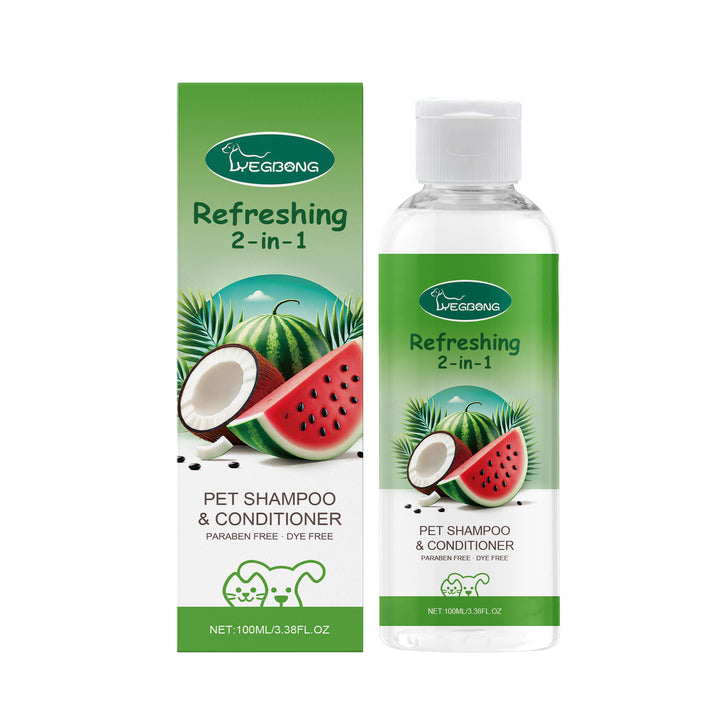
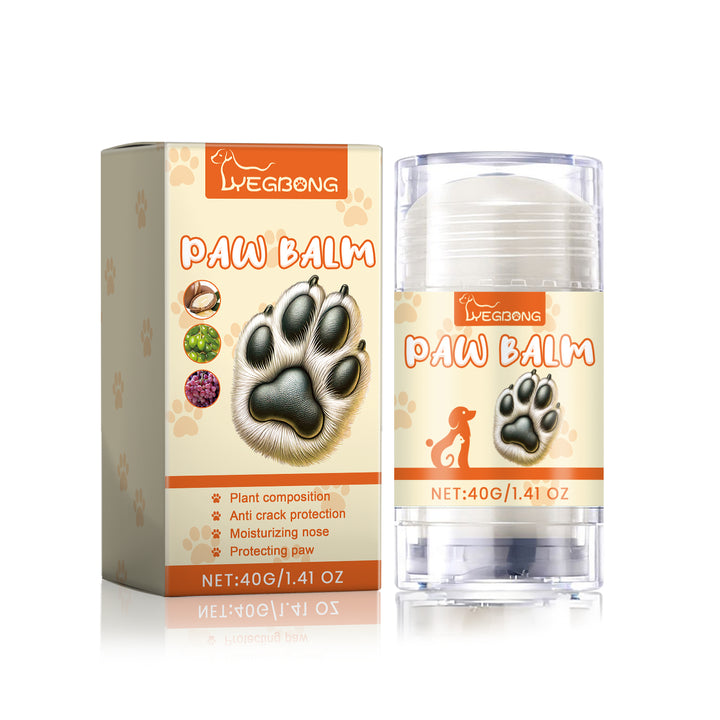

Pet grooming at home can help maintain a fresher coat, cleaner paws, and a more comfortable-feeling routine between professional appointments. This category includes waterless cleaners, coat-care products, deodorizing sprays, laundry detergent, grooming gloves, and gentle skin-care sprays for everyday pet care.
Start with the task you need to handle: coat conditioning, paw cleaning, odor control, loose-fur removal, laundry cleanup, or light skin-area care. For quick cleanups after walks, choose a paw foam cleaner with a built-in brush or a separate paw foam cleaner. A no-bath grooming glove can suit cats or pets that dislike sprays and tubs. For longer coats, a leave-in serum or hair conditioner may help make brushing easier and reduce the feel of tangles. Choose a deodorant spray for rooms or pet areas only when its directions match that use. Read the label for species, coat type, application area, and whether rinsing is required. These products complement, rather than replace, a professional appointment when you are searching for dog grooming near me.
Waterless paw cleaners are designed for quick post-walk cleanup without a full bath. The built-in brush version combines application and scrubbing in one tool, while a separate paw foam cleaner lets you control the amount and use your preferred cloth or brush. Cleaning gloves offer a gentle, hands-on way to groom cats and other pets that resist conventional tools. Leave-in serum and hair conditioner focus on coat feel, shine, and easier brushing. Deodorant spray is intended for fresher-smelling spaces, not as a substitute for cleaning the pet or treating an underlying odor source. Laundry detergent targets stains and odors on washable bedding and towels. Hot spot spray should be used only as directed and is not a diagnosis or replacement for veterinary advice.
Look for clear directions that state whether the product is for dogs, cats, or both, and whether it belongs on fur, paws, bedding, or surrounding spaces. For coat products, consider whether the formula is leave-in or rinse-out and whether your pet has short, long, curly, or easily tangled fur. For paw foam, check that the applicator is comfortable to hold and easy to clean. A grooming glove should have a secure fit and a texture suited to your pet’s tolerance. For laundry detergent, confirm that it is suitable for the fabrics you wash most often. Avoid products with vague instructions, damaged packaging, strong undisclosed fragrance, or claims that sound too broad. If your pet has persistent odor, visible skin changes, ear discharge, or repeated scratching, ask a veterinarian before relying on grooming products.
Introduce one product at a time and follow its label rather than combining formulas. Test a small, inconspicuous area when directions permit, and stop if your pet shows discomfort. Keep sprays away from eyes, mouth, nose, open wounds, and areas the label excludes. Apply coat serum or conditioner sparingly, concentrating on the fur and brushing through according to the instructions. Use paw foam on the pads and surrounding fur, then wipe away residue if directed. Use a grooming glove with light pressure, especially around sensitive areas. Spray deodorizer only in the intended space and allow surfaces to dry as instructed. Wash bedding with the pet laundry detergent according to the label. Store every product securely and contact a veterinarian about concerning or persistent signs.
A common mistake is treating every odor with deodorizer instead of washing bedding, cleaning paws, or identifying the source. Using human shampoo, conditioner, or laundry products without checking suitability can also be inappropriate for pet-care routines. Do not apply a space deodorant directly to an animal unless its label specifically permits it. Avoid overusing leave-in serum, hair conditioner, or hot spot spray; more product is not automatically better. Rushing through paw cleaning can leave residue between pads, while vigorous brushing or glove use may make a pet fearful. Never force a grooming session when your pet is distressed. Red flags for dog grooming include poor handling, unclear hygiene practices, rushed explanations, or pressure to use services you did not request. Ask questions before booking, whether locally or through an Aurora pet grooming search.
Home grooming products suit pet owners who want practical maintenance between baths, walks, brushing sessions, or professional appointments. Paw foam is useful for muddy or dusty returns from outside, while a no-bath glove can help with light grooming for cats and bath-averse pets. Coat serum and conditioner may suit pets whose fur needs regular brushing support, provided the label matches the coat and species. Laundry detergent is helpful for washable bedding, blankets, and towels used during grooming. Professional grooming may still be preferable for full haircuts, extensive matting, nail work, difficult handling, or breed-specific styling such as a teddy bear cut. Costs vary by coat, service, location, and pet needs, so compare the appointment details rather than assuming a full dog groom cost. Home products help with upkeep, not every grooming task.
A tip is optional and depends on your satisfaction, the service, and local custom. Many customers choose a percentage or a simple amount that reflects the quality and difficulty of the appointment; ask the salon whether tips are accepted and how staff receive them.
A teddy bear cut is a rounded grooming style that leaves the dog’s face and coat looking soft and plush. The exact length and shaping vary by groomer, breed, coat condition, and owner preference, so discuss the desired look and maintenance before the appointment.
The price depends on your location, the dog’s size and coat, matting, behavior, and the services included. A full groom may include bathing, drying, brushing, trimming, and nail care, but packages differ, so request an itemized quote before booking.
Pet grooming is routine care for a pet’s coat, paws, nails, ears, and general cleanliness. It can include brushing, bathing, trimming, wiping, odor control, and professional styling; home products such as paw foam, grooming gloves, conditioners, and laundry detergent support maintenance between appointments.
Red flags include poor cleanliness, unsafe handling, unexplained delays, unclear pricing, pressure to add services, or reluctance to answer questions about the grooming process. Be cautious if staff dismiss your pet’s stress or cannot explain what they will do; choose a provider who communicates clearly and handles pets calmly.
Grooming prices reflect labor, appointment time, equipment, bathing and drying, coat condition, handling needs, and local operating costs. Long or matted coats, nervous pets, extra cleaning, and specialized styles can require more work, so compare what each quoted service includes.
Browse related: Shop all Pet Grooming Tools - Brushes, Clippers & More for Dogs & Cats · explore pet flea combs & flea treatment - dog & cat grooming supplies.