$49.90
Free delivery · 7–14 days
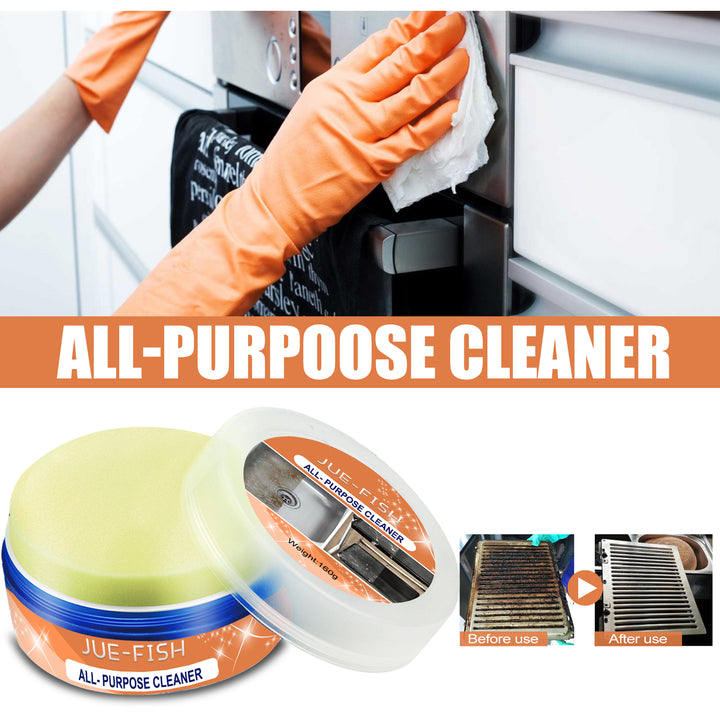
Kitchen Grease Cleaner Gel — Cuts Baked-On Grime Fast


Find the right oven cleaner for baked-on grease, burnt food, grill residue and cooking odors on compatible oven, grate, rack and grill surfaces. This category includes creams, gels, foams and general-purpose cleaners, so choose by soil level, surface type and the amount of scrubbing you want to do.
Start by identifying the mess and the surface. For black, hardened grease on an oven floor, racks or grates, choose a product described for stubborn burnt-on residue, such as an oven cookware cleaner or heavy-duty foam. A kitchen cleaning cream is useful when you want controlled application and light scrubbing on smaller areas. Gel formulas cling to vertical surfaces and baked-on grime, while sprays cover larger areas quickly. Check the label before use because painted interiors, heating elements, aluminum, stainless steel, glass, rubber seals and nonstick coatings may have different care requirements. If odor is a concern, consider an oven and grill cleaner made for grease, oil and odor removal, and always follow the product’s stated ventilation and contact-time instructions.
Cream cleaners spread with a cloth or sponge and work well for targeted cleaning around doors, shelves and cooktop areas. Gel cleaners stay in place longer, making them practical for baked-on grease on racks, grates and upright oven walls. Foam cleaners are convenient for broad coverage and heavy grease, especially when you want to coat a large interior before wiping. Sprays can be fast for routine grease and oil removal, but they may run on vertical surfaces. Powder products can require mixing or careful rinsing, so confirm the instructions before buying. There is no single best oven cleaner for every job: match the formula to the residue, surface and amount of manual scrubbing you can handle.
Look for clear directions covering compatible materials, application method, dwell time, wiping and rinsing. A trigger spray is useful for broad, easy-to-reach surfaces, while a narrow nozzle or gel helps place cleaner precisely on rack bars, grate corners and the oven’s lower surface. For very dirty ovens, prioritize wording such as heavy grease, baked-on grime, burnt-on food or deep cleaning rather than choosing by scent alone. If you clean grills as well as ovens, select a formula explicitly intended for both oven and grill use. Also consider whether the product is ready to use or needs dilution. Gloves, cloths, a non-abrasive scrub pad and good ventilation can make the process more manageable, but follow the label for any required precautions.
Remove loose crumbs and detachable racks or grates first. Apply the cleaner only to surfaces named on the label, keeping it away from heating elements, electrical controls, seals and openings unless the instructions specifically allow contact. Let the product work for the stated time; leaving it longer is not automatically better. Use a suitable cloth or non-abrasive pad to loosen residue, then wipe thoroughly and rinse where directed. Repeat on thick black deposits instead of scraping aggressively or mixing products. For an oven rack, work over a protected area and clean both sides, paying attention to corners where grease collects. Before cooking, remove all visible cleaner and residue and allow surfaces to dry according to the product directions.
Do not combine oven cleaner with vinegar, bleach, ammonia, dish soap or another cleaner unless the label explicitly says the combination is safe. Household mixtures such as Dawn and vinegar may help with some everyday cleaning, but they are not a substitute for a product designed for baked-on oven grease, and mixing cleaners can create unwanted fumes. Avoid spraying directly onto heating elements, fans, controls or door seals. Do not use an abrasive tool that could scratch glass, enamel, stainless steel or a nonstick rack coating. A machine cleaning cycle also has its own instructions and is not automatically compatible with a separate oven cleaner. When in doubt, test a small hidden area and check the appliance manual before treating the entire surface.
Heavy-duty foam, gel and burnt-on grease cleaners suit households dealing with neglected ovens, sticky grill grates, roasting pans and dark baked residue that ordinary dish soap does not shift easily. They are useful before hosting, after frequent roasting or when grease has accumulated on rack edges and oven floors. A cream cleaner may be a better fit for renters, quick touch-ups or delicate areas where precise application matters. Choose an odor-removal formula when the main issue is lingering cooking smell as well as visible grease. These products are not a replacement for checking surface compatibility or following appliance instructions. If the oven has damaged enamel, exposed wiring or an unknown interior coating, pause and confirm the correct cleaning method first.
For baked-on grease and burnt food, use an oven cleaner whose label lists the specific oven, rack, grate or grill surface you need to clean. Foam and gel formulas are useful for heavy or vertical residue, while creams are convenient for targeted scrubbing. Always follow the appliance and product instructions.
Do not mix cleaners unless the product label specifically confirms that combination is safe. Dish soap and vinegar may be suitable for light surface cleaning in some situations, but they may not remove heavily baked-on grease as effectively as a purpose-made oven cleaner. Check the oven manual and cleaner directions first.
Remove loose debris, then apply a compatible oven cleaner to the affected area according to its directions. Give it the stated contact time, wipe with a suitable cloth or non-abrasive pad, and repeat if needed. Keep cleaner away from heating elements and controls, and rinse or wipe until no residue remains.
Choose a heavy-duty foam, gel or oven cookware cleaner specifically described for stubborn burnt-on grease, baked-on grime or deep cleaning. Gel can cling to vertical areas, while foam can cover a larger interior. Confirm that the formula is compatible with your oven’s interior, racks and other surfaces before applying it.
Professional cleaners typically select a product based on the oven’s surface, the type of grease and the amount of buildup, rather than using one formula for every job. Heavy-duty foams and gels are practical for thick residue, while creams work for controlled spot cleaning. Safe application, ventilation, dwell time and thorough removal are just as important as the formula.
Use an oven or kitchen grease cleaner labeled for baked-on residue, then follow its application and contact-time instructions. Work in sections, loosen the softened grease with a non-abrasive pad and wipe or rinse thoroughly. Do not mix products or scrape aggressively, especially on glass, enamel, nonstick racks or coated surfaces.