$64.90
Free delivery · 7–14 days
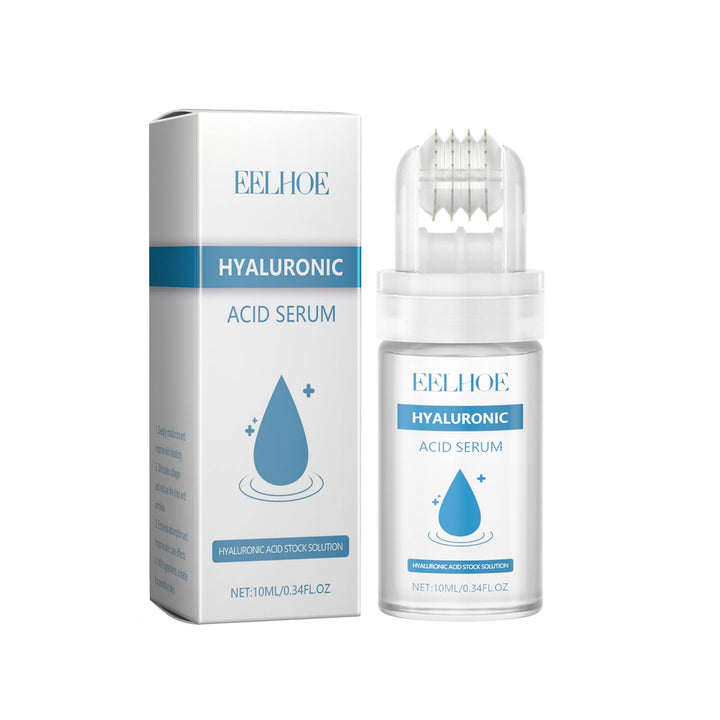
Hyaluronic Acid Roller Serum for Smoother, Firmer Skin


Microneedling tools include manual derma stamps, rollers, and powered microneedling pens designed for controlled skincare routines. Compare the tool format, needle configuration, handling, and aftercare products before choosing a microneedling tool for the face, home use, or a professional skincare setting.
Start with the area you want to address, your experience level, and whether you prefer manual or powered control. A 20-pin microneedling stamp suits targeted facial skincare, while a derma roller covers a broader surface with repeated rolling motions. A microneedling pen may offer adjustable settings, but it requires careful handling and a consistent technique. Look for clear instructions, a stable grip, protected storage, and replaceable or properly cleanable contact parts. If you are shopping for microneedling at home, choose a format you can control without pressing hard or rushing. For professional microneedling tools, prioritize durable construction, clear operating guidance, and hygiene procedures appropriate to your setting.
Microneedling pens use a powered cartridge and may be useful for users who want a guided, systematic motion. Derma stamps are pressed and lifted over selected areas, making them practical for targeted facial skincare and small zones. Rollers move across the skin and can cover larger areas efficiently, but they require an even, controlled pass and should not be dragged aggressively. A 20-pin stamp is a straightforward option for shoppers comparing manual microneedling tools. A derma roller microneedling kit may suit broader routines, while a pen is better for shoppers comfortable following device-specific instructions. Choose based on control, coverage, cleaning, and the area being treated rather than on the tool name alone.
For facial use, look for a tool that is easy to hold, simple to disinfect according to its instructions, and suitable for the intended area. Needle configuration affects coverage and handling, so compare pin count, cartridge or head design, and the manufacturer’s usage guidance. If you are considering a microneedling tool for hair or the scalp, confirm that the product instructions specifically cover that area; do not assume a face-focused stamp or roller is suitable. Accessories such as a storage case can help keep the tool protected between uses. Pair the routine with gentle skincare, such as a hyaluronic acid roller serum or hydrating essence, only when the product directions indicate it is appropriate after use.
Read the tool instructions before beginning and prepare a clean, well-lit area. Wash your hands and cleanse the skin, then use the device only as directed, with light, controlled contact rather than force. A stamp should be lifted between placements; a roller should move in the instructed direction without repeated passes over the same spot. Follow the product guidance for cleaning, storage, and replacement of disposable components. Avoid applying unverified products immediately after treatment, and use only aftercare products whose labels support that use. A simple moisturizer or hydrating product may be part of a routine, but irritation, broken skin, active flare-ups, or unexpected discomfort are reasons to stop and seek professional advice.
Common errors include pressing too hard, treating the same area repeatedly, using a tool that is dirty or damaged, and sharing a device. Do not use a roller or stamp over cuts, irritated skin, active blemishes, or areas that are painful or changing in appearance. Avoid treating spider veins or other visible vascular concerns with a home microneedling tool. Using a stronger setting or treating more often is not automatically better; give the skin time to settle and follow the product’s schedule. Do not combine a fresh treatment with harsh exfoliants or unfamiliar active products without checking their directions. If redness, swelling, pain, or other unexpected symptoms persist, stop using the tool and contact a qualified healthcare professional.
Professional microneedling tools are intended for trained skincare practitioners who can follow device instructions, sanitation requirements, and appropriate client-screening procedures. At-home shoppers may prefer a manual 20-pin stamp or a clearly documented home-use microneedling pen, but convenience does not remove the need for careful hygiene and conservative use. People with sensitive, damaged, or actively irritated skin should postpone treatment and ask a qualified professional whether microneedling is appropriate. The same applies to anyone considering treatment over scars, pigmentation, scalp concerns, or visible veins. Supportive products such as collagen anti-wrinkle cream, moisturizing patches, or hydrating essence can complement a skincare routine, but they do not replace safe tool selection, proper technique, or professional advice.
The best microneedling tool depends on the area, your experience, and how much control you want. A stamp suits targeted areas, a roller covers broader surfaces, and a pen may offer powered, adjustable operation. Compare instructions, cleaning requirements, grip, and intended use rather than choosing by pin count alone.
Do not use a home microneedling tool over spider veins or other visible vascular concerns. Microneedling is not a substitute for assessment or treatment of vein-related changes, so ask a qualified healthcare professional about suitable options.
Some products are designed for carefully followed home routines, but self-use still requires clean handling, gentle technique, and strict attention to the instructions. Avoid treating damaged or irritated skin, do not share tools, and stop if you experience unexpected or persistent discomfort.
Neither is universally better. Pin count can affect coverage and handling, while the correct choice also depends on the tool design, treatment area, and the manufacturer’s instructions. Choose the configuration that matches your intended use and that you can control comfortably.
Yes, repeated passes, excessive pressure, overly frequent sessions, or unsuitable aftercare can increase irritation. Follow the product schedule, allow the skin to settle, and avoid combining treatment with harsh or unfamiliar products. Stop and seek professional advice if symptoms are persistent or concerning.
Night may be more convenient because you can avoid immediate sun exposure, makeup, and friction, but the product instructions and your routine matter most. Whichever time you choose, start with clean skin and follow the recommended aftercare and sun-protection guidance.