Derma Rollers & Microneedling Pens for Wrinkles & Hair Growth
7 items
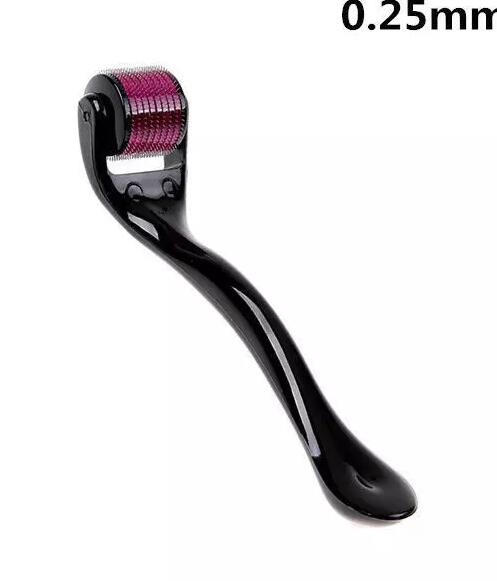
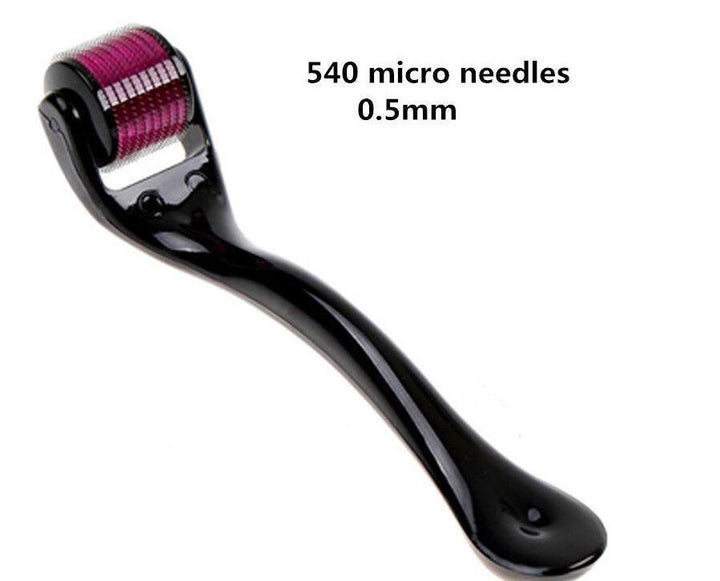
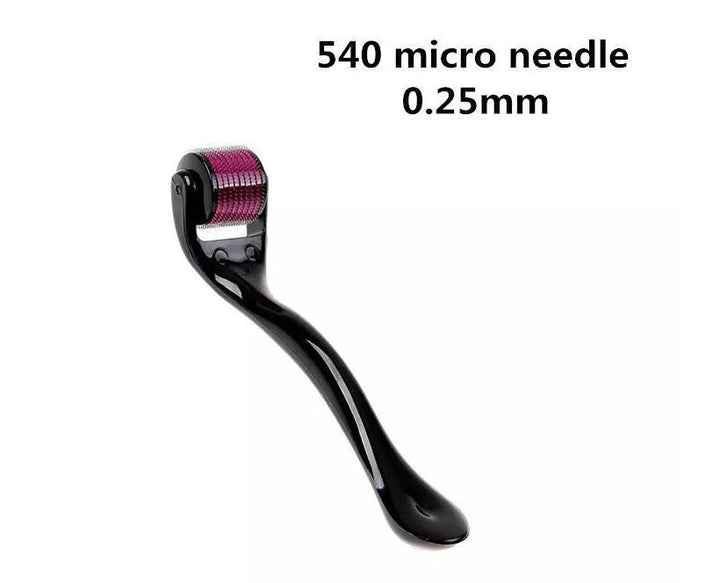

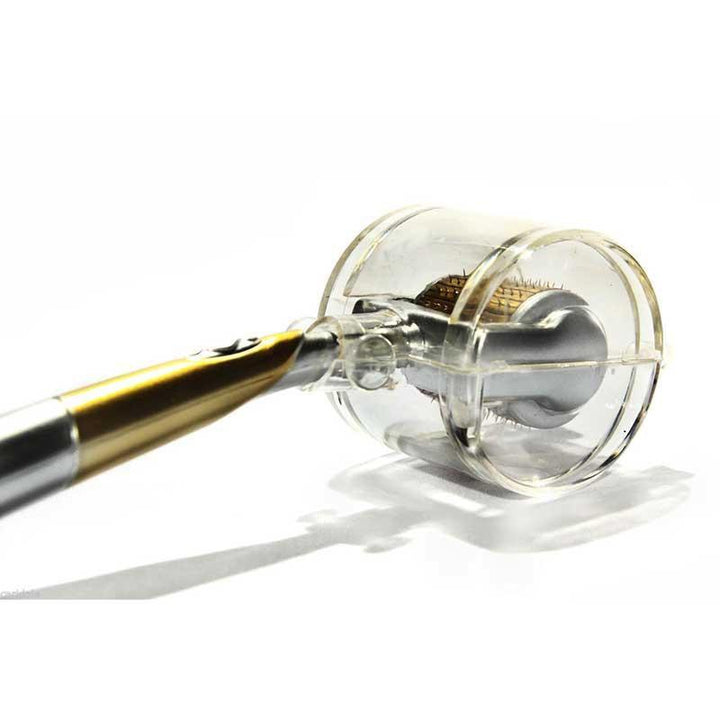
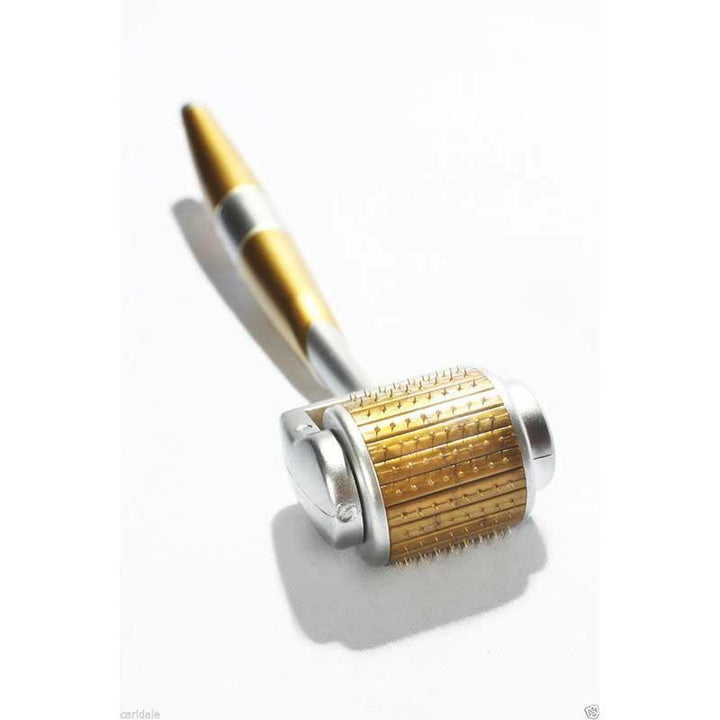
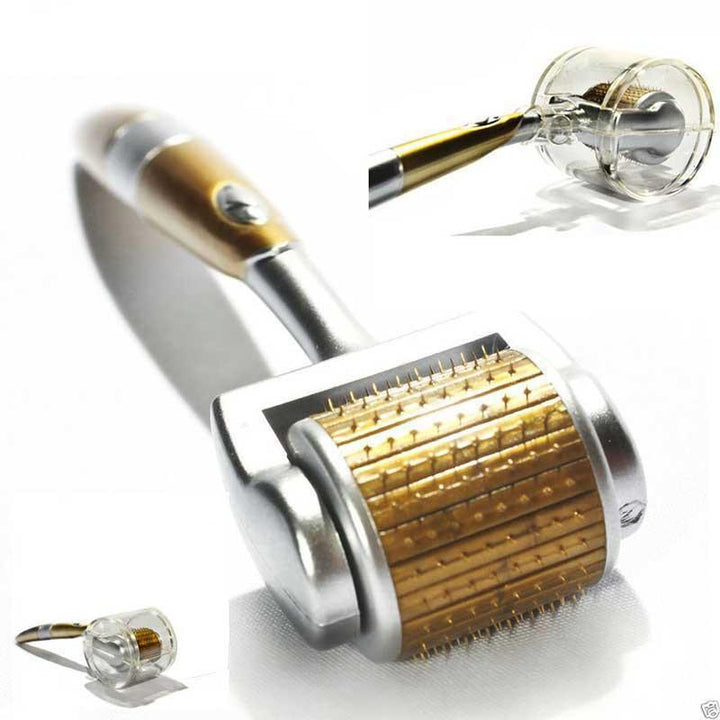

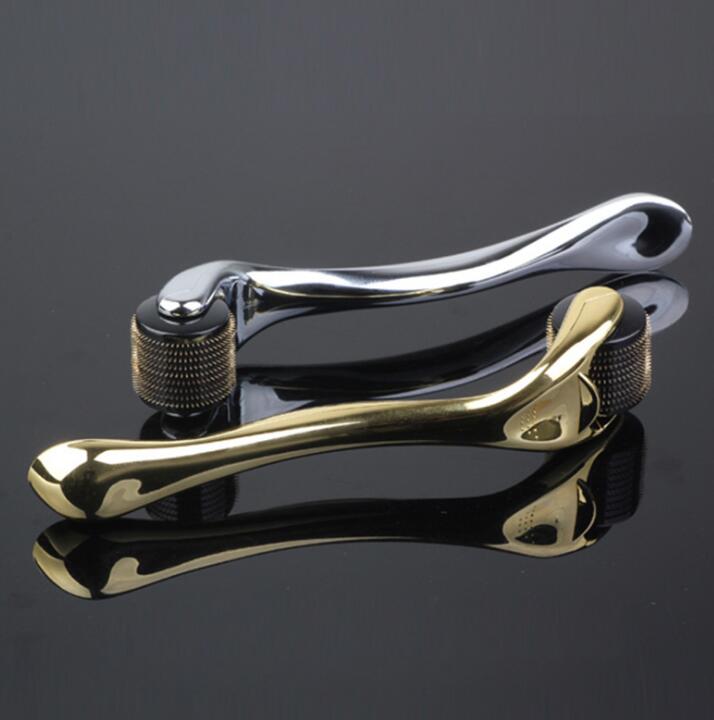
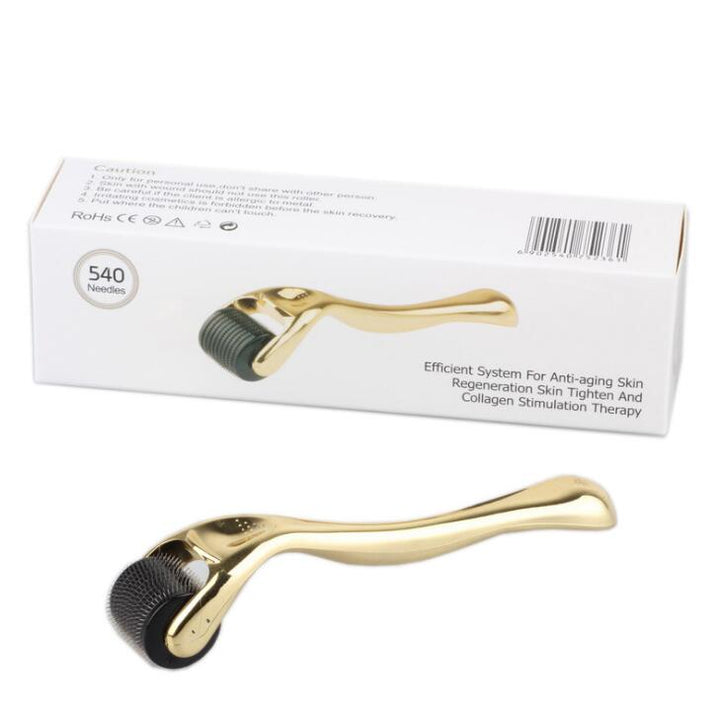
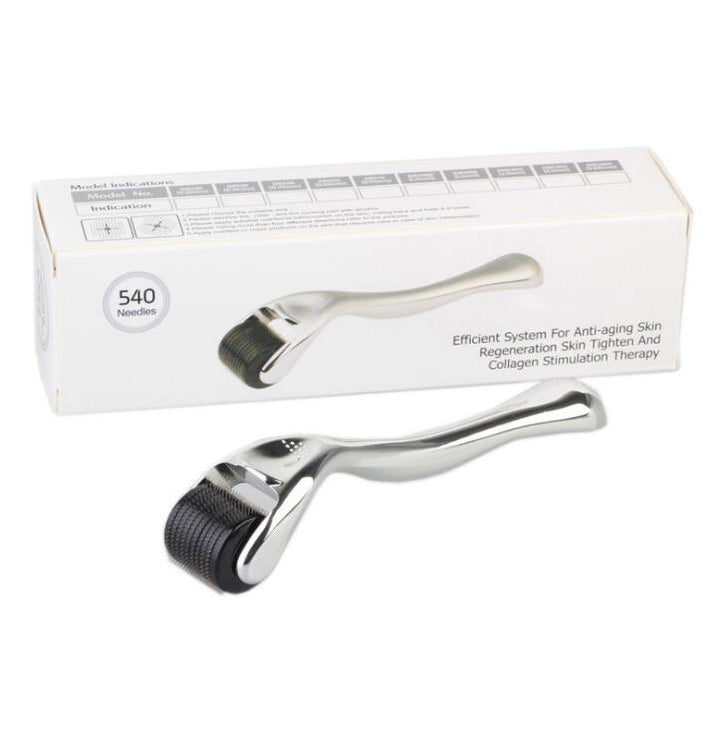

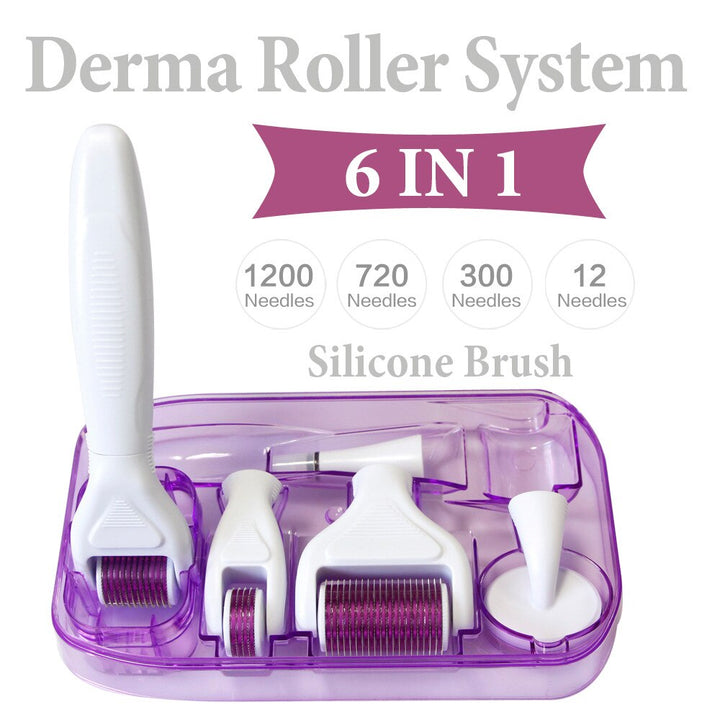
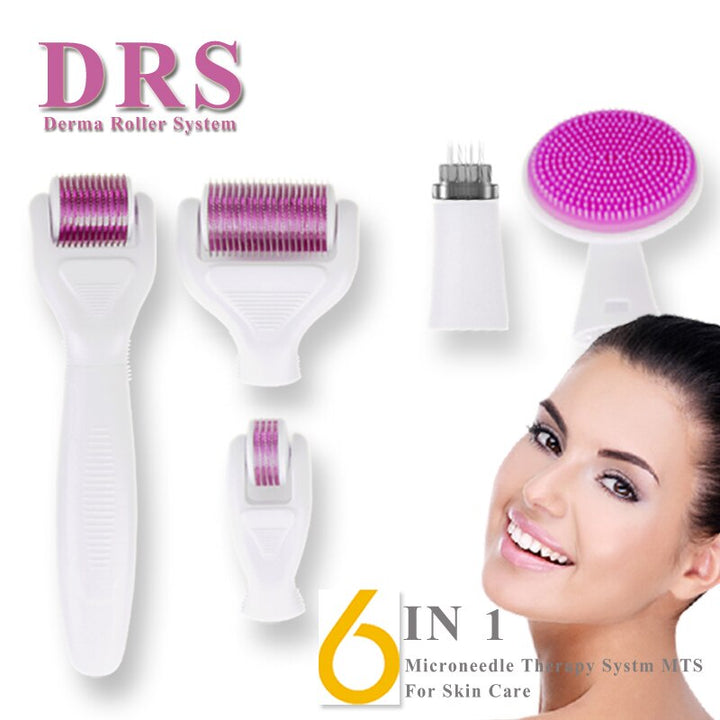
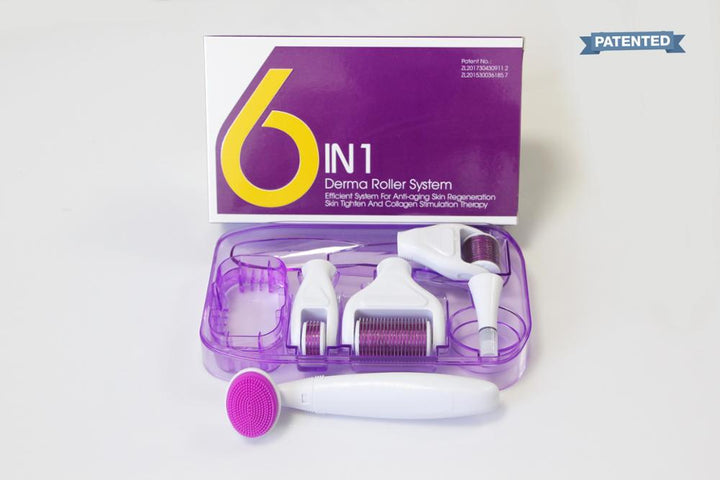

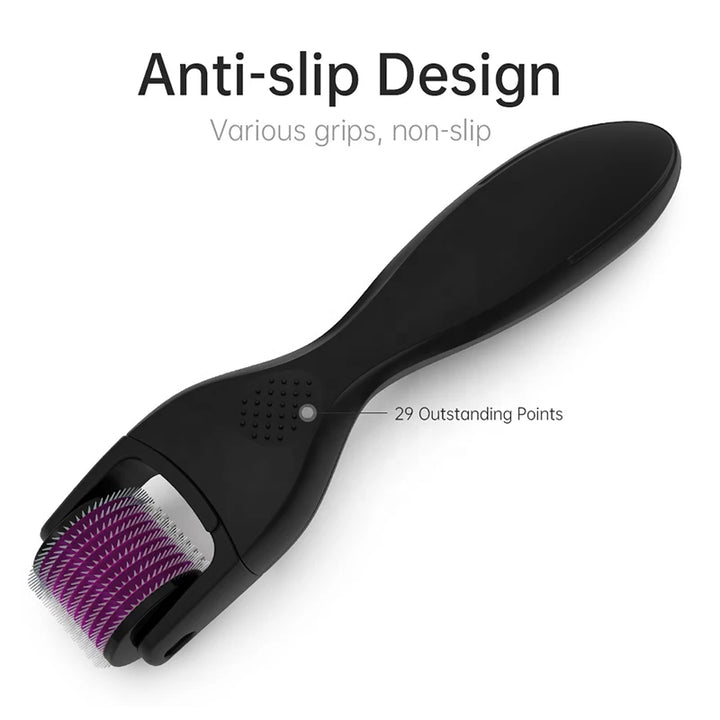
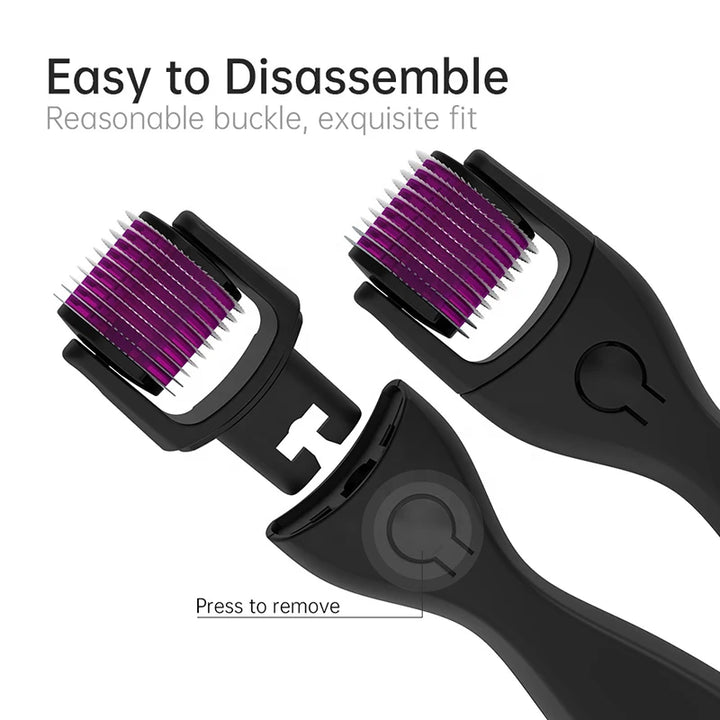
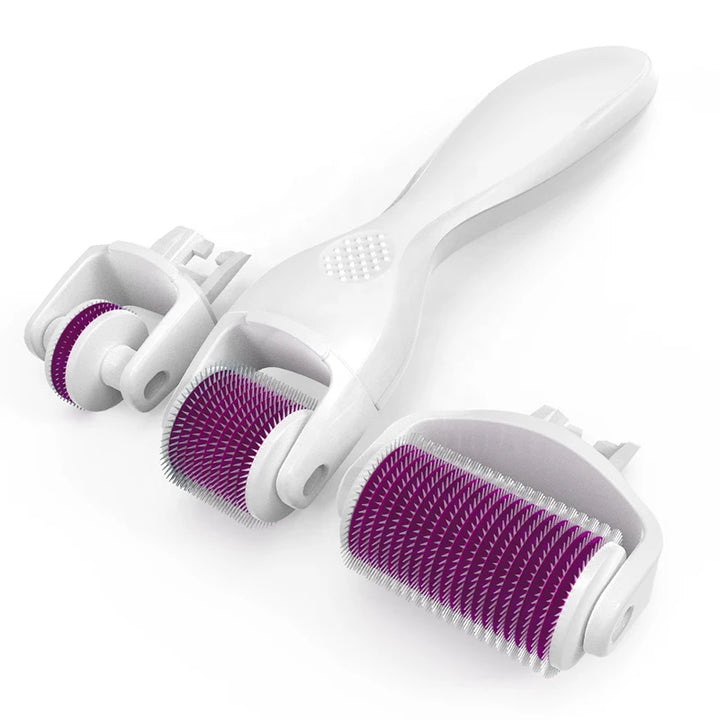

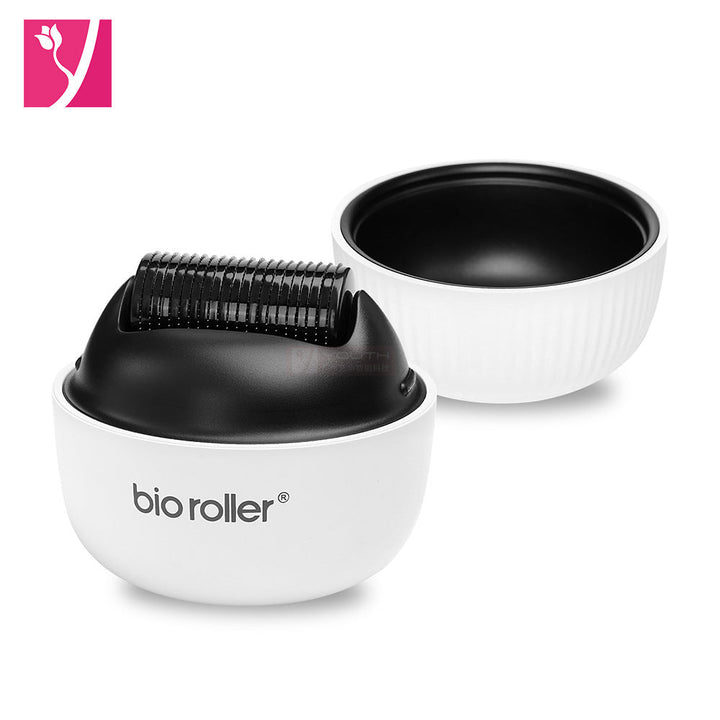

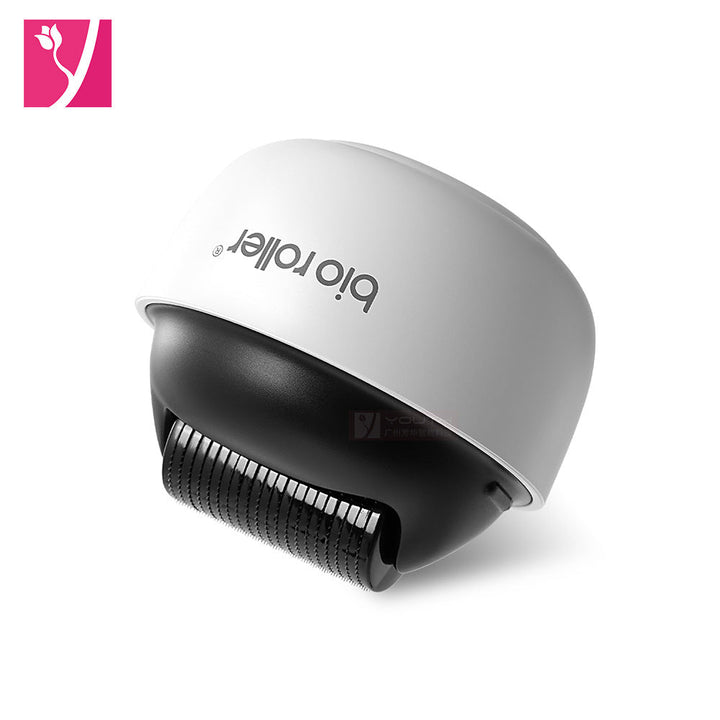

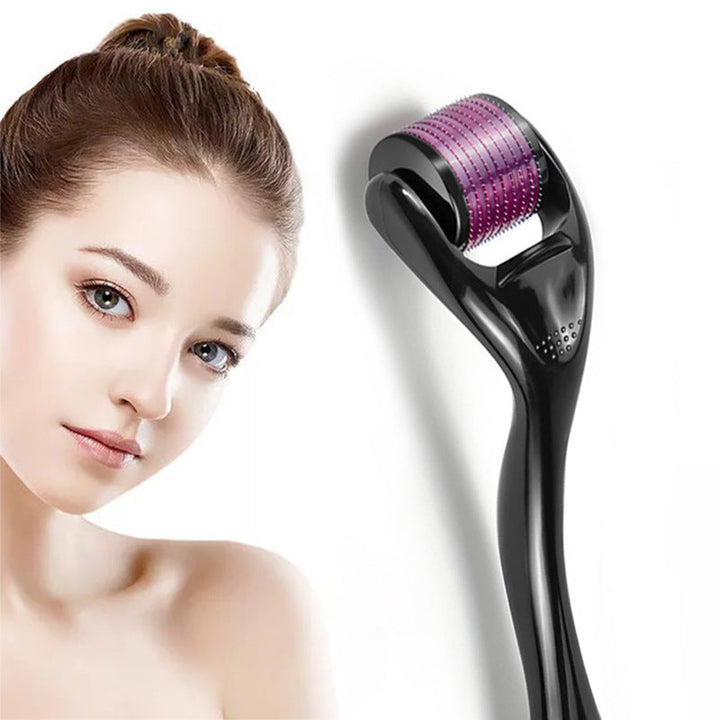

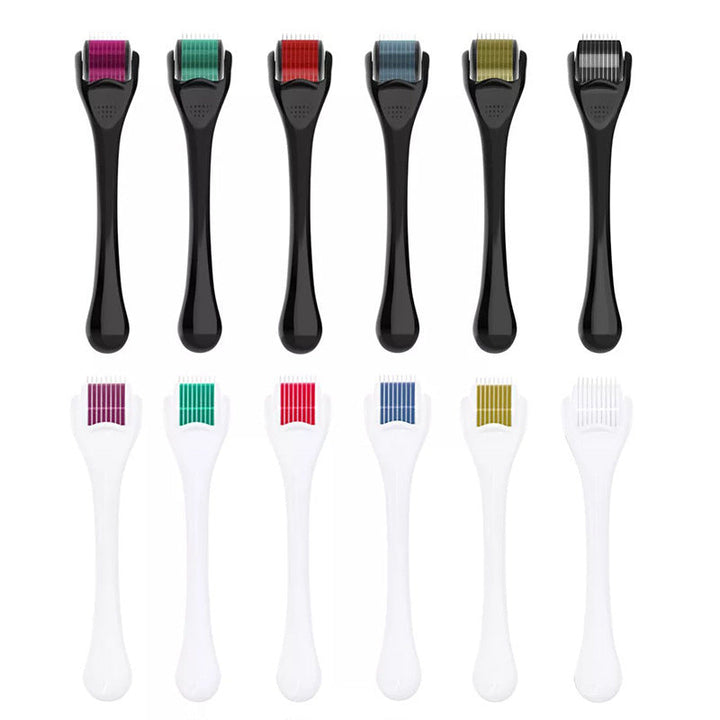
Explore derma rollers and microneedling pens for at-home skincare routines focused on the appearance of texture, fine lines, and thinning-looking hair or beard areas. Choose from compact 192-needle rollers, 540-needle options, multi-head kits, and high-count 1200-needle rollers based on the area, routine, and level of control you want.
How to choose a derma roller for wrinkles or hair growth
Start with the area you want to treat and the routine you can follow consistently. For facial texture and the appearance of fine lines, a 192-needle titanium roller offers a simpler, more targeted format, while 540-needle models provide broader coverage. For scalp or beard areas, look for a roller designed with a larger needle count and an easy-to-grip handle, such as the 1200-needle option in this range. A microneedling kit may suit shoppers who want multiple heads or a coordinated serum step. Before buying, check the product details for needle material, head size, cleaning guidance, storage, and any stated use restrictions. Do not choose based only on needle count; handling, hygiene, and fit for the intended area matter too.
Derma rollers vs microneedling pens: what is the difference?
Derma rollers use a rotating head with multiple fine needles, so they are straightforward for covering small facial areas or selected scalp and beard zones. Microneedling pens use a powered or adjustable head that moves vertically, which can offer more control over coverage and technique, depending on the model. A roller is generally the simpler choice for shoppers building an at-home routine, while a pen-style device may appeal to those who want a more guided format and are comfortable following detailed instructions. These products are not interchangeable with professional procedures. Compare the included accessories, adjustment settings, cleaning process, replacement-head information, and power requirements. If a listing does not clearly explain operation or care, choose a different option rather than guessing.
What should you look for in microneedling derma rollers?
Look for a securely attached head, smooth rotation, a comfortable handle, and clearly stated materials such as titanium. Needle count can help you compare coverage, but it does not by itself determine which roller is best. The 192-needle titanium roller is a focused option, while the 540-needle models are designed for broader facial coverage. A three-head serum kit may be useful if you want to vary the attachment for different parts of your routine. For hair and beard routines, prioritize a design that is easy to move through the intended area without snagging. Also check whether the product includes a case, cleaning accessories, instructions, or replacement parts. Avoid products with bent, uneven, or visibly damaged needles, and inspect the head before every use.
How do you use a microneedle derma roller at home?
Begin with clean, dry skin and clean hands. Follow the product instructions for preparing the roller, then use light pressure and short, controlled passes over a small area rather than repeatedly dragging across the same spot. Keep the roller away from the eyes, lips, broken skin, active irritation, and areas you have been advised not to treat. Do not share the device. After use, clean and store it exactly as directed, allowing it to dry before storage. If using a serum, confirm that it is intended for use with the device and avoid applying products that sting or contain ingredients you have been told to avoid after rolling. Start conservatively and follow the listing’s recommended schedule instead of using a roller more often to chase faster results.
What are common derma rolling mistakes to avoid?
Common mistakes include using too much pressure, rolling over irritated or damaged skin, skipping cleaning, and sharing a roller with another person. Do not use a blunt, bent, or dropped head, and do not keep rolling until the skin feels sore. Applying strong exfoliating products, fragranced formulas, or other potentially irritating skincare immediately afterward may be uncomfortable, so keep the post-use routine simple and follow the product guidance. Avoid sun exposure and use suitable sun protection as part of normal aftercare. Do not roll over spider veins or other vascular concerns without professional advice. Finally, do not assume that a higher needle count, more frequent sessions, or a “professional” label guarantees better results; technique, hygiene, and suitability are more important.
Who should use an at-home derma roller?
At-home derma rollers may suit shoppers who want a simple tool for a personal skincare routine focused on the appearance of uneven texture, fine lines, or hair and beard areas. They can also suit people who prefer a manual device over a powered pen or want a kit with multiple heads. They are not suitable for every skin concern or every person. Avoid using one on open wounds, active irritation, infections, or areas with unexplained changes. If you have a skin condition, take medicines that affect healing or bleeding, are considering treatment over spider veins, or are unsure whether your target area is appropriate, ask a qualified healthcare professional first. Choose a product with clear instructions and realistic expectations; at-home tools cannot promise to remove years from your face or guarantee hair growth.
Frequently asked questions
Are derma rollers as effective as microneedling?
Derma rollers are one type of at-home microneedling tool, while professional microneedling uses equipment and techniques that may differ from home devices. Results vary by product, technique, skin, and the concern being addressed, so a roller should not be assumed to match a professional treatment. Follow the device instructions and seek professional advice for persistent or significant concerns.
Can I microneedle my spider veins?
Do not roll over spider veins without first speaking with a qualified healthcare professional. Spider veins are vascular concerns, and an at-home roller is not a suitable substitute for an assessment or treatment plan. Keep the device on areas that the product instructions specifically allow.
Do microneedle rollers actually work?
A microneedle roller may support the appearance-focused skincare routine described by its manufacturer, but results are not guaranteed and vary between users. Needle count alone does not predict the outcome. Careful technique, clean handling, suitable aftercare, and realistic expectations are important.
How often should you use a microneedle derma roller?
Use the schedule stated in the product instructions, since recommended frequency can vary by device and intended area. Do not roll again while the skin is irritated or uncomfortable, and do not increase frequency to try to accelerate results. When instructions are unclear, contact the seller or ask a qualified professional before use.
What should you not do after derma rolling?
Avoid rubbing, picking, or applying products that sting or may irritate the skin immediately afterward. Follow the product’s cleaning and aftercare directions, limit avoidable sun exposure, and use suitable sun protection as part of normal skincare. Do not share the roller or use it again until the device and skin are ready according to the instructions.
How many years can microneedling take off your face?
There is no reliable number of years that microneedling can remove from someone’s appearance. Results depend on the person, the device, the concern, and the routine, and at-home products cannot promise a particular age-reversing effect. Treat claims about dramatic changes cautiously and focus on the product’s instructions and intended use.