Microneedling Pen: Wireless Dermapen & Microneedle Device
5 products
Shop microneedling tools for at-home skincare, including wireless pens, targeted stamps, derma rollers, and multi-use facial devices. Compare needle formats, control features, cleaning needs, and intended use so you can choose a device that fits your routine while following the product instructions carefully.
How to choose a microneedling pen for home use
Start by deciding whether you want adjustable coverage or a focused tool. A microneedling pen is suited to controlled movement across larger facial areas, while the 20-Pin Microneedling Stamp is designed for targeted facial skincare. A derma roller can cover broad areas with a rolling motion, but it requires consistent pressure and direction. Check whether the device offers different speed or depth settings, and choose the lowest suitable setting when beginning. Consider grip, cordless operation, replacement heads, and how easily each part can be cleaned. If you are comparing microneedling at home with microneedling near me, remember that home devices and professional services may differ in equipment, technique, and guidance. Read the instructions before purchase and avoid choosing based only on microneedling before and after images.
Microneedling devices compared: pen, stamp, roller, and 7-in-1
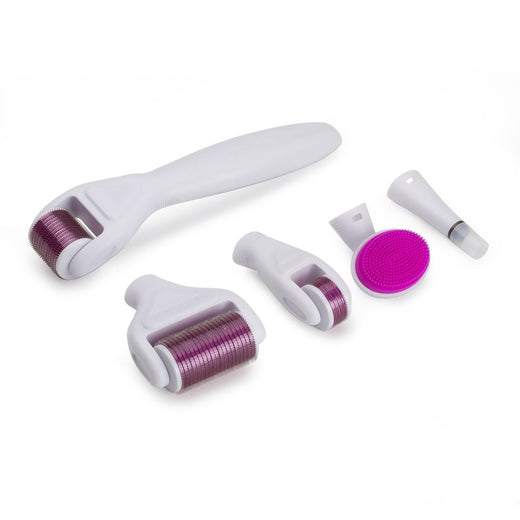
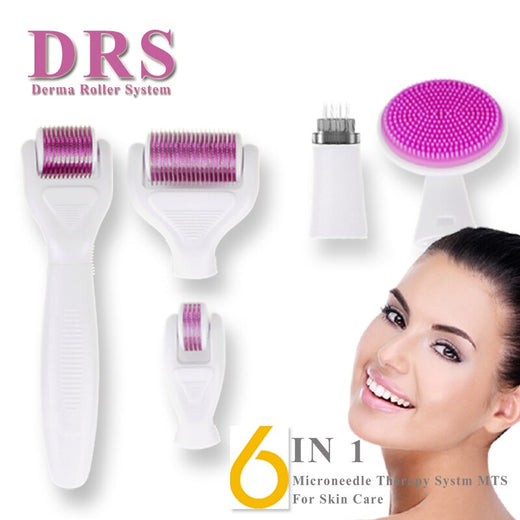
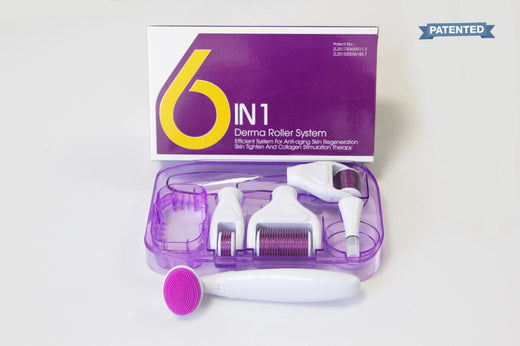
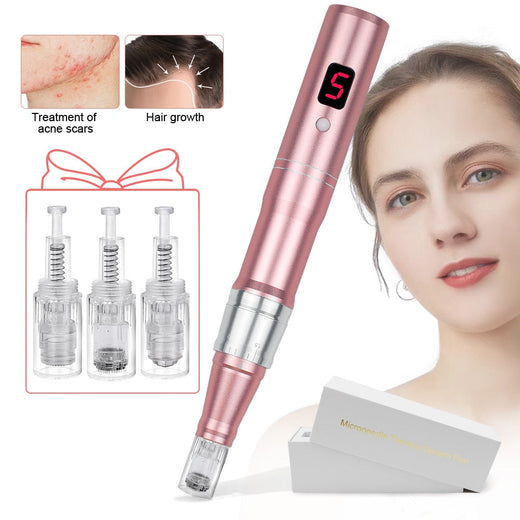
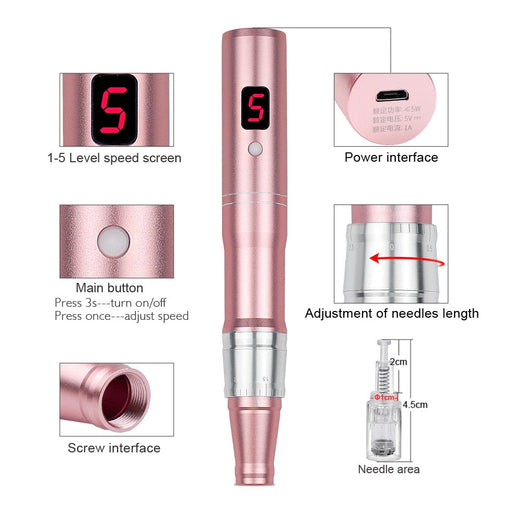
Microneedling pens use a powered tip and are useful when you want a guided path across the skin. The 20-Pin Microneedling Stamp places a compact pin area against selected spots, making it practical for targeted facial skincare. A derma roller uses a rotating head and may suit shoppers who prefer a simple manual format. The 7-in-1 Facial Skincare Device combines several at-home care functions, so check its included attachments and instructions to confirm whether its microneedling function matches your needs. The IPL Hair Removal Device is not a microneedling tool; it belongs in a separate hair-removal routine. Compare contact surfaces, handling, cleaning, and replacement-part availability rather than assuming every device delivers the same experience.
What to look for in a microneedling device
Look for clear instructions covering setup, compatible areas, cleaning, storage, and replacement parts. A wireless microneedling pen can be easier to handle without a cable, while a stable grip helps you keep movements controlled. Adjustable speed or depth can make it easier to start conservatively, but more settings do not automatically make a device better. Check whether cartridges or heads are intended for single use or reusable use, and follow the stated hygiene instructions. A protective case, charging cable, head covers, and straightforward controls are useful extras. For shoppers considering microneedling hair, verify that the specific product instructions allow that area; facial devices should not automatically be assumed suitable for the scalp. Avoid products with vague specifications or unclear cleaning guidance.
How to use a microneedling pen at home
Read the complete instructions before the first session and prepare a clean, uncluttered surface. Cleanse the intended area as directed, wash your hands, and prepare the device or cartridge according to the product guidance. Use light, controlled passes without dragging, pressing hard, or repeatedly working the same spot. Avoid the eye area, lips, broken skin, active irritation, and any areas excluded by the instructions. Do not share a pen, stamp, roller, or cartridge. After use, follow the stated cleaning and storage steps, and dispose of single-use parts as directed. Keep the routine simple afterward and avoid adding products that the instructions do not recommend. Stop if you experience unexpected or persistent discomfort and seek appropriate professional advice.
What are common microneedling mistakes and side effects?
Common mistakes include using too much pressure, choosing an unnecessarily intense setting, rushing across the skin, or failing to clean the device correctly. Reusing a part labeled for single use, sharing equipment, and treating irritated or broken skin can also create avoidable hygiene and comfort concerns. Temporary redness, sensitivity, or mild irritation may occur, but the product instructions should explain what to expect for that device. Do not use a microneedling tool over active skin problems or in areas restricted by the manufacturer. Be cautious with products applied immediately afterward, especially fragranced or exfoliating formulas, unless the instructions specifically allow them. If you have a skin condition, take medication, or are unsure whether the device is appropriate, ask a qualified healthcare professional before using it.
Who is at-home microneedling suitable for?
At-home microneedling may suit adults who want a structured skincare tool and are prepared to follow cleaning, storage, and usage instructions closely. Age alone does not determine suitability; someone asking whether 40 is too old should consider skin condition, sensitivity, expectations, and professional guidance rather than a fixed age rule. It may not be suitable for everyone, including people with irritated, broken, or actively inflamed skin, or those advised to avoid this type of device. Set realistic expectations: product pages and before-and-after photos cannot predict your individual outcome, and one session may not produce a noticeable change. If your goal is microneedling hair, acne-scar care, or another specific concern, confirm that the product is intended for that area and consider professional advice first.
Frequently asked questions
What does microneedling actually do?
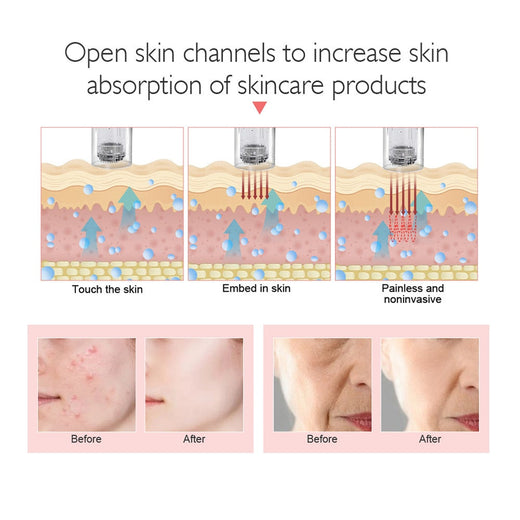
Microneedling devices make controlled contact with the skin using a pen, stamp, or roller with fine pins. In skincare routines, shoppers use them to support the look and feel of the skin, but results vary by device, technique, skin type, and consistency. Follow the product instructions and avoid treating it as a guaranteed solution for scars, lines, or hair concerns.
What is negative about microneedling?
Potential downsides include temporary redness, sensitivity, discomfort, irritation, and the need for careful cleaning and storage. Incorrect pressure, unsuitable settings, sharing devices, or using them on irritated skin can increase avoidable risks. Read the instructions and ask a qualified healthcare professional if you are unsure whether at-home microneedling suits you.
How much does microneedling typically cost?
The cost depends on whether you buy an at-home device or book a professional service, as well as the device type and any replacement parts or repeat appointments. At-home options in this category include a pen, stamp, roller, and multi-use facial device, each with different included features. Compare the total ownership cost rather than only the initial price.
How long do microneedling results last?
There is no single timeframe that applies to every person or device. The appearance and duration of any result can vary with the concern being treated, product design, technique, skin response, and ongoing skincare. Follow the recommended use schedule and do not increase frequency or intensity to try to extend results.
Is 40 too old for microneedling?
No fixed age determines whether someone can use an at-home microneedling device. At 40, suitability still depends on skin condition, sensitivity, health factors, expectations, and the product instructions. Avoid use on restricted areas and seek professional advice if you have concerns about your skin or medication.
Is one session of microneedling worth it?
One session may help you assess how a device feels and whether it fits your routine, but it may not create a noticeable or lasting change. Results and comfort vary, and repeated use should follow the manufacturer's schedule rather than personal guesswork. Consider the device's hygiene requirements, replacement costs, and your specific goal before buying.