Comedone Extractor & Pimple Popper Tools for Clear Skin
10 items
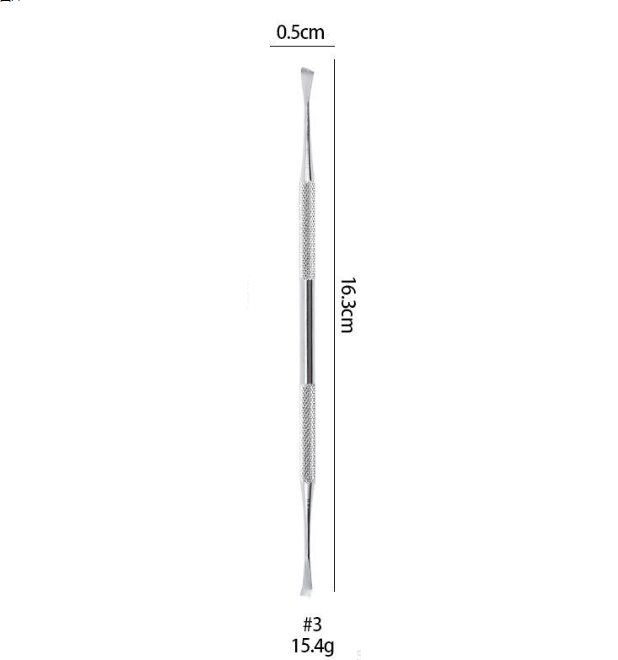
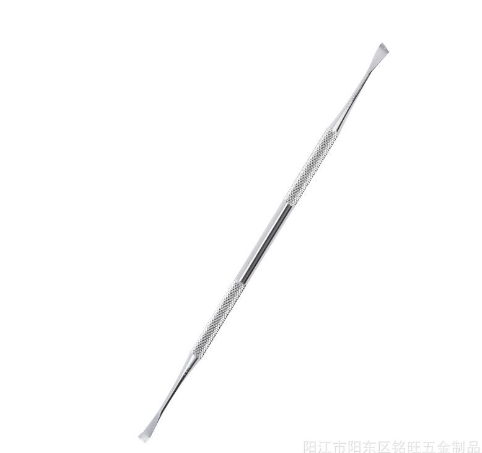


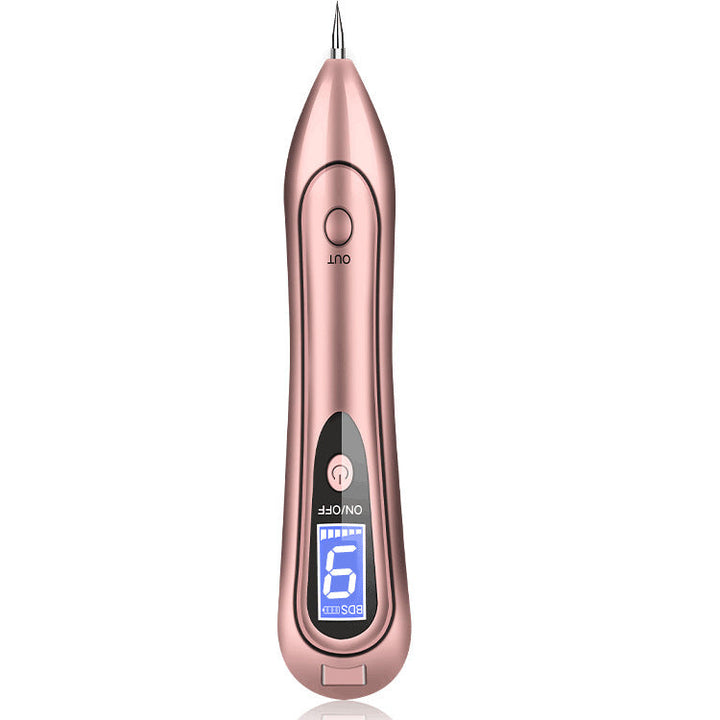


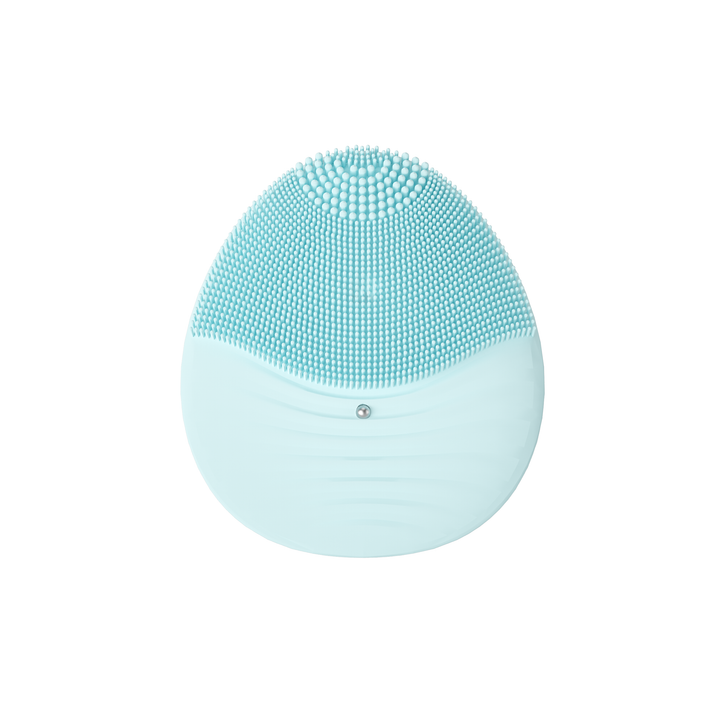
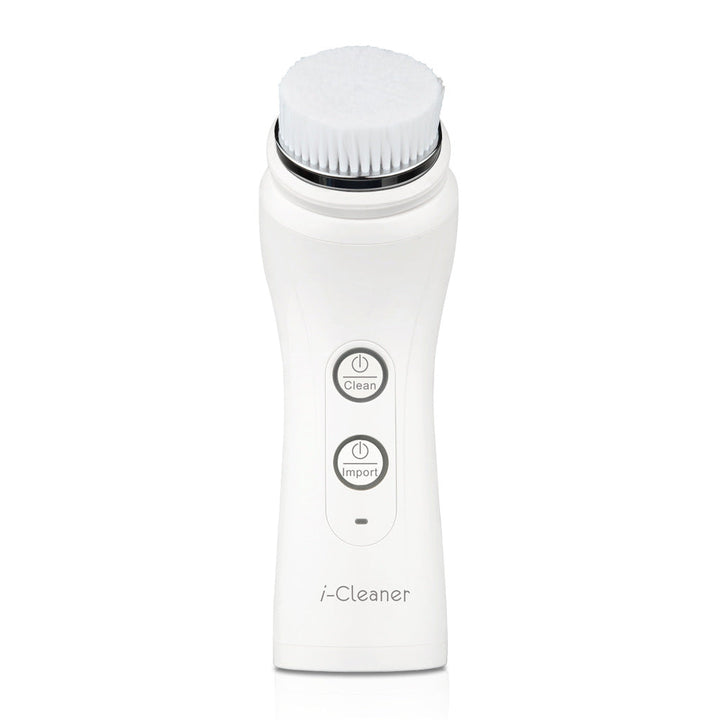



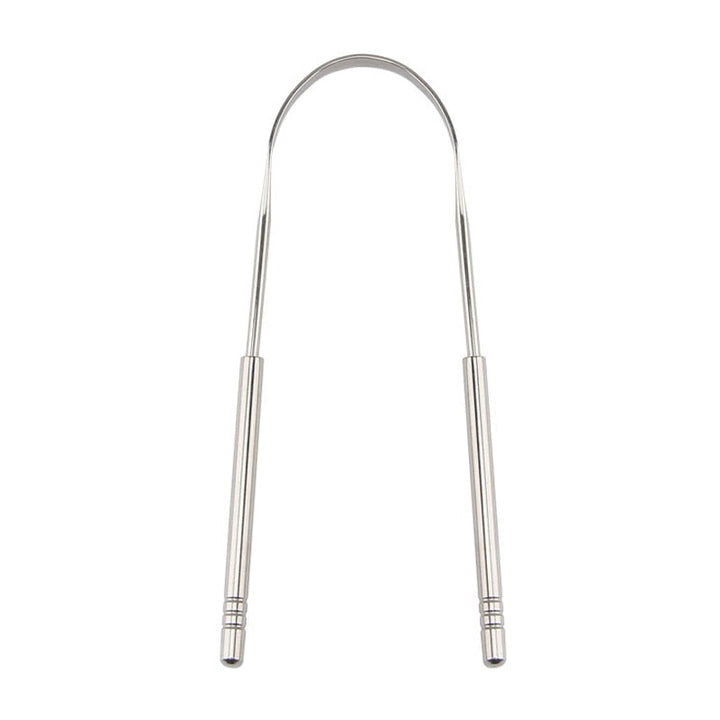
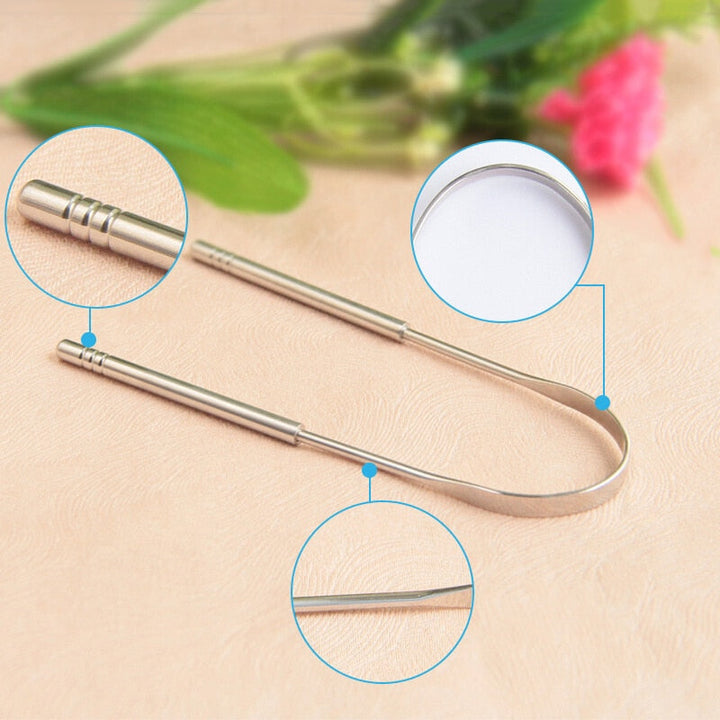

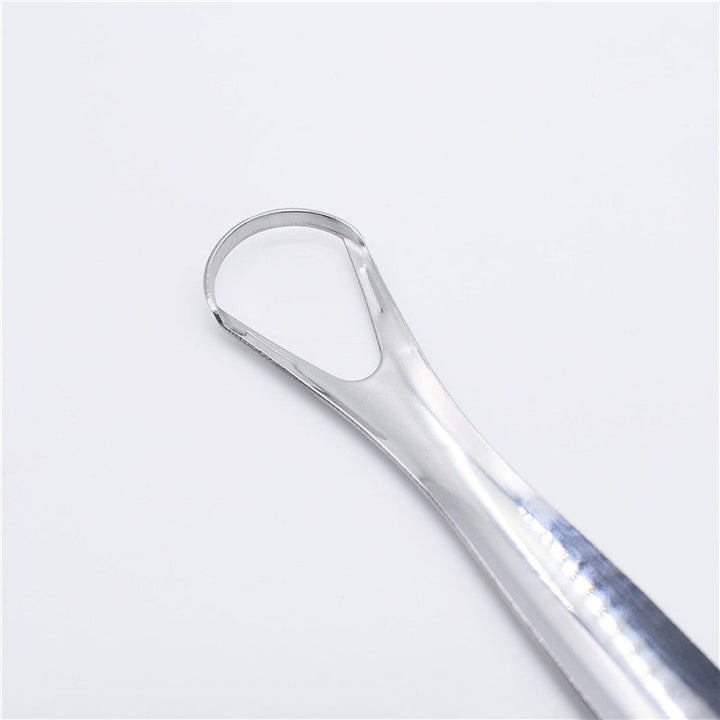
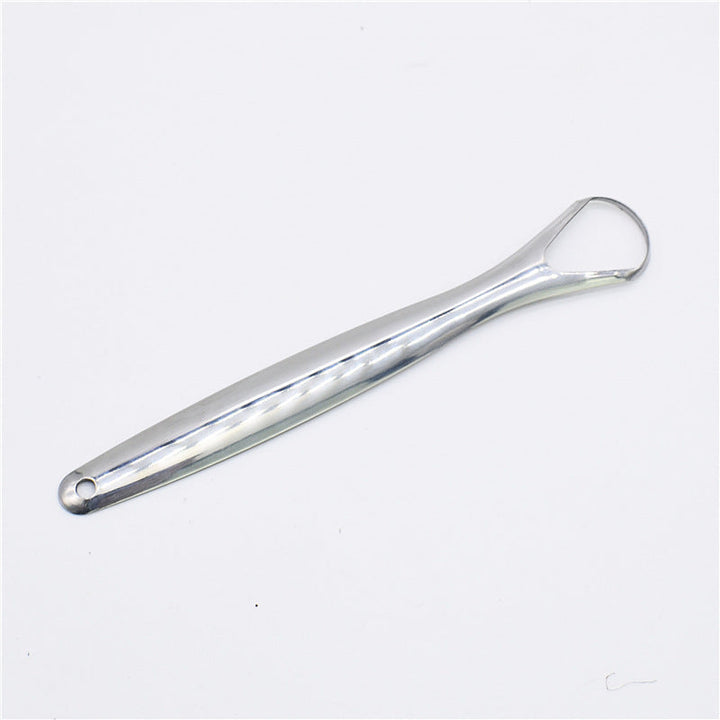
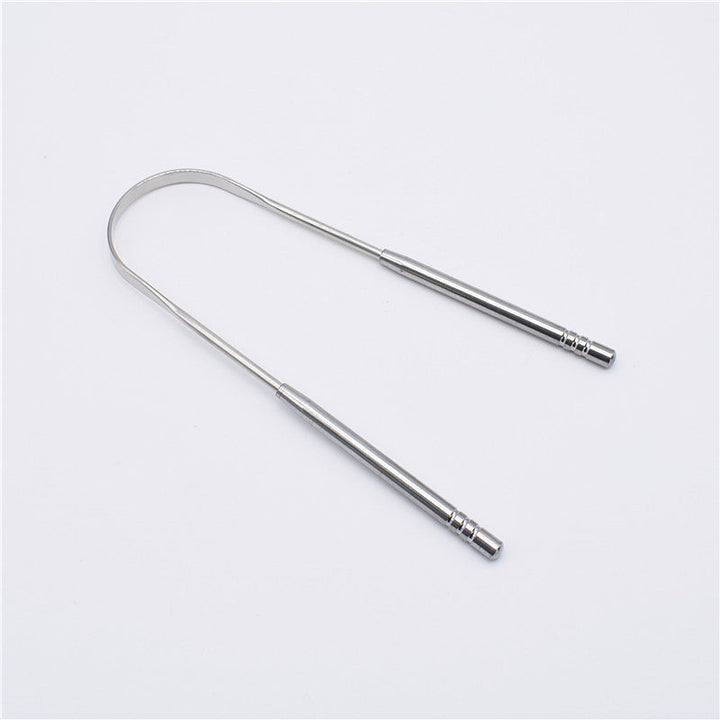

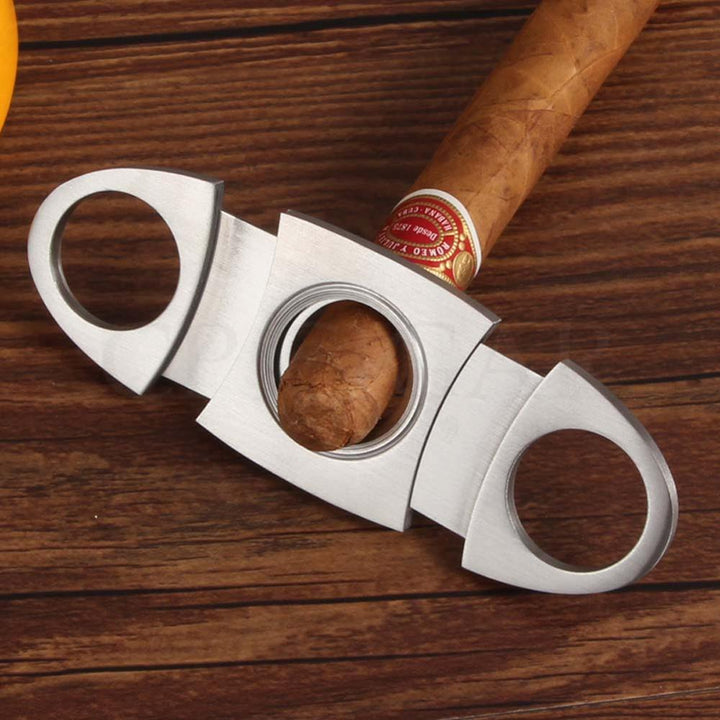
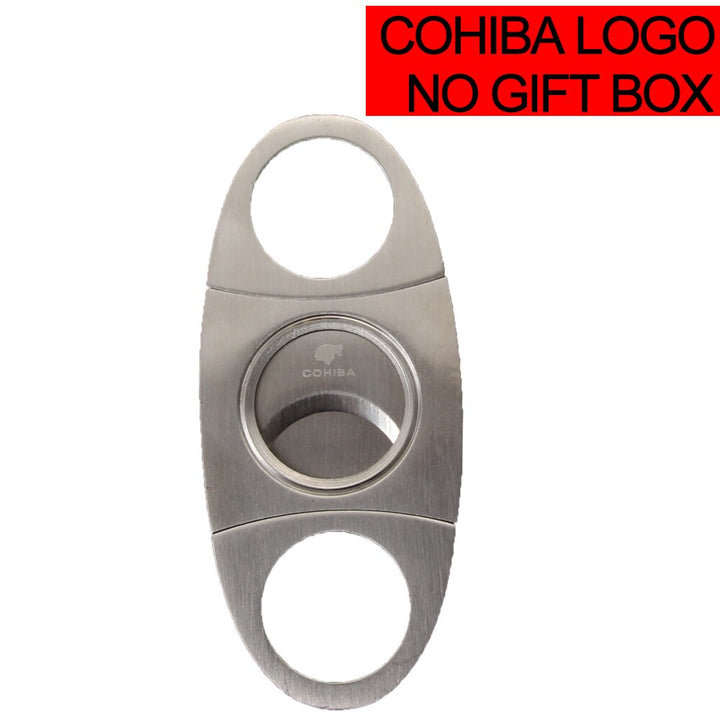

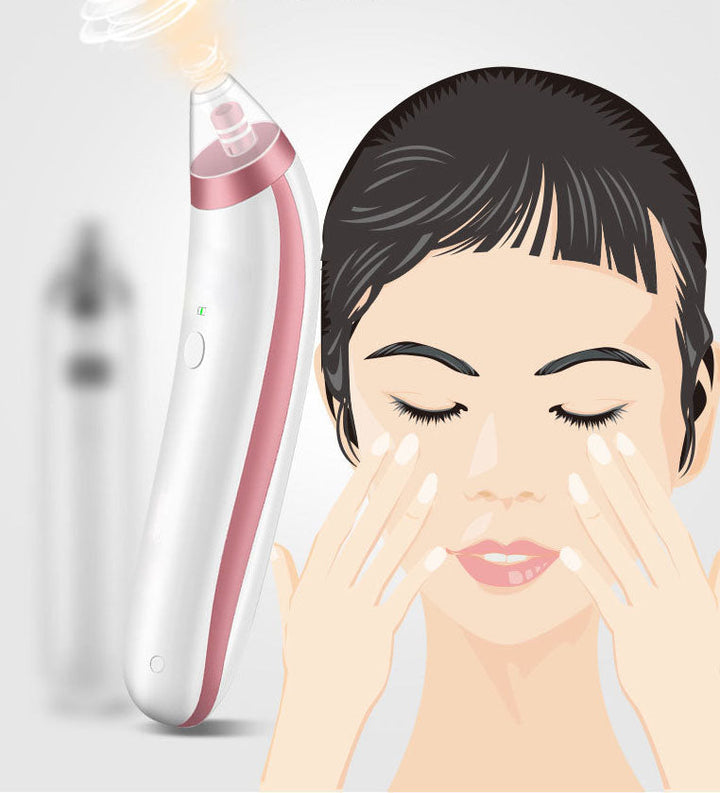
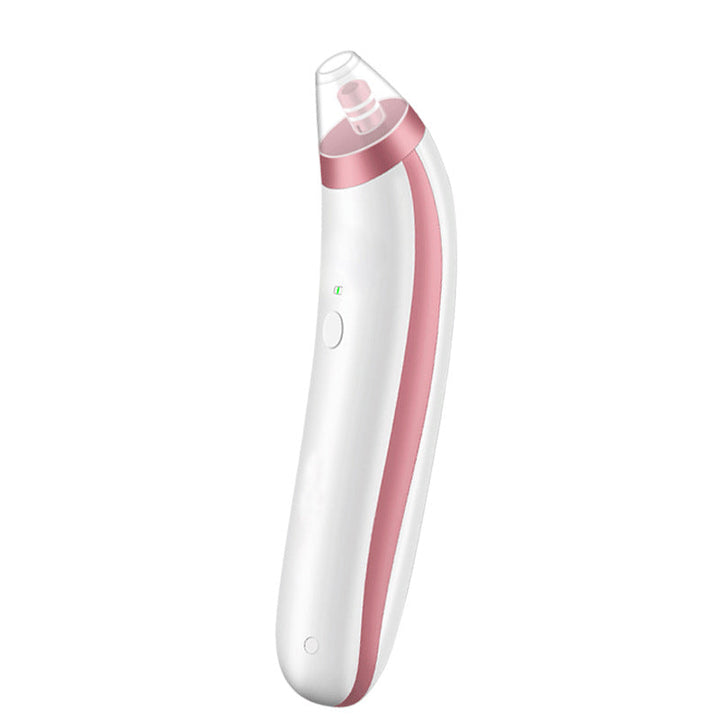
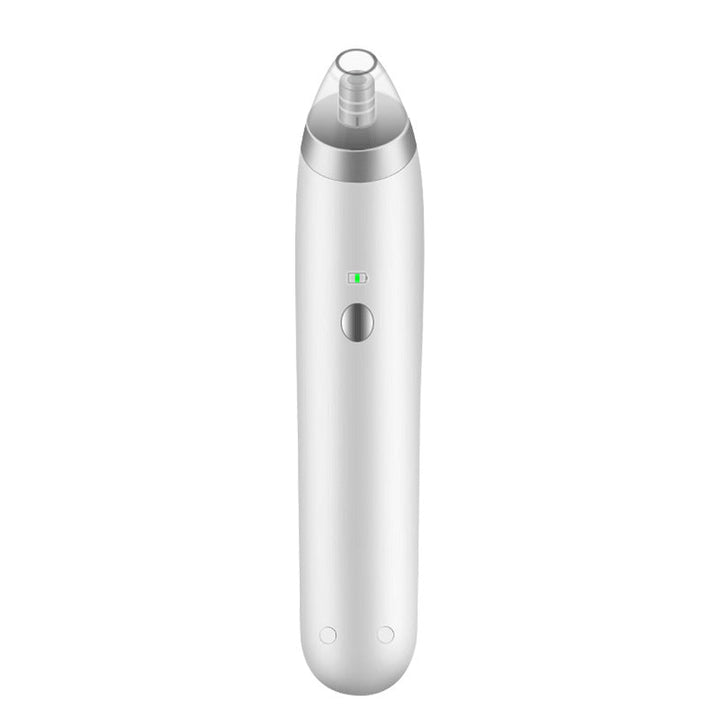

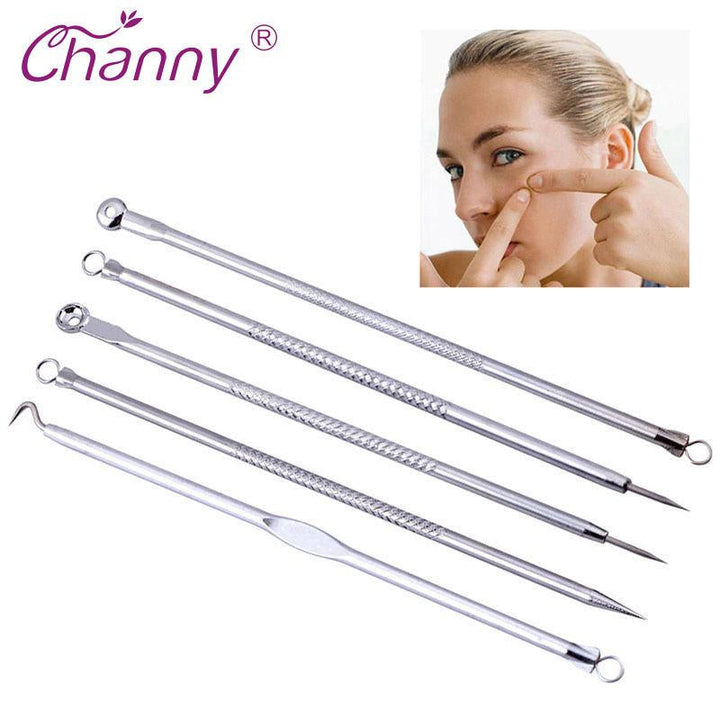
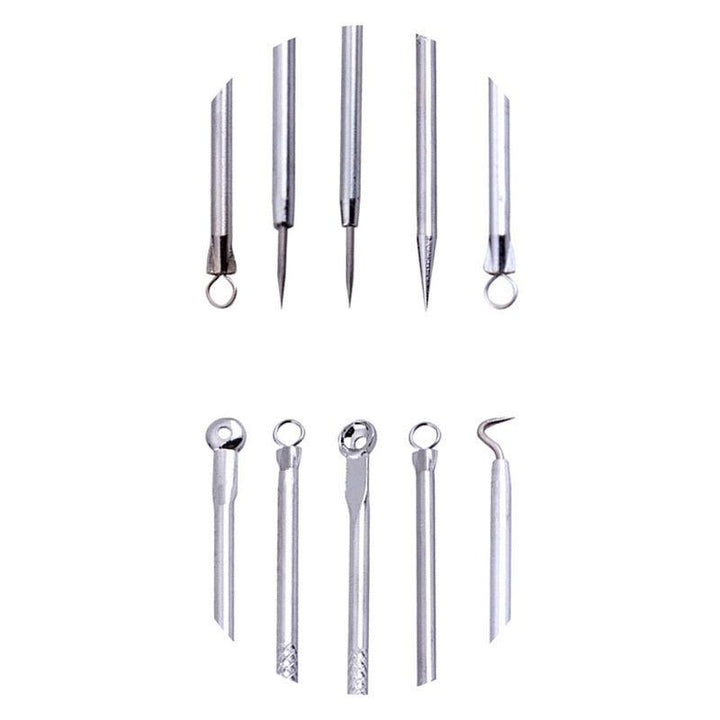
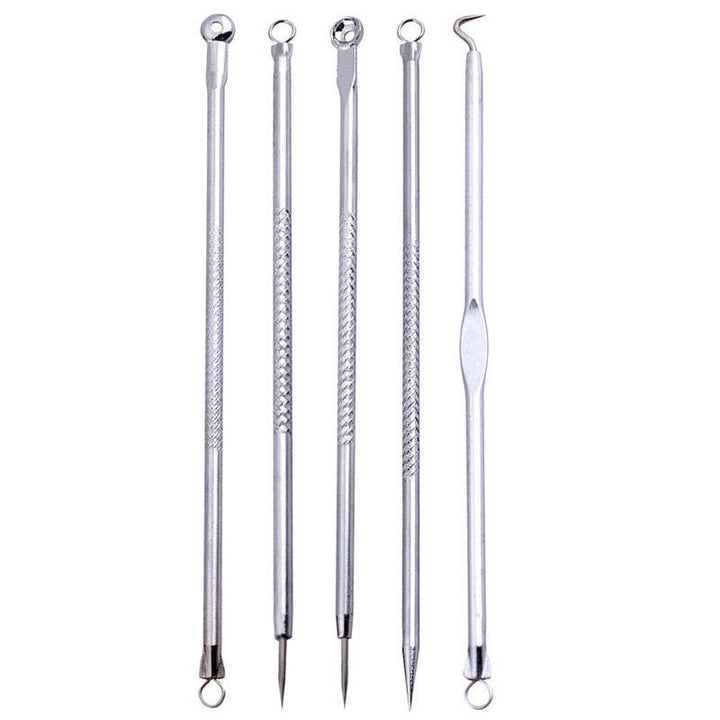

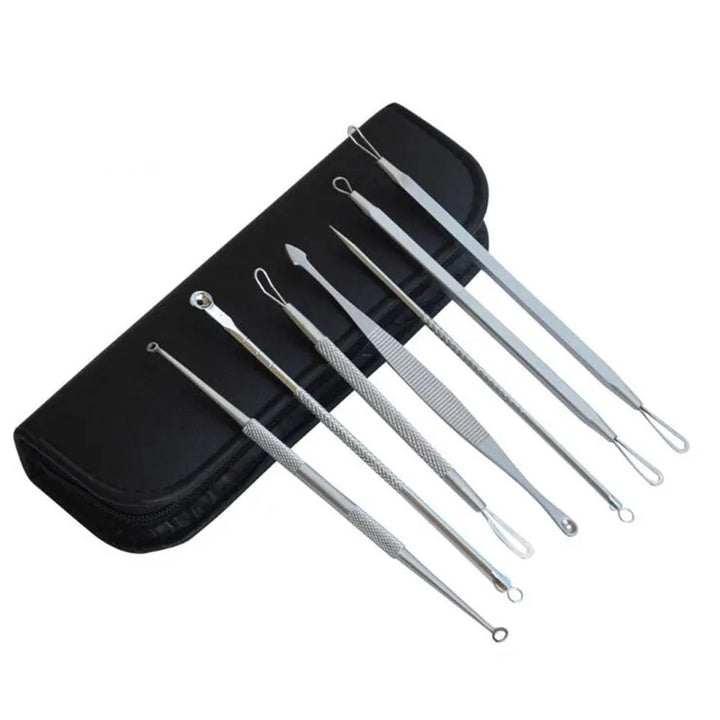
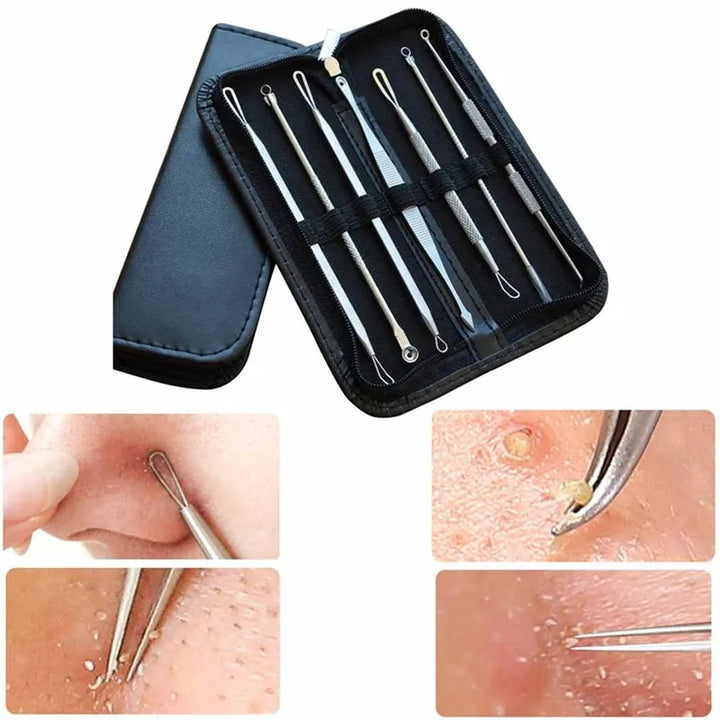
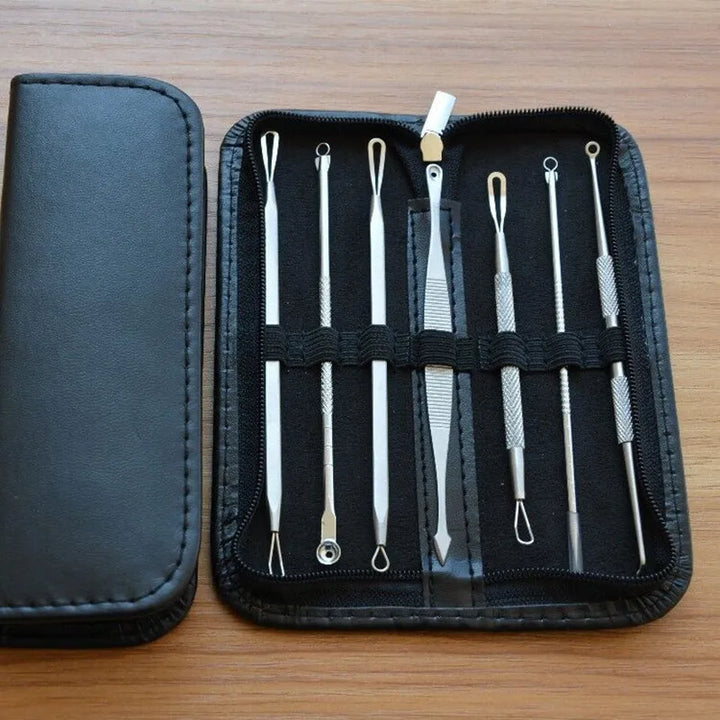
Acne removal tools can help with targeted skin-care routines, especially when you want a dedicated blackhead removal tool for the nose or a compact extraction kit. Compare manual extractors, electric pore cleaners, and cleansing brushes carefully, and choose tools designed for facial use rather than repurposed accessories.
How to choose acne removal tools
Start by identifying the type of tool you actually need. A stainless steel blackhead extraction kit suits shoppers who want manual loops and precision ends for visible, surface-level blemishes. A 7-piece pimple extractor set offers more shapes for different areas, while an electric pore cleaner uses suction and needs adjustable settings and a suitable facial tip. A sonic cleansing brush is better for cleansing than direct extraction. Look for clear product instructions, smooth construction, comfortable handling, and easy cleaning. If you are searching for the best blackhead remover tool for your nose, prioritize a narrow, controlled tip rather than the largest kit. Avoid treating every item in a mixed category as an acne tool: tongue scrapers, cigar cutters, and skin tag or mole removal pens are not substitutes for facial extraction equipment.
Which pimple popping tools are best for different needs
Manual comedone extractors provide the most direct control and are easy to store in a small case. They commonly include loops, spoons, or pointed ends, so a multi-piece kit can be useful if you want to compare shapes. Electric pore cleaners are designed for suction and may appeal to shoppers who prefer a powered device, but they require careful movement and the lowest comfortable setting first. Sonic cleansing brushes help remove surface debris with cleanser; they are not the same as pimple popping tools and should not be used to press on blemishes. A pimple popper tool with a needle may look precise, but pointed ends require extra caution and should never be forced into skin. Choose the tool type that matches your routine, comfort level, and cleaning habits.
What to look for in a blackhead removal kit
For a reusable kit, inspect the material, finish, included shapes, and storage options. Stainless steel tools are practical when they have smooth, well-finished edges and handles that do not slip easily. Loops should sit evenly against the skin instead of having sharp, uneven rims. A precision set may include smaller ends for the nose and larger loops for broader areas, but more pieces do not automatically mean better results. Read the listing for cleaning guidance and check whether a case or protective caps are included. For powered models, compare tip sizes, control settings, charging details, and whether replacement parts are available. Product photos can help you see the design, but instructions matter just as much when choosing a best pimple popping kit.
How to use pimple popping tools more carefully
Wash your hands, cleanse the face, and clean the tool before and after use according to the product instructions. Use manual loops with light, even pressure around a visible surface blemish; do not dig, scrape, or keep pressing when nothing releases easily. With an electric pore cleaner, begin on the lowest suitable setting, keep the nozzle moving, and avoid holding suction in one spot. A cleansing brush should be used with cleanser and gentle passes, not as a substitute for extraction. Do not share facial tools, and store them dry in a clean case. Stop if the area becomes painful, irritated, or visibly damaged. For instructional blackhead removal videos, favor demonstrations that show cleaning, gentle technique, and when to stop rather than aggressive pimple popping.
What mistakes should you avoid with acne extraction tools
One common mistake is treating every bump as a blackhead that should be extracted. Pressing on deep, painful, irritated, or unready blemishes can make the area more uncomfortable and may leave temporary marks. Another is using a needle or sharp point as though it were a general-purpose tool; precision ends are not a reason to puncture or force the skin. Avoid repeated passes with suction, since stronger or longer use is not automatically better. Unclean tools, shared kits, and damp storage can also undermine a hygienic routine. Do not use a cigar cutter, tongue scraper, or skin tag and mole removal pen on facial acne. If a product listing does not clearly explain its intended use, cleaning, or operating instructions, choose a more clearly specified alternative.
Who are pimple popping and pore-cleaning tools suited for
These tools may suit adults who want a structured, at-home way to handle occasional visible blackheads or support a cleansing routine. Manual kits are useful for shoppers who prefer no batteries and want several tool shapes, while electric pore cleaners suit those who prefer powered operation and adjustable suction. Sonic brushes are aimed at surface cleansing rather than spot extraction. They are less suitable for anyone who finds extraction difficult to control, has easily irritated skin, or is unsure which type of blemish they are seeing. They are also not a replacement for professional advice about persistent or severe skin concerns. Parents should review age guidance before buying for younger users. The safest choice is the tool you can clean, hold steadily, and use gently as directed.
Frequently asked questions
What is the best tool to remove acne?
There is no single best tool for every blemish or routine. A stainless steel loop extractor may suit a visible surface blackhead, while a cleansing brush is intended for washing and an electric pore cleaner uses suction. Choose based on the tool's stated purpose, controls, cleaning requirements, and your ability to use it gently.
What is the best acne extraction tool?
For manual extraction, look for a smooth stainless steel tool with a stable handle, well-finished loops, and clear instructions. A multi-piece set can provide different sizes, but the number of pieces is less important than control and correct use. Avoid forcing an extraction or using pointed ends to puncture the skin.
Do acne suction tools work?
Suction devices can help lift surface debris for some users, but results vary by device, setting, skin, and technique. More suction is not automatically better, so start with the lowest suitable setting and keep the nozzle moving. Follow the product instructions and stop if the skin becomes uncomfortable or irritated.
What kills acne quickly?
No extraction tool can promise that acne will clear quickly. Popping, scraping, or repeatedly using suction may irritate the area rather than solve the problem. For persistent, painful, or worsening breakouts, consider asking a qualified skin-care professional for guidance instead of relying on a tool alone.
What is the number one cause of acne?
Acne can have multiple contributing factors, and there is not one universal cause for every person. Oil, dead skin buildup, irritation, hormones, and other factors may play a role. An extractor can address a visible surface comedone but does not identify or resolve the underlying reason for recurring breakouts.
How do Koreans clear acne?
There is no single Korean method that clears acne for everyone. Korean skin-care routines often emphasize gentle cleansing, hydration, sun protection, and consistent product use, but routines should be chosen for individual skin needs. Extraction tools are optional and should be used sparingly, hygienically, and according to their instructions.