Acne Serum for Pimple Scars & Red Skin Patch Treatment
22 items
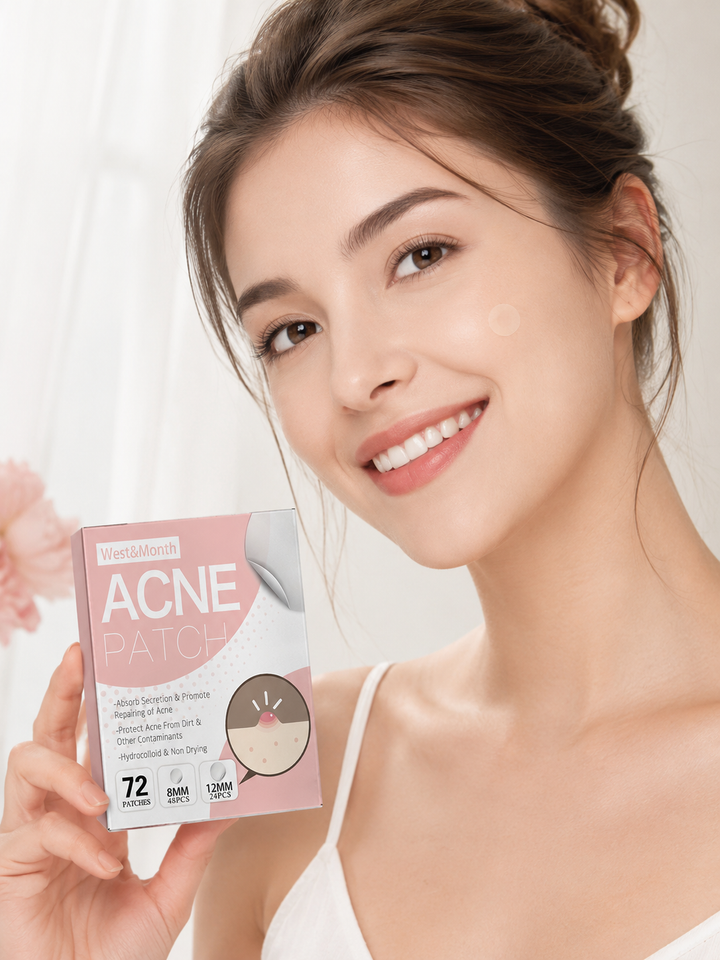
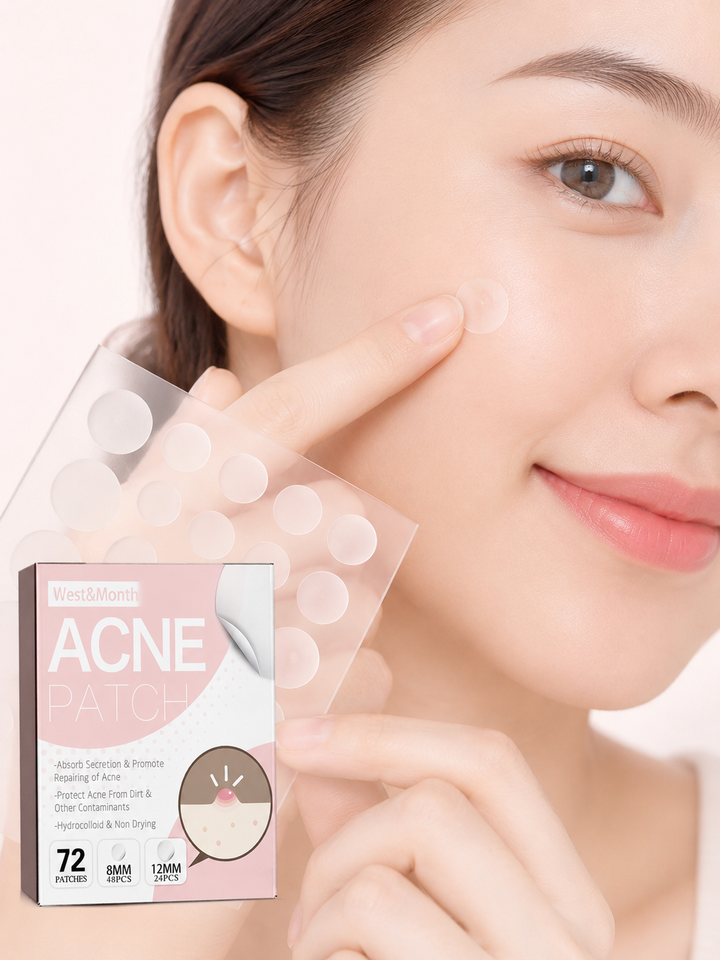
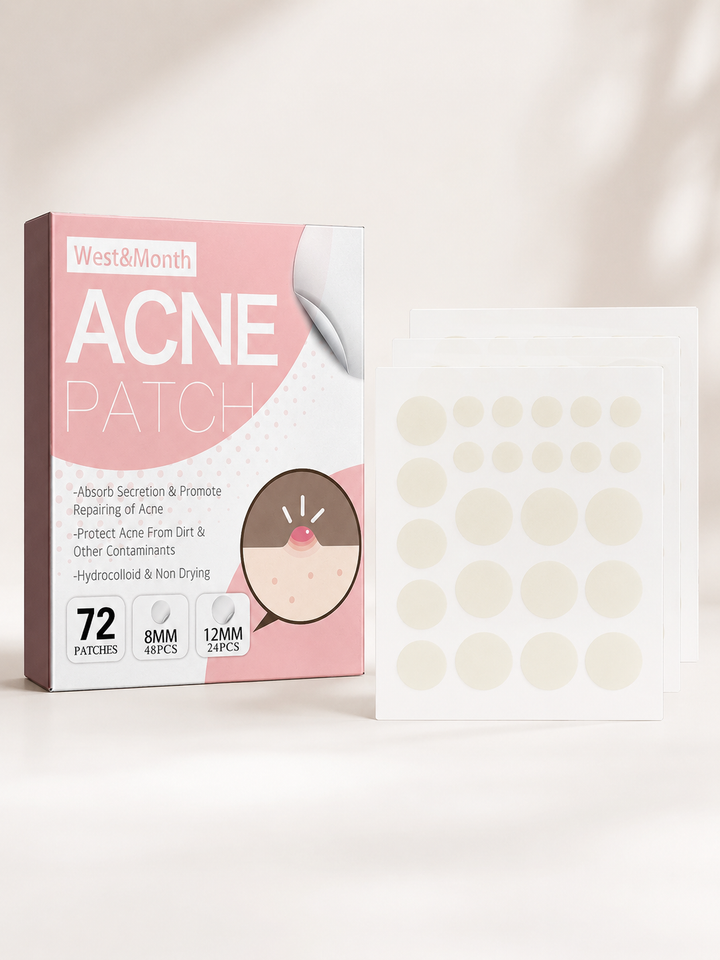

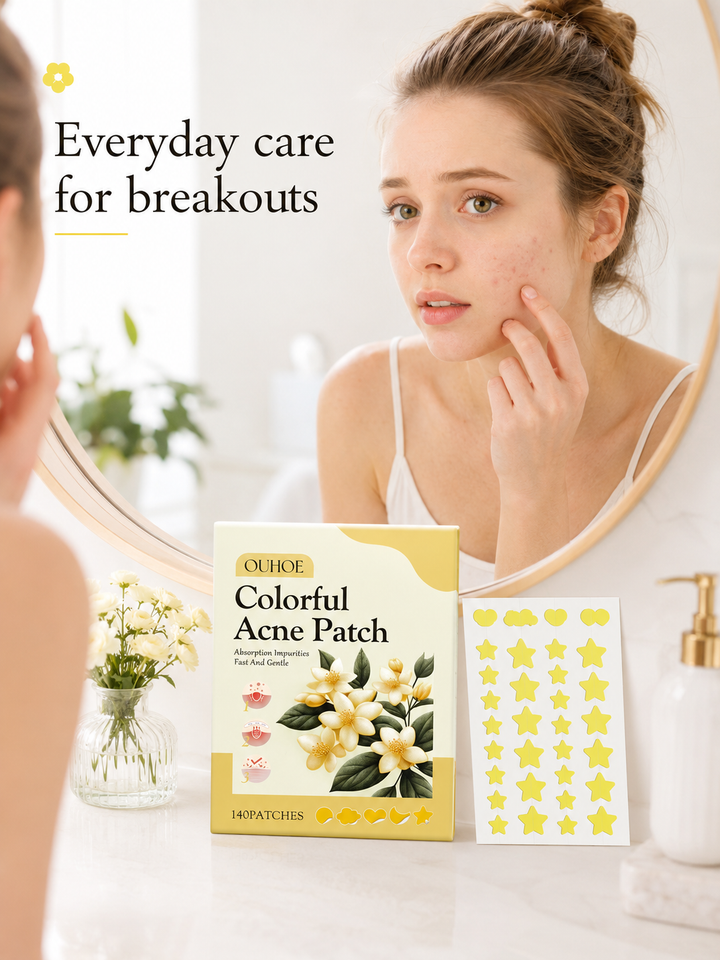
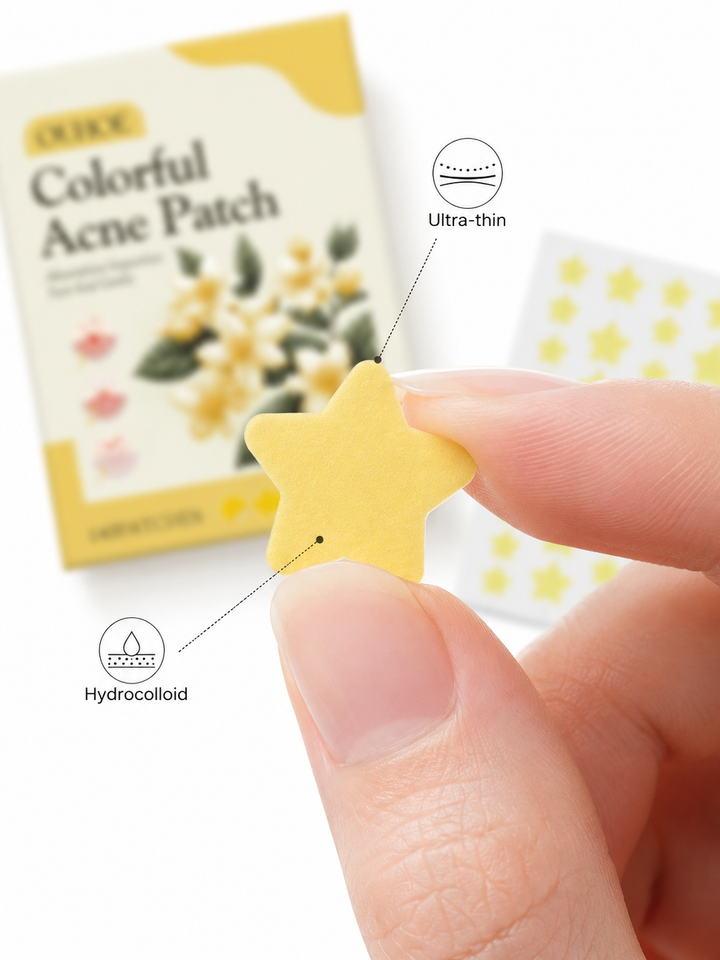
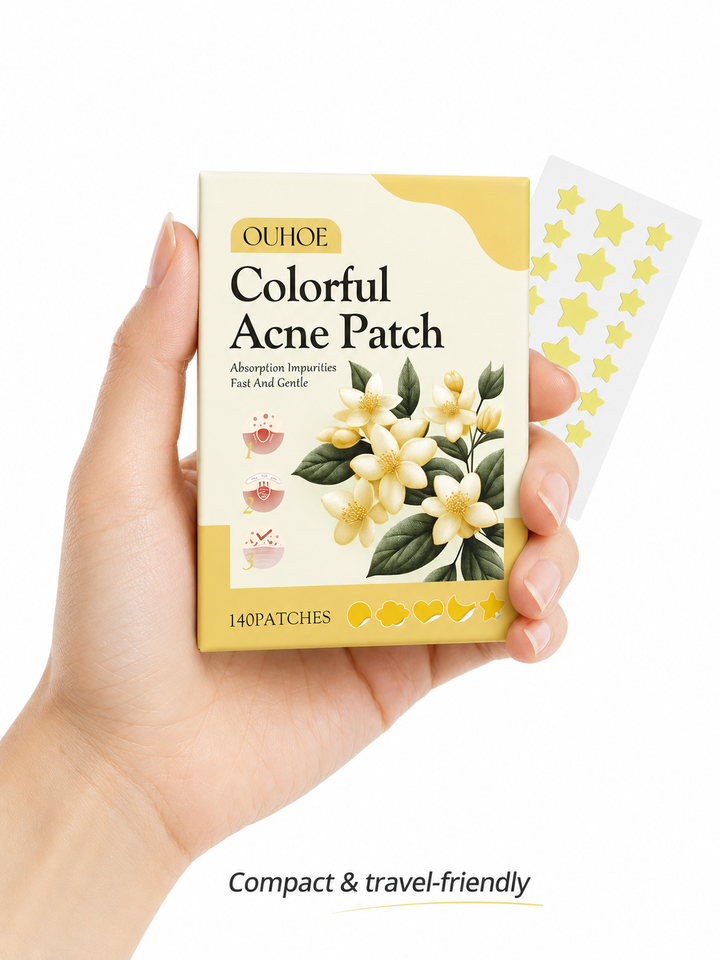

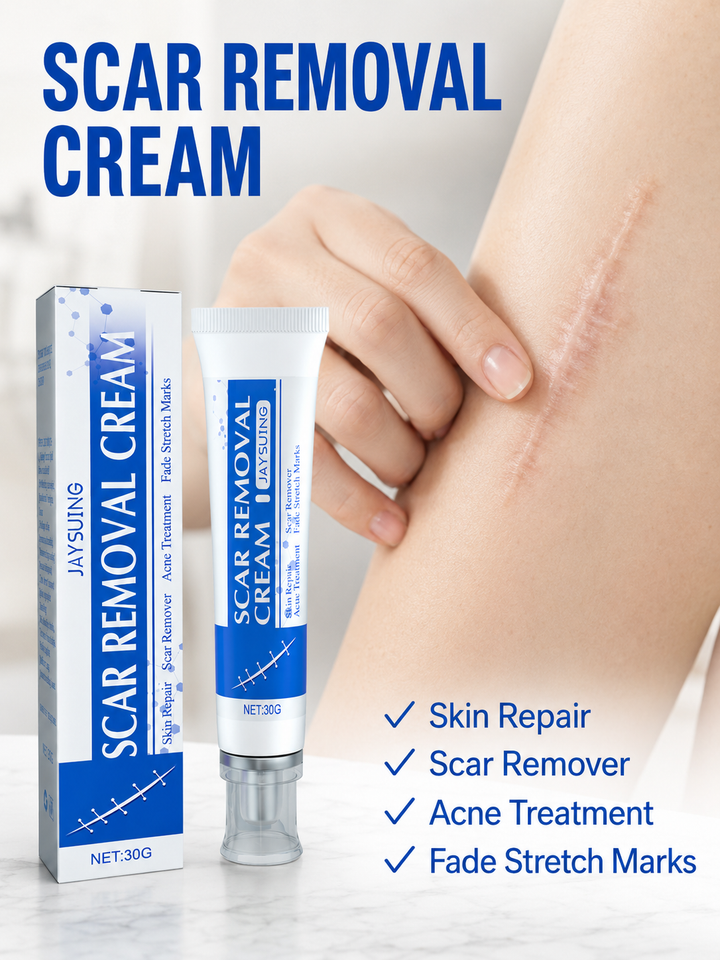
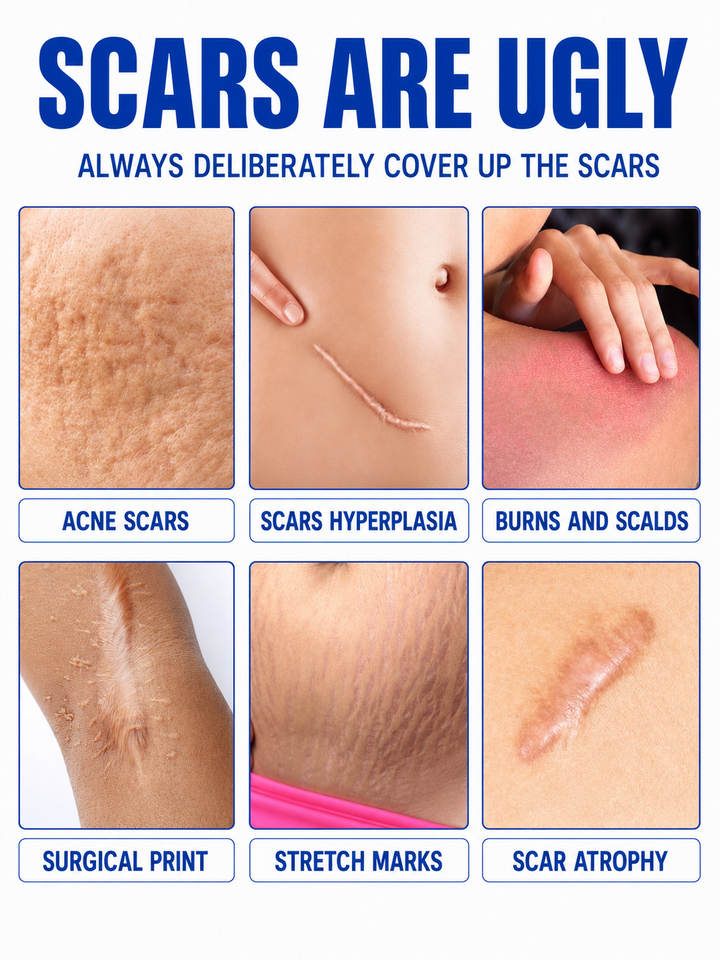
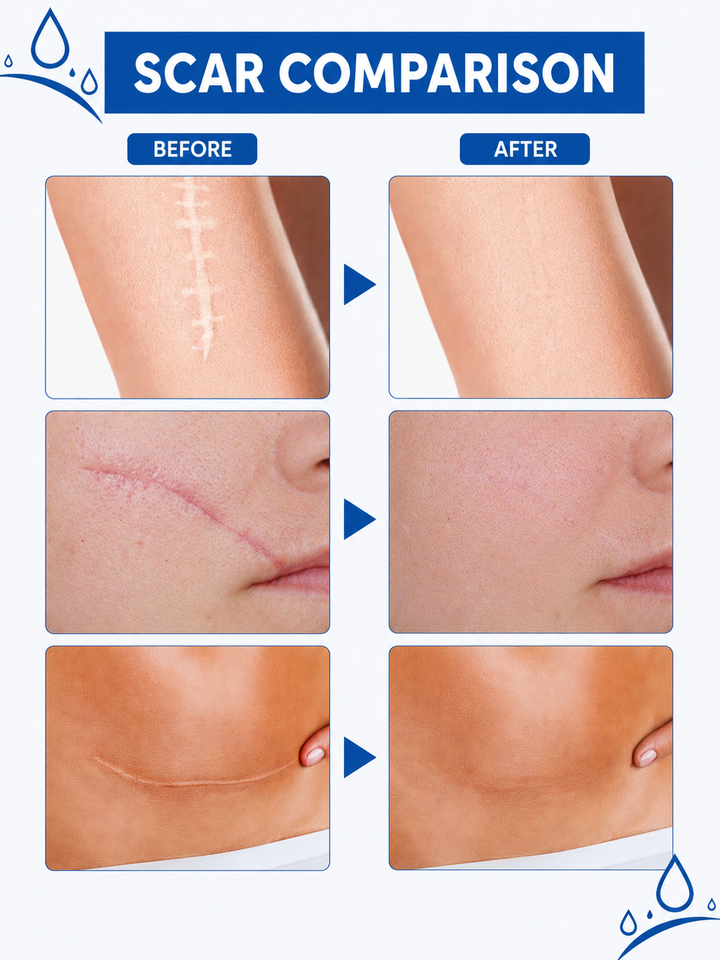

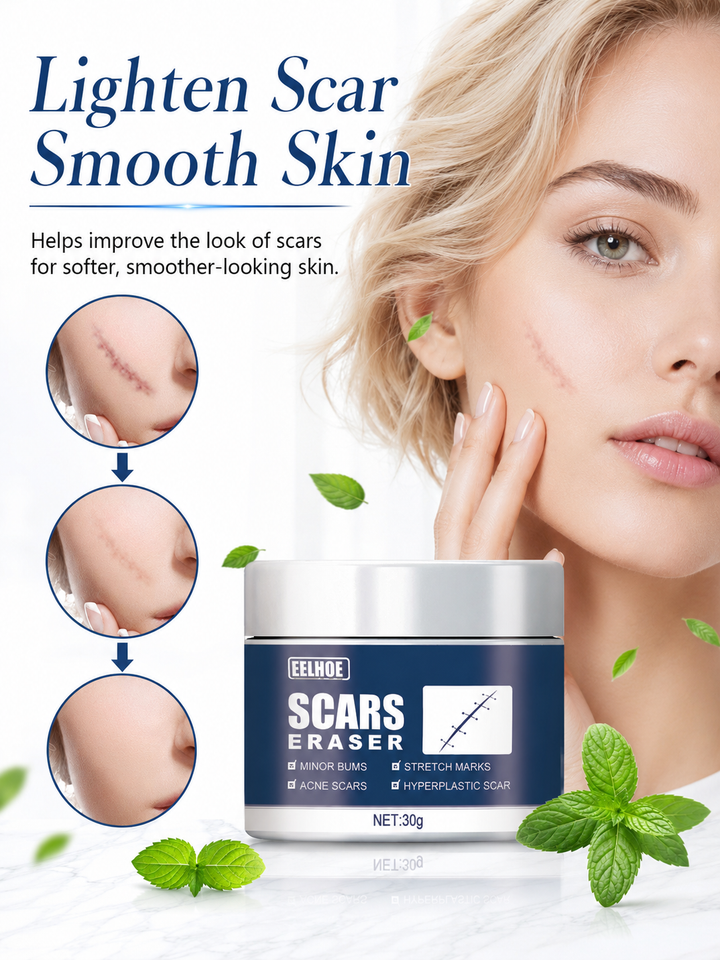
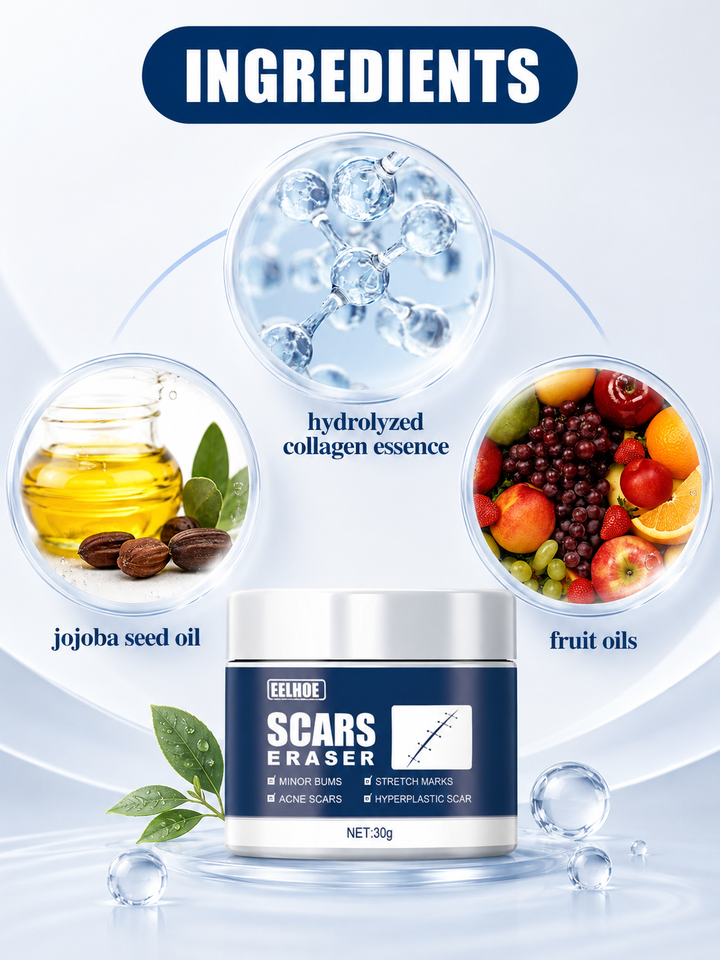
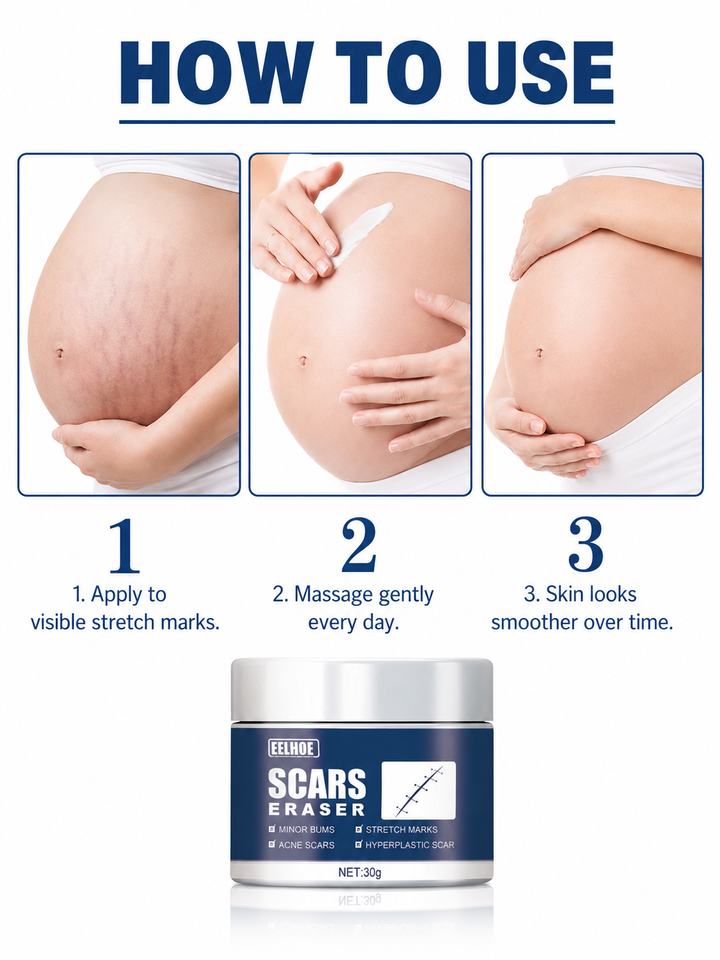

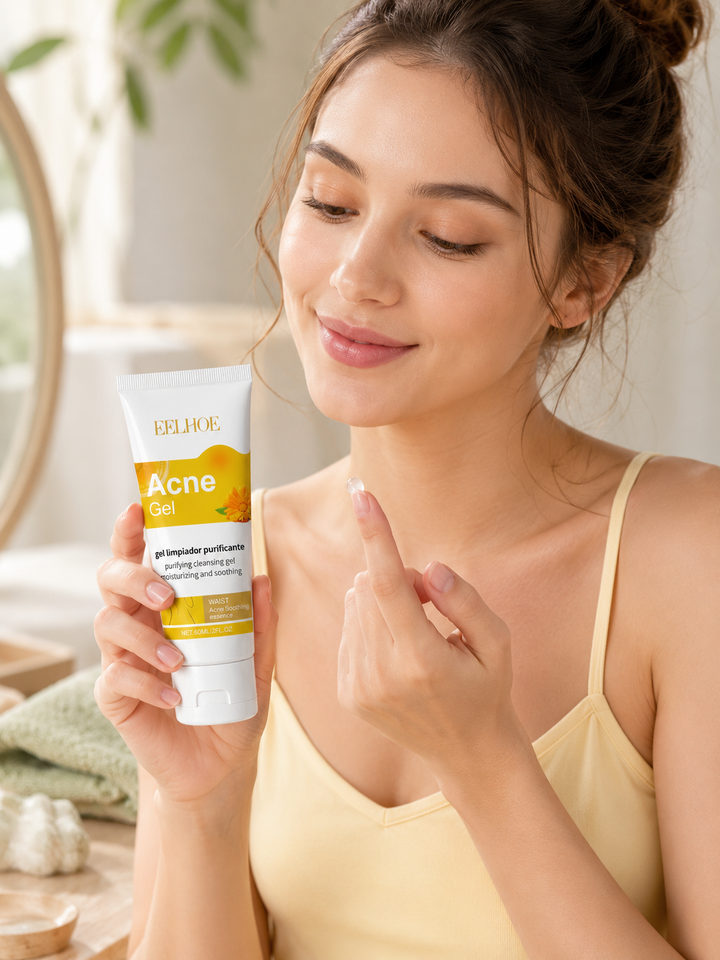
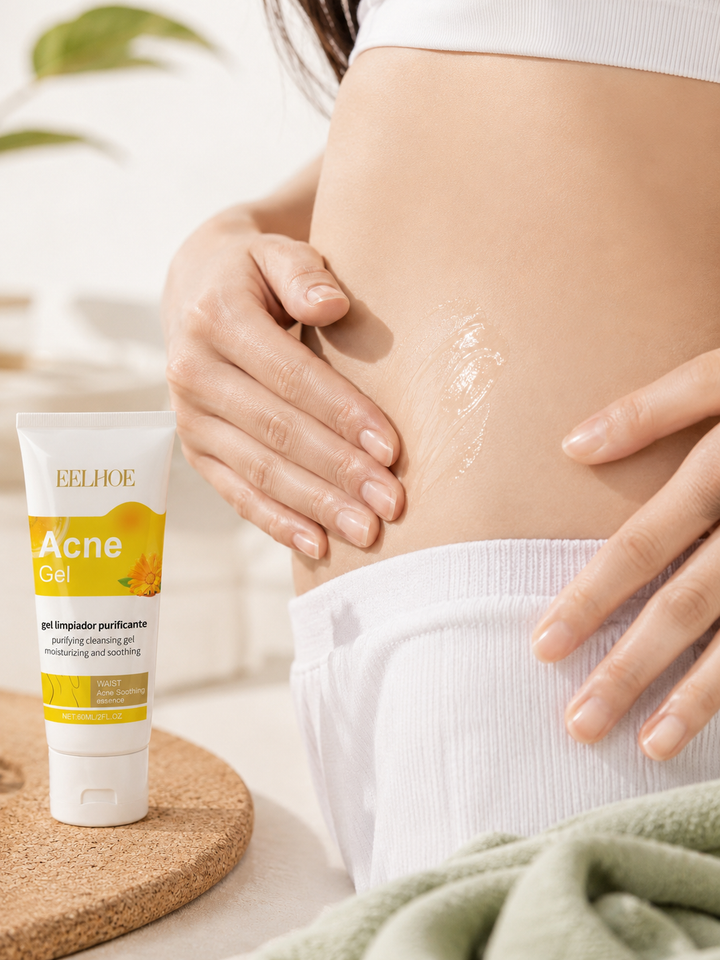

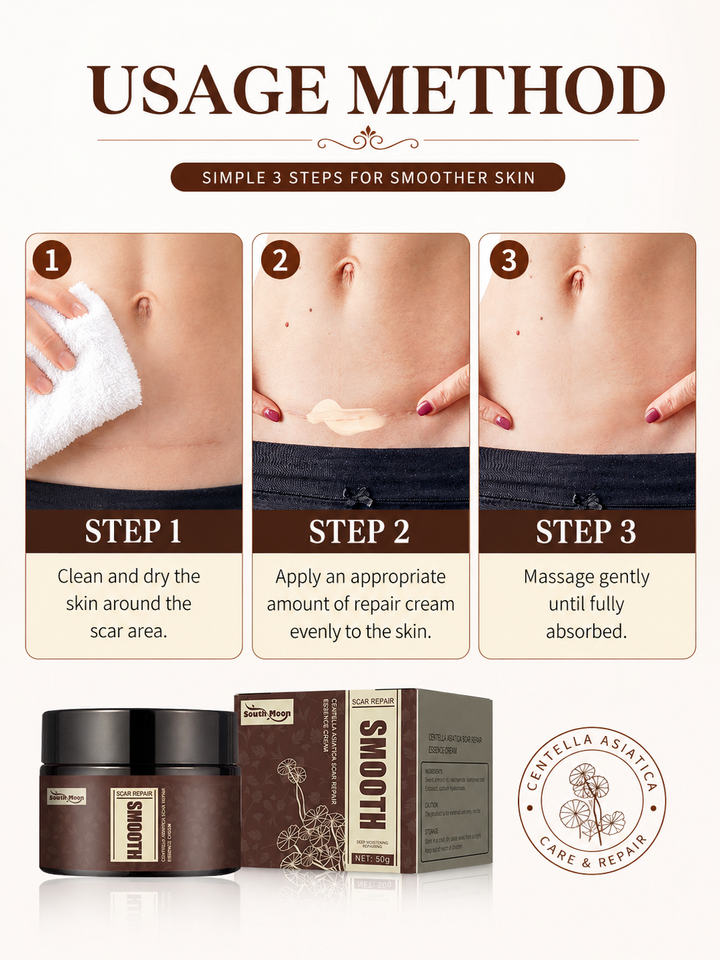
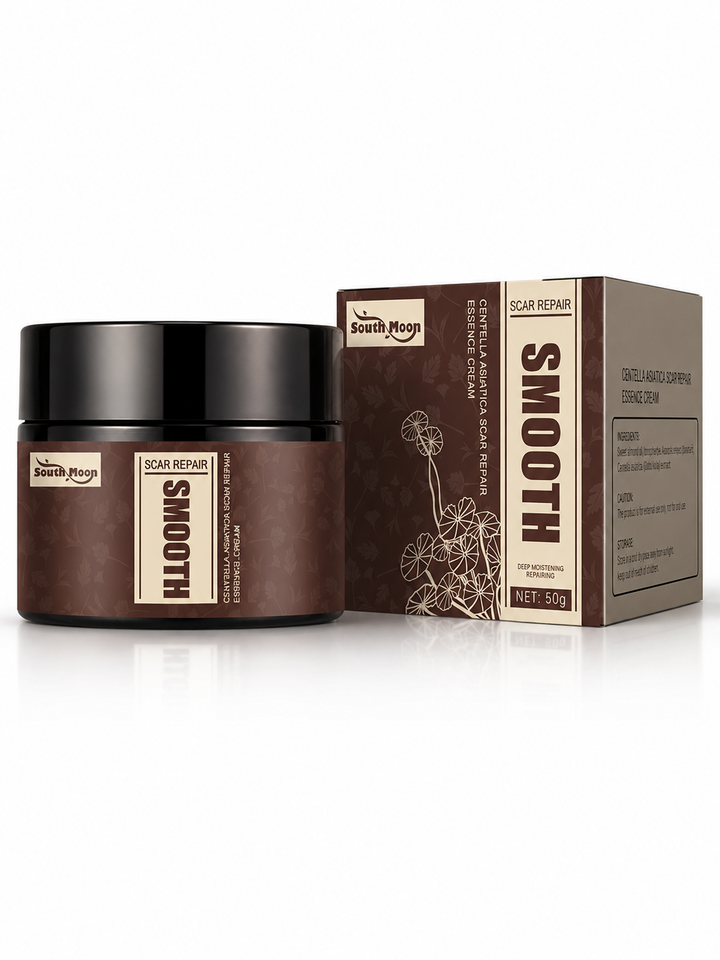
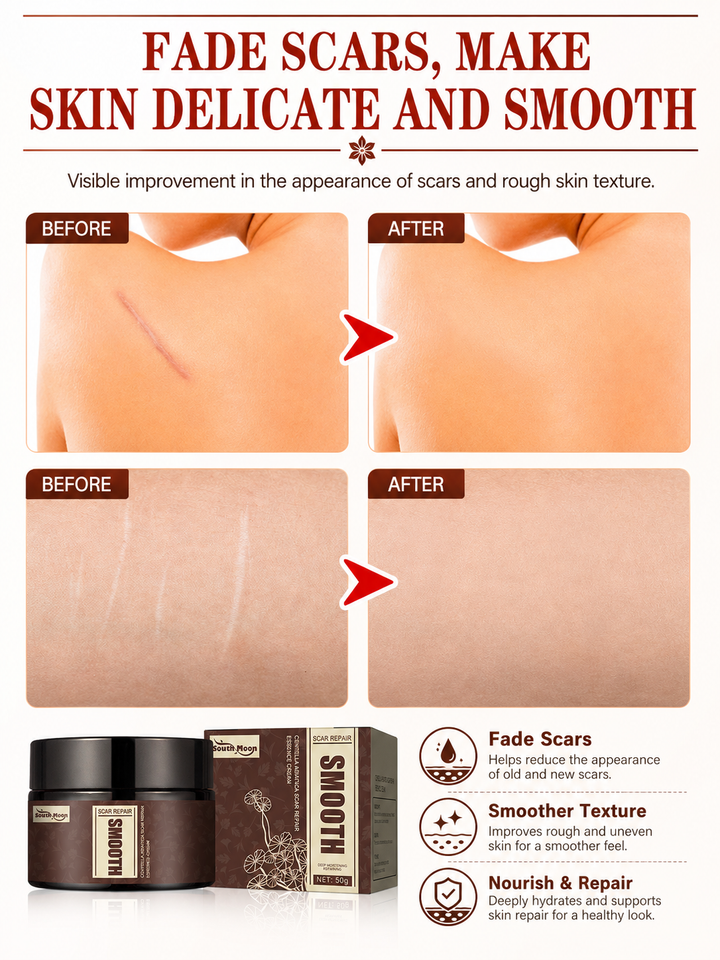


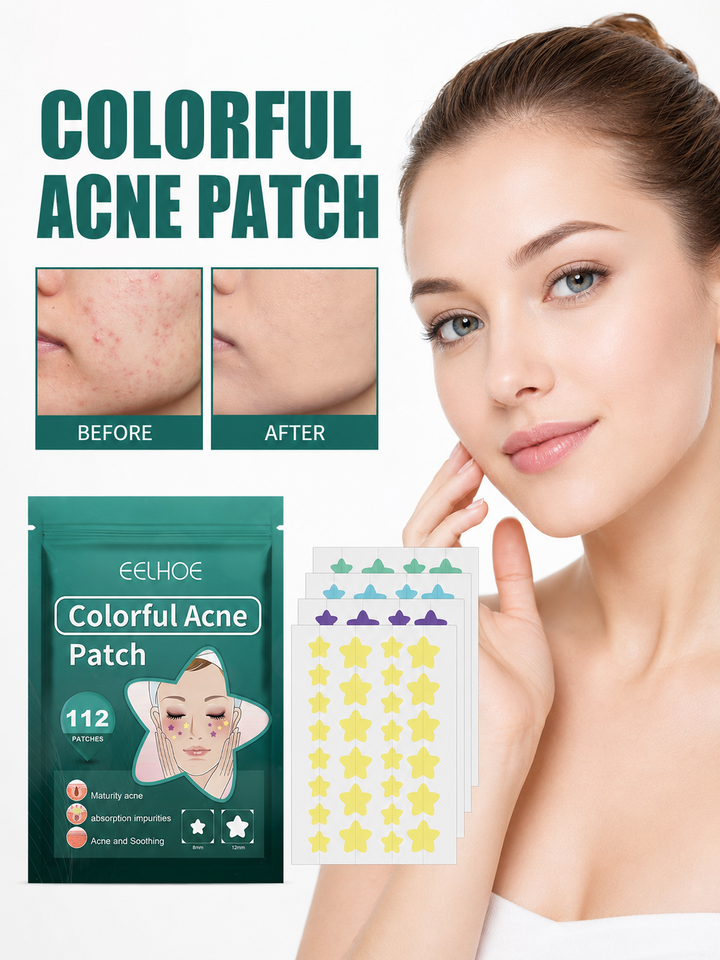
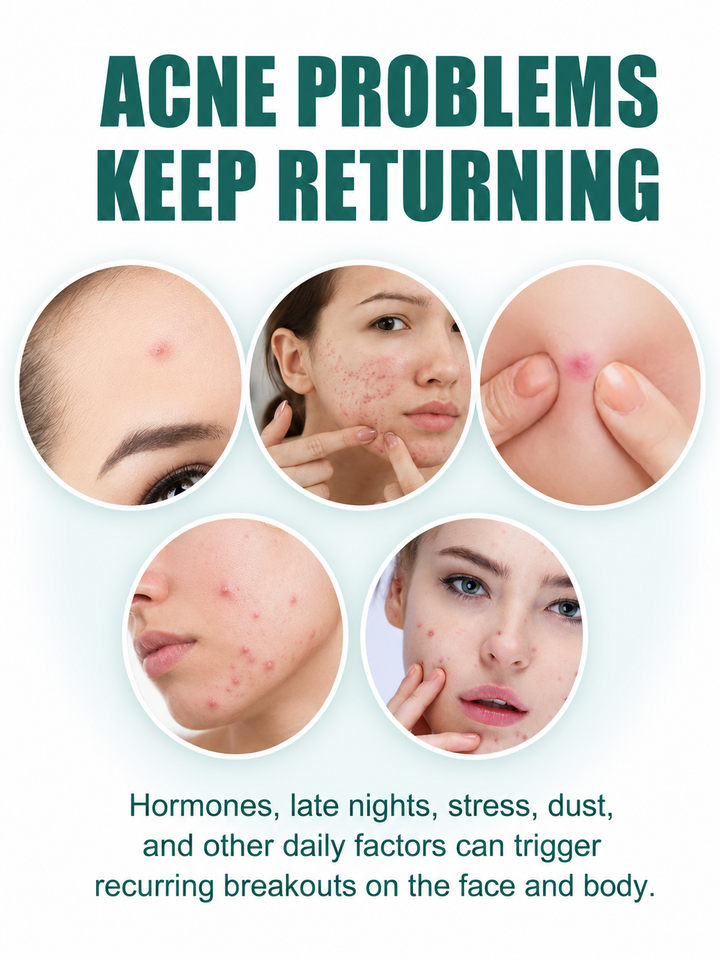

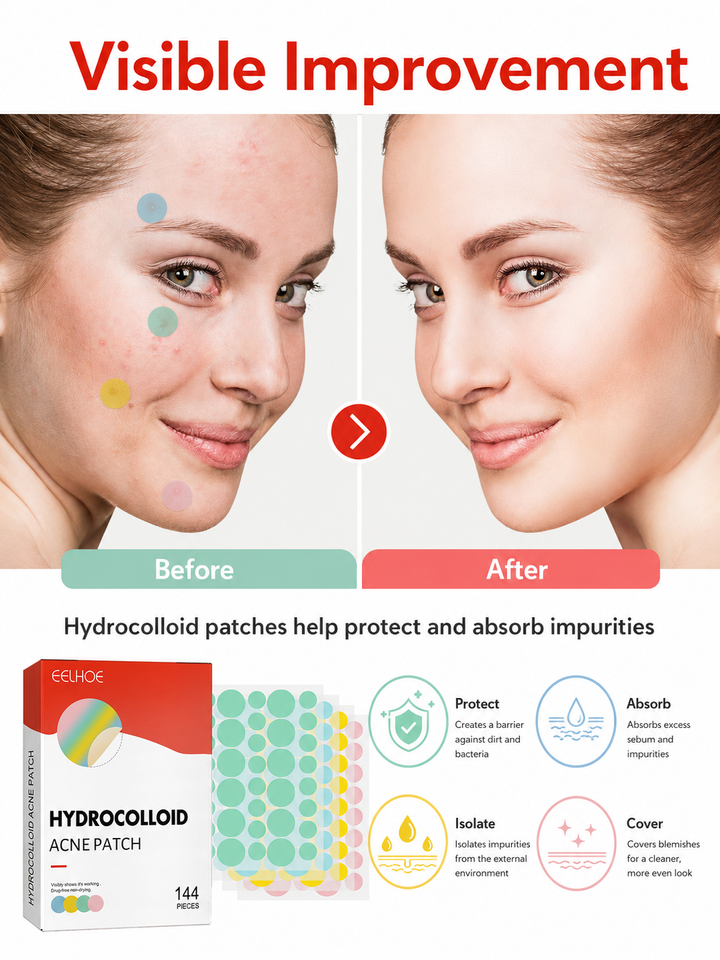
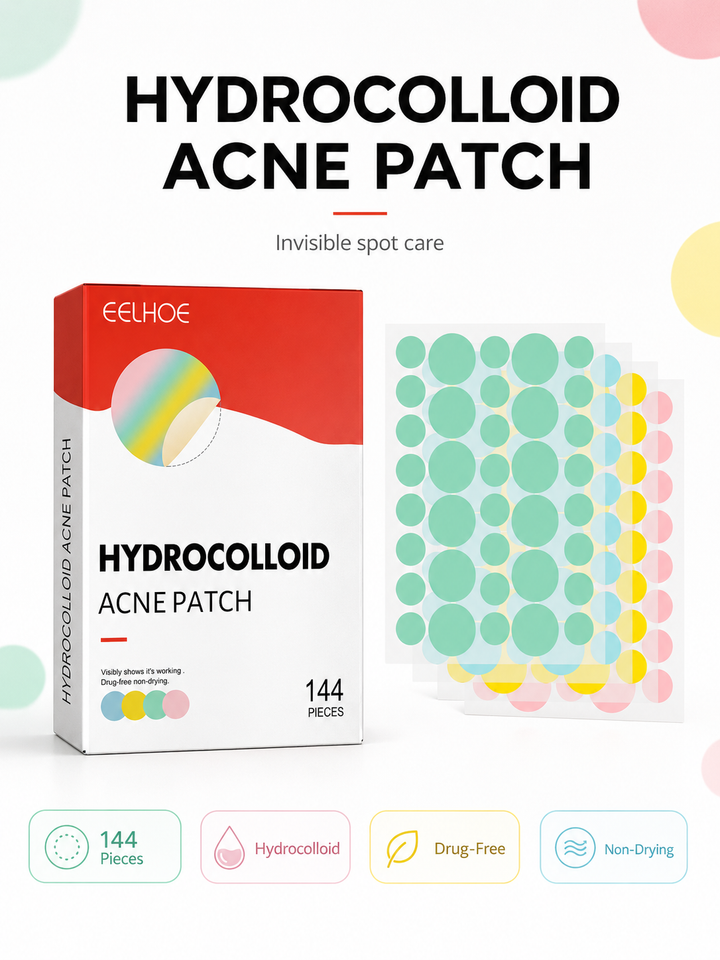
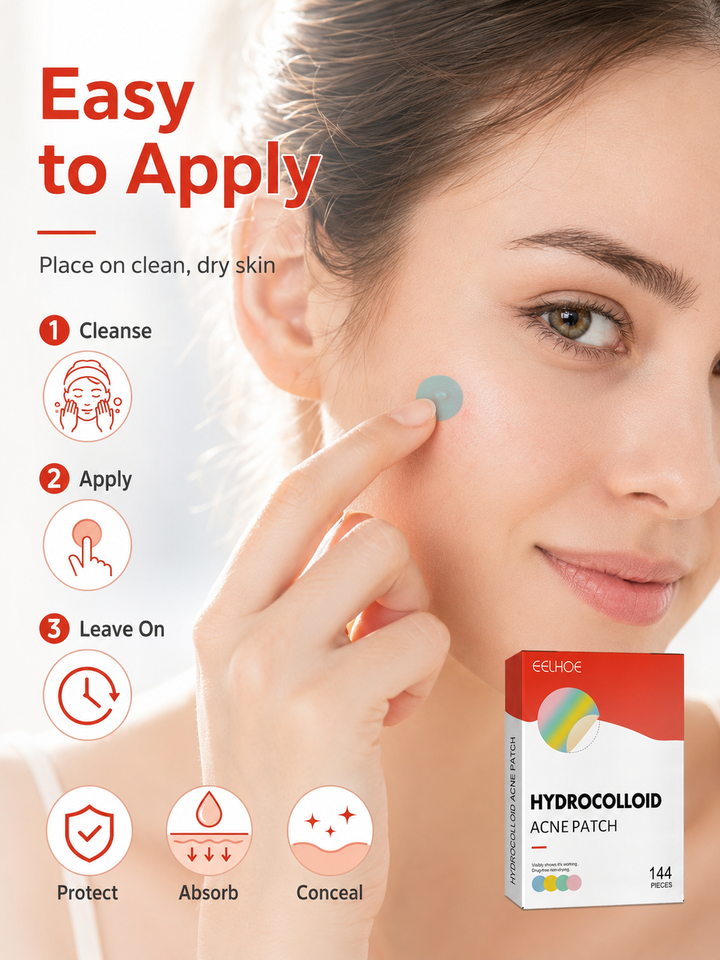

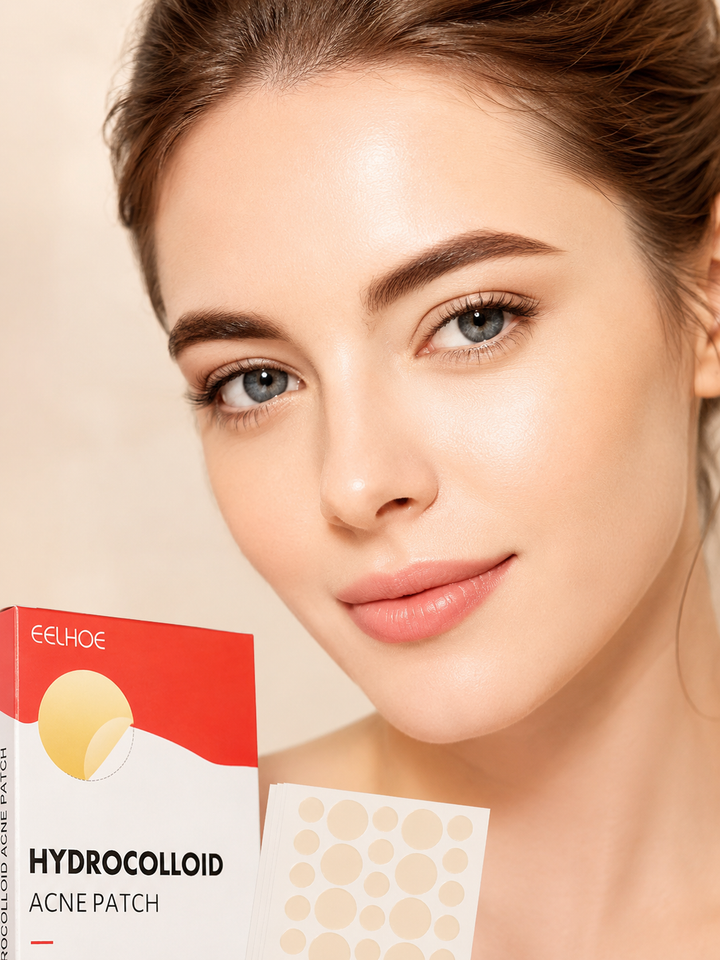
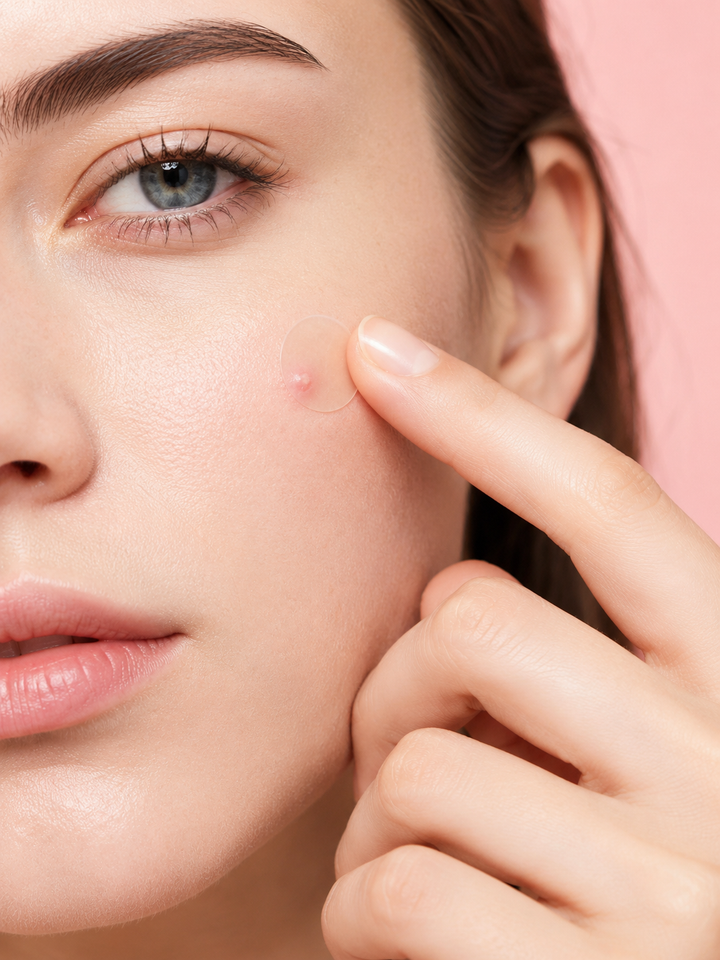
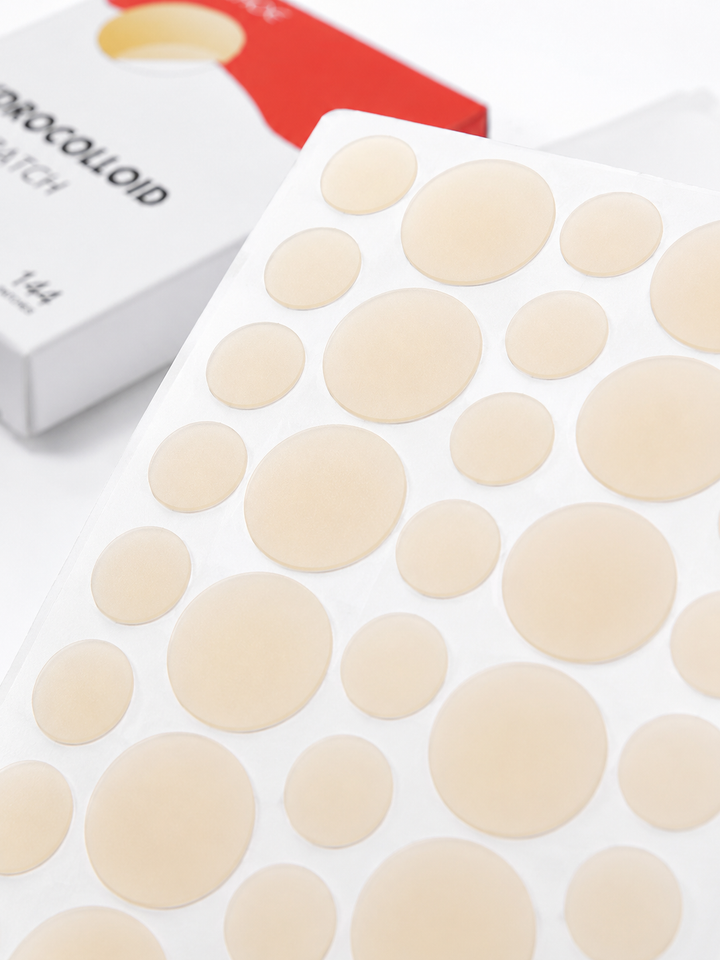

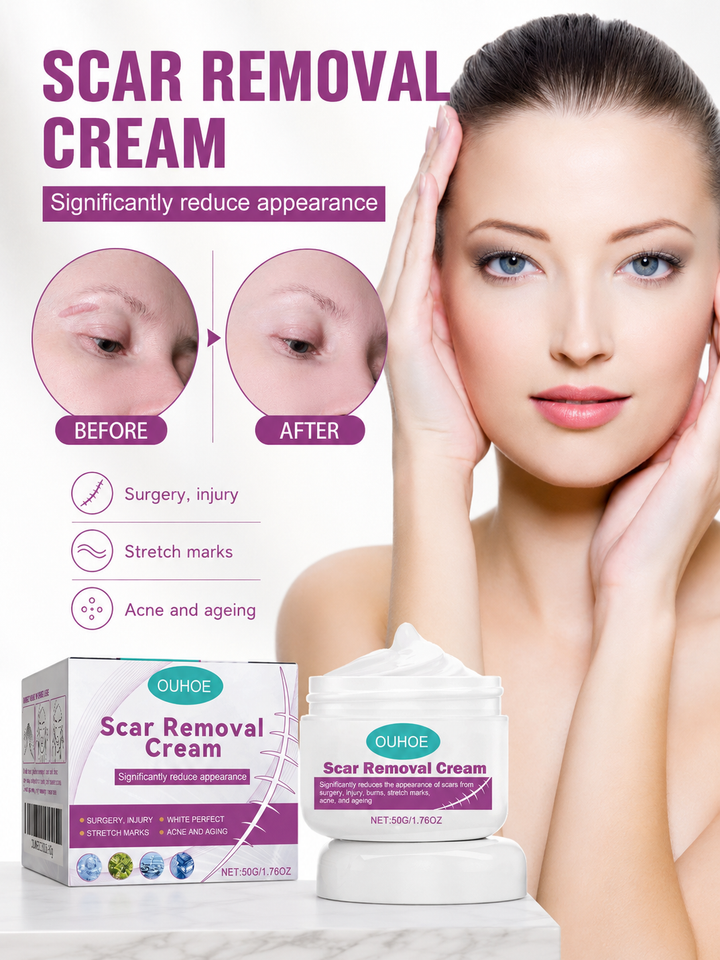
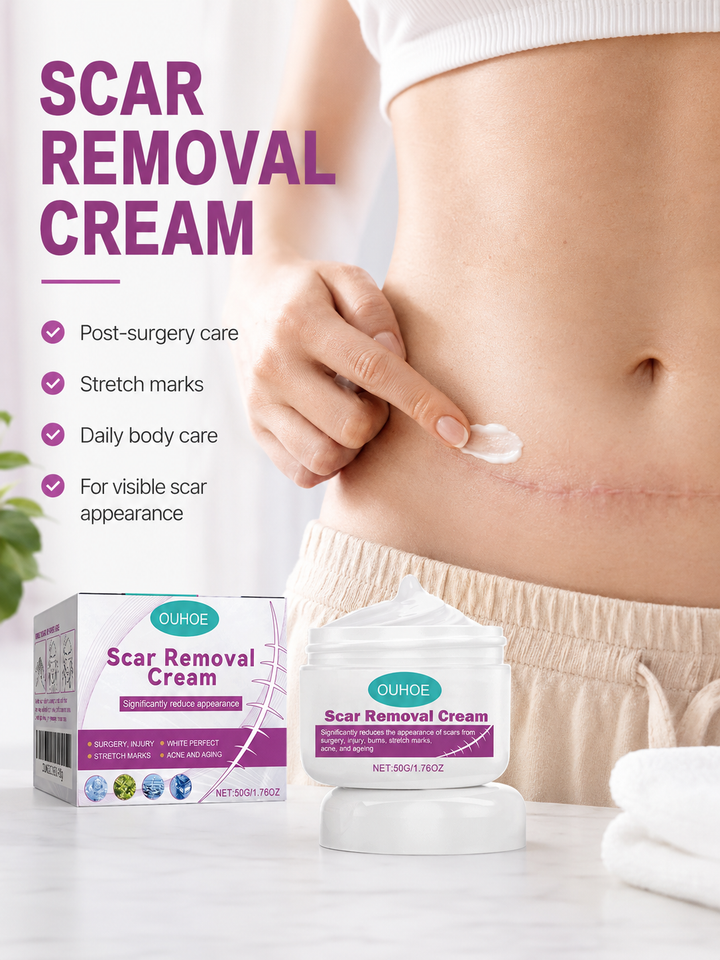



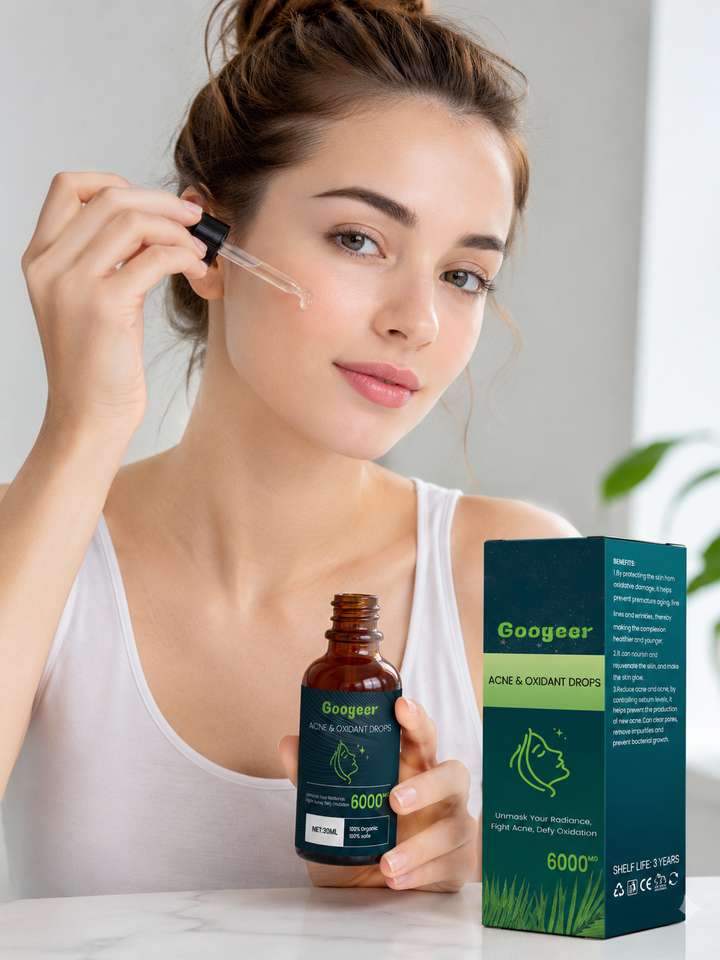
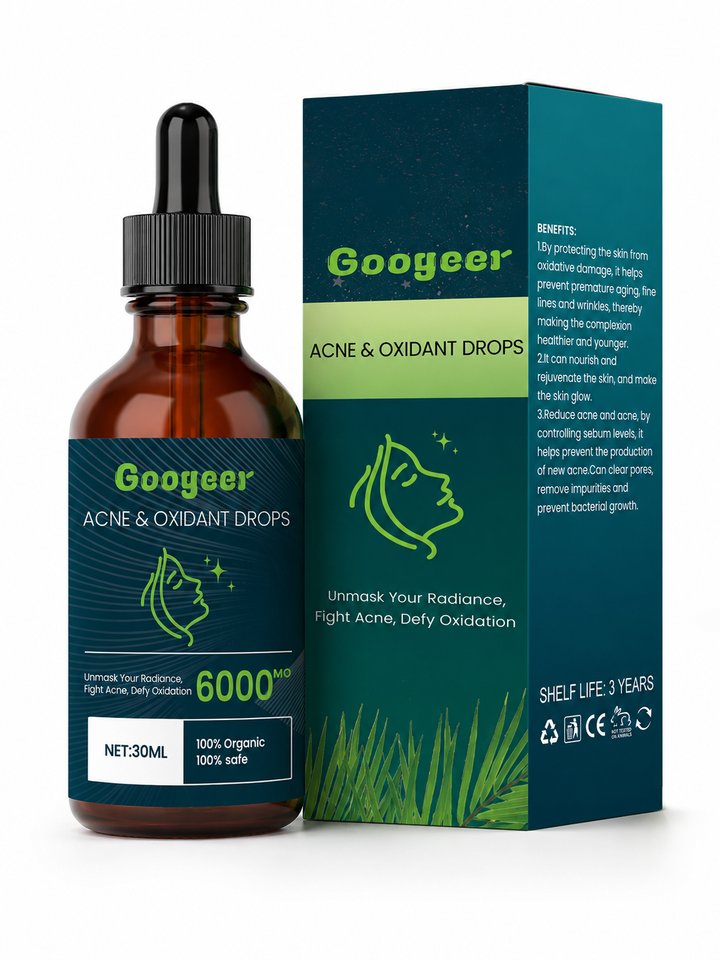

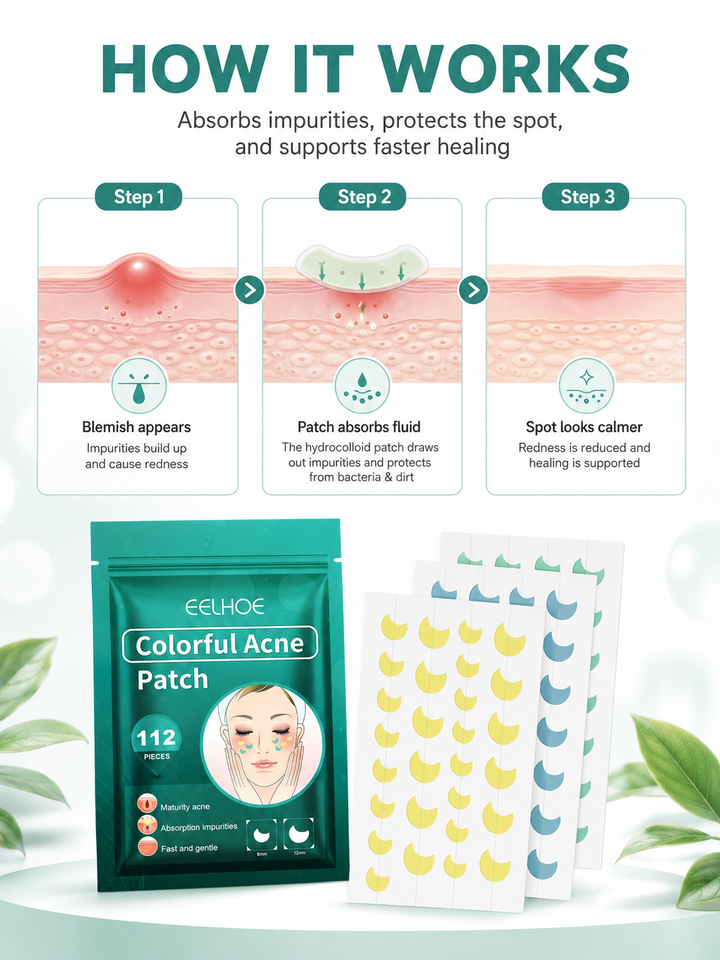
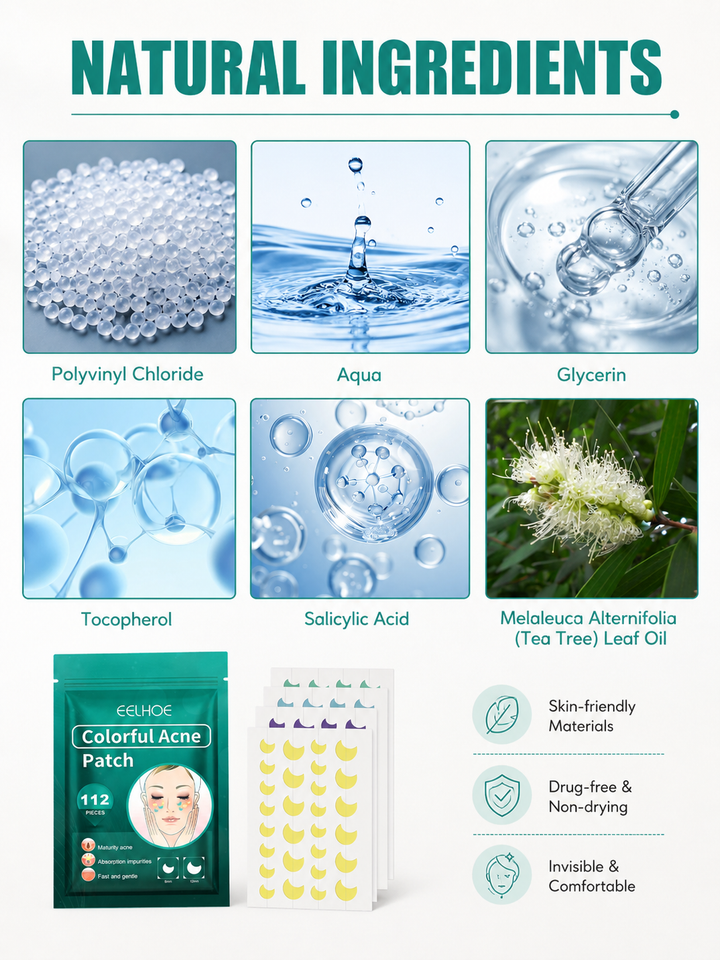
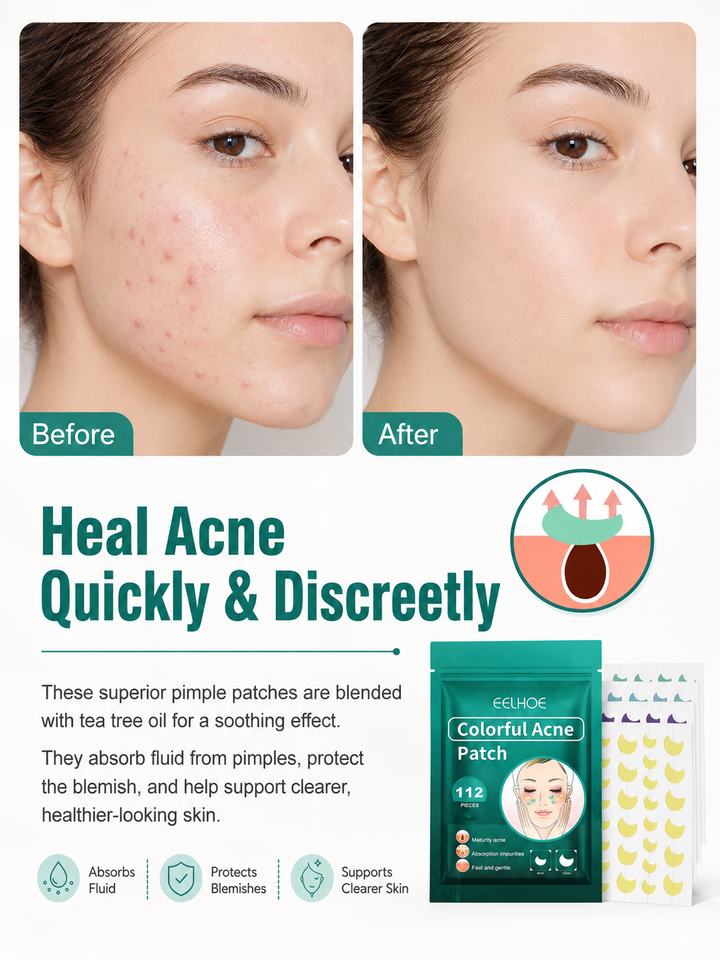

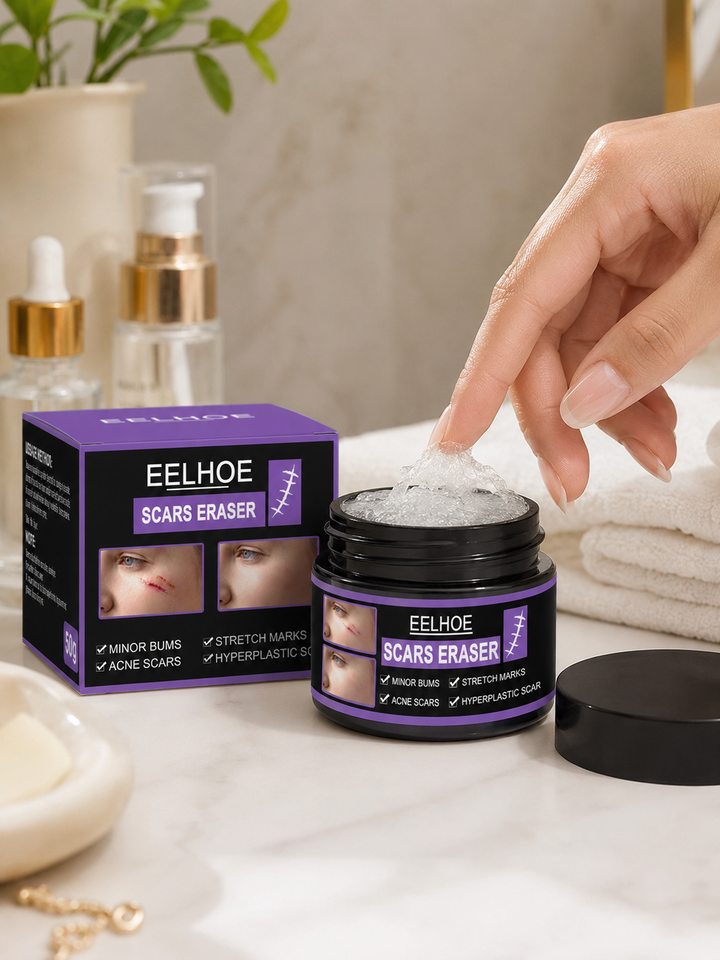
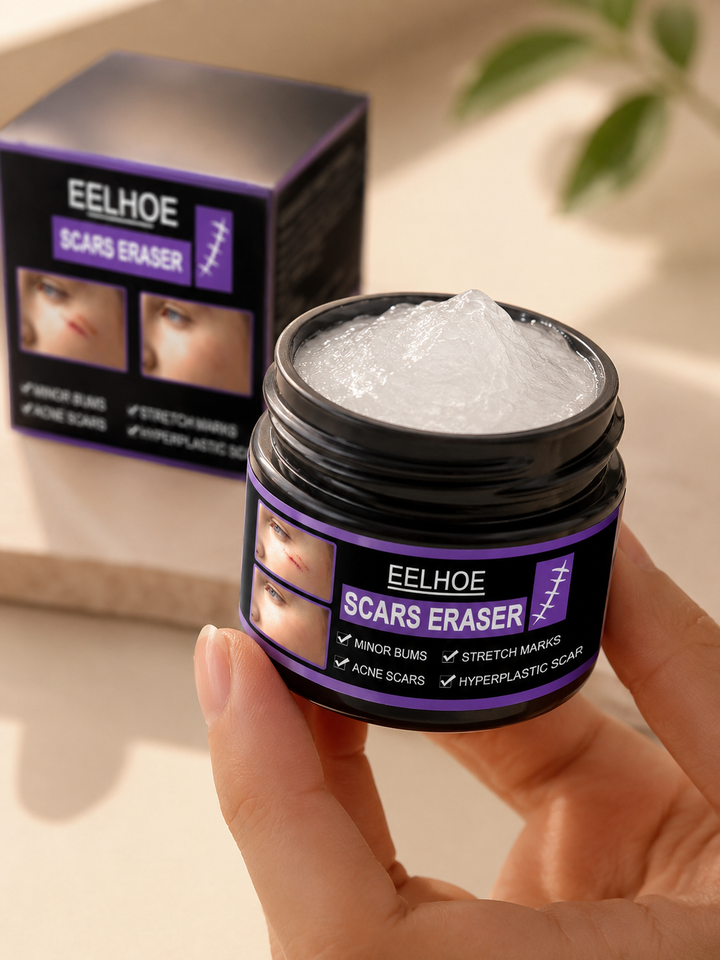

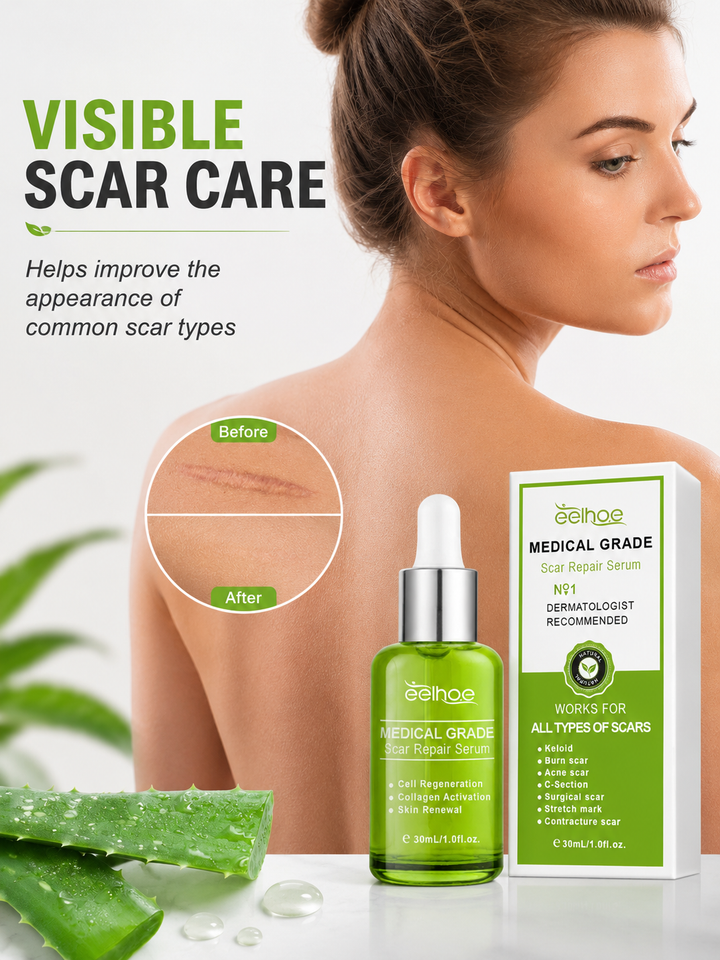
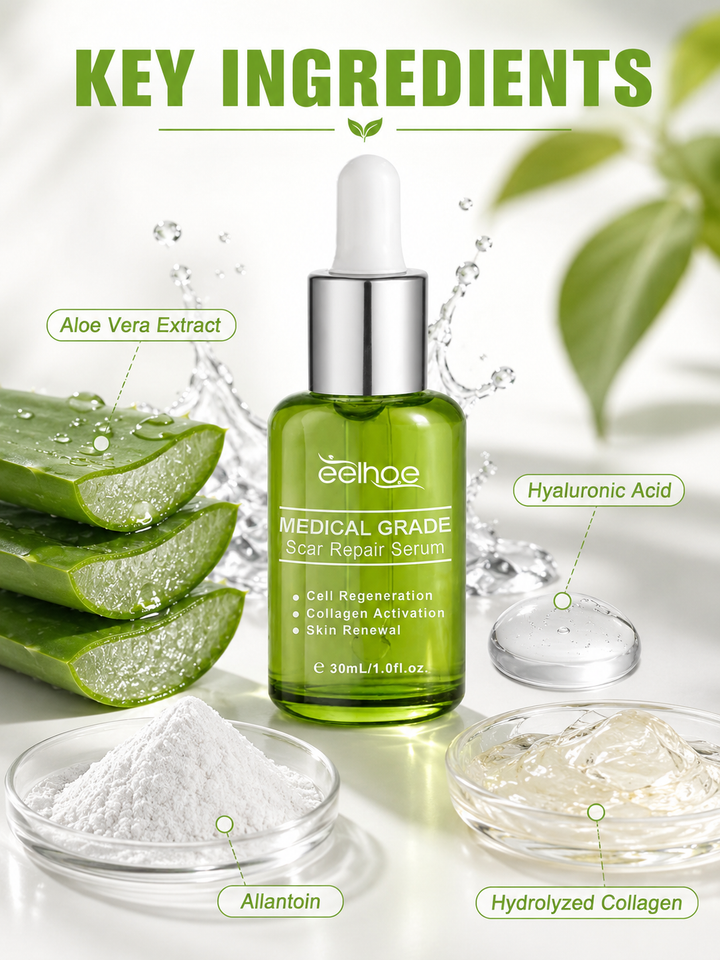
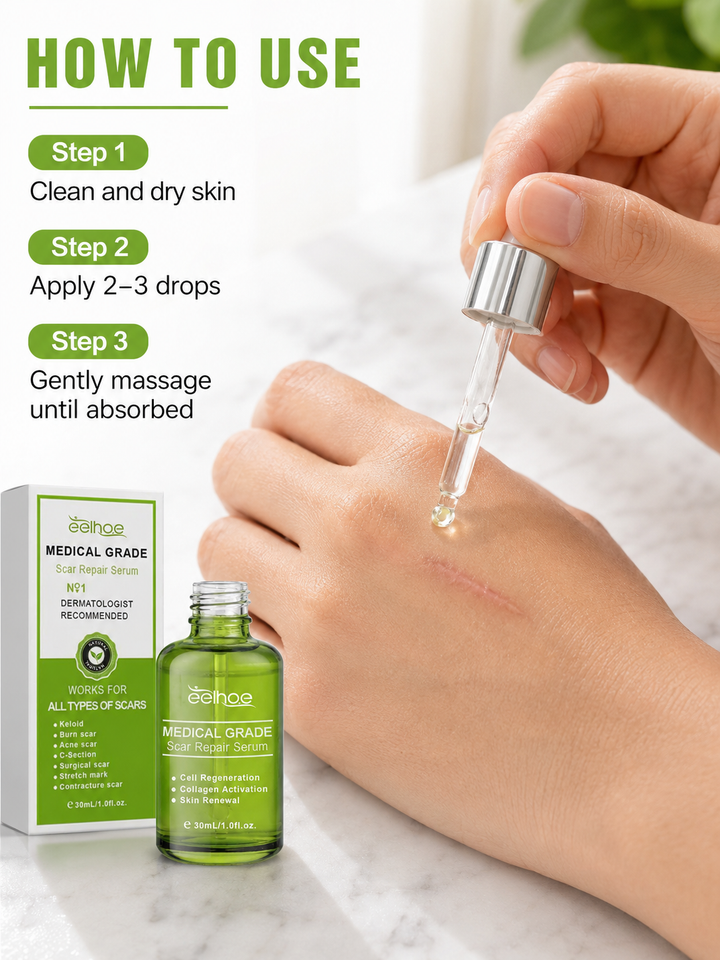

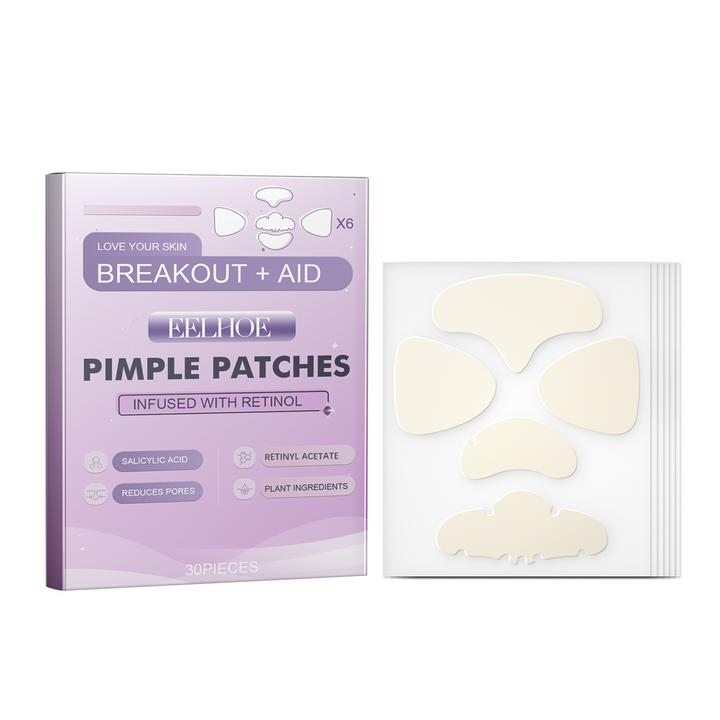
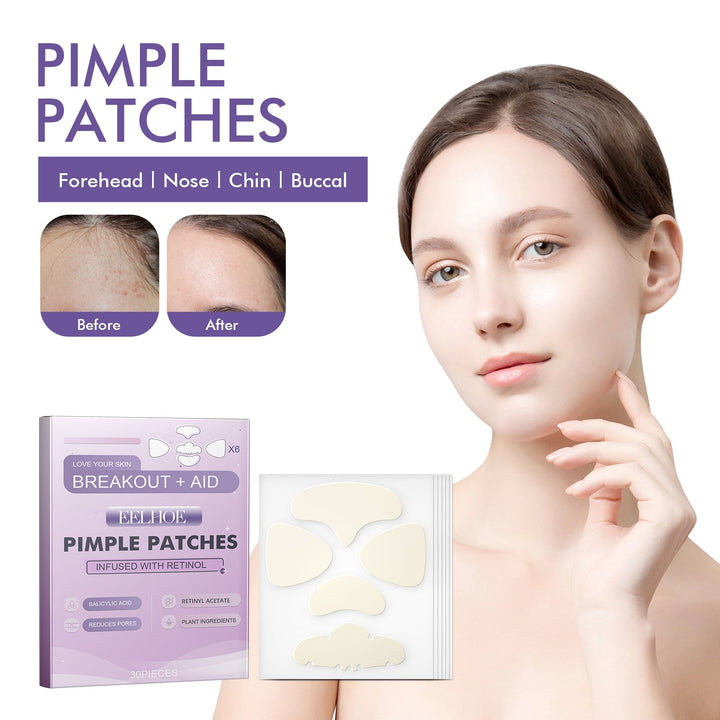
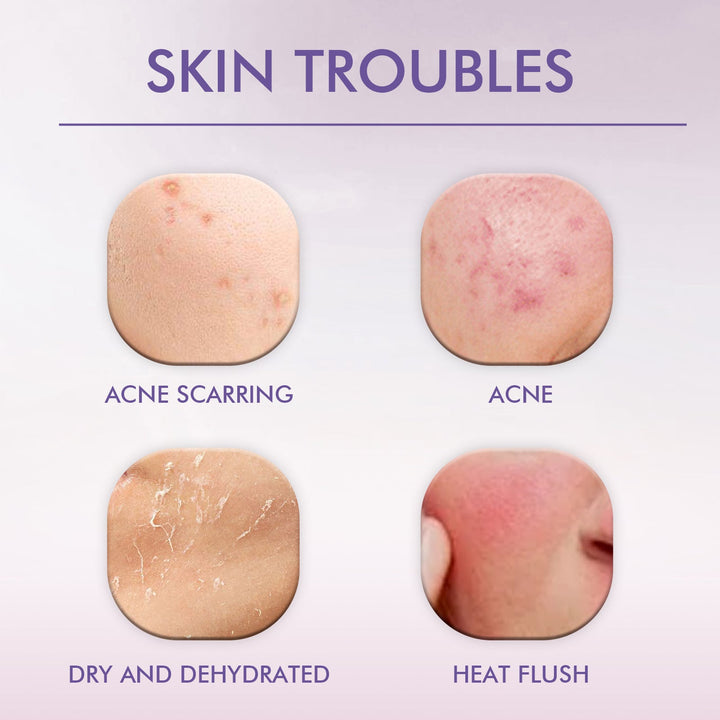

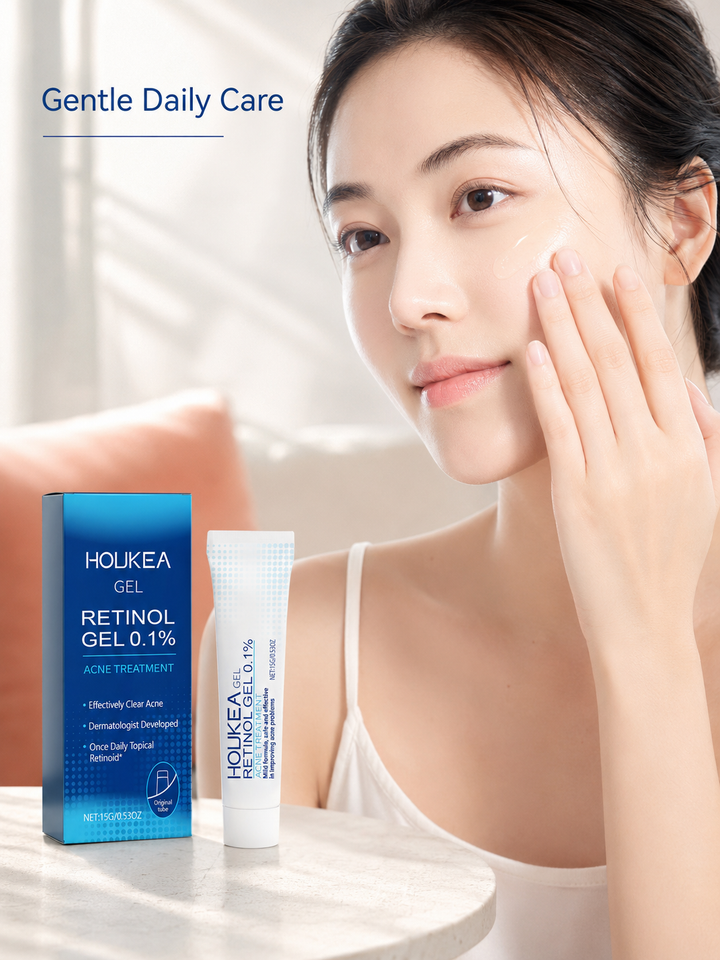
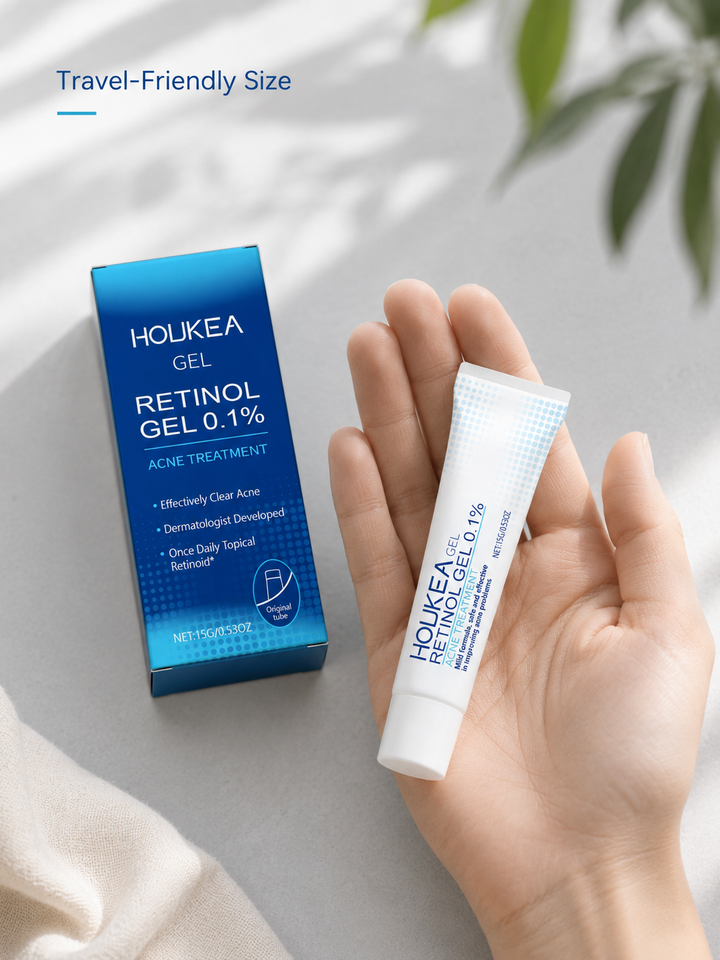

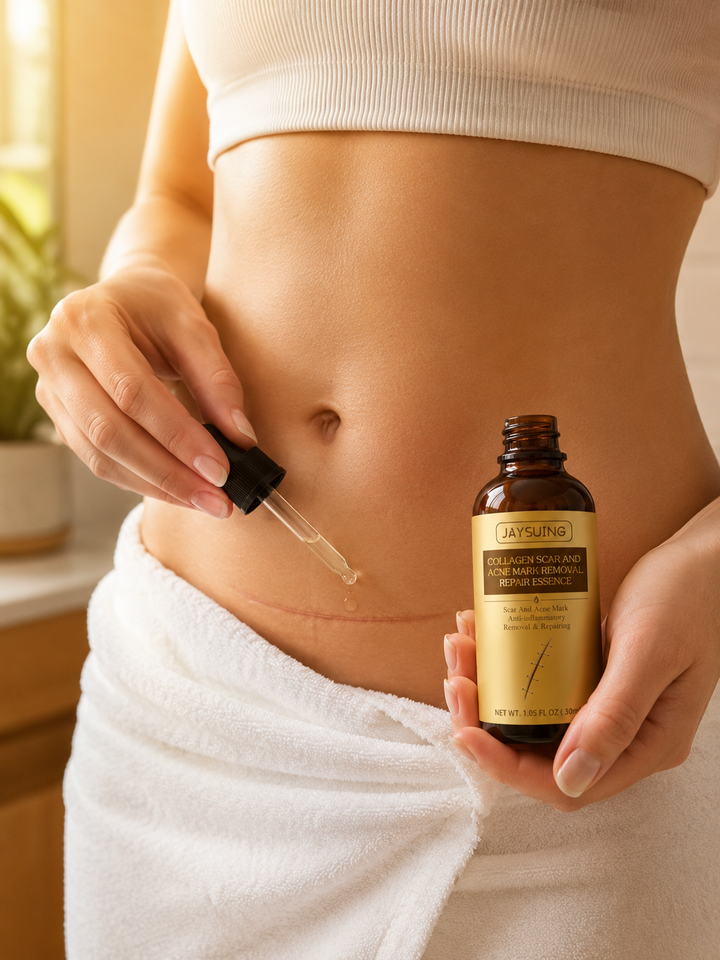
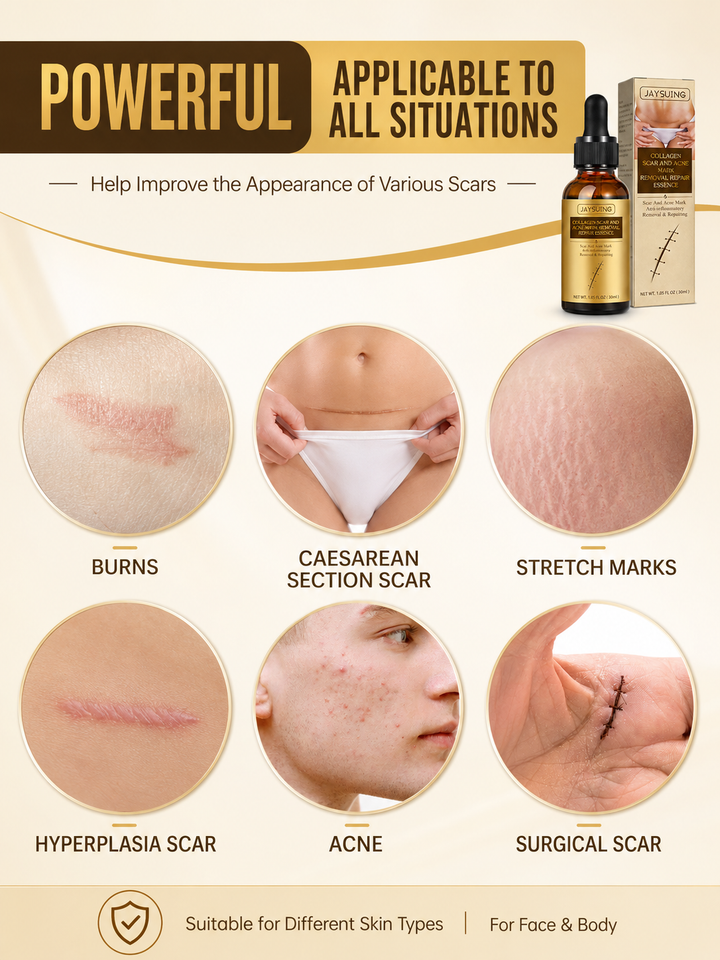
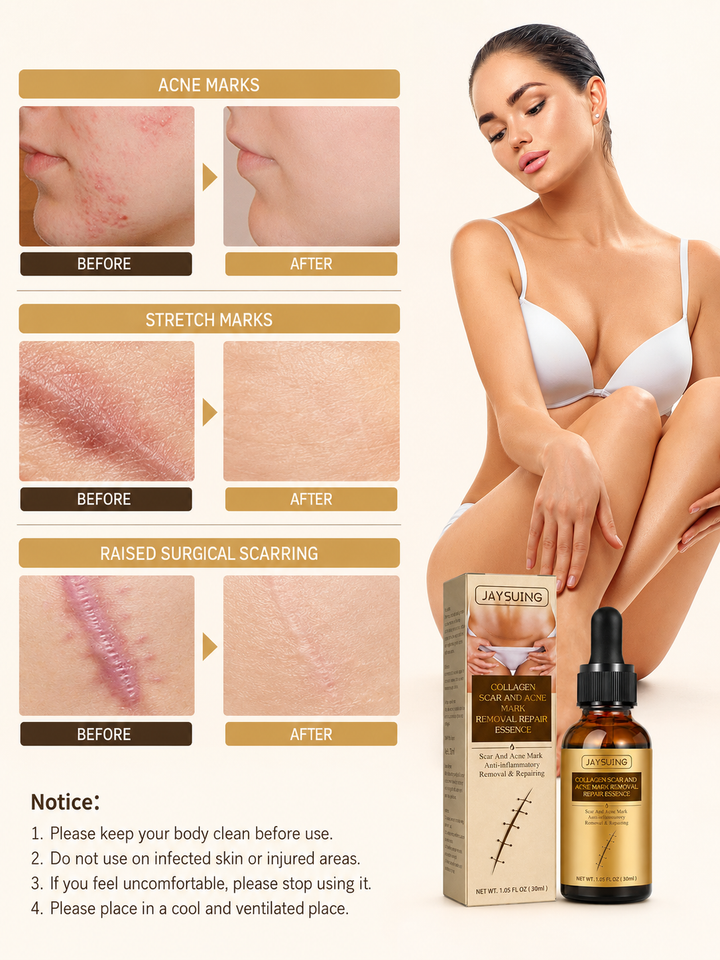

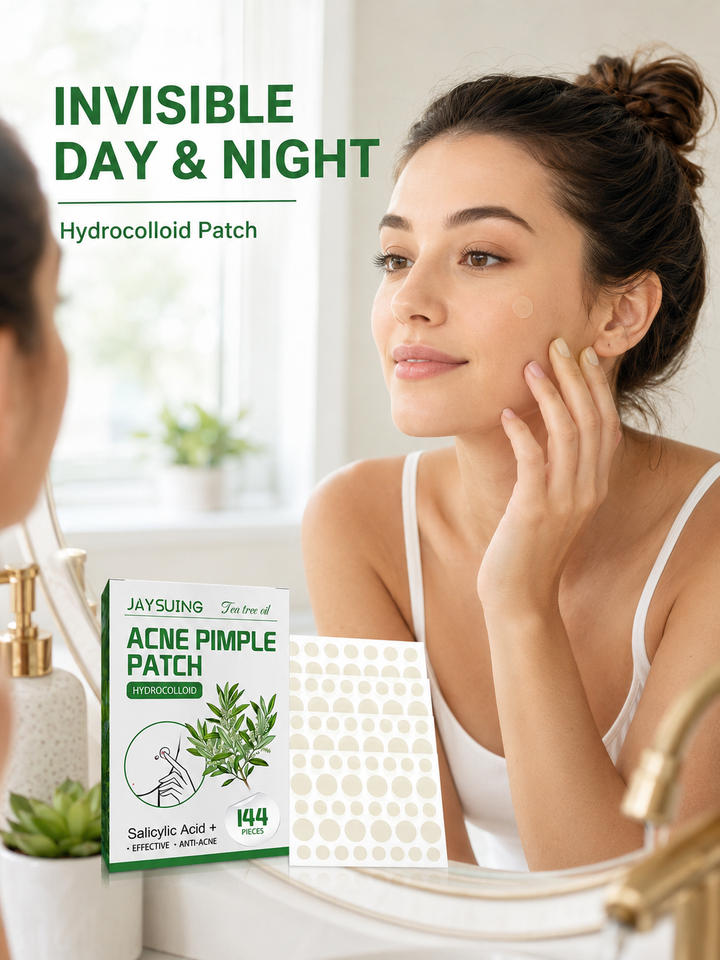
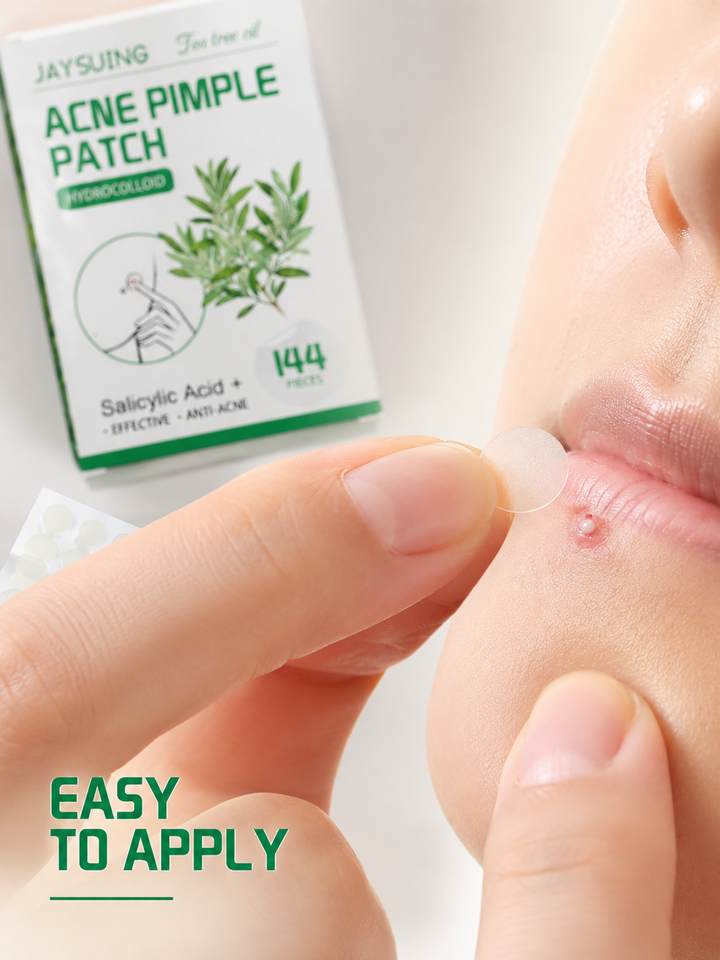
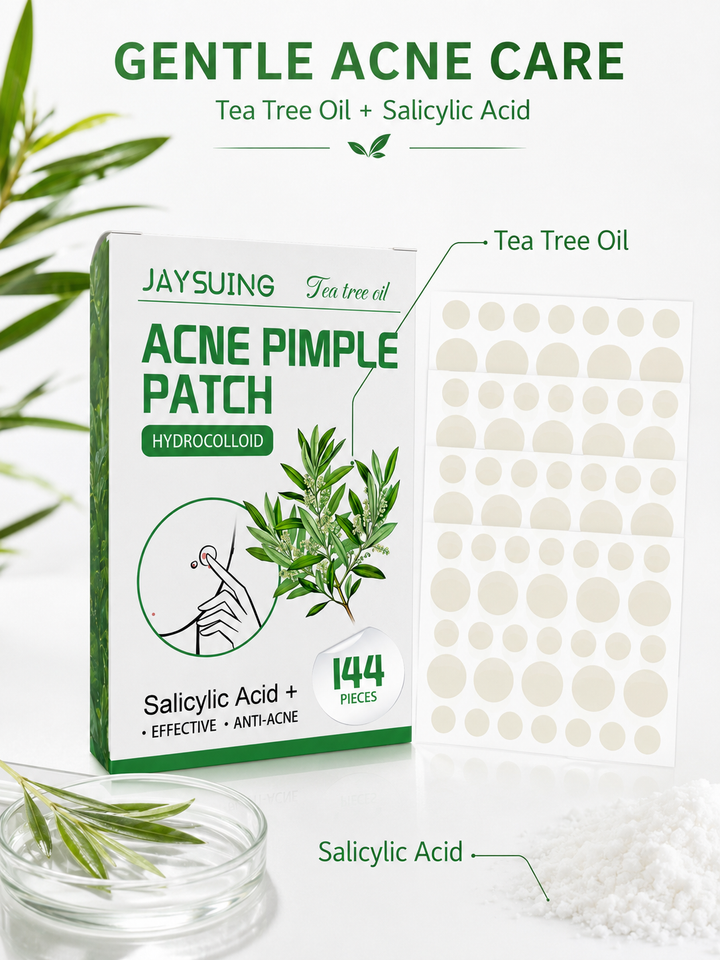

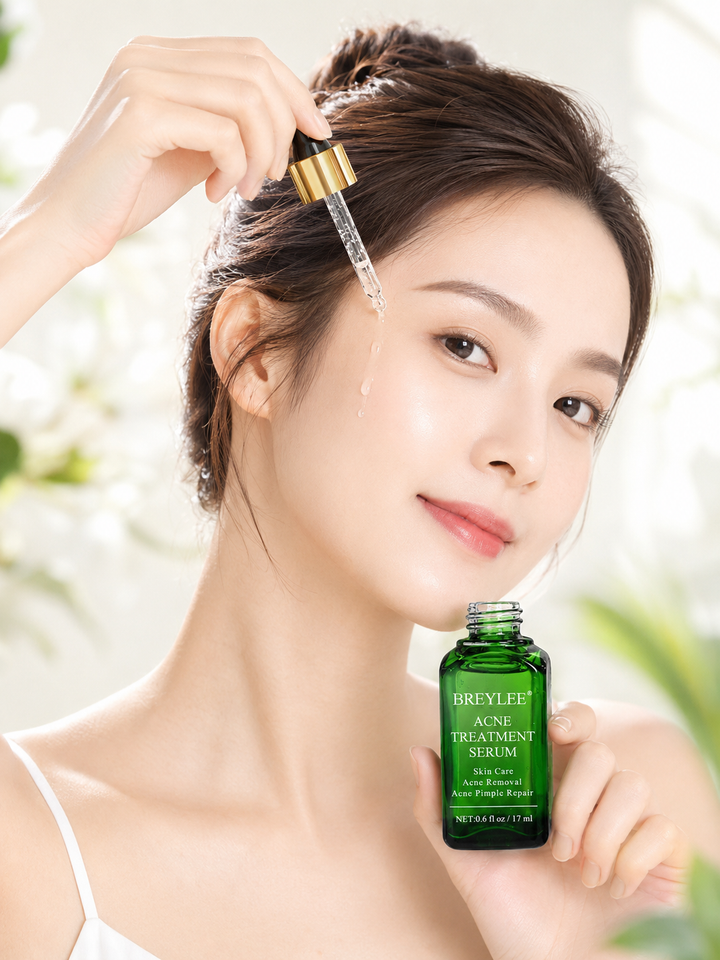
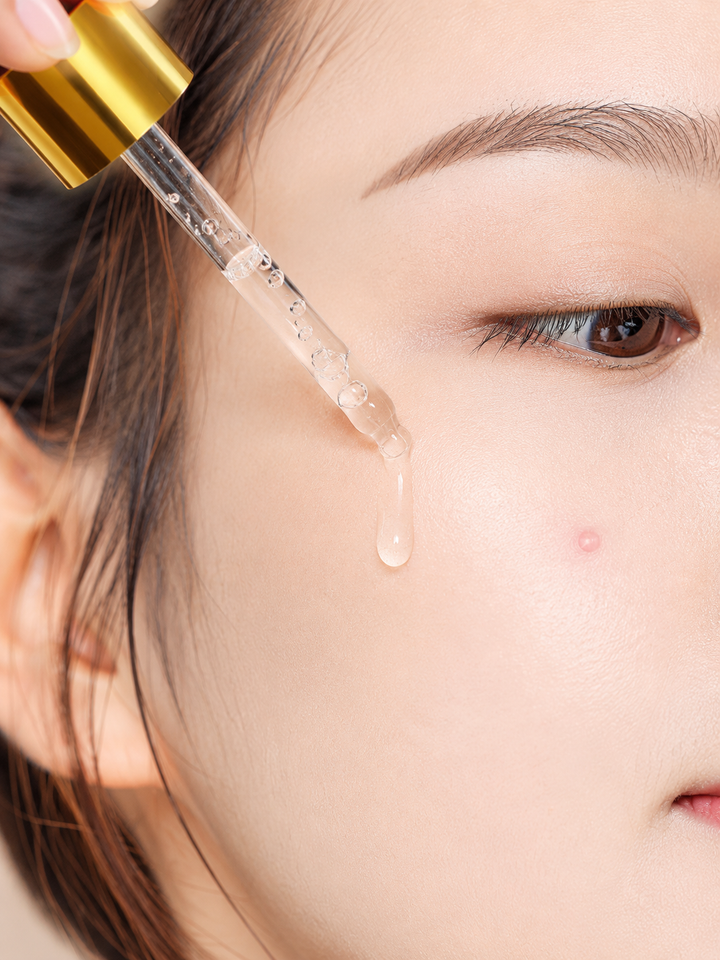
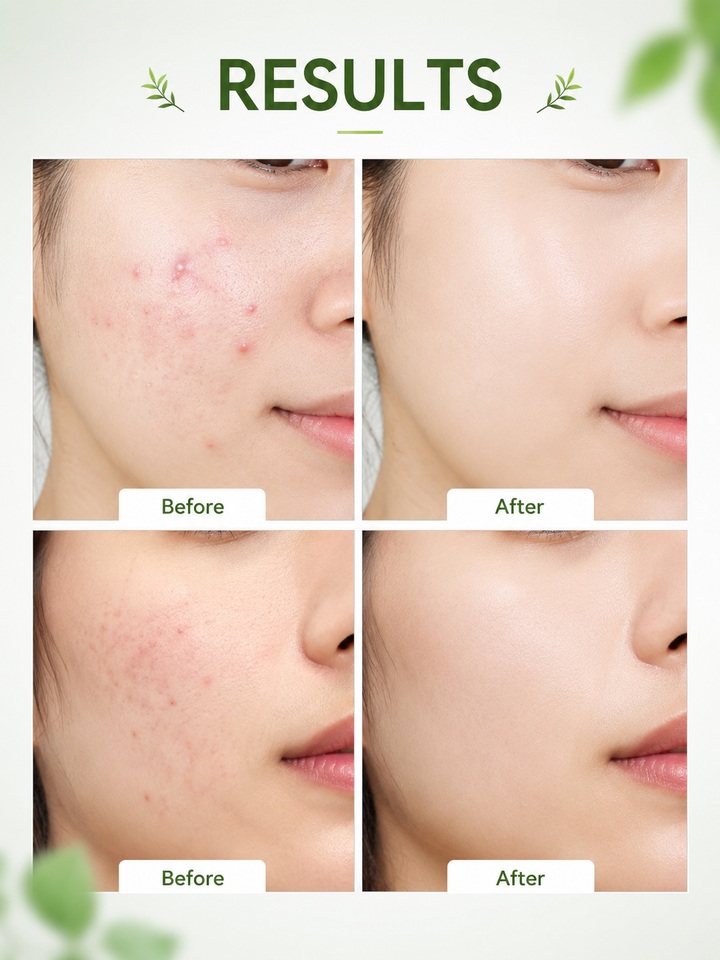

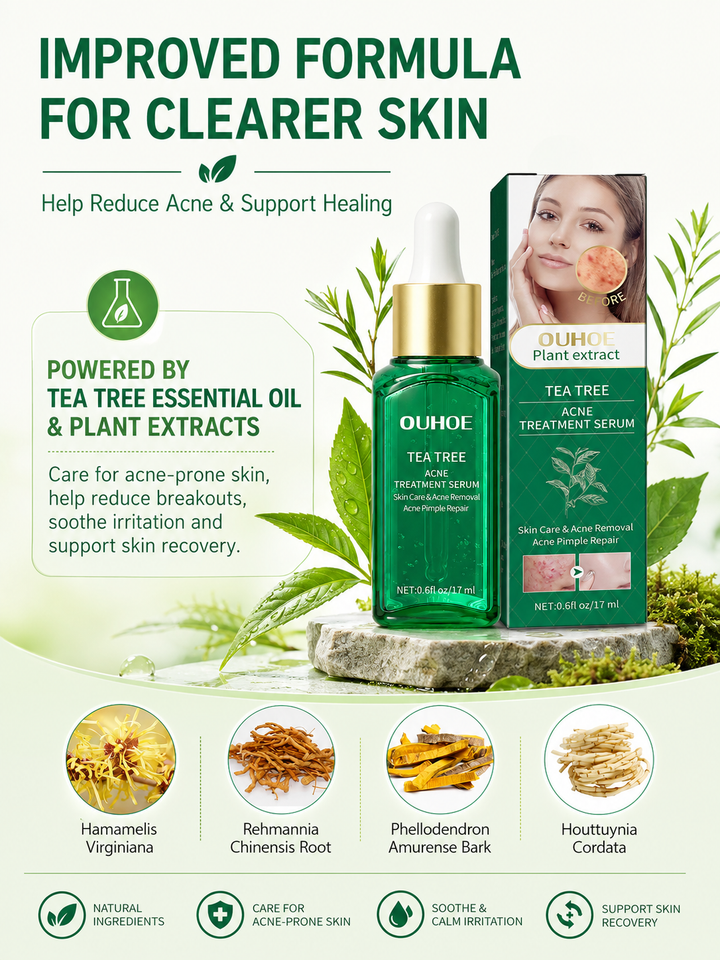
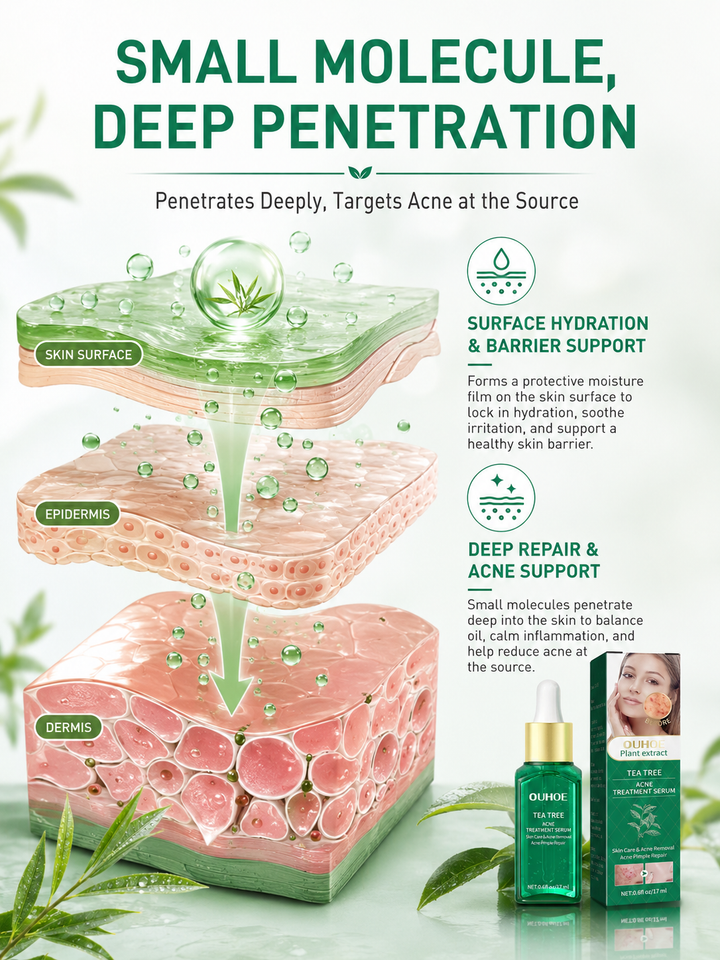
Find an acne serum or targeted blemish product by matching the formula and format to your skin concern: active breakouts, oily areas, red-looking patches, or lingering marks. This range includes retinol and salicylic acid options, soothing botanical gels, scar-focused serum, and discreet or overnight pimple patches.
How to choose the best acne serum for your skin
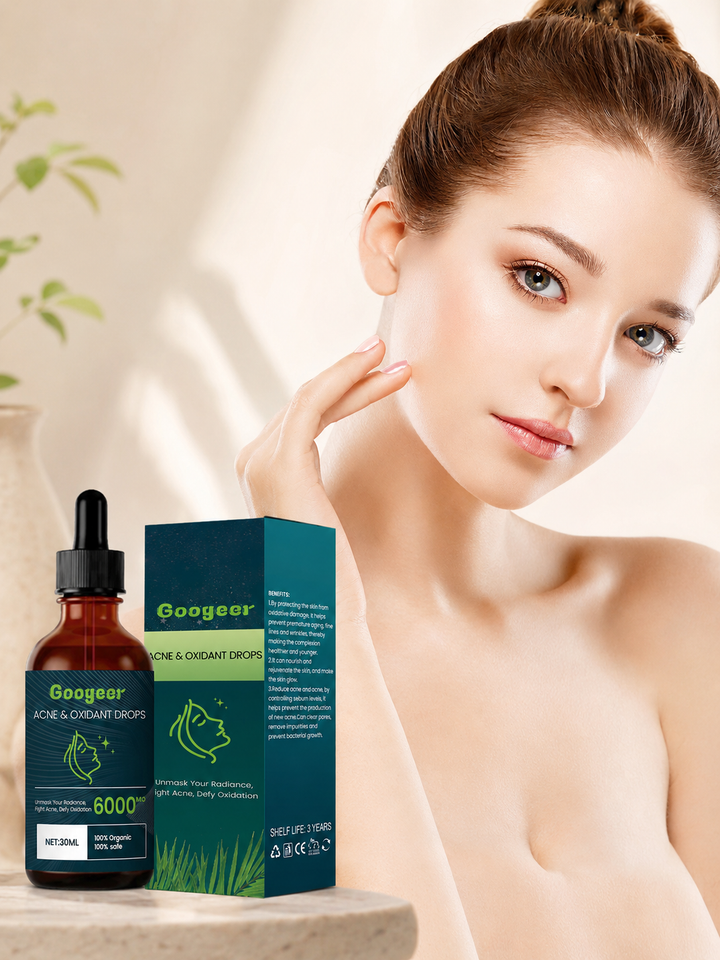
Start with your main concern rather than choosing the strongest-looking product. For recurring facial blemishes, consider the Retinol Gel 0.1% or Acne & Oxidant Drops. If excess oil and body breakouts are your focus, the Body Acne Gel with calendula and aloe is designed for larger areas. For one or two visible spots, hydrocolloid patches or retinol and salicylic acid patches offer a more targeted approach. If your skin is easily unsettled, introduce one active product at a time and look for a soothing formula or simple spot patch. The best acne serum is the one you can use consistently without overloading your routine.
Which acne serum types work best for pimples and marks?
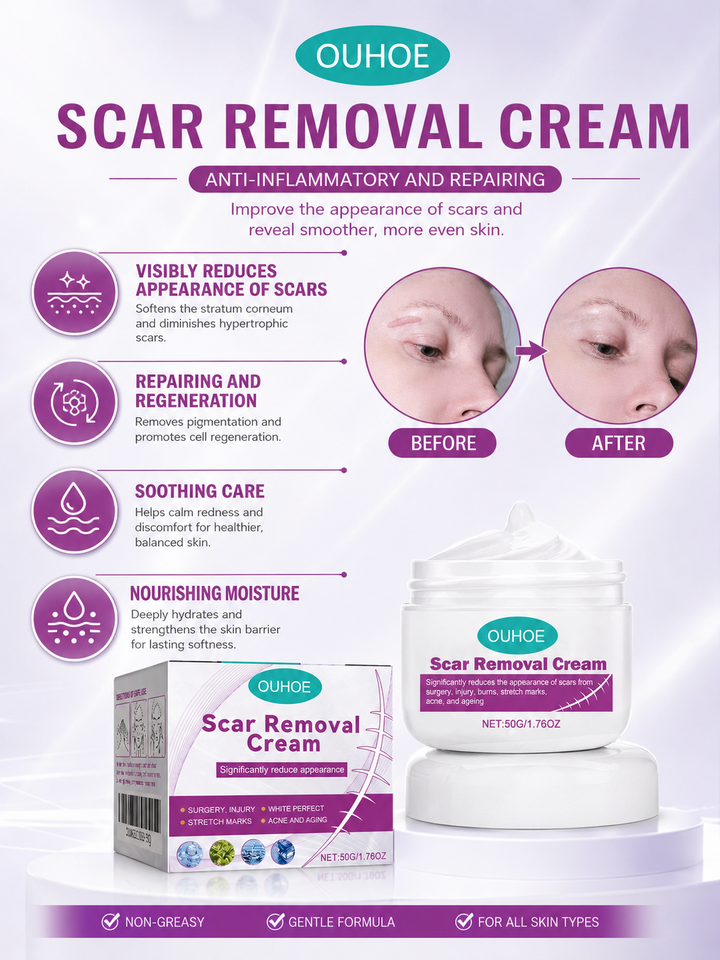
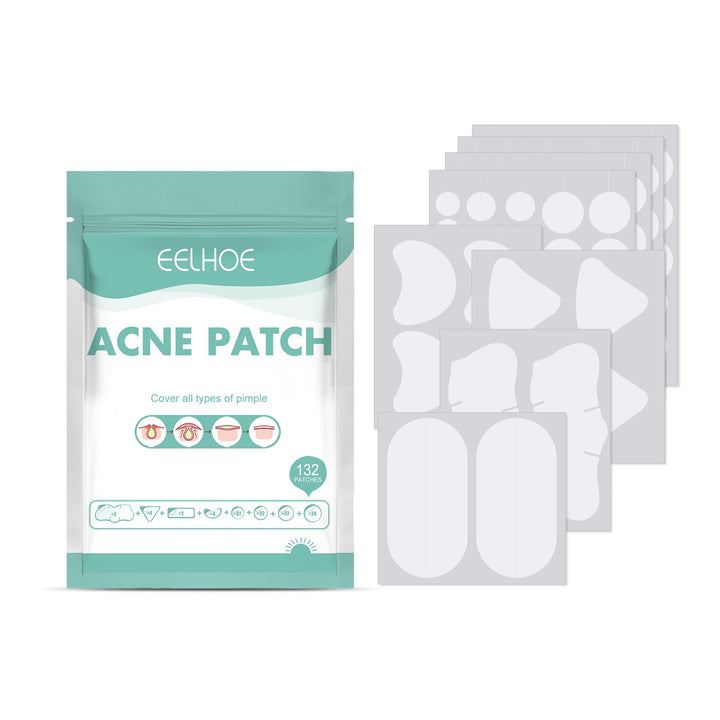
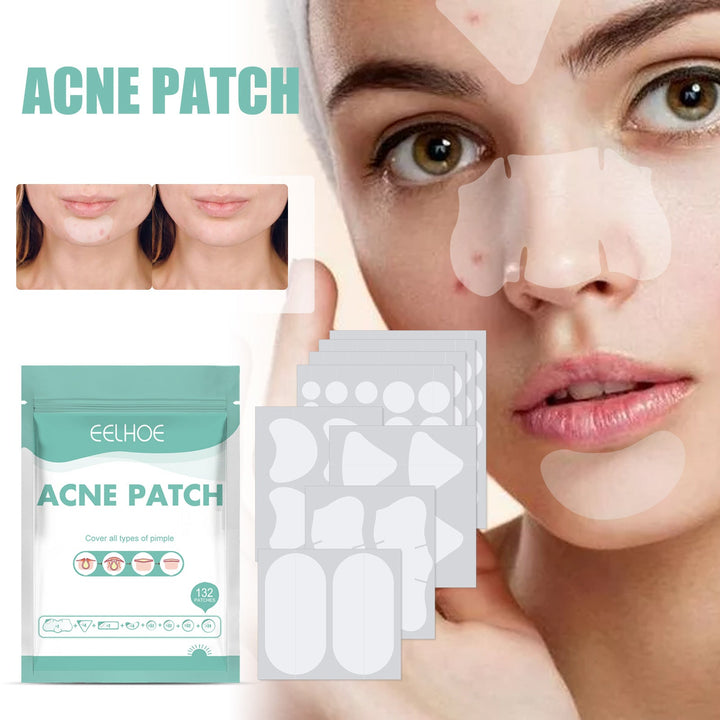
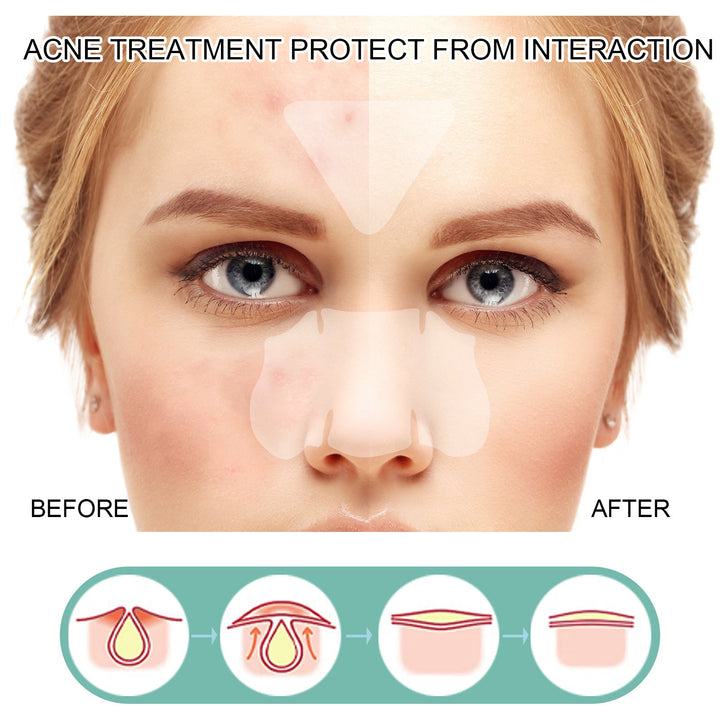
Serums and gels are spread across an area, making them useful when blemishes appear in several places. Retinol Gel 0.1% is an overnight-style treatment option, while Acne & Oxidant Drops are positioned for pimples and a more radiant-looking finish. Body Acne Gel suits blemish-prone areas beyond the face and combines calendula with aloe. Patches work differently: hydrocolloid spots cover individual blemishes, and the retinol and salicylic acid version adds targeted active ingredients. Scar Repair Serum is intended for the look and feel of uneven scar areas rather than immediate spot coverage. Compare texture, application area, and whether you prefer a leave-on serum or a protective patch.
What to look for in an acne serum for oily skin
For oily skin, look for a lightweight gel or drop formula that spreads easily without leaving a heavy finish. The Retinol Gel 0.1% and Acne & Oxidant Drops are face-focused choices, while Body Acne Gel is practical for larger breakout-prone areas. Check the active ingredients before combining products: retinol and salicylic acid can both be intensive additions to a routine, so using several active formulas at once may increase the chance of dryness or discomfort. If shine is not your only concern, choose based on placement too. A serum can cover a zone, while a hydrocolloid patch keeps treatment focused on a single visible blemish.
How to use acne serum and pimple patches
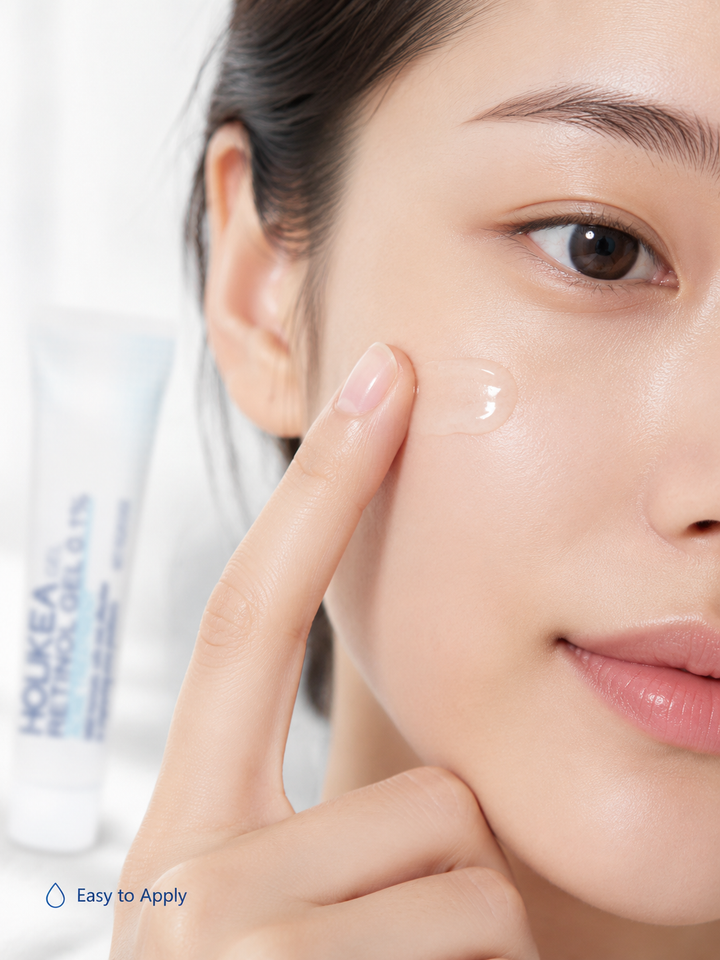
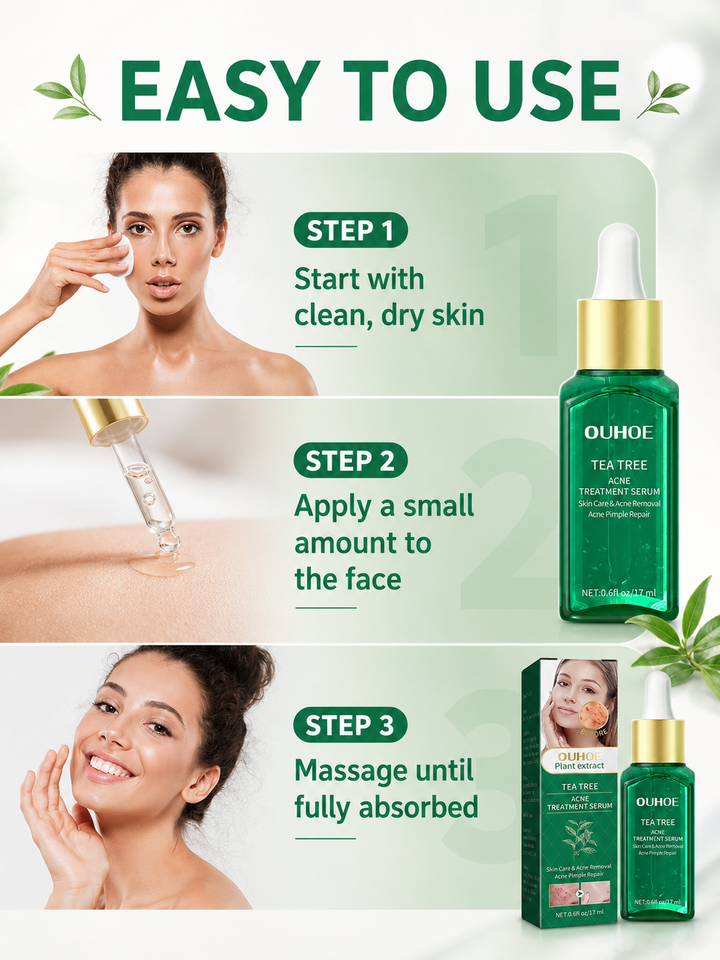
Apply serum or gel to clean, dry skin according to the product directions, avoiding the eye area and broken skin. Start a new active formula gradually rather than applying it repeatedly on the first day. Retinol products are commonly used in an evening routine; follow the label and use daytime sun protection. For patches, cleanse and dry the spot, then press the patch onto the skin and leave it in place as directed. Do not layer a serum underneath a patch unless the instructions allow it, since moisture or oils can reduce adhesion. Use one primary treatment approach at a time so you can tell how your skin responds.
What acne serum mistakes should you avoid?
A frequent mistake is treating every concern with the same product. A full-face serum is not the same as a patch for one blemish, and a scar-focused serum is not a substitute for a spot treatment. Avoid scrubbing, picking, or stacking multiple strong formulas in an effort to clear skin faster. Do not apply retinol gel or salicylic acid patches to irritated or damaged skin, and stop if persistent discomfort develops. Patches also need clean, dry skin to stay in place. Give a new routine time to show whether it suits you, and follow the package directions instead of increasing frequency because results are not immediate.
Who should use an anti acne serum or spot patch?
This category suits shoppers who want a leave-on product for recurring blemishes, a body breakout gel, or a discreet way to cover individual spots. Choose the Retinol Gel 0.1% or Acne & Oxidant Drops when you prefer a serum or gel format for facial areas. Choose Body Acne Gel for areas such as the back or chest, following its directions. Hydrocolloid patches are useful when you want a simple, no-mess spot format, while the invisible and colorful patch sets offer different visibility preferences. Scar Repair Serum is better suited to shoppers focused on the appearance of uneven scar areas. Check ingredient suitability first if you are pregnant, nursing, using prescription products, or managing sensitive skin.
Frequently asked questions
What serum is best for acne?
The best choice depends on whether you want an area treatment or targeted spot care. Retinol Gel 0.1% and Acne & Oxidant Drops are face-focused serum or gel options, while Body Acne Gel is intended for larger body areas. For individual blemishes, a hydrocolloid or active pimple patch may be more convenient than a serum.
Which serum is best to treat acne?
Choose by formula, skin area, and tolerance rather than using several products together. Retinol Gel 0.1% is one option for an evening routine, while Acne & Oxidant Drops offer a lightweight drop format. Follow the product directions and introduce one active formula at a time.
How do Koreans clear acne?
There is no single Korean routine that works for everyone. Many skincare routines emphasize gentle cleansing, lightweight layers, targeted products, and consistent sun protection, but your routine should still match your skin and the product instructions. Avoid copying a multi-step routine all at once if your skin is sensitive.
Do acne serums actually work?
Acne serums can support a consistent blemish-care routine, but results vary by formula, skin type, and how regularly the product is used. They are not instant fixes, and using more product does not necessarily improve results. Follow the label and stop if ongoing irritation occurs.
What clears up acne fastest?
There is no guaranteed fastest option for every blemish. A targeted pimple patch can provide convenient coverage for an individual spot, while a serum or gel is more suitable for applying across a recurring problem area. Do not pick or layer several active treatments in an attempt to speed things up.
Can I use acne serum every day?
Some formulas may be suitable for frequent use, but retinol and salicylic acid products should be used exactly as directed. Start gradually with a new active product and avoid combining several intensive formulas until you know how your skin responds. Use daytime sun protection when using retinol products.