Massagers: Shiatsu, Foam Rollers & Therapeutic Relief
6 items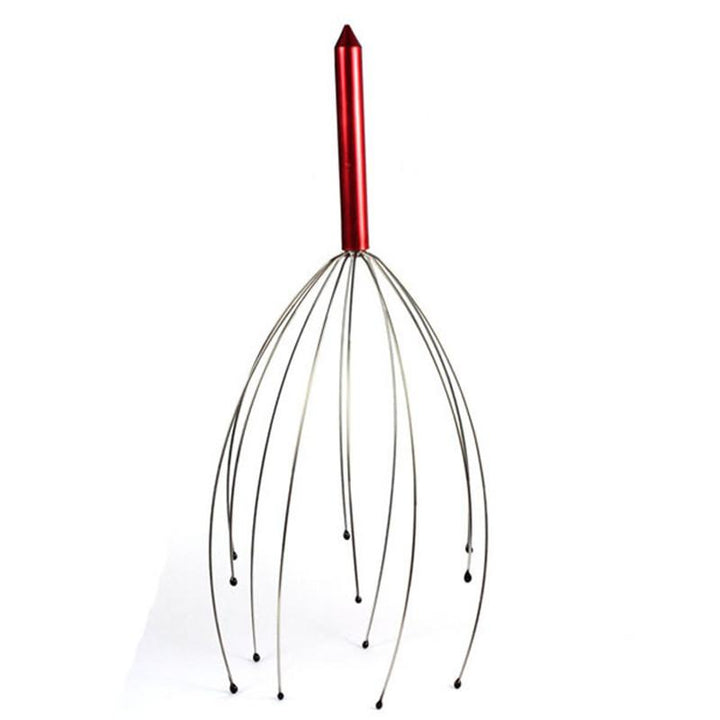


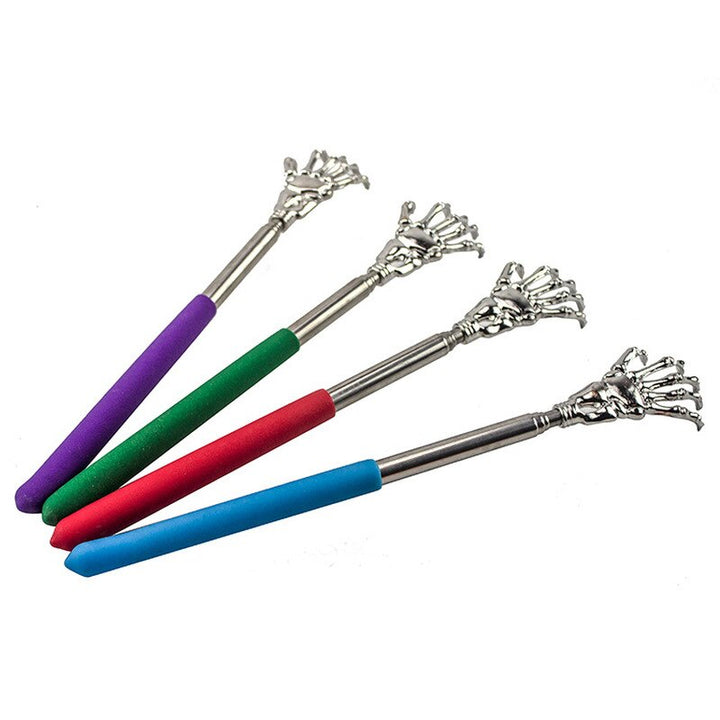
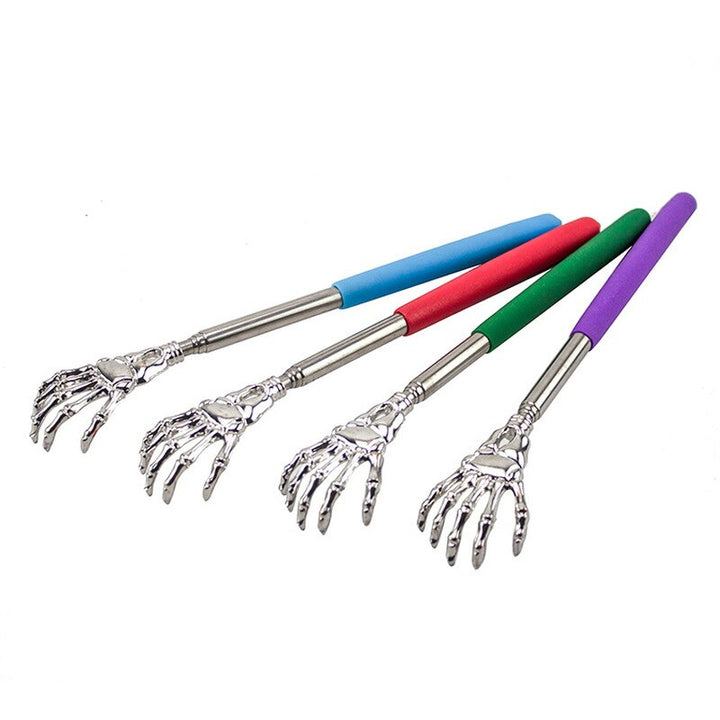


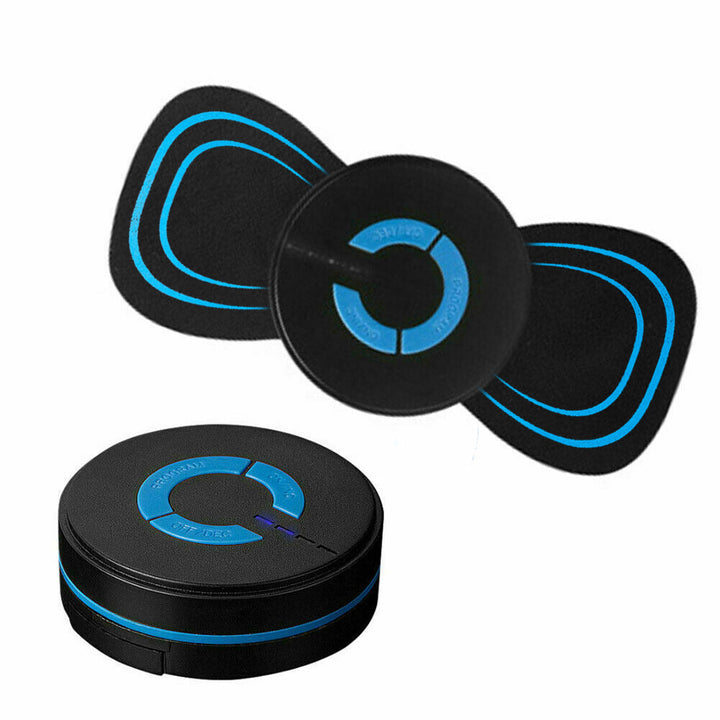


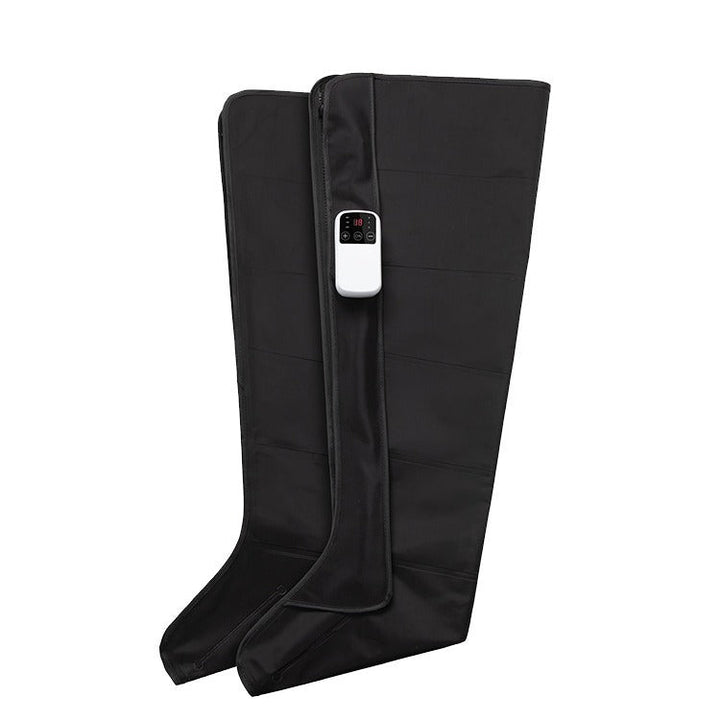
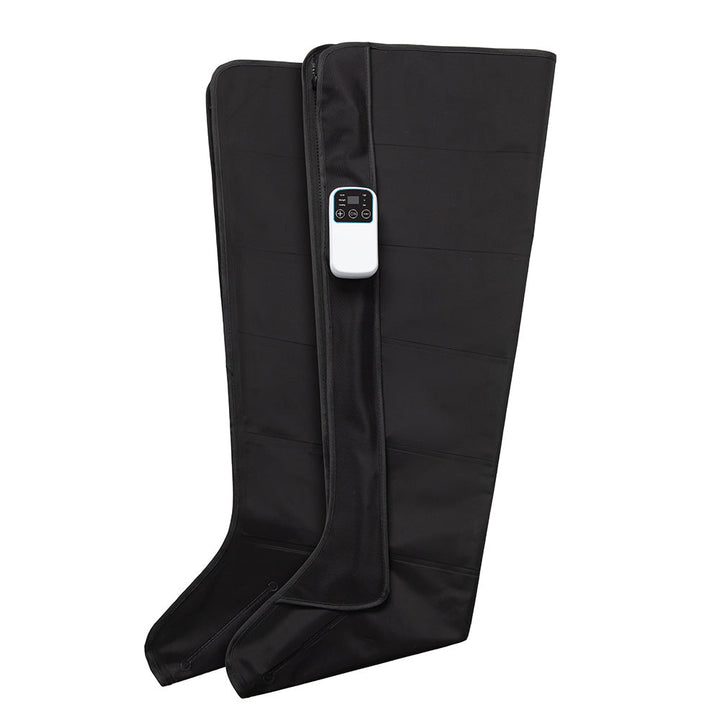
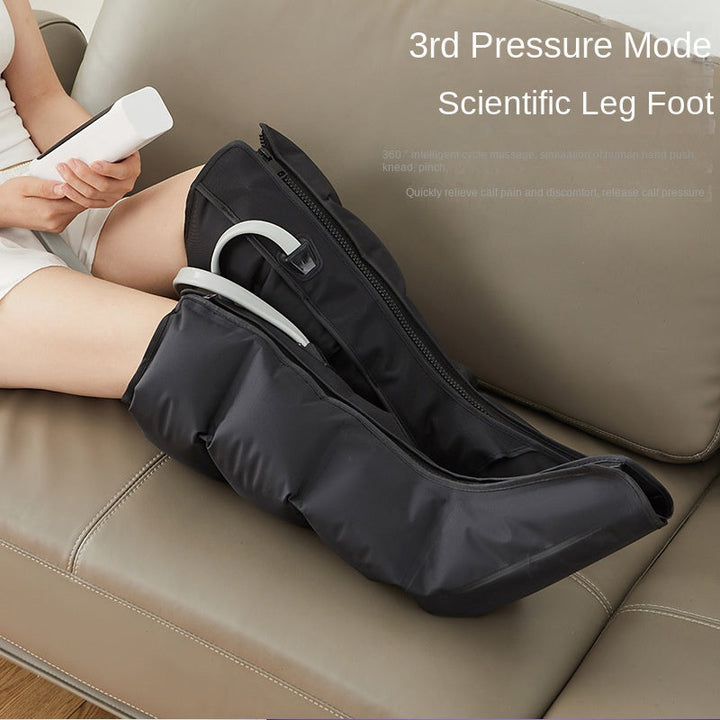


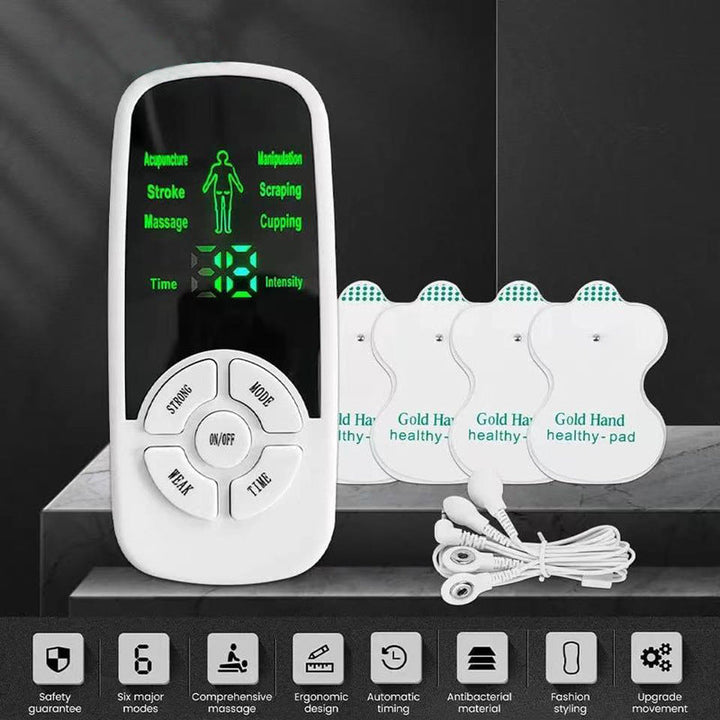


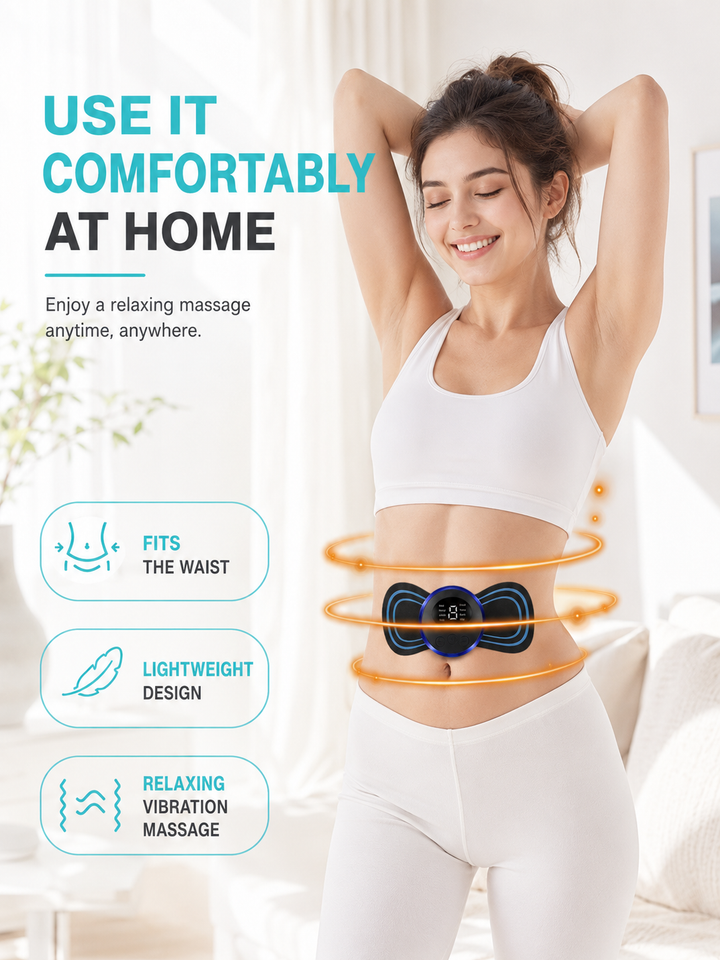
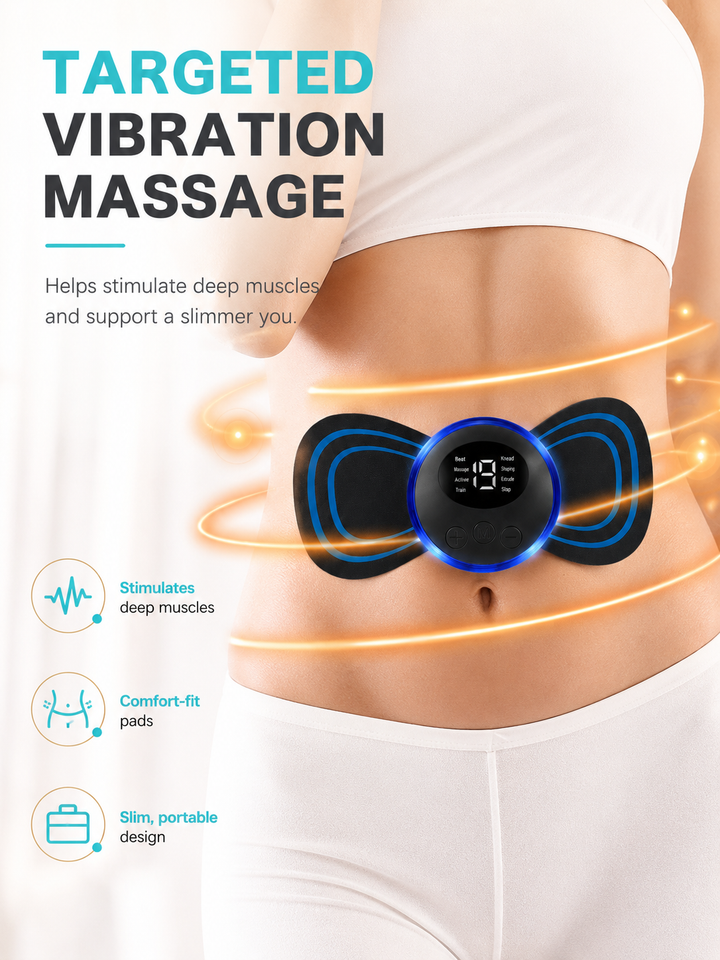
Massagers range from simple manual tools to powered devices for targeted, at-home comfort. This category includes scalp, neck, back, leg, and body-focused options, so the best choice depends on the area you want to reach, the type of sensation you prefer, and how portable the device needs to be.
How to choose the best massager for home use
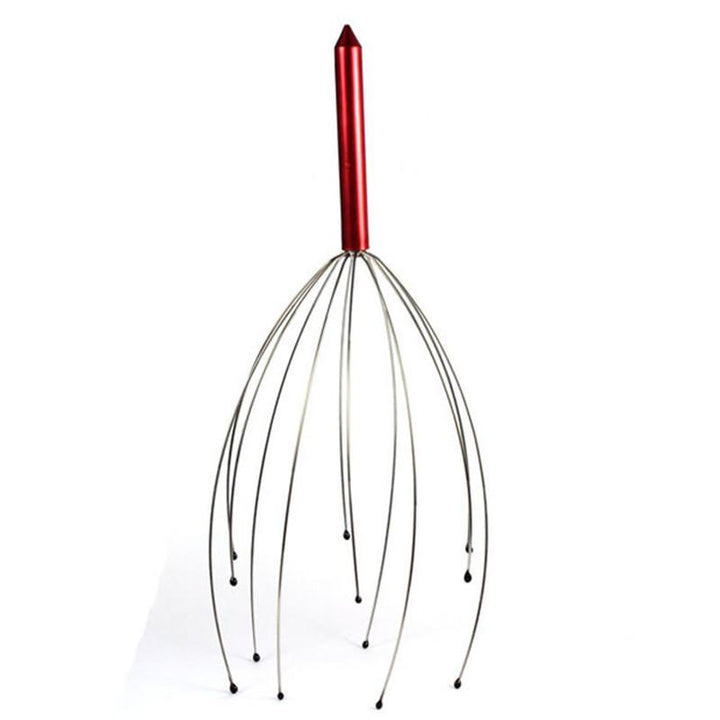
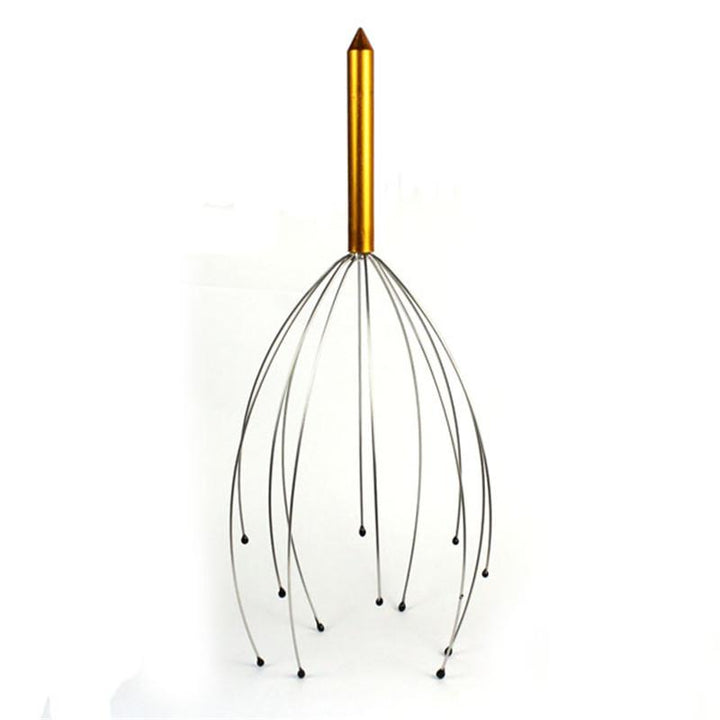
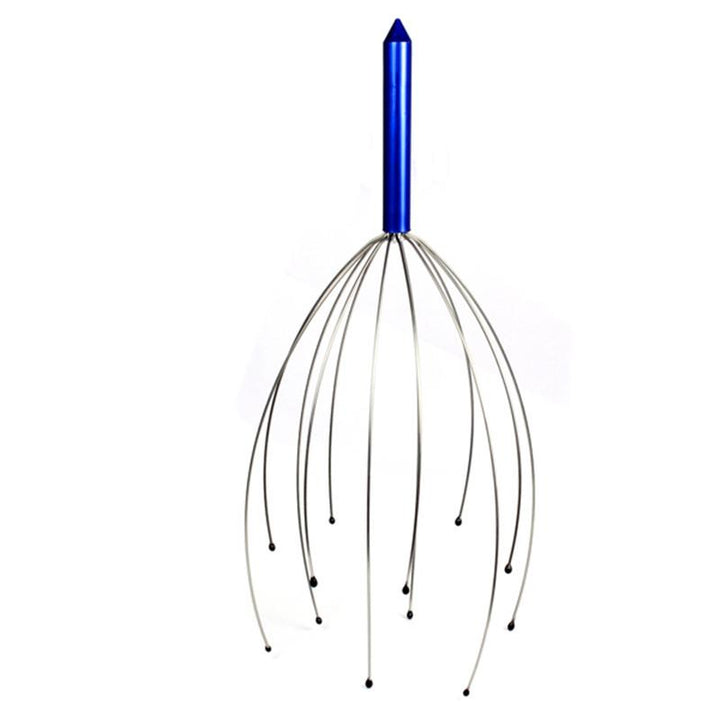
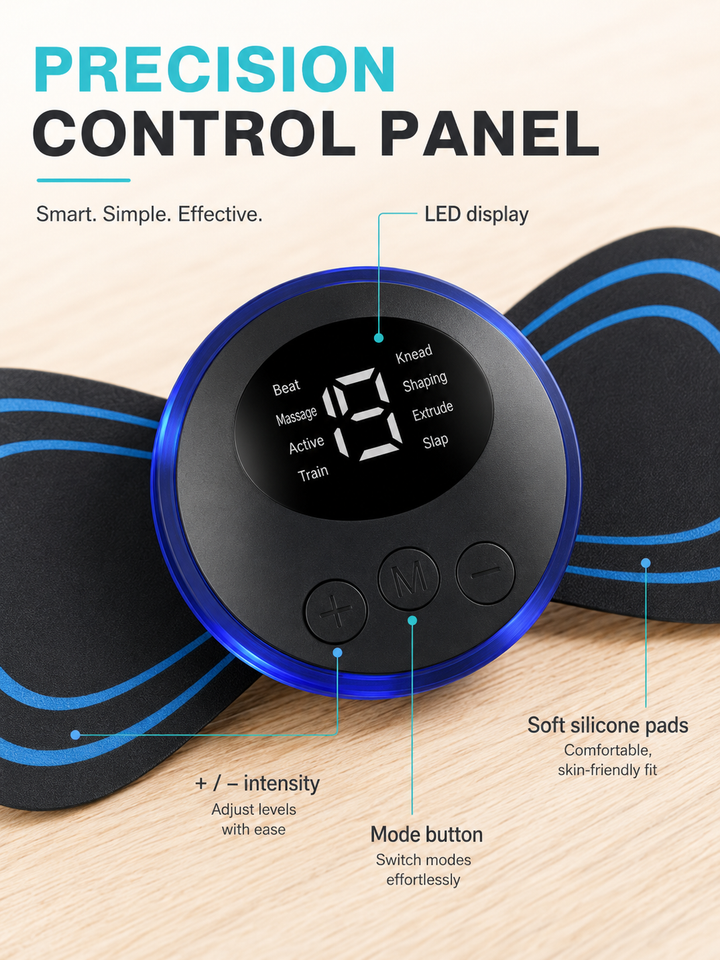
Start with the area you want to massage most often. A scalp massager is compact and easy to use while shampooing or relaxing, while a telescopic back scratcher provides simple manual reach without batteries. For powered massage, a portable electric neck massager suits targeted neck and shoulder sessions, and a cervical massager is designed around the neck and back area. An air compression leg massager focuses on a wrapping, squeezing sensation around the calves. If you want broader body coverage, consider a vibration device, checking its controls and handling before purchase. Compare power source, size, controls, adjustability, cleaning requirements, and storage. The best personal massager is usually the one that matches your routine rather than the device with the most features.
What types of massagers are there?
Manual massagers are straightforward, quiet, and ready whenever you are. The scalp massager uses flexible tips for a light, tingling sensation, while the skeleton-hand back scratcher extends to help reach difficult spots. Electric massagers add vibration or powered movement and may suit shoppers seeking a more consistent experience. A portable electric neck massager is convenient for use in different rooms, whereas a cervical massager targets the neck and back with a dedicated design. Air compression leg massagers use inflatable sections that tighten and release around the legs. Vibration body devices are intended for surface-level massage and body-care routines. Comparing these types helps distinguish full body massagers from tools designed for one specific area.
What to look for in a personal massager
Look for controls that are easy to reach and understand, especially if the device will be used around the neck or back. Adjustable intensity is useful when different users prefer different sensations, while a straightforward manual tool may be better if you want no charging or setup. Check whether the product is handheld, wearable, wraparound, or designed to rest against the body. Portability matters for office drawers, travel bags, or moving between rooms; the portable electric neck massager is built with that use case in mind. Also review the contact materials, cleaning instructions, included accessories, and charging or power requirements. For a leg compressor, check how the wraps fasten and whether their fit suits the intended user.
How to use a massager safely and comfortably
Read the product instructions before the first session and begin with the lowest comfortable setting. Keep the device moving or positioned only as directed, and avoid forcing it into tender areas. Do not use a massager on broken or irritated skin, and stop if you experience sharp discomfort, numbness, dizziness, or unusual irritation. Keep electric devices dry unless the instructions specifically allow water exposure, and clean contact surfaces as recommended. For compression leg massagers, fasten the wraps evenly without making them uncomfortably tight. Use short sessions at first so you can judge how your body responds. If you have a medical condition, are pregnant, or are unsure whether a device is suitable, ask a qualified healthcare professional before use.
How often should you use a massager?
Follow the instructions supplied with the specific product, since session guidance can differ between a scalp tool, electric neck massager, compression leg system, and vibration device. For a new personal massager, start with brief, comfortable sessions and allow time between uses to assess how you feel. Avoid increasing intensity simply because a stronger sensation seems more effective. Manual tools can be used as part of a relaxing routine, while powered devices may have recommended limits or cool-down requirements. Clean the device after use when required and inspect wraps, cables, and attachments for wear. If repeated use causes discomfort or you are using a massager for an ongoing health concern, seek advice from a qualified healthcare professional.
Who are full body and targeted massagers best for?
Targeted massagers suit shoppers who want a tool for one regular routine, such as scalp care, neck comfort, back reach, or calf compression. They are often easier to store and learn because their design has a specific purpose. Full body massagers or vibration body devices may appeal to people who want more flexible coverage, but they can require more handling and repositioning. Personal massagers can also suit couples or households when the controls, cleaning needs, and contact materials are easy to manage. Women looking for a massager should choose by intended body area, comfort, and product design rather than by gendered labels. Professional massagers may offer advanced features, but home shoppers should prioritize intuitive controls, suitable intensity, and practical storage.
Frequently asked questions
What is the best personal massager on the market?
There is no single best option for everyone. Choose a scalp massager for a simple manual sensation, a portable electric neck massager for powered neck use, a cervical massager for a dedicated neck-and-back design, or an air compression leg massager for a wraparound calf experience. The right choice depends on the area, intensity, portability, and controls you prefer.
What are female massagers called?
They are commonly described as personal massagers, body massagers, or targeted massagers, depending on their design and intended use. For this category, choose based on the body area and features rather than gender: options include scalp, neck, back, leg, and general body devices.
Are vibrating massagers good for you?
Vibrating massagers can provide a relaxing or stimulating sensation for some users, but they are not suitable for every person or situation. Use the lowest comfortable setting, follow the instructions, and stop if you notice pain, numbness, or irritation. Ask a qualified healthcare professional if you have a health concern or are unsure whether vibration is appropriate.
What is the best massager for home use?
The best home-use massager is the one that matches your preferred area and routine. Manual scalp and back tools are simple and quiet, while electric neck, cervical, leg compression, and vibration devices offer more specialized experiences. Consider storage, cleaning, power requirements, and ease of operation before choosing.
What is a good pain relief massager machine?
A neck or back massager may suit shoppers seeking comfort in those areas, while an air compression leg massager provides a different wraparound sensation for the calves. These products are designed for personal comfort and are not a substitute for diagnosis or treatment. Follow the instructions and seek professional advice for persistent or concerning pain.
How often should you use a massager?
Use it according to the product instructions, starting with brief sessions at a comfortable intensity. Allow time between uses to see how your body responds, and avoid continuing if you feel sharp discomfort, numbness, or irritation. If you are using one for an ongoing health issue, ask a qualified healthcare professional for personalized guidance.