
$43.90
Free delivery · 7–14 days
Makeup Brush Set — 10 Ultra-Soft Ombre Brushes with Rose Gold


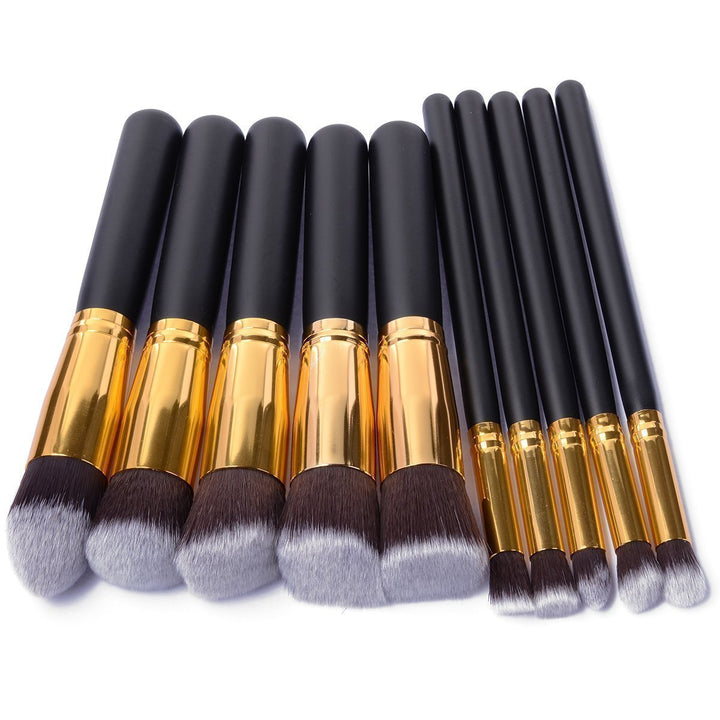


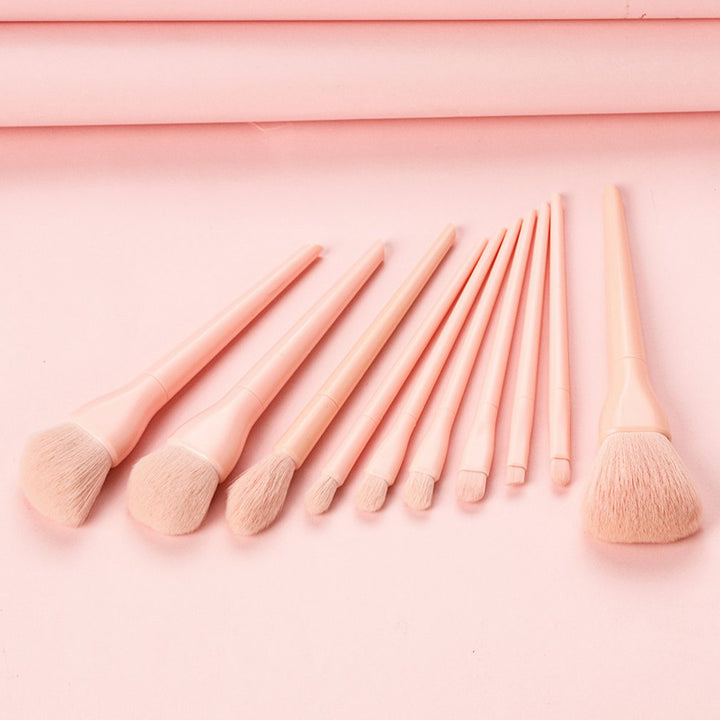


A makeup brush cleaner can make routine washing easier, especially when you use foundation, powder, cream, or eye brushes regularly. This category includes silicone cleaning mats, liquid-friendly washing tools, and electric makeup brush cleaner machines that wash and dry brushes with less hands-on work.
Start with the way you apply makeup and how many brushes you clean at once. A silicone makeup brush cleaner mat suits shoppers who want hands-on control, textured scrubbing zones, and a compact tool for sinks or travel. An electric makeup brush cleaner or makeup brush cleaner machine is more convenient when you want automated washing and drying for several brushes. Check whether the cleaner suits your brush sizes, from narrow eye brushes to dense foundation brushes. Also consider drying space, power requirements, cleaning-bowl capacity, and whether the kit includes a collar or holder. If you already have a preferred makeup brush cleaner liquid, choose a device or mat that can be used with it.
A silicone makeup brush cleaner mat uses raised textures and separate zones to work cleanser through bristles while you rinse by hand. It is simple, reusable, and easy to store, but you must wash and dry each brush yourself. A makeup brush cleaner spray is designed for quick surface cleaning between looks, although it may not replace a deeper wash for product buildup. Liquid cleanser is useful with a bowl, mat, or electric device, provided the formula and instructions are compatible with your brush materials. Electric models combine spinning, washing, and drying, with listed options for cleaning in 30 or 60 seconds. They offer speed, but require charging or batteries and careful setup.
Look for controls that are easy to understand, a stable bowl or base, and a holder that grips brush handles without squeezing them too tightly. A useful makeup brush cleaner machine should accommodate the brush sizes you own, including slender eye brushes and wider face brushes. Check how washing and drying are controlled: some models use separate steps, while others automate both functions. A splash-resistant design can help keep the surrounding counter cleaner, but always follow the product instructions around water and power. Consider cleanup after use as well. Removable bowls, accessible collars, and smooth surfaces are easier to rinse than complicated parts. If speed matters, compare the listed 30-second and 60-second models rather than assuming every electric cleaner works the same way.
Begin by separating brushes by size and removing loose powder or cream residue with a tissue. Add the recommended amount of water and suitable cleanser to the bowl, then secure one brush in the holder according to the instructions. Keep the handle and ferrule above the liquid unless the device specifically allows otherwise; soaking the handle joint can loosen bristles over time. Run the washing cycle, rinse with clean water when required, and use the drying function as directed. Do not force a large brush into a small collar or overload the machine. After cleaning, reshape the bristles and place brushes where air can circulate. A silicone mat follows a similar rinse-and-scrub process without the electric washing and drying step.
One common mistake is using too much cleanser, which can leave residue and make rinsing harder. Another is directing water into the ferrule or leaving brushes submerged for a long time. Avoid twisting or pulling bristles aggressively, and do not dry a brush upright when water could run toward the handle joint. A makeup brush cleaner mat should be rinsed after use so old product does not transfer back to clean bristles. With an electric cleaner, use only the liquid and fill level allowed by the instructions, and keep electrical parts away from water. Do not assume a makeup brush cleaner spray removes every layer of foundation or cream product. For heavy buildup, use a slower deep-cleaning cycle or repeat the wash rather than scrubbing harshly.
An electric makeup brush cleaner is useful for frequent makeup users, busy households, and anyone who wants a more consistent washing routine with less manual scrubbing. It can also suit people with a large collection of face and eye brushes, as long as the holder accepts their handle sizes. A silicone mat is a good choice for occasional users, beginners, travelers with sink access, or shoppers who prefer a low-tech makeup brush cleaner. Makeup artists and beauty students may want both: a mat for detailed cleaning and an electric machine for handling repeated batches. If you only need quick touch-ups between applications, a makeup brush cleaner spray may be more convenient. Choose based on brush quantity, product buildup, available storage, and how much automation you actually want.
Use a makeup brush cleaner liquid made for cosmetic brushes, or follow the care instructions supplied with your brushes. A silicone cleaning mat can help work cleanser through the bristles, while an electric cleaner can combine washing and drying. The best option depends on your brush materials, product buildup, and preferred cleaning method.
Dish soap may be too strong or drying for some brush fibers and finishes, so it is better to choose a cleanser intended for makeup brushes when possible. If you consider using a household soap, check the brush maker’s care guidance first and rinse thoroughly. Avoid soaking the handle or ferrule.
Makeup artists commonly choose a brush-safe liquid cleanser, a textured cleaning mat, or a professional makeup brush cleaner suited to frequent washing. The practical choice depends on how many brushes need cleaning, how quickly they must be ready, and whether hand washing or an electric makeup brush cleaner fits the workflow.
Remove loose product, wet the bristles, apply a suitable cleanser, and work it through the brush with your fingers or a silicone makeup brush cleaner mat. Rinse until the water runs clear, reshape the bristles, and dry the brush with air circulation. An electric makeup brush cleaner can automate washing and drying, but follow its fill, holder, and cycle instructions.
Regular washing with an appropriate brush cleanser helps remove makeup residue, oils, and everyday grime, but no single cleaner should be assumed to eliminate every microorganism. Follow the cleanser instructions and allow brushes to dry fully before storing them. Do not share brushes, and replace brushes that are damaged or difficult to clean.
A gentle cleanser recommended for cosmetic brushes is the safest substitute to consider, provided it suits the brush fibers and is rinsed out completely. A silicone makeup brush cleaner mat can replace a separate scrubbing tool, while an electric cleaner can reduce manual work. Check the brush manufacturer’s care instructions before trying household products.