Lens Care: Anti-Fog Wipes & Cleaning Cloths for Glasses
6 items
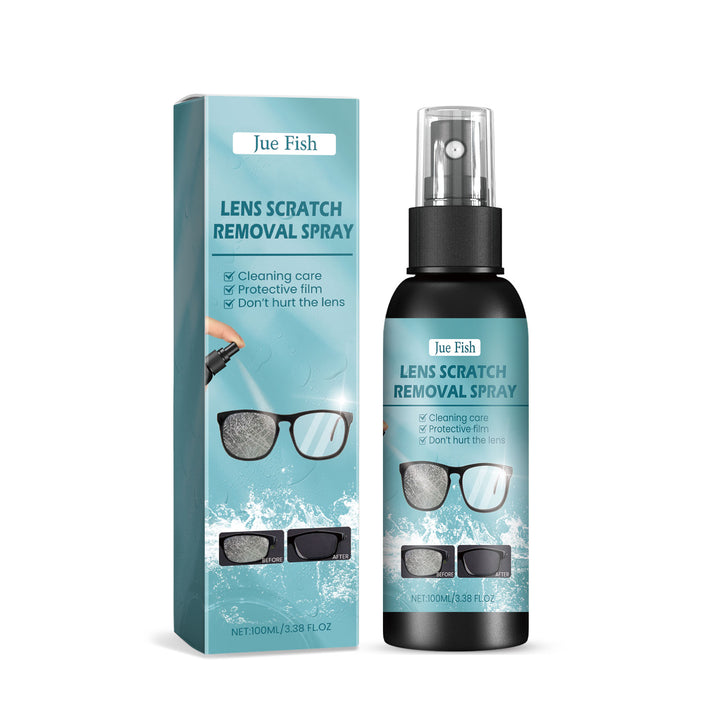
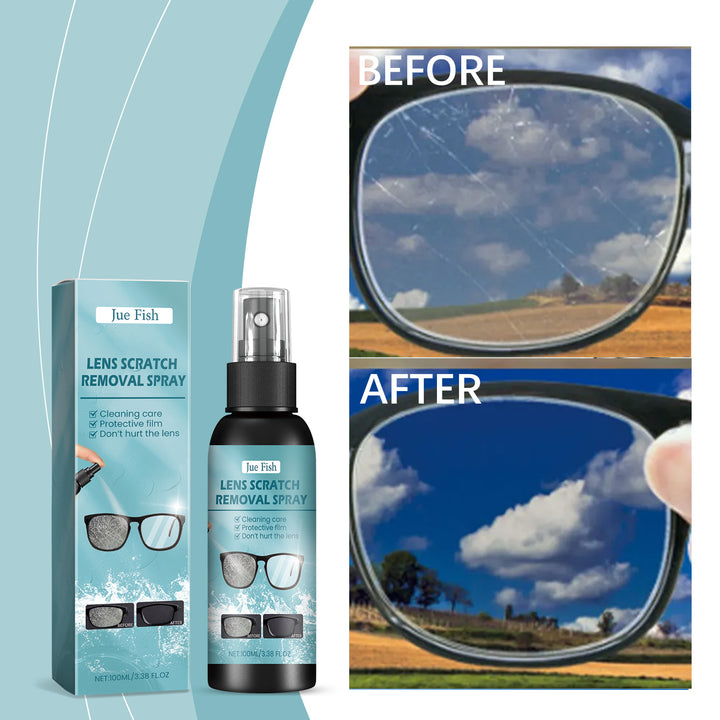
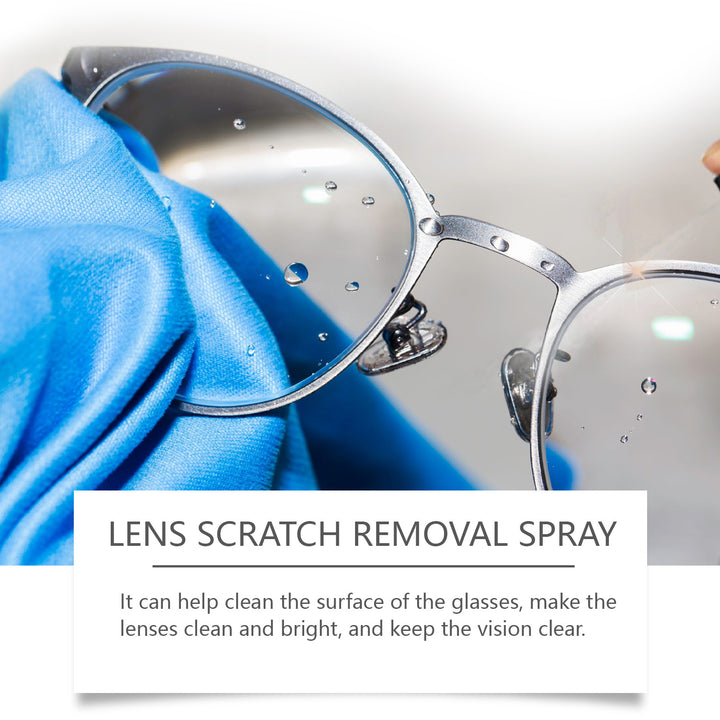

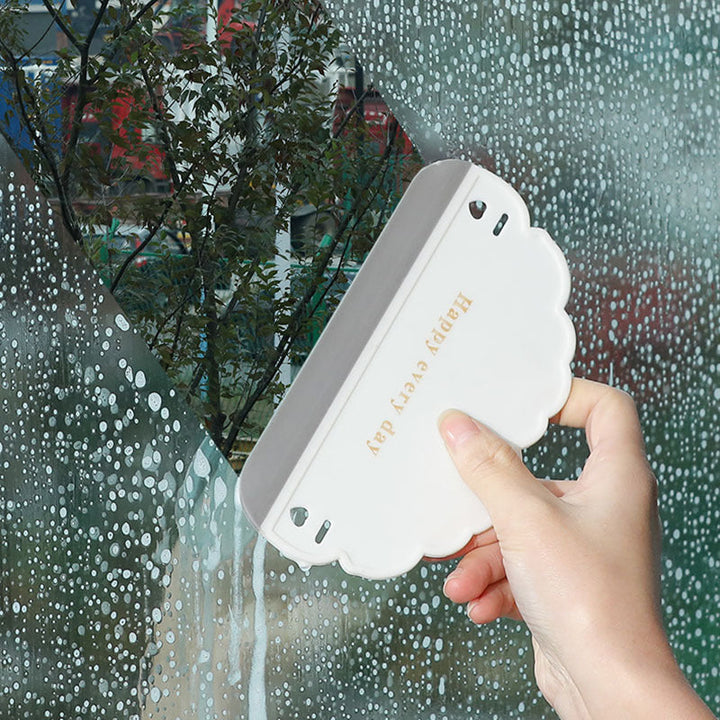

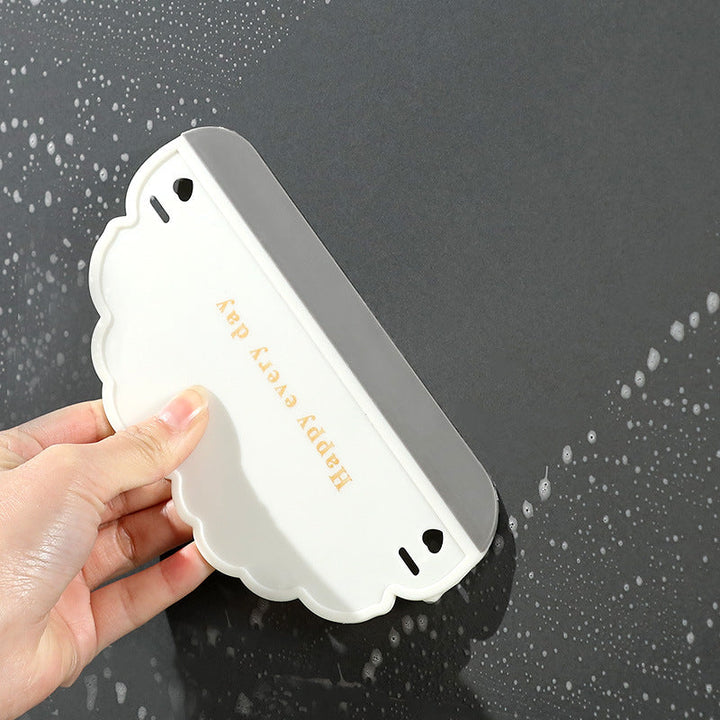

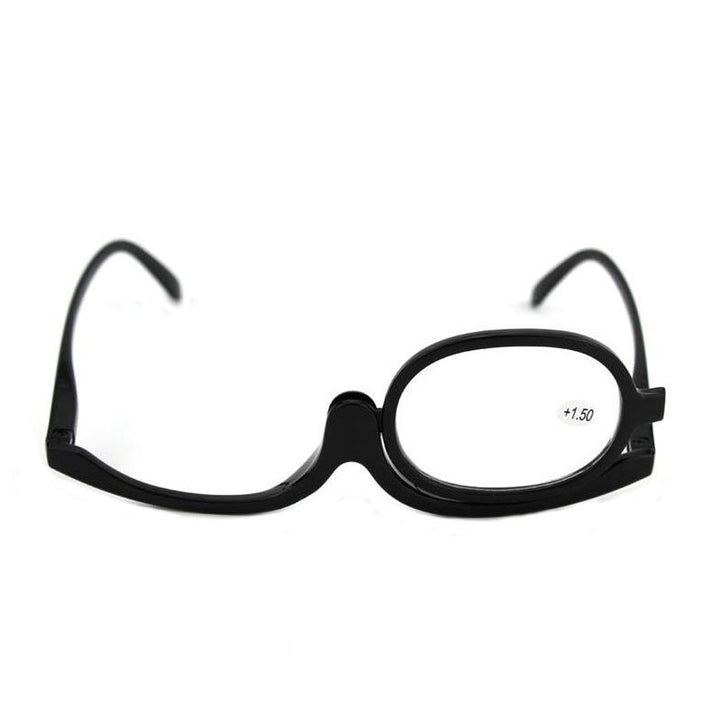
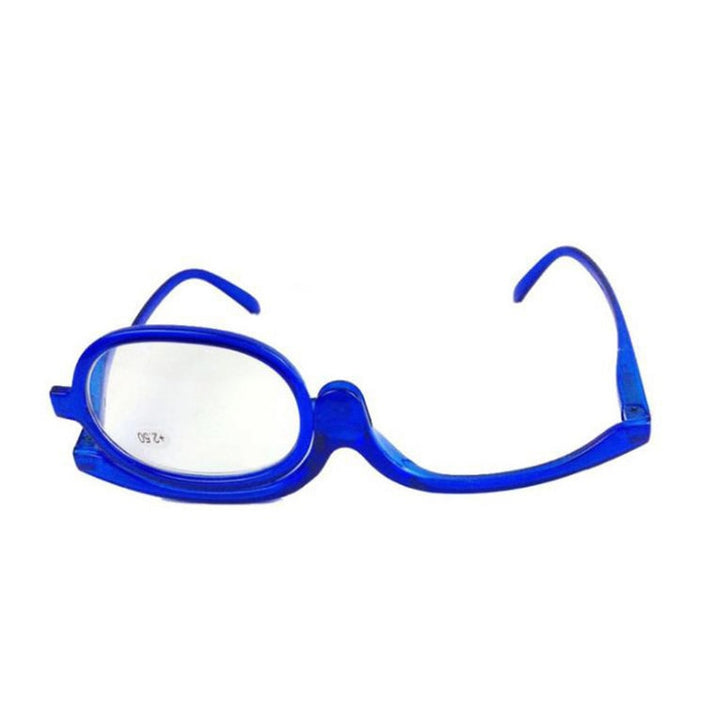
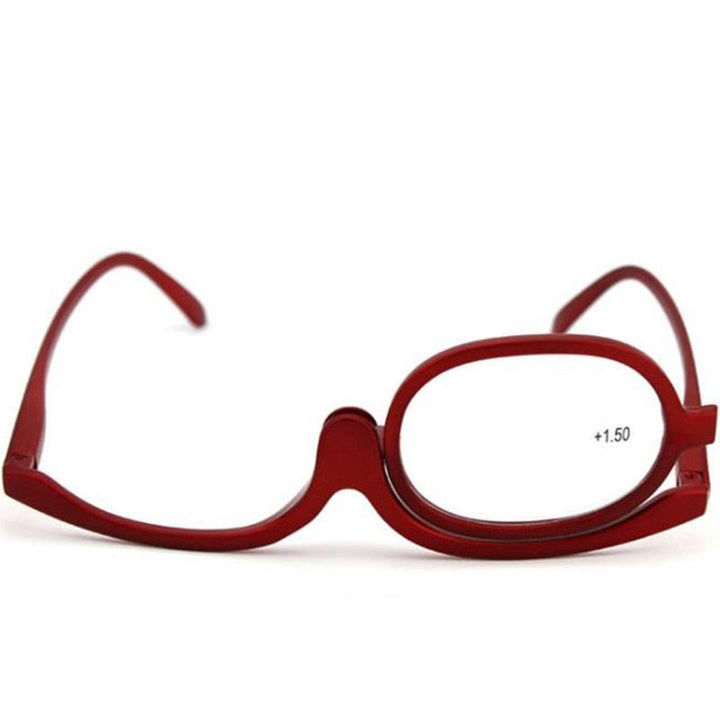





Keep glasses and other clear eyewear looking cleaner with the right lens care products for daily smudges, dust, and fog. This category includes anti-fog sprays, lens-safe cleaning cloths, scratch-remover sprays, and a few specialty items, so choose according to the lens type and cleaning task.
How to choose lens care products for glasses
Start by identifying the surface you need to clean. Anti-fog spray is designed to reduce condensation on glasses, while a glass wiper or cleaning cloth is better for fingerprints, dust, and light smears. A scratch-remover spray may help improve the appearance of some surface marks, but it cannot restore deeply scratched lenses. Check that the product is intended for eyewear before use, especially if your glasses have coatings such as anti-reflective, tinted, or blue-light filtering finishes. For everyday lens care, a soft, lint-free cloth paired with a compatible cleaner is usually the most practical combination. Reading glasses can be cleaned in the same way, but avoid treating contact lenses with glasses-cleaning products.
Lens cleaning cloths, anti-fog sprays, and scratch removers compared
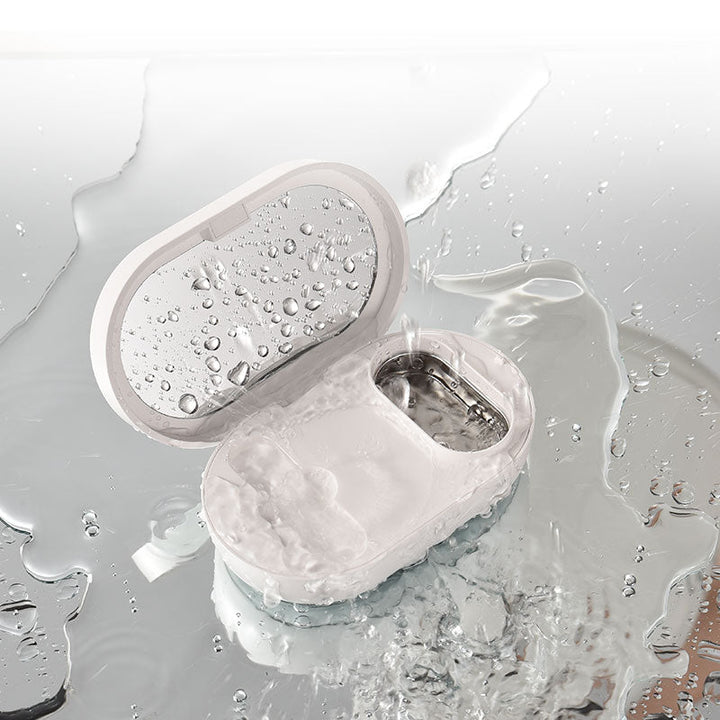
Cleaning cloths are reusable and convenient for removing fingerprints and loose debris without carrying a bottle. The cloud-shaped glass wiper is suited to quick, one-swipe touch-ups when you are away from home. Anti-fog spray is the better choice for situations where temperature changes, breath, or face coverings make lenses misty; apply it as directed and buff evenly. Scratch-remover spray is intended for clearer-looking eyewear where fine surface marks are the concern, but it is not a substitute for replacing badly damaged lenses. These products serve different purposes, so many shoppers build a simple lens care kit with a soft cloth for routine cleaning and anti-fog spray for humid or changing conditions.
What to look for in a lens care brand or product
Look for clear instructions that state the product is suitable for eyeglass lenses and compatible with common lens coatings. A good cleaning cloth should feel soft, leave minimal lint, and be easy to wash or replace. For sprays, check whether the formula is intended for daily cleaning, anti-fog use, or cosmetic surface improvement rather than assuming one product does everything. Compact packaging is useful for handbags, desks, cars, and travel. If you are comparing lens care brands, focus on stated use, application steps, and the type of lens supported instead of choosing by name alone. Contact lens solution is a separate category: do not use glasses spray, wipes, or cloths on lenses that go in your eyes.
How to use anti-fog wipes, sprays, and cleaning cloths
Wash or rinse your hands before handling eyewear, then remove loose grit with clean water or a gentle air puff when possible. Apply only the amount of lens cleaner recommended on the packaging, and wipe with a clean, soft cloth using light pressure. For anti-fog spray, cover both lens surfaces evenly, allow the product to work as directed, and buff away excess without using a paper towel or rough fabric. Keep the cloth free from makeup, oils, and grit by washing it according to its care instructions. Store sprays upright and close the cap after use. If your lenses remain cloudy after cleaning, inspect for coating damage or scratches rather than repeatedly rubbing the surface.
Common lens care mistakes to avoid
Avoid wiping dry lenses when they contain visible dust or grit, since rubbing particles across the surface can create additional marks. Paper towels, tissues, clothing, and household glass cleaners may leave lint, contain rough fibers, or include ingredients that are not intended for eyewear coatings. Do not assume rubbing alcohol is safe for every lens finish, and never mix cleaning products. Spraying directly onto frames, nose pads, or electronic accessories can also cause buildup or damage, so follow the product directions. Keep one cloth for lenses rather than using a cloth that has cleaned screens, countertops, or makeup. If a product is labeled for contact lens care, use it only for its stated purpose and not as a substitute for eyeglass cleaner.
Who should buy specialty lens care products?
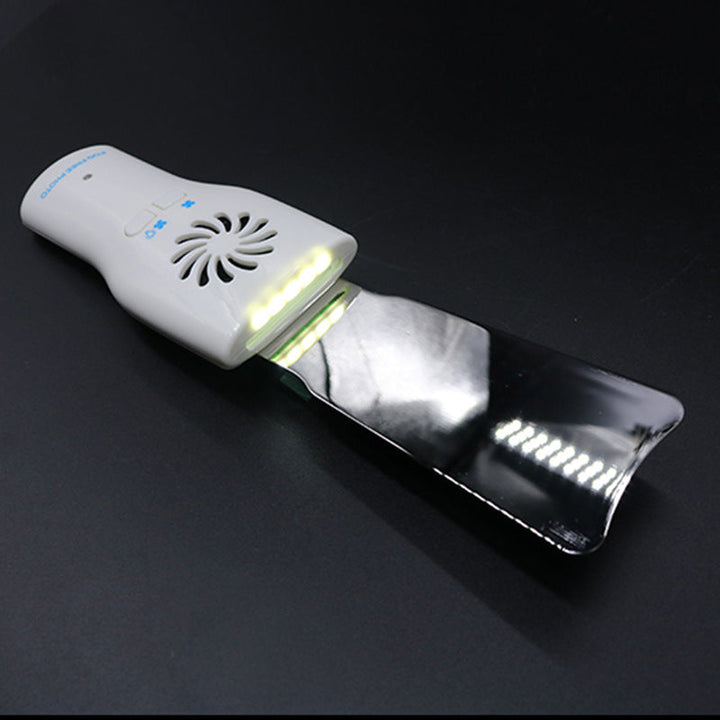
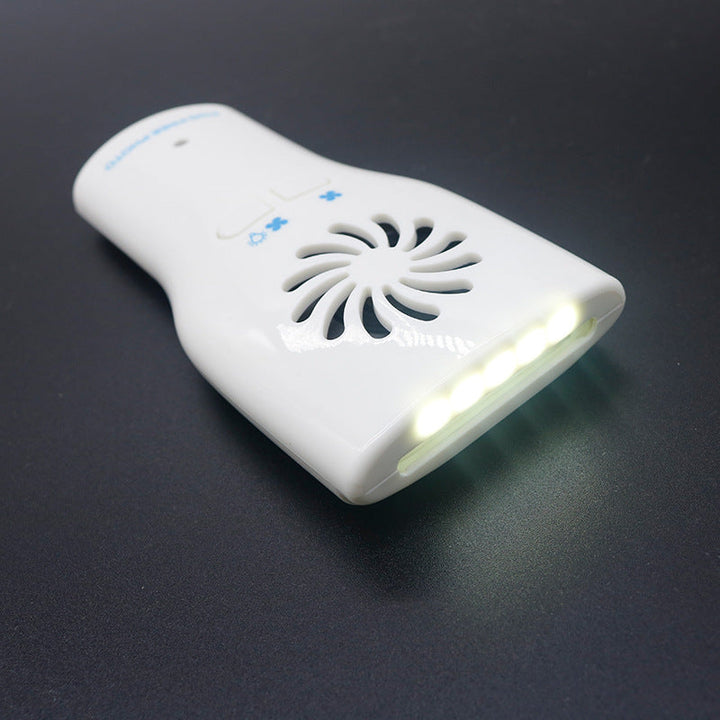
Anti-fog spray suits people who move between cold and warm environments, wear masks, exercise outdoors, or work around steam. A compact glass wiper or reusable cleaning cloth is useful for commuters, students, travelers, and anyone who frequently handles glasses. Scratch-remover spray may appeal to shoppers whose eyewear has minor cosmetic surface marks, provided the product matches the lens material and coating. The women's magnifying reading glasses in this category are an eyewear purchase rather than a cleaning accessory, while the LED dental mirror is a specialty viewing tool with an anti-fog feature, not a replacement for glasses care. Shoppers looking for monthly contact lens care or contact lens care solution should use products specifically labeled for contact lenses and follow their eye-care professional's instructions.
Frequently asked questions
How do I fix cloudy eyeglass lenses?
First rinse away loose dust, then use an eyewear-compatible cleaner and a clean, soft lens cloth. If cloudiness remains, the lenses may have residue, coating wear, or scratches that cleaning cannot remove. Avoid household glass cleaner and repeated dry rubbing.
Is lens cleaner just Windex?
No. Eyewear lens cleaners are formulated and labeled for use on glasses, while household glass cleaners may contain ingredients that are unsuitable for some lens coatings or frames. Choose a product specifically marked for eyeglasses and follow its directions.
What is the best thing to clean your glasses lenses with?
Use clean water to remove loose debris, an eyewear-safe lens cleaner when needed, and a soft, lint-free microfiber-style cloth. A dedicated glass wiper can also work for quick touch-ups. Keep the cloth clean so it does not transfer oil or grit back onto the lenses.
Is lens cleaner just rubbing alcohol?
Not necessarily. Lens cleaners can use different formulas, and rubbing alcohol may not be suitable for every lens coating, frame, or finish. Use only a product labeled for your eyewear rather than substituting household alcohol without checking the lens maker's guidance.
Is mild dish soap good for cleaning eyeglasses?
A small amount of plain, mild dish soap can be suitable for some eyeglasses when rinsed thoroughly, but avoid formulas with moisturizers, abrasives, bleach, or added chemicals. Dry with a clean lens cloth and check the care instructions for coated lenses. A dedicated eyewear cleaner is a more consistent option.
What can I use instead of lens cleaning solution?
For eyeglasses, clean water followed by a soft, lint-free cloth can handle light dust and fingerprints. Mild soap may be appropriate for some glasses if the lens-care instructions allow it. Do not substitute glasses cleaner, soap, or household products for contact lens solution; contact lenses require products specifically made for them.