
$64.90
Free delivery · 7–14 days
Car Plastic Restorer for Faded Black Interior & Trim


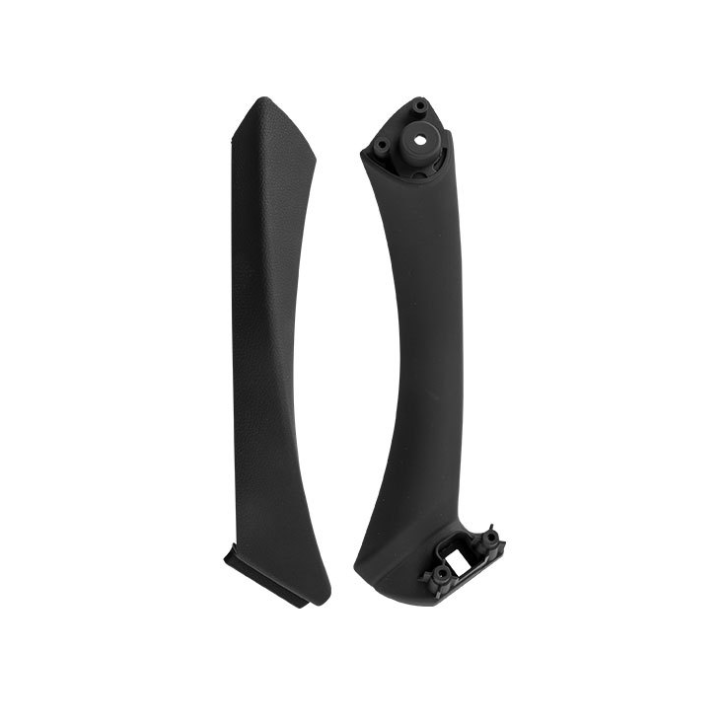
Refresh your vehicle’s interior trim with practical products for faded plastics, water marks, door gaps, and damaged handle surrounds. This category includes plastic restorers, coating agents, cleaners, and an OEM-fit door handle trim cover set for targeted interior updates.
Start by identifying the condition and material of the part you want to refresh. For faded black dashboards, door panels, and plastic accents, choose an automotive plastic restorer or plastic coating agent. For water marks, dirt, and buildup around interior trim door gaps, use a car water stain cleaner before applying any restorative product. If a door handle surround is cracked, scratched, or missing its original finish, a fitted trim cover set may provide a cleaner visual update than a surface treatment. Check the product description for interior use, compatible surfaces, finish type, and application method. Test any liquid product on a small hidden area first, especially on textured plastic, painted trim, or surfaces with a soft-touch coating.
Interior trim products serve different purposes, so compare them by the problem they solve. Water stain cleaners are intended for marks and residue in gaps, doors, and surrounding trim. Plastic restorers and sprays are designed for faded-looking interior plastics, particularly black panels and accents. A coating agent can be useful when you want to revive the appearance of several plastic trim pieces with a more uniform finish. A BMW door handle trim cover set is a physical replacement-style accessory for a specific vehicle area and should be matched carefully to the model and handle design. These options cover common interior trim car projects, from cleaning and color restoration to replacing a visibly worn door-handle surround.
Useful interior trim and supply listings should clearly explain where the product can be used and what preparation it requires. Look for compatibility with automotive plastic, the intended finish, whether the surface should be clean and dry, and whether the product is a spray, liquid, or fitted cover. For restorers, application control matters: a spray can help cover broad panels, while a liquid or coating agent may suit careful work around seams and textured areas. For cleaners, confirm that the formula is intended for vehicle interiors rather than exterior paint or glass. For covers, check vehicle fitment, piece count, attachment method, and whether the design matches your existing handle trim. Clear instructions are especially helpful for first-time interior trim projects.
Begin by removing loose dust and debris with a soft cloth or suitable interior brush. Use the water stain cleaner on affected gaps, doors, or trim, following its directions, then allow the area to dry fully. Mask nearby fabric, screens, glass, and other surfaces before using a plastic restorer, spray, or coating agent. Apply a small amount or light coat to an inconspicuous section first, then work in even passes rather than flooding textured plastic. Wipe away excess where instructed and allow the finish to settle before judging the result. If you are fitting a door handle trim cover, clean and dry the mounting area, test the alignment, and press the cover into place only when you are satisfied with the fit.
One common mistake is applying a restorer over dust, grease, or water staining, which can leave an uneven finish. Another is using too much product at once; heavy application may collect in seams, switches, or textured surfaces. Avoid assuming that every interior trim product is suitable for leather, vinyl, screens, painted panels, or soft-touch finishes. Do not skip a hidden-area test, particularly on older plastics that may already be brittle or peeling. When installing a trim cover, forcing an incorrect fit can interfere with the handle or leave visible gaps, so confirm the vehicle application before opening the adhesive or removing backing. Keep cleaning and restoration products away from controls until the surface is fully dry.
These products suit drivers who want a focused interior refresh without replacing complete door panels or dashboards. A plastic restorer or coating agent is useful for faded black trim and broad plastic areas, while a water stain cleaner suits localized marks around doors and gaps. A fitted door handle trim cover is better for shoppers addressing one damaged or unattractive handle surround and seeking an accessory matched to a specific vehicle. They are also practical for detailers, used-car preparation, and interior trim ideas based on restoring the original parts rather than changing the cabin completely. The electric lady shaver listed in this category is a personal-care item, not an automotive interior trim solution, so choose only products described for vehicle surfaces.
Interior trim is the collection of finishing parts inside a vehicle, including door panels, handle surrounds, dashboard accents, pillar covers, and other plastic or decorative pieces. In this category, interior trim products are intended to clean, restore, coat, or cover selected automotive plastic surfaces.
Trim is a broad term for finishing or covering pieces used around an interior. Molding usually refers to a shaped strip or profile used to edge, frame, protect, or add visual detail. In a vehicle, a door-handle surround can be considered trim, while a narrow decorative strip may be described as molding.
Yes. In homes, baseboards are commonly described as a type of interior trim because they finish the joint between walls and floors. They are unrelated to automotive interior trim products, which are made for vehicle doors, panels, handles, and plastic accents.
For vehicle interiors, clean-looking black plastic, subtle decorative accents, and well-fitted replacement-style covers remain practical choices. Many shoppers prefer restoring the original texture and color rather than adding a highly reflective finish, especially on door panels and handle surrounds.
Baseboard trends belong to residential interior design rather than vehicle trim. Common choices include simple profiles, clean lines, and finishes that coordinate with walls or flooring; for automotive interiors, focus instead on compatible materials, correct fit, and a finish appropriate for the existing plastic.
Black is a dependable choice for many vehicle interiors because it coordinates with common dashboards, door panels, and factory plastic accents. If you are using a restorer or coating agent, choose a finish that blends with the surrounding trim and test it first on a hidden area.