Hairdressing Razors & Feather Cutting Razors for Styling27 items


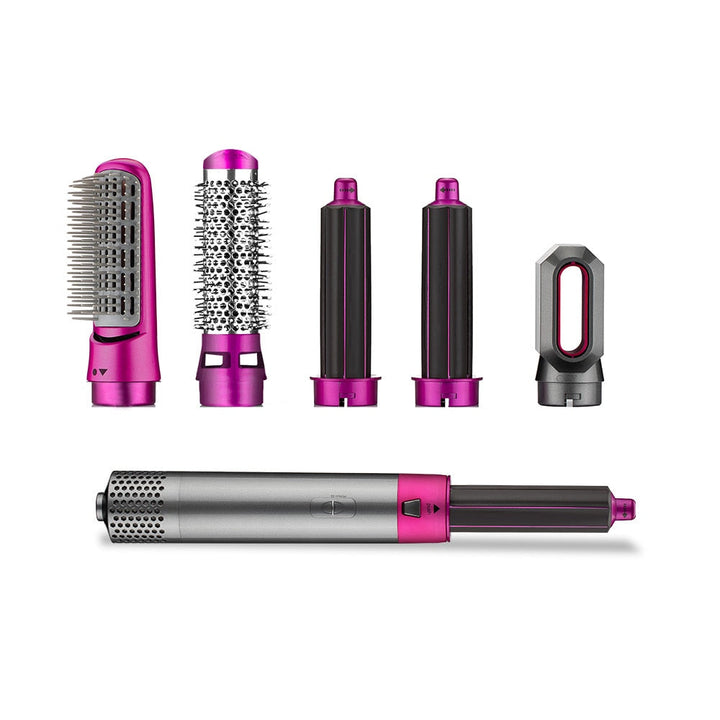



Hair razors can create soft texture, tapered ends and feathered movement, while complementary styling tools help finish the look. This category includes the Refined Steel Hair Carving Pen alongside braiding, curling, drying and heatless styling accessories, so you can choose a complete routine for salon-inspired results at home.
How to choose a hair razor for cutting and styling
Start by deciding whether you need to remove bulk, soften an edge or create visible texture. A professional razor for hair cutting usually has a guarded or replaceable blade designed for controlled slicing, while a carving pen is intended for more detailed styling work. Check the handle shape, grip and blade access before buying; comfortable control matters when working around the fringe, layers or neckline. If you are shopping for hair razors salon professionals use, look for a balanced tool that can be cleaned easily and held at a consistent angle. For home styling, choose a design with clear handling instructions rather than focusing only on decorative finishes such as Damascus-style steel. Pair the cut with a diffuser, rollers or curler when you want to refine the final shape.
What are the different types of hair razors?
Hair razors are commonly grouped into feather razors, texturizing razors and carving tools. A feather razor is used to create tapered, airy ends and blended layers. A texturizing razor removes selected weight while leaving movement, but it requires a controlled technique to avoid uneven sections. A carving pen is a smaller styling implement suited to detail work and precise visual effects; the Refined Steel Hair Carving Pen in this category is positioned for that type of use. The phrase razor blade for hair can refer to a replacement blade, a guarded razor head or a complete cutting tool, so read the listing carefully. Automatic braiders, rollers and curlers are not hair razors, but they can help style and finish a razor-textured cut.
What to look for in the best hair razors
The best hair razors for your routine should match your experience, hair texture and desired finish. Look for a secure grip, a protective blade design and straightforward cleaning or replacement guidance. A guarded head can provide more control for beginners, while experienced stylists may prefer a slimmer tool for detailed feathering. Consider whether you will work on wet, towel-dried or dry hair, since the tool instructions should specify the intended use. If you are comparing hair razors for women, do not choose based on gender; select according to length, density, texture and the style you want. A carving pen may suit small detailing, while a diffuser, automatic curler or silicone rollers can add shape without using a cutting blade.
How to use a hair razor safely for styling
Begin with clean, detangled hair and follow the tool’s instructions for wet, damp or dry use. Separate the hair into manageable sections and start with a small amount of texture rather than removing too much at once. Hold the strand with light tension, keep the tool at a consistent angle and use short, controlled strokes away from your fingers and skin. Avoid pressing hard or repeatedly scraping the same area. Check both sides as you work, then style the result with a diffuser, rollers or curler if needed. A hair razor is a cutting tool, so keep it away from children, store it with its guard or cover when supplied, and clean it according to the manufacturer’s guidance.
What are the common mistakes when razor cutting hair?
A frequent mistake is using a razor on hair that is too wet, too dry or unsuitable for the tool’s instructions. Another is removing large sections before checking the shape, which can make the finish look uneven. Excessive pressure, a blunt blade and repeated passes can also create a rough-looking result. Avoid razor cutting fragile, highly processed or very tightly textured hair unless you have the right technique and professional guidance; the finish may not be predictable. Do not confuse a carving pen with a standard razor blade for hair, and never improvise with an unguarded household blade. If you are unsure, use the tool only for small details and rely on braiders, heatless rollers or a diffuser for styling rather than cutting.
Who do hair razors suit best?
Hair razors suit shoppers who want tapered ends, light layering or a deliberately textured finish and who can work slowly with sectioned hair. They are especially useful for people comfortable with basic hair-cutting technique or stylists seeking a compact detailing tool. They may be less suitable for anyone wanting a blunt, solid line, because razor work is intended to soften rather than create a sharply uniform edge. Very curly, coarse, fragile or chemically processed hair may need a strand test and an experienced approach before full use. For a lower-risk styling routine, choose the category’s automatic braider, hair band set, diffuser, automatic curler or silicone rollers. These products change shape and finish without replacing a cutting tool.
Frequently asked questions
What is the best razor for hair?
The best hair razor depends on the finish, hair texture and your experience. Choose a guarded, easy-to-control design for general home use, or a precision carving tool for small detailing. Always check whether the product is intended for wet, damp or dry hair and whether replacement blades are available.
Do hair razors damage hair?
A hair razor can leave an uneven or rough-looking finish if it is blunt, used with too much pressure or applied repeatedly to the same section. Results also depend on hair condition and technique. Use the correct tool, follow its instructions and consider professional help for fragile or heavily processed hair.
What is a hair razor called?
It may be called a feather razor, hair-cutting razor, texturizing razor or razor comb, depending on its blade and design. A smaller detailing tool may be described as a hair carving pen. Product listings should state whether the item includes a guarded head, replaceable blade or complete handle.
Is it better to razor cut wet or dry hair?
There is no single rule because tools and hair types differ. Use the condition specified in the product instructions, and avoid guessing if the listing is unclear. When trying a new tool, work on a small section first so you can assess control and the resulting texture.
What type of hair should not be razor cut?
Razor cutting may be difficult to control on very fragile, heavily processed or tightly textured hair, particularly without suitable training. It can also be a poor choice when you want a crisp, blunt line. A strand test and advice from an experienced stylist can help determine whether the technique suits your hair.
What are the cons of a razor haircut?
Possible drawbacks include a less uniform edge, unwanted texture and difficulty correcting sections if too much hair is removed. The result can also vary with hair condition, moisture and technique. Choose a guarded tool, remove small amounts gradually and use a different styling accessory when you want shape without cutting.