Glass Cooktop & Stove Top Cleaners for a Streak-Free Shine
7 products
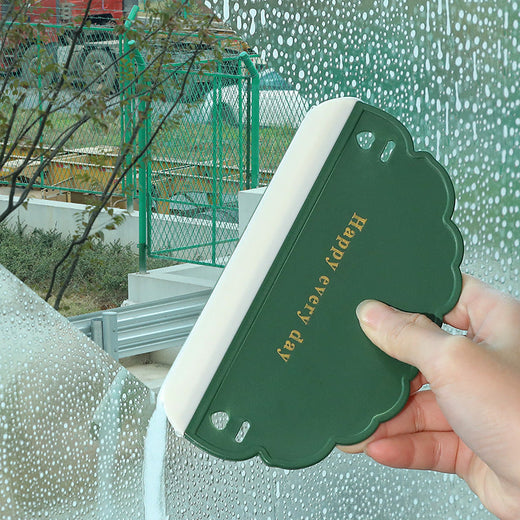
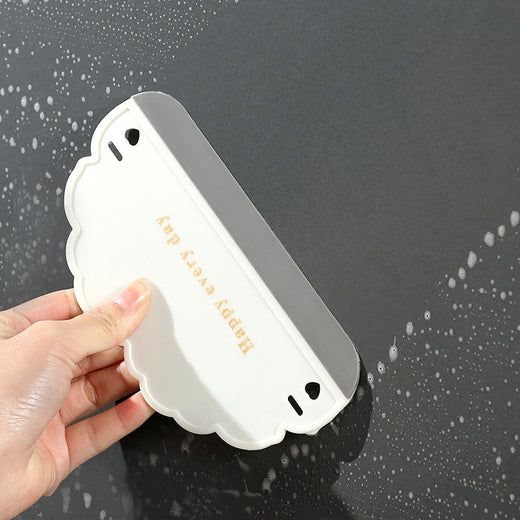
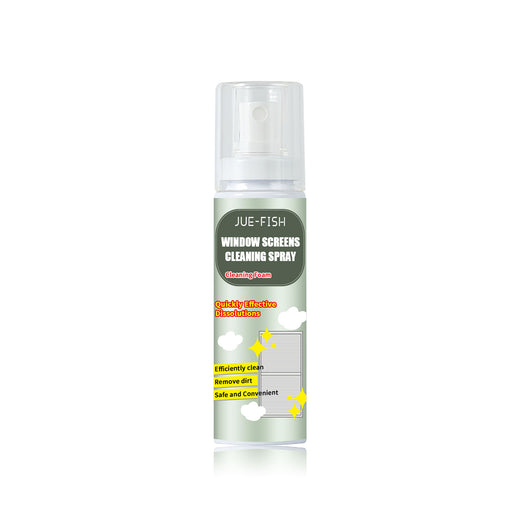
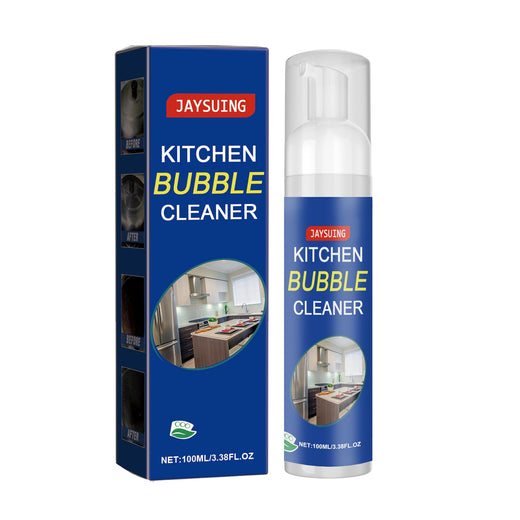
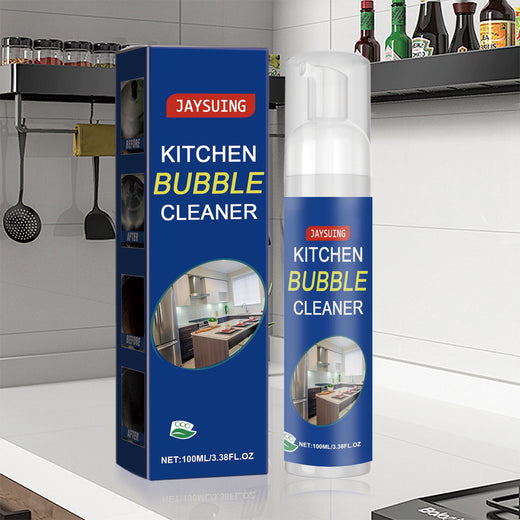
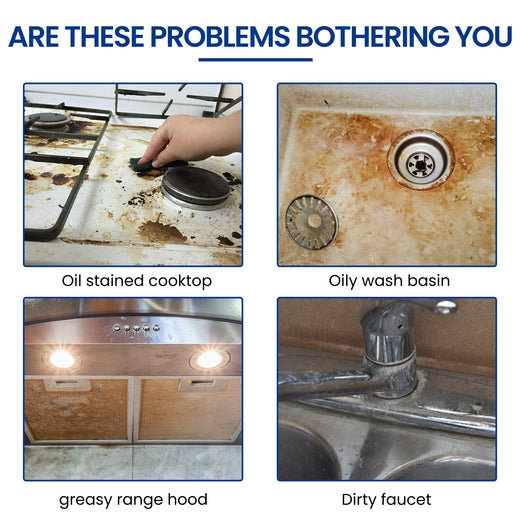
Find a glass cooktop cleaner for everyday fingerprints, cooking splatters, grease and baked-on residue without leaving a cloudy film. This category includes a kitchen cleaning cream for heavier grime, a kitchen cleaning foam for grease, a window cleaning foam for compatible glass surfaces, and a glass wiper for finishing without streaks.
How to choose a glass cooktop cleaner
Start by matching the cleaner to the mess on your ceramic or glass cooktop. For fingerprints, light splashes and routine wipe-downs, a foam cleaner paired with a soft cloth can be convenient. For dried grease, rust marks or burnt-on residue, choose a kitchen cleaning cream designed to loosen heavier grime. A glass wiper can help remove the final moisture and reduce visible streaks on a black surface. Check the product directions and your stove manufacturer’s care instructions before use, especially if the cooktop has printed markings, a special finish or a touch-control panel. Searchers comparing the best glass cooktop cleaner should prioritize surface compatibility, residue control and the type of cleaning needed rather than choosing by packaging alone.
Glass cooktop cleaner types compared
Cleaning cream is the most targeted option in this range for stubborn cooking residue, including grease, rust-colored marks and burnt grime. Use it sparingly and follow the label directions so you do not spread abrasive residue across the surface. Kitchen cleaning foam is better suited to quick grease removal and larger routine messes. Window cleaning foam may work for suitable glass and screens, but it should only be used on a cooktop when its directions confirm compatibility. A cloud-shaped glass wiper is not a cleaner by itself; it is a finishing tool for lifting moisture and helping create a streak-free shine. Combining the right cleaner with a clean, non-scratch cloth usually gives better results than relying on one product for every mess.
What to look for in a glass cooktop cleaner
Look for clear surface-compatibility instructions that specifically address glass or ceramic cooktops. A useful formula should be suited to the residue you commonly face, whether that means everyday grease, dried spills or burnt cooking marks. Easy dispensing matters too: foam can be convenient for quick coverage, while cream allows more controlled application on a concentrated spot. Also consider how easily the product wipes away, since leftover film is especially noticeable on black glass. If you are comparing a Weiman glass cooktop cleaner, a Cerama Bryte cooktop cleaner or another familiar option, use the same checklist: compatible surface directions, appropriate cleaning strength, straightforward application and a finish that does not require excessive buffing. Avoid choosing solely from the phrase “glass cleaner,” because windows and cooktops can have different care requirements.
How to use a glass cooktop cleaner
Turn off the cooktop and allow it to cool completely before cleaning. Remove loose crumbs with a soft cloth, then apply a small amount of the selected cream or foam according to its directions. Work over the stained area with a soft, non-scratch cloth or the recommended applicator; do not drag loose grit across the glass. For cooked-on residue, let the product work for the time stated on its label rather than immediately adding more pressure. Wipe away the cleaner with a clean, damp cloth, then dry and buff the surface. Finish with the glass wiper if you want to remove remaining moisture and reduce streaks. Anyone searching “glass cook top cleaner how to use” should always follow the specific product instructions first.
What not to use on a glass stove top
Avoid anything that can scratch, chip or leave difficult-to-remove residue on the surface. Do not use steel wool, scouring pads, gritty powders or rough scrubbers unless your stove manufacturer specifically permits them. Keep heavy objects, sharp tools and loose abrasive particles away from the cooktop while cleaning. Do not assume that a general glass spray is automatically suitable for a cooking surface; check its label before using it. Strongly fragranced or multi-purpose products may also leave a film that shows clearly on black glass. Do not clean while the surface is hot, and do not flood the area around controls or edges with foam or liquid. A clean soft cloth and the correct glass cooktop cleaner are safer choices than increasing pressure.
Who should use each glass cooktop cleaning option
Choose a kitchen cleaning cream if your cooktop regularly develops dried spills, burnt grease or stubborn marks and you want a concentrated treatment. Choose kitchen cleaning foam if you need a faster option for everyday grease and routine kitchen wipe-downs. A window cleaning foam is best reserved for compatible glass and screen surfaces unless its directions specifically approve cooktops. The cloud-shaped glass wiper suits shoppers who already have a compatible cleaner and want a simple way to remove water and polish away visible streaks. If you are building a Weiman cooktop cleaner kit or comparing a ceramic and glass cooktop cleaner, think about your full routine: cleaner for the residue, a soft cloth for wiping, and a dry wiper for the final finish.
Frequently asked questions
What is the best cleaner for a glass cooktop?
The best choice depends on the residue and the cooktop manufacturer’s care instructions. Use a cooktop-compatible cream for burnt or dried grime, a suitable foam for everyday grease, and a clean soft cloth or glass wiper to remove residue and moisture without streaks.
What is the best way to clean glass cooktops?
Let the cooktop cool completely, remove loose crumbs, then apply a compatible cleaner as directed. Wipe with a soft, non-scratch cloth, remove any remaining product with a damp cloth, and dry or buff the glass to prevent a cloudy finish.
How do I clean a black glass stove top?
Use a cleaner labeled for compatible glass or ceramic cooktops and apply it only after the surface has cooled. Black glass shows fingerprints and streaks easily, so finish with a clean dry cloth or glass wiper and avoid gritty powders or rough scrubbers.
What not to use on a glass stove top?
Avoid steel wool, abrasive powders, rough scouring pads and any product that the manufacturer does not approve for the surface. Do not use sharp tools or scrub loose grit across the glass, and do not clean while the cooktop is hot.
Can you use Clorox wipes to clean a glass top stove?
Only use them if both the wipe directions and your cooktop manufacturer’s instructions allow that application. If permitted, wipe away any residue afterward and dry the surface; otherwise, choose a cleaner specifically labeled for glass or ceramic cooktops.
Is Windex OK for a glass cooktop?
Do not assume a window cleaner is suitable for a cooktop. Check the product label and your appliance instructions first, and choose a dedicated glass cooktop cleaner when the window product does not specifically confirm compatibility.