
$64.90
Free delivery · 7–14 days
Glass Cleaning Tablets for Clear, Anti-Fog Windows


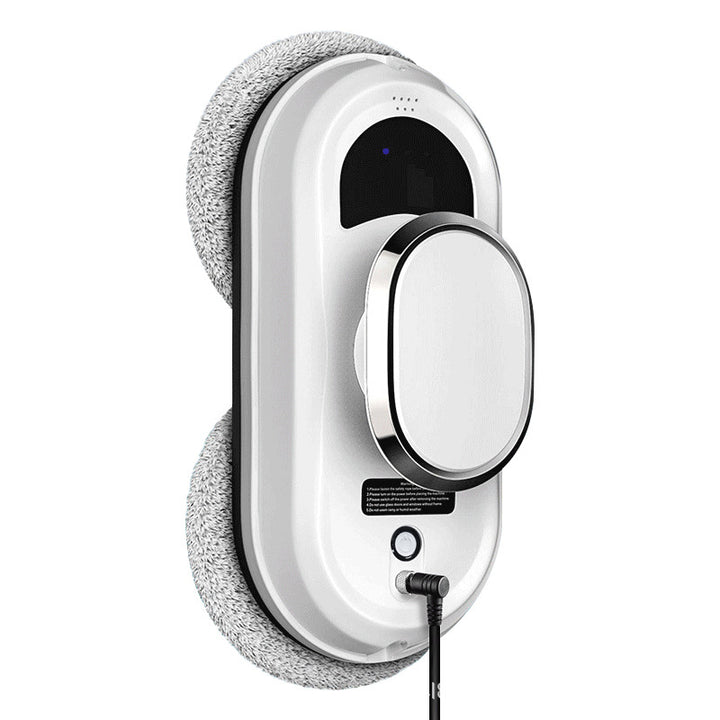
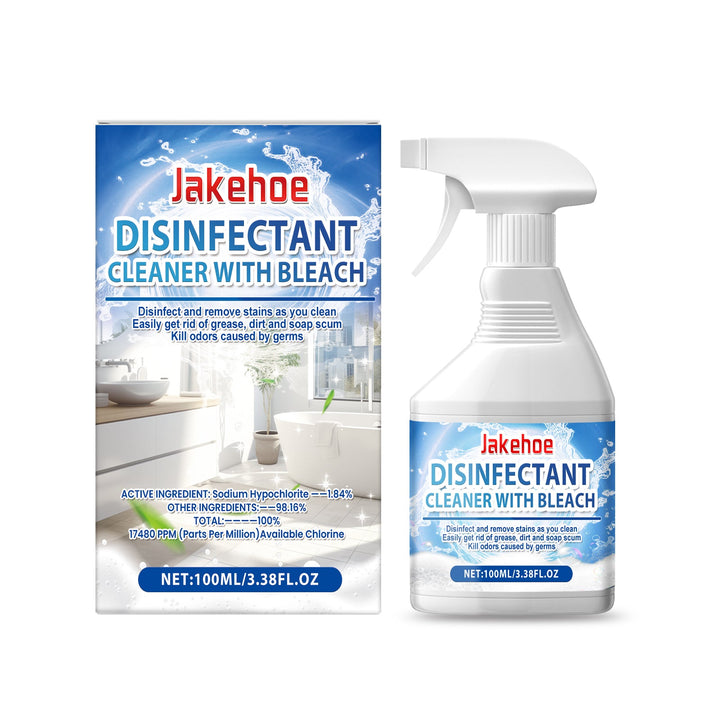
Find the right glass cleaner for shower doors, oven glass, windows, and vehicle windshields. This category includes cleaning tablets, sprays, degreasers, brushes, and windshield washer tablets for removing soap scum, oil film, water stains, scale, fog, and everyday grime.
Start with the type of glass and residue you need to clean. For shower doors and household windows, glass cleaning tablets can be diluted for routine cleaning and are useful for water stains, scale, and fog. For vehicle glass, choose an automotive glass cleaner or car glass degreaser brush when road film, grease, or windshield haze is the main problem. A spray is convenient for quick touch-ups, while tablets are compact to store and mix when needed. Check whether the product is intended for interior, exterior, automotive, or household surfaces before use. If you are comparing the best glass cleaner options, prioritize the product format, residue type, surface compatibility, and whether you also need a glass cleaner tool such as a brush or wiper.
Glass cleaning tablets are a practical choice for windows, shower glass, and other compatible surfaces when you want a compact refill format. Some are designed for water stains, scale, and fog, while clear and anti-fog formulas target everyday buildup and moisture-related haze. Automotive glass cleaner sprays are ready to apply and suit windshield or vehicle-window maintenance. A car glass oil film cleaner is better matched to greasy road residue, while a degreaser brush adds scrubbing action for stubborn traces. Windshield cleaner and washer cleaning tablets are intended for vehicle glass care and convenient dilution. Choose a spray for speed, tablets for storage efficiency, and a brush when wiping alone does not remove the film.
Look for a formula that matches the residue rather than choosing by packaging alone. Soap scum and mineral deposits on shower glass may need a product made for water stains or scale. Windshield oil film and traffic grime call for an automotive cleaner or degreasing tool. For windows and mirrors, a clear-drying formula helps reduce visible streaks when used with a clean cloth or squeegee. Consider whether the product is concentrated, ready to spray, or designed for a washer reservoir. Also check the directions for dilution, contact time, ventilation, and surface restrictions. A glass cleaner spray is convenient for small areas, while cleaning tablets can reduce storage space. If visibility is the goal, select a vehicle-specific option for windshields rather than a general household cleaner.
Remove loose dust and grit before applying cleaner so you do not spread particles across the surface. Use the recommended dilution for tablets or concentrated products, and apply spray in a controlled amount rather than soaking frames, seals, controls, or dashboard surfaces. Work in small sections with a clean microfiber cloth, glass-cleaning pad, or suitable wiper. For shower doors, allow the cleaner to address soap scum or scale as directed before wiping and rinsing when required. For windshields, clean both the glass and the wiper-contact area, then finish with a dry cloth. Avoid cleaning hot glass or working in direct sun if the product directions advise against it. Replace dirty cloths frequently to prevent streaks and transferred oil.
Using the same cloth for kitchen grease, shower residue, and windshield glass can leave a film behind, so keep separate clean cloths for different jobs. Do not assume a household glass cleaner is suitable for every automotive surface, tint, coating, plastic trim, or washer system; read the product instructions first. Over-spraying can create drips and make polishing harder, while too little cleaner may not loosen soap scum or oil film. Avoid abrasive pads and rough tools that could scratch glass or nearby finishes. Do not mix cleaning products, especially homemade combinations, unless the instructions specifically allow it. Finally, inspect the glass from different angles after drying. Haze can come from residue on the cloth, wiper blades, seals, or surrounding trim rather than the glass alone.
Choose shower- and household-glass tablets if you regularly clean bathroom doors, windows, mirrors, or oven glass and want a compact product to dilute as needed. Choose water-stain and scale tablets when mineral deposits are the main issue. Drivers who notice windshield haze, road grime, or oily film may prefer an automotive glass cleaner, oil-film cleaner, or degreaser brush. Windshield cleaner and washer cleaning tablets suit shoppers who want a format designed for vehicle glass maintenance and convenient storage. A glass cleaner spray is useful for quick cleaning of accessible surfaces, while a brush helps with stubborn traces and edges. If you are shopping on Amazon or comparing car glass cleaner options, match the intended surface and residue to the product description before ordering.
The best choice depends on the residue and surface. Use a household glass cleaner or cleaning tablet for general windows and shower glass, and choose an automotive formula for windshields with road film or oil residue. A clean microfiber cloth or suitable wiper is also important for reducing streaks.
A simple homemade cleaner may use water and a small amount of mild dish soap, but test any mixture on a discreet area first. Homemade solutions may not remove heavier scale, soap scum, or windshield oil film as effectively as a product designed for that residue. Never mix cleaning products unless the instructions specifically say it is safe.
A diluted mixture of mild dish soap and vinegar is commonly used for some household cleaning, but it can leave residue if too much soap is added or if the surface is not rinsed and dried properly. It is not automatically suitable for vehicle glass, tinted surfaces, coatings, seals, or washer systems. Check the surface and product instructions before use.
Remove loose dust first, then use the recommended amount of glass cleaner and a clean, lint-free cloth or squeegee. Work in small sections and dry the glass before moving on. Clean cloths, moderate product use, and avoiding hot glass or direct sunlight can help reduce streaks.
No single cleaner is best for every job. A scale-focused tablet may work better for mineral deposits, while an automotive degreaser or oil-film cleaner may be more suitable for greasy windshield residue. Compare the product's intended surface and target residue instead of relying only on the cleaner name.
Professional window cleaning commonly relies on a suitable glass-cleaning solution, clean microfiber cloths, and a squeegee or wiper used with controlled technique. The right combination depends on the amount of dirt, water staining, and surface type. For household windows, use a compatible glass cleaner; for vehicle glass, select an automotive-specific option.