Toe Separators & Foot Correctors: Spacers for Shoes & Sleep
3 items

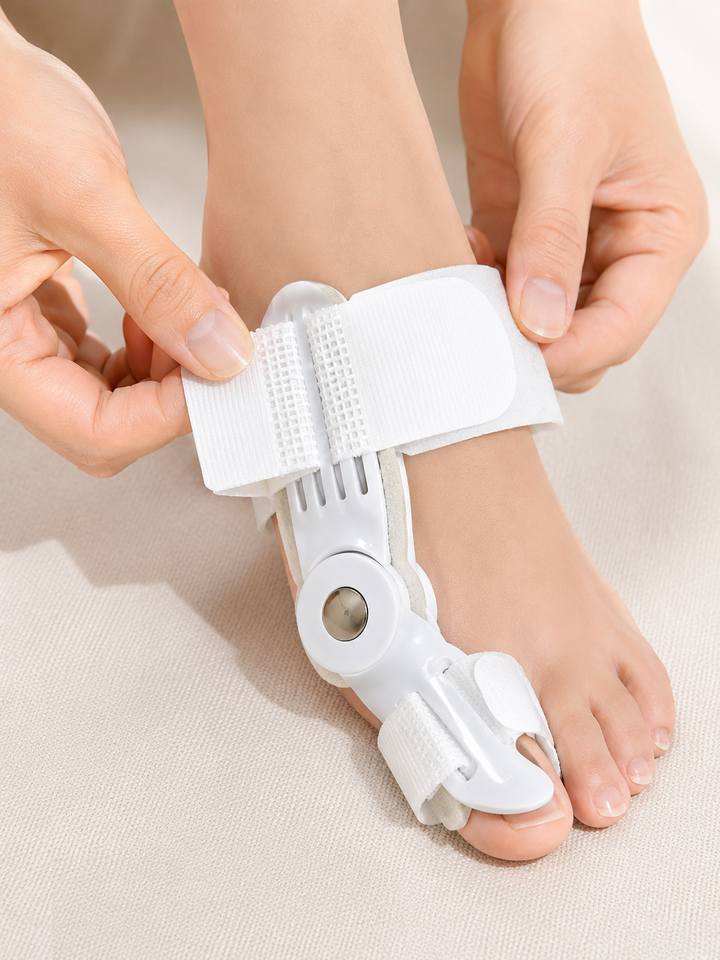


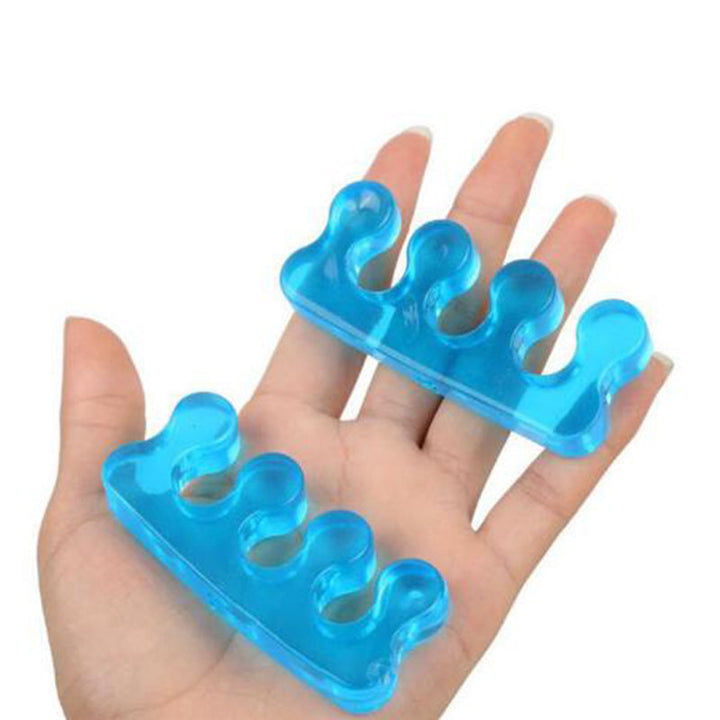
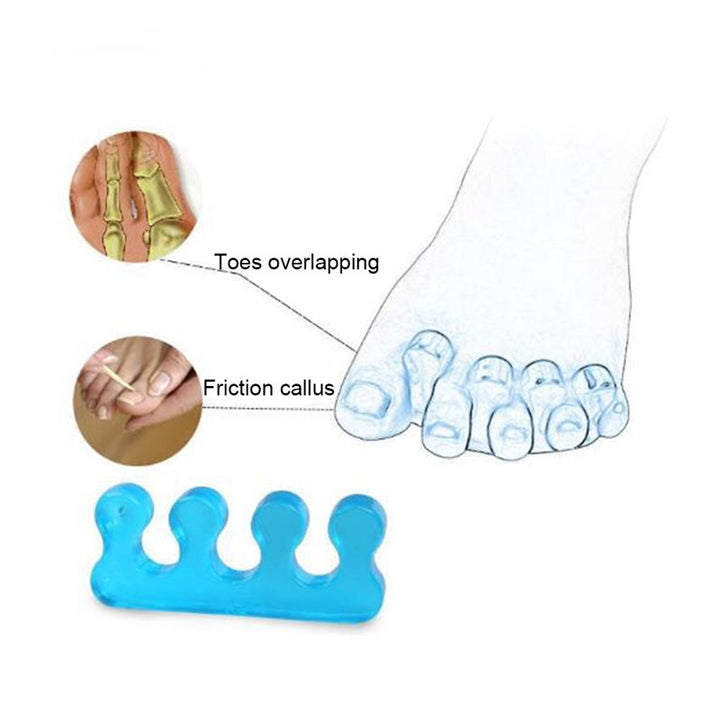
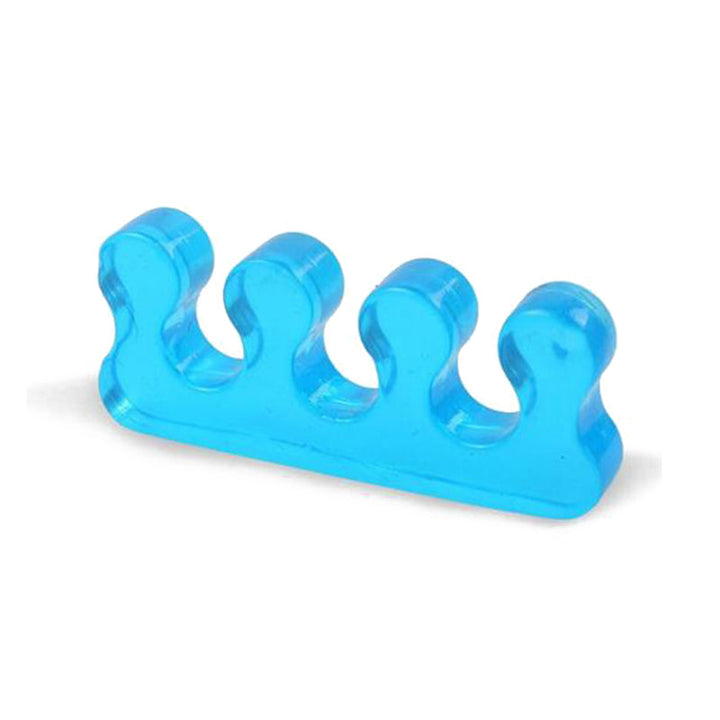


Foot correctors and toe separators are wearable accessories designed to create space between the toes, support a more comfortable toe position, or add gentle adjustable positioning around the big toe. This category includes soft silicone separators, adjustable bunion correctors, and toe fixators for use in shoes, at home, or while resting.
How to choose the right foot corrector
Start with your main goal: gentle toe spacing, adjustable big-toe positioning, or a more structured fixator-style design. Silicone Toe Separators are a simple choice for creating space between toes and may work well during rest, light household activities, or selected shoes. The Bunion Corrector 180° Adjustable Knob offers more control over the position of the big toe, while the Toe Fixator for Bunions uses a shaped design for users seeking a more secure fit. Check the product dimensions, toe spacing, fastening method, and whether the item is intended for daytime or sleep use. If you are searching for orthopedic foot correctors or a foot corrector for Pilates, compare flexibility and shoe compatibility before buying.
What types of toe correctors are available?
Toe separators are usually soft, flexible pieces that sit between adjoining toes. They are useful when you want a lightweight spacer for relaxation, nail care, or limited wear in roomy footwear. Adjustable bunion correctors generally use straps, hinges, or a knob to let you set the amount of positioning support. A toe fixator is typically more structured and may feel more secure, but it can require more room inside a shoe. These products are different from a foot corrector machine, which is not included in this category. Terms such as toe corrector, foot correctors, and bunion corrector can describe several designs, so review the product photos and instructions rather than relying on the name alone.
What should you look for in foot correctors?
Prioritize fit, comfort, adjustability, and materials. Silicone separators should feel smooth against the skin and remain stable without squeezing the toes. For adjustable products, look for a fastening system that can be tightened gradually and released easily. A low-profile design is generally more practical for shoes, while a larger fixator may be better suited to rest or sleep if the instructions allow it. Consider cleaning requirements, especially for products worn against bare feet, and check whether the design fits the left foot, right foot, or either foot. If you are comparing a balanced body foot corrector with general toe spacers, focus on the actual construction and intended use rather than the search term.
How do you use a toe separator or bunion corrector?
Read the included instructions before the first use and begin with a short, comfortable wearing period. Place the separator gently between the intended toes, or position the adjustable corrector so the big toe is supported without excessive pressure. Fasten straps gradually and check that circulation, skin comfort, and movement feel normal. Use roomy footwear with enough toe-box space; forcing a corrector into narrow shoes can cause rubbing and discomfort. Remove the product if you notice pain, numbness, tingling, marked redness, or skin irritation. Clean and dry it as directed, and inspect the material regularly for cracks, stretching, or changes in shape.
What are common mistakes when buying foot correctors?
A frequent mistake is choosing a rigid or bulky design for tight shoes. Another is assuming that stronger pressure means better results; a corrector should be comfortable and used according to its instructions. Buyers also overlook sizing, toe shape, fastening details, and whether the product is intended for walking, rest, or sleep. Do not expect a separator or fixator to permanently change foot structure, replace professional assessment, or automatically solve every source of foot discomfort. Searching for the best flat foot correctors can also lead to the wrong product, since these toe-focused accessories are not designed to provide full-arch support. Compare the product purpose with your actual needs before ordering.
Who should use a toe corrector or foot spacer?
These products may suit adults looking for gentle toe spacing, a more comfortable fit in suitable footwear, support during personal care, or an adjustable accessory for rest. Silicone Toe Separators are often the simplest option for first-time users who want a flexible design. The adjustable knob corrector or Toe Fixator for Bunions may appeal to shoppers who prefer more positioning control around the big toe. They may not suit people with sensitive skin, open wounds, reduced sensation, circulation concerns, or discomfort that worsens during wear. If you have persistent pain, swelling, numbness, or a diagnosed foot condition, ask a qualified healthcare professional whether this type of accessory is appropriate.
Frequently asked questions
Do podiatrists recommend bunion correctors?
A podiatrist may recommend or discourage a bunion corrector depending on the person’s foot shape, symptoms, skin condition, and daily activities. These products can provide temporary positioning or comfort for some users, but they should not be treated as a guaranteed way to reverse a bunion. Follow the product instructions and seek professional advice if wear causes pain or irritation.
What does a foot corrector do?
A foot corrector in this category creates space between toes or gently supports the big toe in a different position. Its effect depends on the design, fit, wearing time, and the user’s foot shape. Toe separators and bunion fixators are comfort and positioning accessories, not a substitute for a clinical evaluation.
What do podiatrists think of toe spreaders?
Toe spreaders can be reasonable for selected users when they fit comfortably and are used for an appropriate activity. A podiatrist may consider factors such as toe alignment, skin sensitivity, footwear, and any existing foot concerns before suggesting one. Stop wearing a spreader if it causes pain, numbness, rubbing, or persistent redness.
What are the best flat foot correctors?
The products in this category focus on toe spacing and big-toe positioning rather than full-arch support for flat feet. A toe separator or bunion corrector may improve comfort for some people, but it is not the same as an arch support or a complete flat-foot management plan. For ongoing symptoms, ask a qualified healthcare professional what type of support is suitable.
What do podiatrists recommend for flat feet?
Recommendations vary according to symptoms, age, activity, footwear, and the individual’s foot structure. A professional may discuss footwear, activity adjustments, exercises, or arch-support options, but the right approach cannot be chosen from a general product category alone. Toe correctors are not intended to replace that assessment.
Is walking barefoot good or bad for flat feet?
There is no single answer for everyone. Some people are comfortable walking barefoot on suitable surfaces, while others may notice more fatigue or discomfort without supportive footwear. Increase barefoot time gradually, stop if symptoms worsen, and ask a qualified healthcare professional for personalized guidance if discomfort persists.