Bunion Correctors: Toe Spacers & Separators for Bunions
5 items


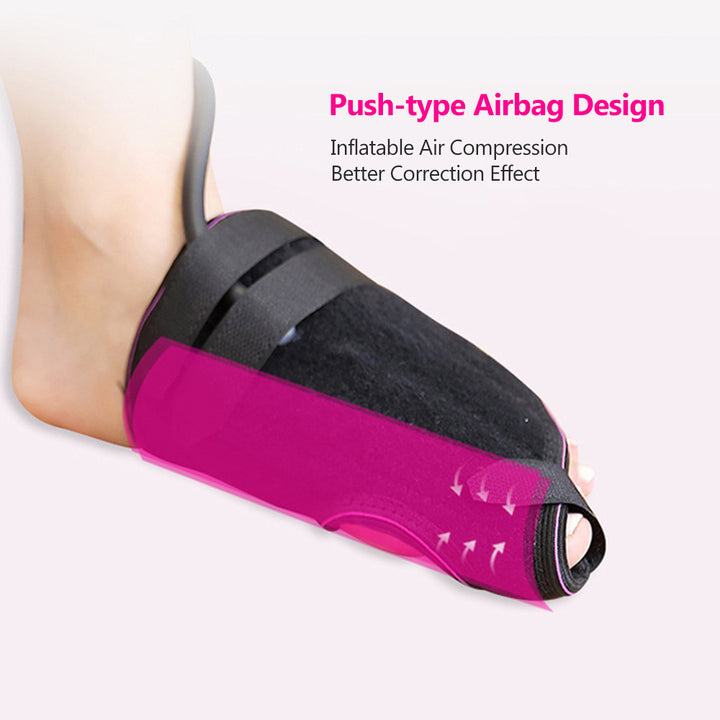
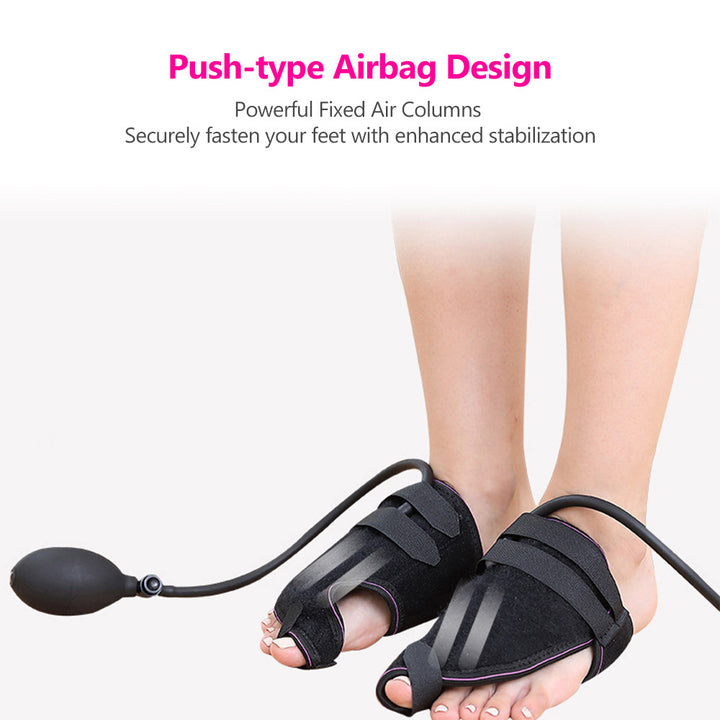
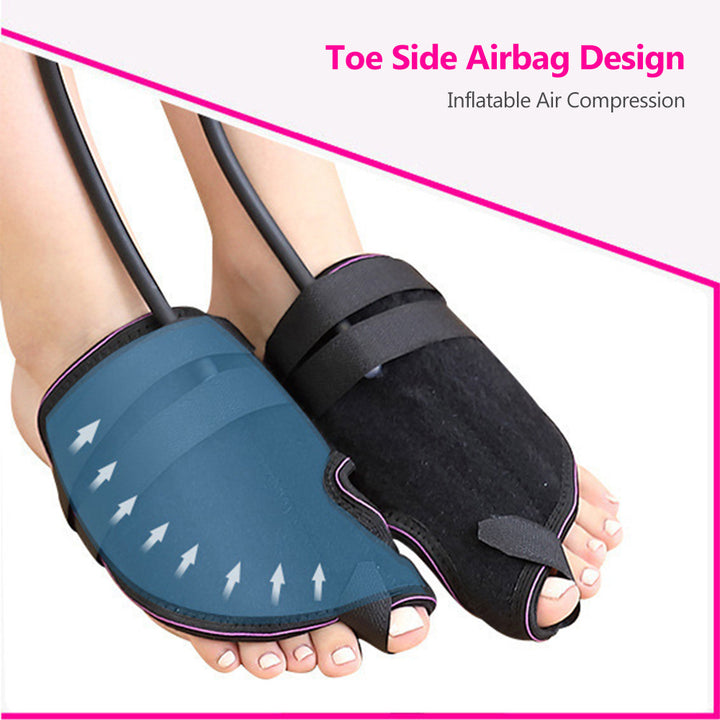

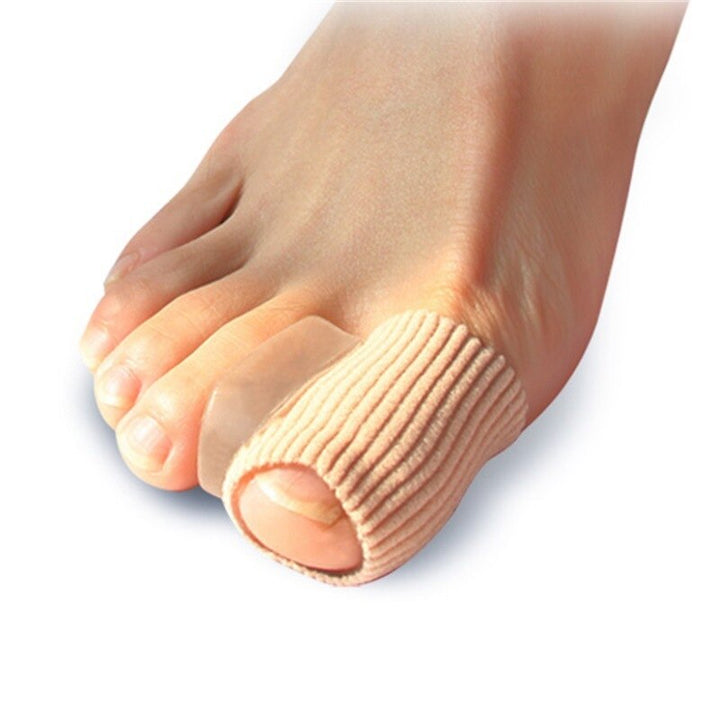
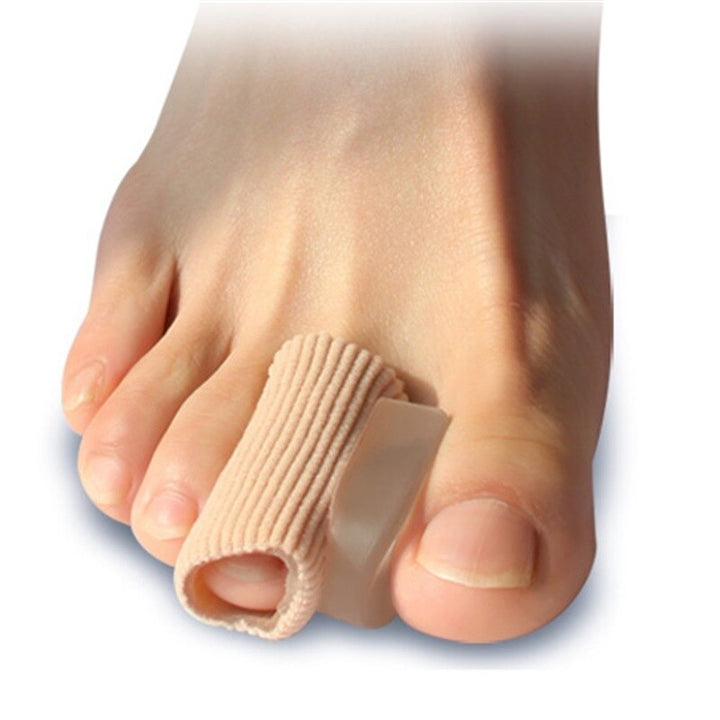
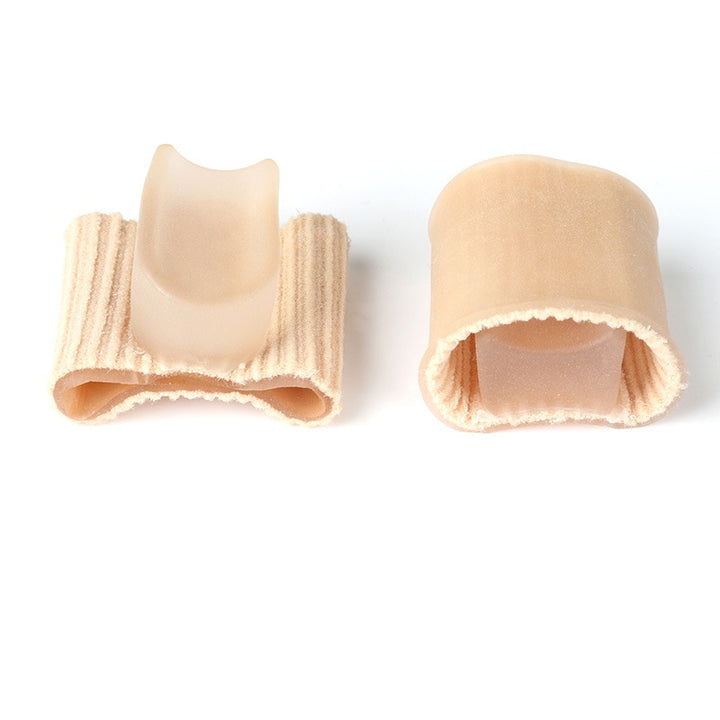


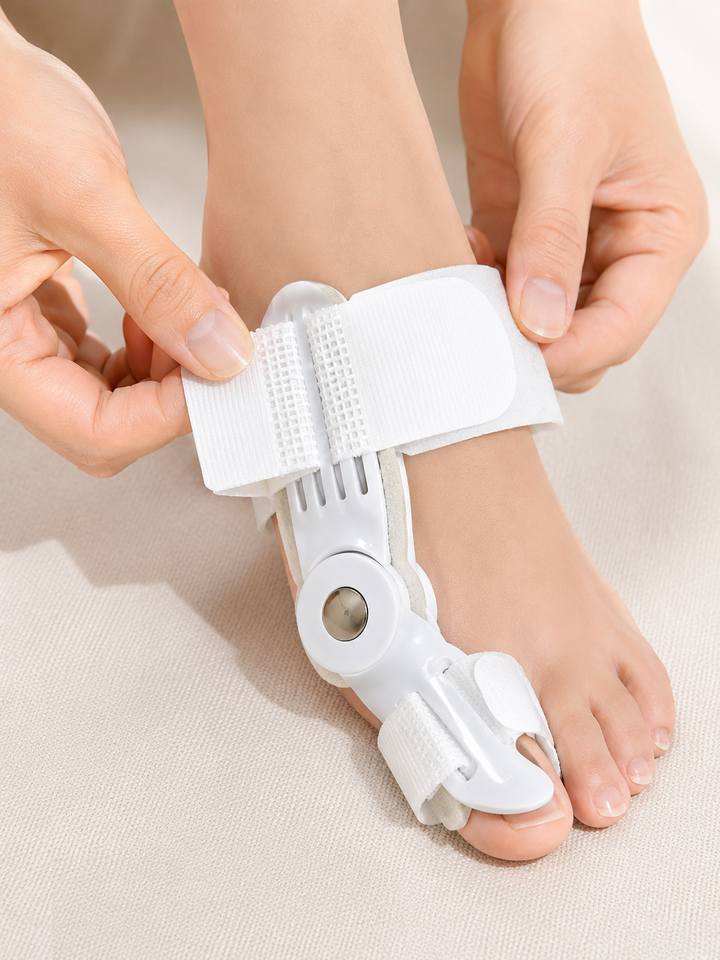


Bunion correctors include toe spacers, separators, sleeves, patches and adjustable devices designed to help position the big toe or reduce rubbing from footwear. Compare the fit, adjustment method, materials and intended use to find a bunion corrector that suits your routine, shoe style and comfort preferences.
How to choose the best bunion corrector
Start by deciding whether you want gentle separation, adjustable positioning or cushioning against shoe pressure. A toe separator corrector is a simple option for home use or roomy footwear, while an air-compression design may suit shoppers who prefer a softer, padded feel. An adjustable-knob corrector lets you fine-tune the amount of pressure, but it may need more space inside a shoe. Patches focus on a low-profile fit and protection from rubbing. A toe fixator combines positioning support with a design intended to keep the big toe guided during wear. Check the product measurements, recommended foot, materials and care instructions before ordering. The best bunion corrector is one you can wear consistently without pinching, slipping or creating new pressure points.
What types of bunion correctors are there?
Toe spacers and separators sit between the big toe and second toe to create separation and may be useful while resting or wearing wide, roomy shoes. Air-compression correctors use a cushioned structure around the toe area for a softer feel. Adjustable correctors use a strap, hinge or knob so you can change the fit gradually. Corrective patches are generally slimmer and can help create a barrier between sensitive areas and footwear. Toe fixators are designed to hold the big toe in a guided position with a more structured fit. These products are not interchangeable: a slim patch may fit better with shoes, while a bulkier separator may be more comfortable at home. Read bunion corrector reviews for comments about sizing, slipping and shoe compatibility.
What to look for in a bunion corrector to wear with shoes
For use with shoes, prioritize a low-profile shape, smooth edges and enough room for your toes to move naturally. Measure the foot or toe area as directed rather than choosing by shoe size alone. A patch or slim separator may be easier to pair with everyday footwear, while an adjustable or padded design may require wide-fit shoes. Look for breathable, flexible materials if you plan to wear the corrector for longer periods, and check whether it is intended for the left foot, right foot or either foot. Avoid choosing solely because a listing calls it an orthopedic bunion corrector or podiatrist recommended bunion corrector; focus on the construction and fit details provided. Test it with clean socks and a roomy shoe before wearing it for extended periods.
How do you use bunion correctors safely?
Follow the product instructions and begin with a short, comfortable wear period so you can assess the fit. Position the separator, patch or fixator as shown, keeping the skin clean and dry and avoiding folds in the material. Adjustable models should feel supportive rather than sharply tight; increase tension only within the product’s instructions. Wear suitable footwear with enough toe-box space, since a corrector should not force your foot into a cramped shoe. Remove the device if you notice increasing discomfort, rubbing, numbness, skin irritation or changes in skin color. Clean and dry reusable products as directed, and inspect them for stretching, cracks or rough edges. If you have ongoing foot concerns or are unsure whether one is suitable, ask a qualified healthcare professional.
Common bunion corrector mistakes to avoid
One common mistake is expecting an immediate structural change from a soft separator, patch or sleeve. These products are best judged by fit, comfort and how they work with your footwear and routine, not by dramatic bunion corrector before and after promises. Another mistake is choosing a tight device because it feels more corrective; excess pressure can make wearing it unpleasant. Avoid placing a bulky corrector inside narrow shoes, wearing a new device for long periods without checking your skin, or ignoring a size guide. Do not assume every design works for both feet or fits under socks. Finally, do not rely on a product description alone when comparing the best bunion corrector options. Check customer feedback for practical details such as slippage, cleaning, durability and shoe fit.
Who are bunion correctors suitable for?
Bunion correctors may suit adults looking for non-surgical support, toe separation, cushioning or a more comfortable fit in selected shoes. They can be useful for different routines: a separator or fixator may be preferred at home, a patch may suit low-profile daytime wear, and an adjustable design may appeal to shoppers who want control over the fit. Suitability depends on the individual product, foot shape, skin sensitivity and footwear. They are not a universal solution for every type or stage of bunion, and comfort should guide use. If a bunion is painful, changing quickly, limiting activity or accompanied by persistent swelling or skin problems, seek professional advice rather than relying only on a corrector. Podiatrists may recommend different options based on an assessment, so personal guidance is more useful than a generic claim.
Frequently asked questions
Do bunion toe correctors really work?
They may help with toe separation, cushioning, positioning or shoe comfort while worn, depending on the design and fit. They should not be treated as a guaranteed way to permanently change a bunion, so assess comfort and day-to-day usefulness rather than relying on dramatic before-and-after claims.
Is there a bunion corrector that actually works?
There is no single best option for every foot. A suitable corrector is one that fits securely, does not create pressure points and matches your intended use, such as home wear, roomy shoes or low-profile protection. Compare sizing, adjustability, materials and customer comments before choosing.
Can I straighten my bunion without surgery?
Non-surgical products may help support the big toe or make footwear more comfortable while they are being worn, but results vary by person and product. They should not be presented as a guaranteed permanent correction. A qualified healthcare professional can discuss options for your specific foot.
Do podiatrists recommend bunion correctors?
A podiatrist may recommend padding, spacing, footwear changes or another approach based on an individual assessment. Recommendations can differ according to symptoms, foot shape and daily activities. Treat claims such as “podiatrist recommended” as a prompt to check the product details, not as a substitute for personal advice.
When is it too late to fix a bunion?
There is no universal point at which every bunion can or cannot be addressed. The appropriate approach depends on factors such as discomfort, movement, footwear problems and the appearance of the joint. If symptoms are persistent or worsening, discuss them with a qualified healthcare professional.
What is the new way to fix bunions?
Products and procedures change over time, but no single new method is suitable for everyone. Toe separators, adjustable correctors, patches and fixators are non-surgical options that focus on positioning, cushioning or reducing shoe friction. For current treatment choices, ask a qualified healthcare professional who can assess your foot.