Bunion Care: Natural Relief for Bunions & Toe Pain
7 items
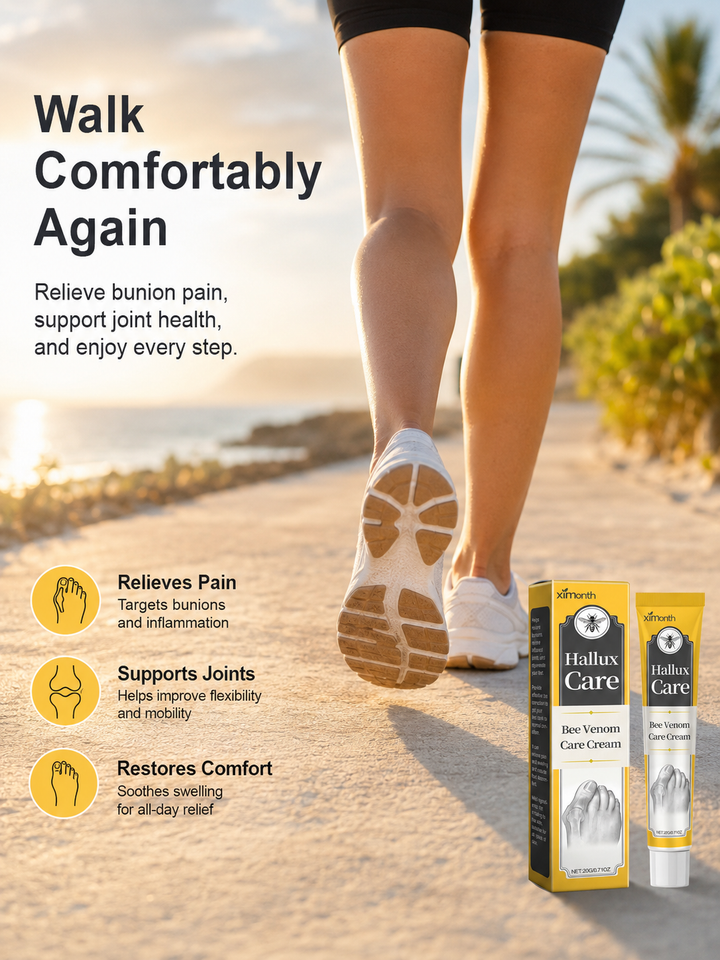




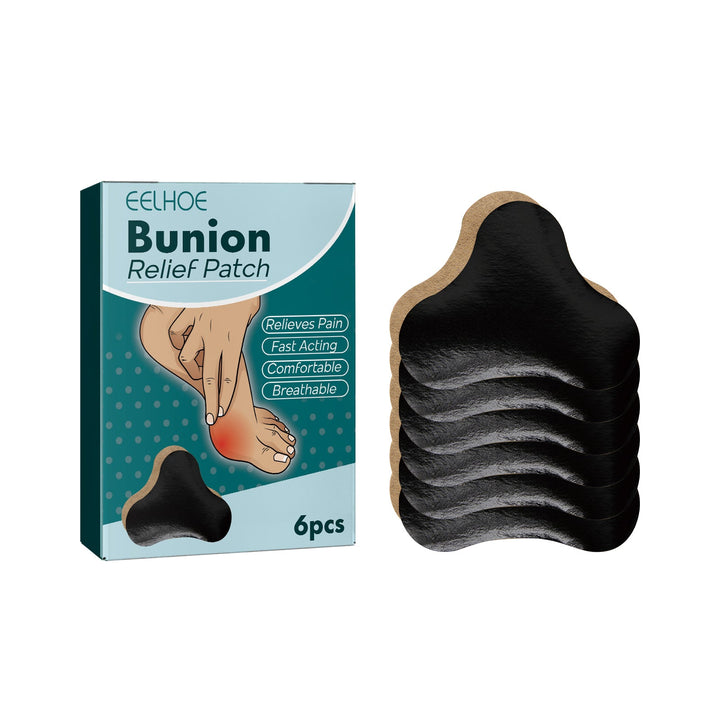
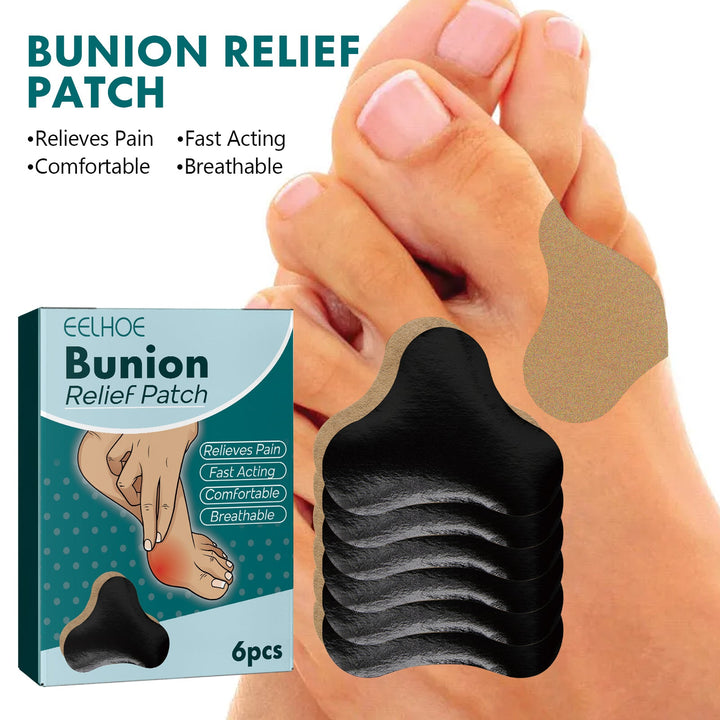
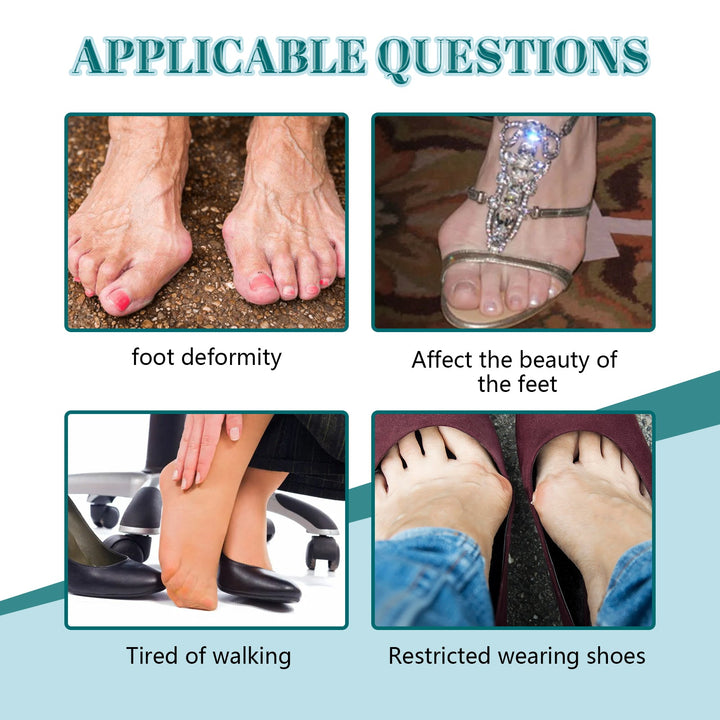

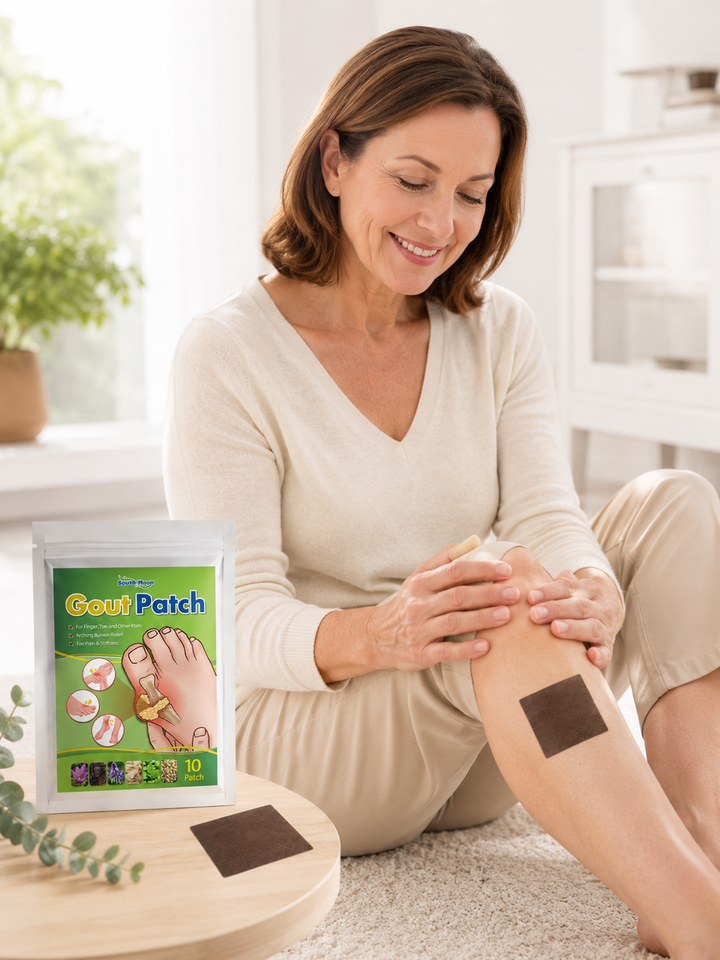
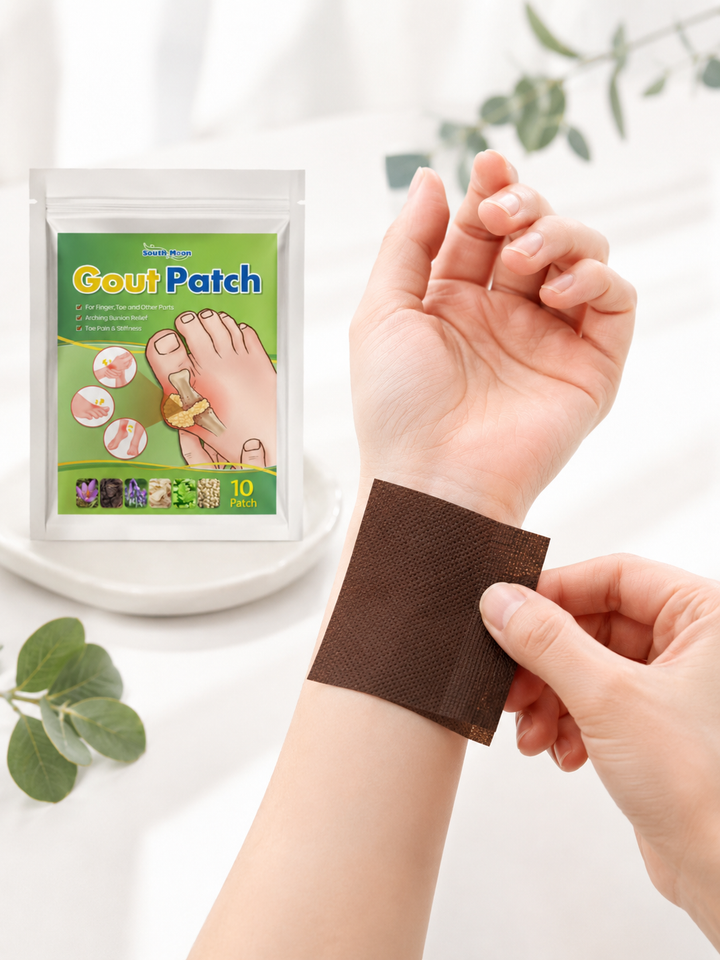
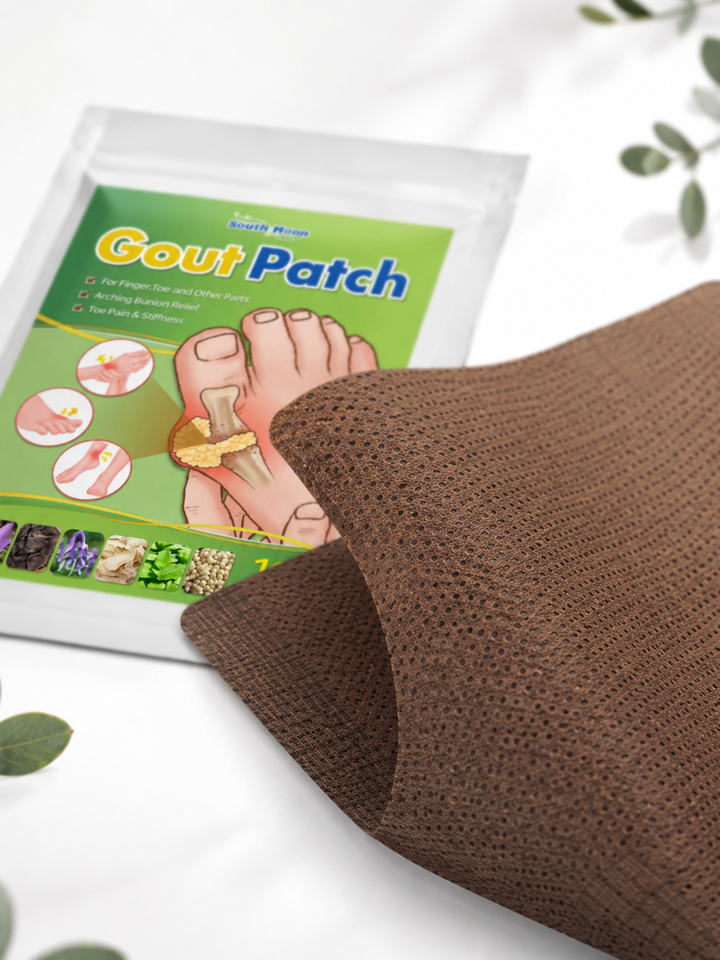

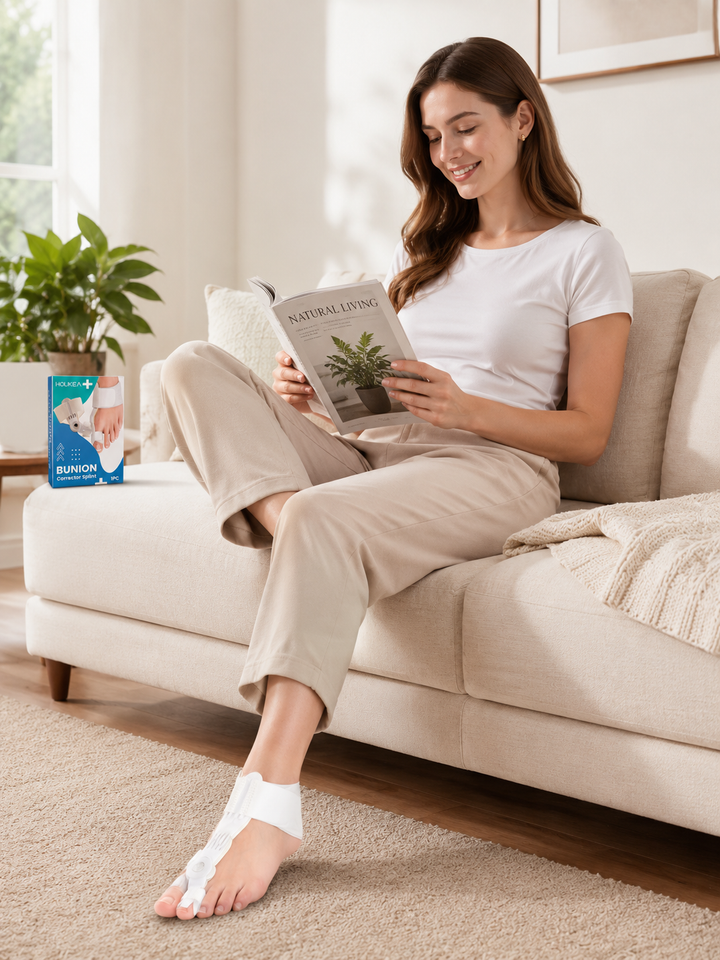
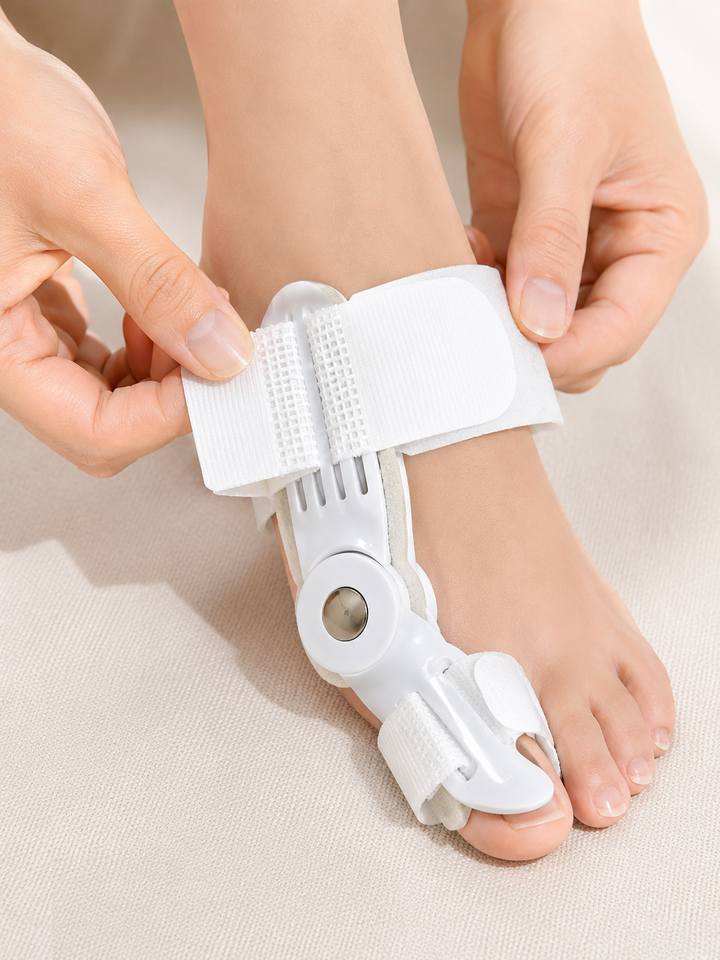


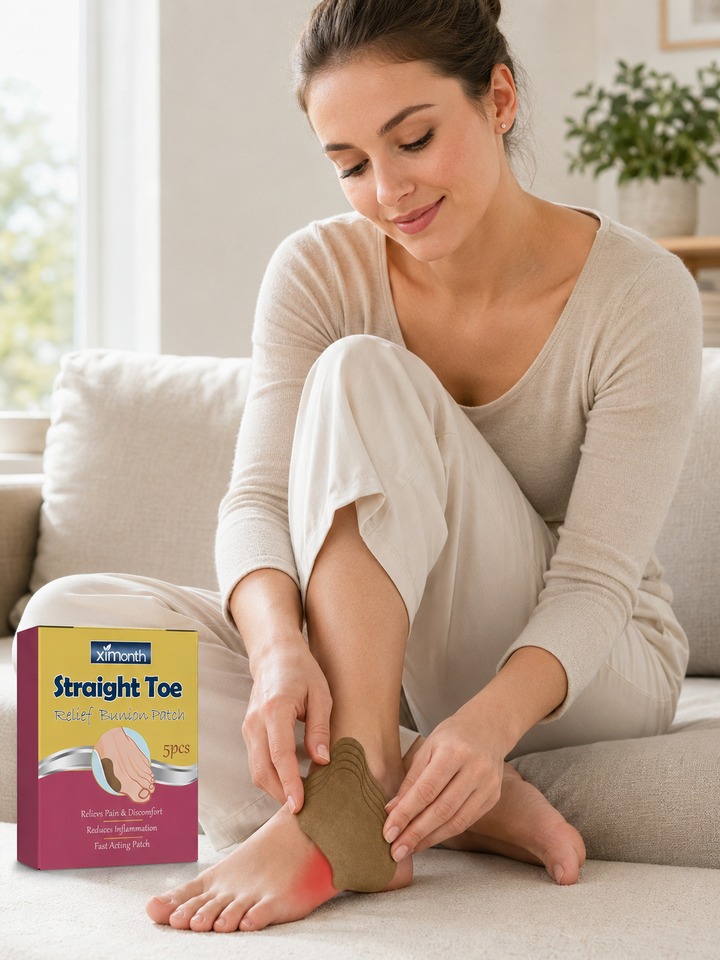
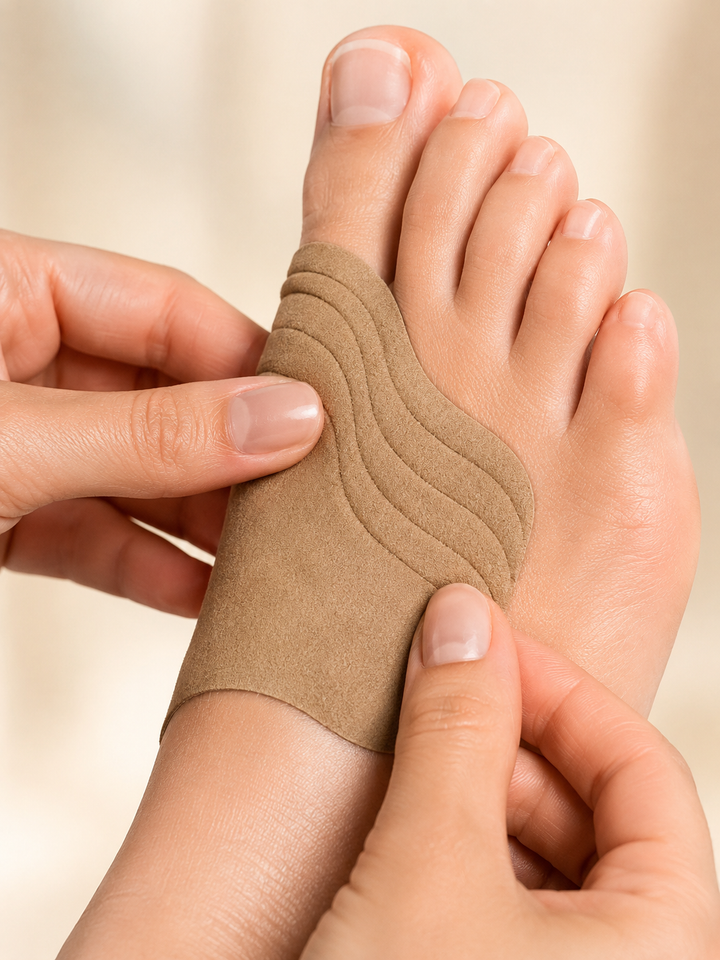
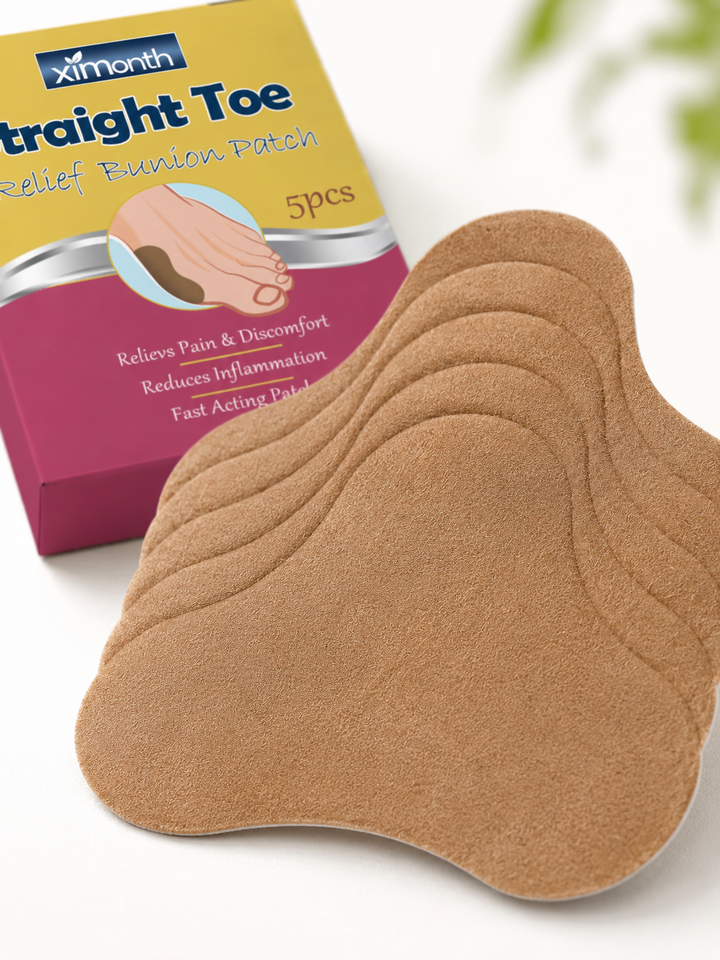
Bunion care products can help you manage pressure, rubbing, dryness, and everyday toe discomfort while you choose footwear and routines that feel more comfortable. This guide compares creams, patches, and toe support options so you can select care based on your symptoms, preferred format, and daily activities.
How to choose bunion care for your symptoms
Start by identifying what bothers you most. For dry, sensitive, or rubbed skin around the bunion, a topical cream may be the easiest option. If you want targeted, mess-free coverage during the day, consider a bunion relief patch. A toe fixator or bunion corrector may suit shoppers looking for gentle support and toe alignment during rest or selected activities. For throbbing bunion pain at night, a soothing cream or patch can be part of a bedtime routine, provided the product instructions allow overnight use. Check the label for application directions, skin warnings, and whether the product is intended for intact skin. If pain is severe, persistent, or changing, seek advice from a qualified healthcare professional.
Bunion creams, patches, and toe fixators compared
Creams are useful when you prefer massage and flexible coverage. Options in this category include Bee Venom Foot Cream, Bee Venom Bunion Relief Cream, and Bunion Pain Relief Cream with herbal ingredients; compare the listed formula, scent, texture, and skin guidance before buying. Patches provide a more contained application and can be convenient inside roomy footwear, with choices such as the Bunion Relief Patch Set, Bunion Relief Patch, and Gout & Joint Pain Relief Patch. A toe fixator is a wearable support designed around the big toe and forefoot rather than a topical format. It may appeal to shoppers seeking toe alignment support, but fit and comfort are important. These products support comfort routines; they do not replace professional assessment or guarantee correction.
What to look for in a bunion corrector or pain relief product
Look for clear directions, suitable materials, and a format that fits your routine. For creams, check the ingredient list, how often to apply, and whether a small skin test is recommended. For patches, review wear instructions, adhesive information, and removal guidance. For a bunion corrector or toe fixator, check sizing, adjustable features, padding, and whether it is intended for walking, resting, or both. Seamless edges and breathable materials can matter when footwear already puts pressure on the forefoot. If you are comparing natural relief options, remember that “natural” does not automatically mean suitable for every person. Avoid applying products to broken or irritated skin unless the label specifically says otherwise, and stop use if discomfort or a skin reaction occurs.
How to use bunion care products in a daily routine
Use one new product at a time so you can tell how your skin and feet respond. Wash and dry the area before applying cream or a patch, then follow the product’s stated amount and wear time. Do not place adhesive patches over broken skin, and remove them as directed rather than pulling aggressively. When using a toe fixator, begin with the recommended fit and wear period; it should feel supportive, not sharply painful, numb, or excessively tight. Pair product use with wide, comfortable footwear and socks that do not press across the bunion. Some shoppers also try going barefoot at home, but comfort and safe flooring matter. Keep a simple note of what triggers discomfort, such as narrow shoes, long walks, or standing.
Common bunion care mistakes to avoid
A frequent mistake is expecting a cream, patch, or corrector to shrink a bunion naturally or permanently change its structure. These products are better viewed as comfort and support options, with results varying by person and product. Another mistake is choosing footwear that fits the heel but squeezes the toes, which can increase rubbing and pressure. Avoid wearing a toe fixator so tightly that circulation or comfort is affected, and do not layer several topical products without checking their directions. Do not ignore swelling, redness, warmth, skin breakdown, numbness, or pain that keeps getting worse. Searching for “how I cured my bunions naturally” may bring personal stories, but individual experiences are not a substitute for tailored medical guidance.
Who bunion care products are best suited for
These products may suit adults seeking non-invasive ways to manage everyday bunion discomfort, shoe rubbing, or toe-pressure concerns. Creams can work well for shoppers who prefer a quick topical routine, while patches may suit people who want targeted coverage. A toe fixator may be useful for those who prefer wearable support and can follow fitting instructions carefully. They may not be appropriate for everyone, including people with damaged skin, known ingredient sensitivities, reduced sensation, circulation concerns, or unexplained foot symptoms. Children, pregnant shoppers, and people with ongoing medical conditions should check with a healthcare professional before using specialized formulas or supports. If you are considering bunion surgery or unsure whether it is too late to seek correction, arrange a professional assessment rather than relying only on self-care products.
Frequently asked questions
What is the best thing to do for bunions?
The best first step is usually to reduce pressure and rubbing with comfortable, roomy footwear and a care option that matches your needs. Creams, patches, and toe supports can be used as comfort measures, but persistent or worsening symptoms should be discussed with a qualified healthcare professional.
What causes bunions to flare up?
Pressure from narrow or tight shoes, long periods of standing, walking, and repeated rubbing can make bunion discomfort feel worse. Individual triggers vary, so noting when symptoms appear can help you adjust footwear and daily activities.
Can I naturally fix bunions?
Creams, patches, footwear changes, and toe supports may help with comfort and pressure management, but they should not be expected to permanently remove or reshape a bunion. A healthcare professional can explain which options are appropriate for your foot and whether further treatment should be considered.
Can a bunion actually be corrected?
The answer depends on the cause, severity, symptoms, and your overall foot health. Non-surgical products may support comfort or toe positioning, while a healthcare professional can discuss correction options if symptoms continue or affect daily activities.
When is it too late to fix a bunion?
It is not useful to decide this based on age or appearance alone. If a bunion is painful, changing, limiting footwear, or affecting walking, seek an assessment to discuss available options rather than waiting for symptoms to become more disruptive.
Is walking barefoot better for bunions?
Some people find barefoot walking comfortable on safe, level surfaces because it removes shoe pressure, while others prefer supportive footwear. Avoid activities that increase pain, and use roomy shoes when walking outdoors or for extended periods.