Eczema Cream & Ointment for Itchy Skin & Hand Eczema Relief
7 items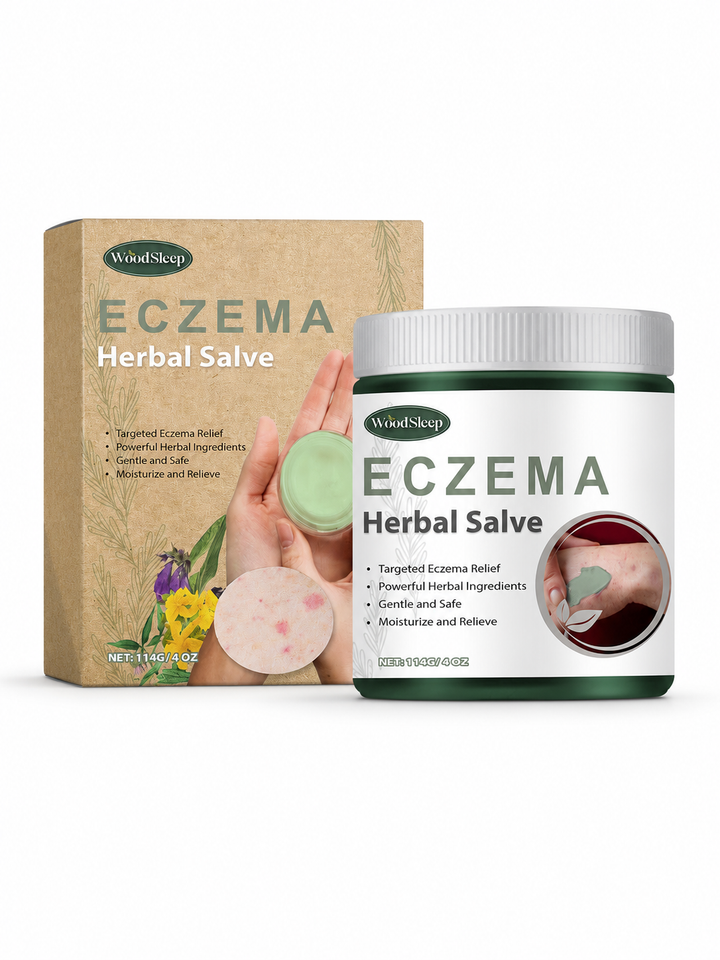
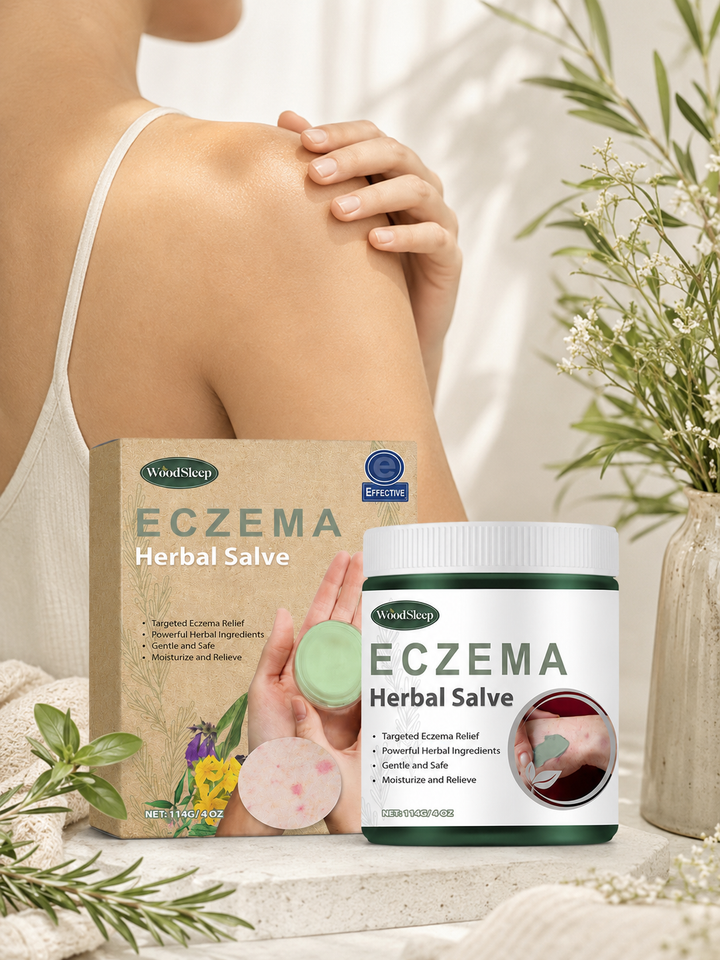
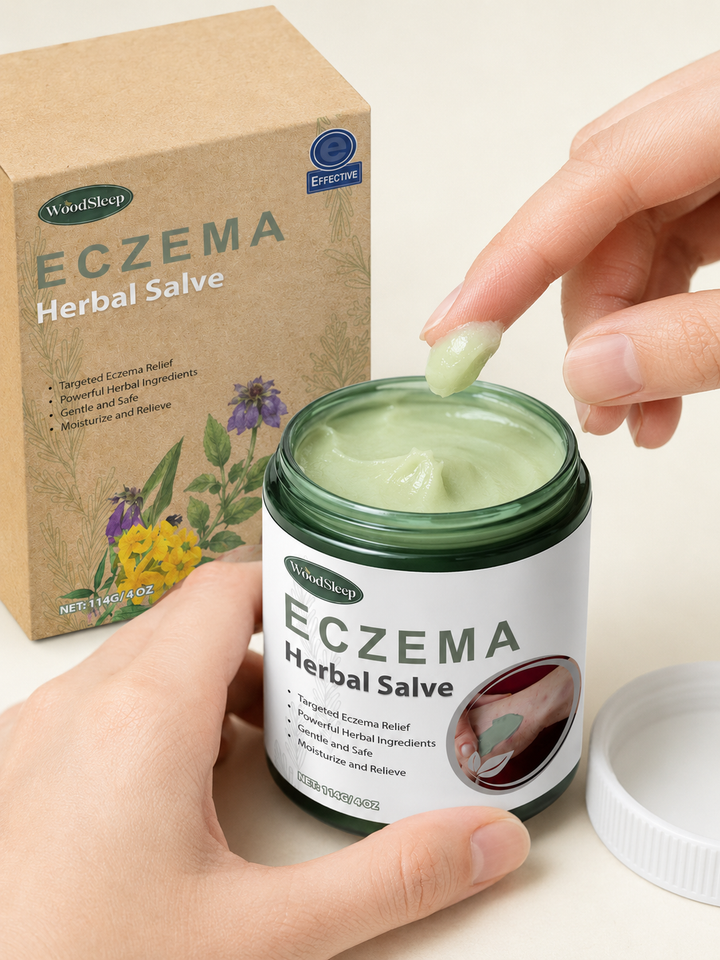
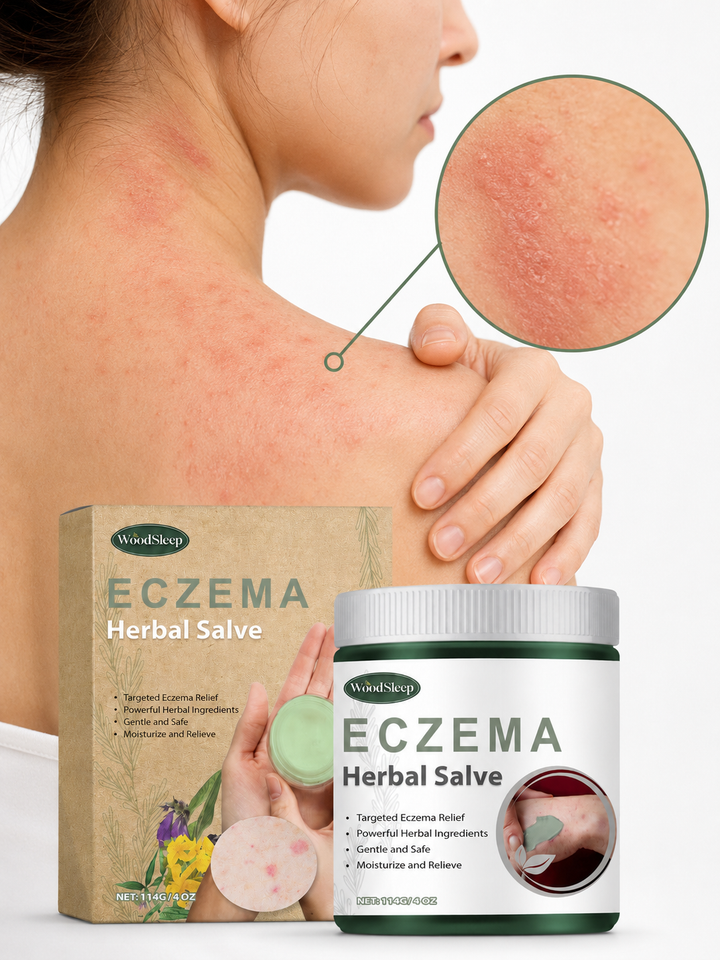

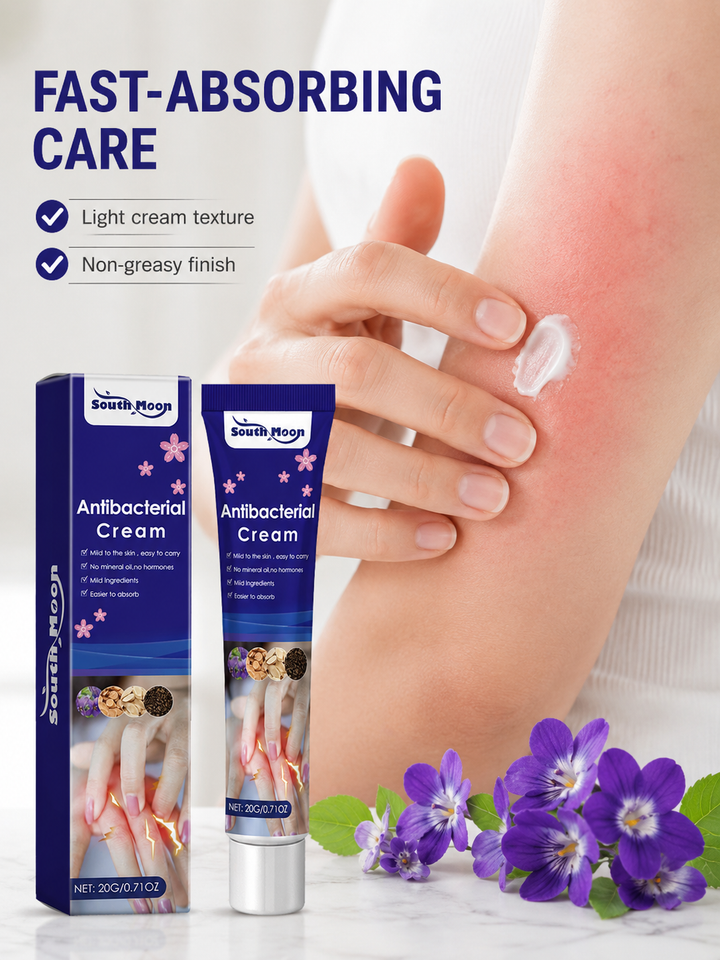
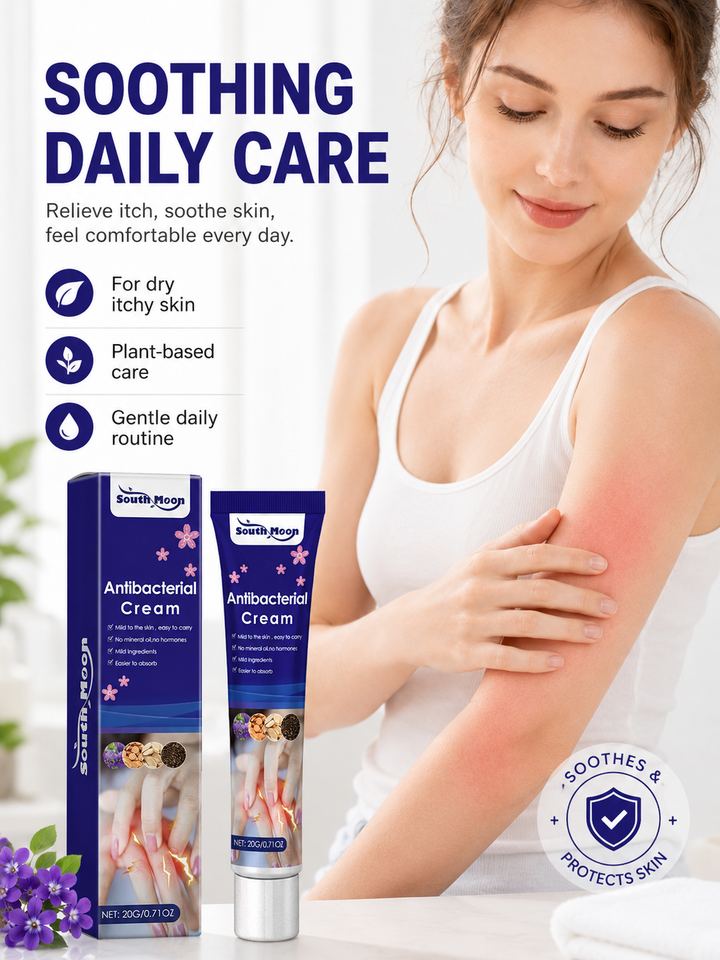
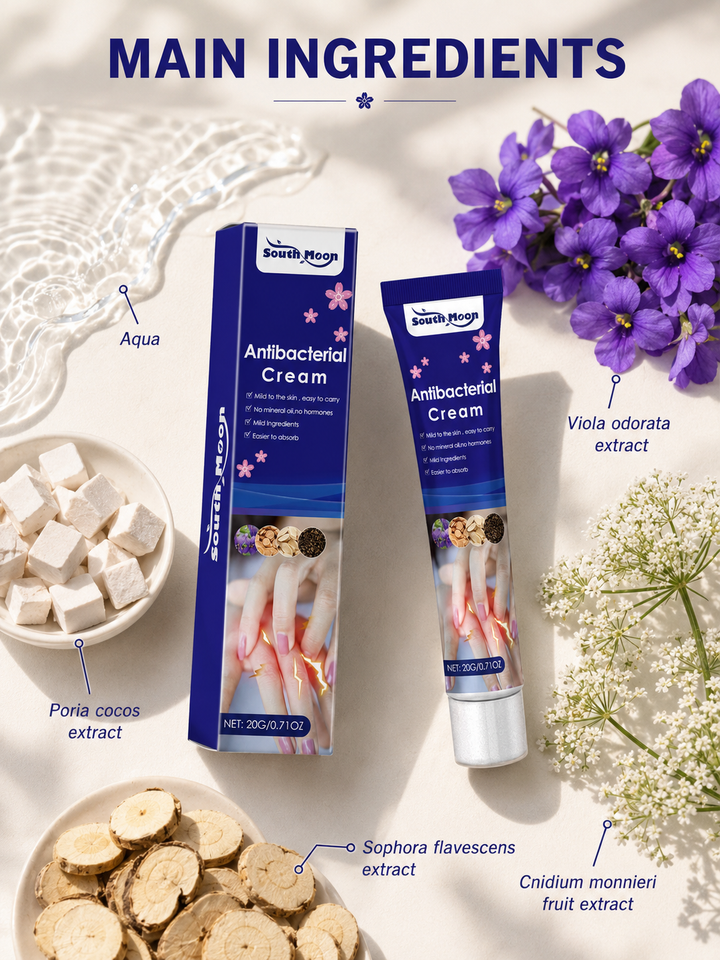

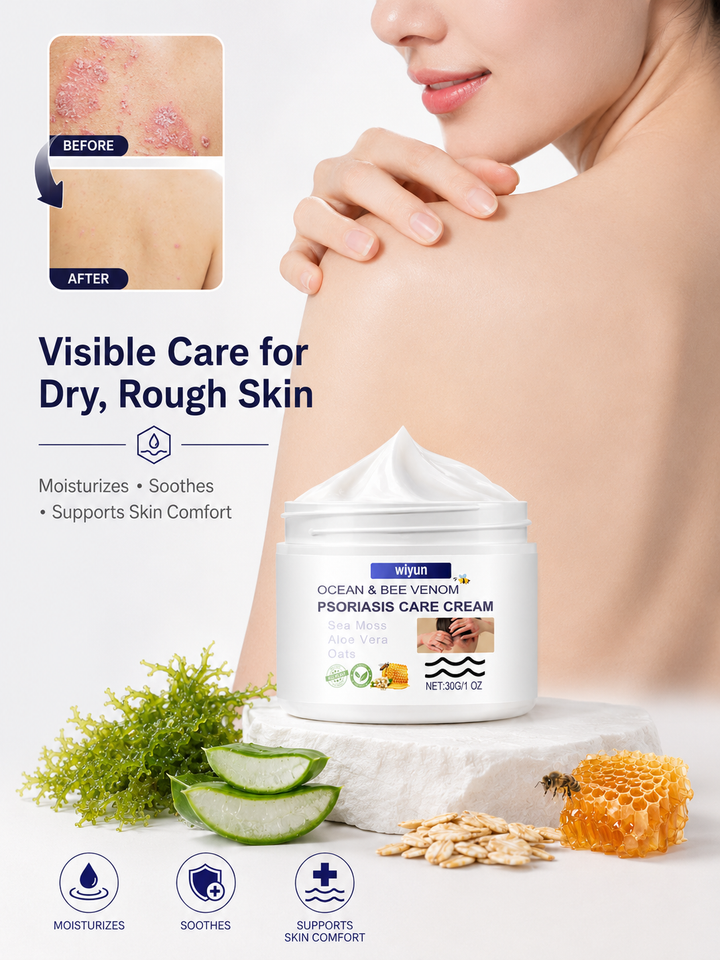



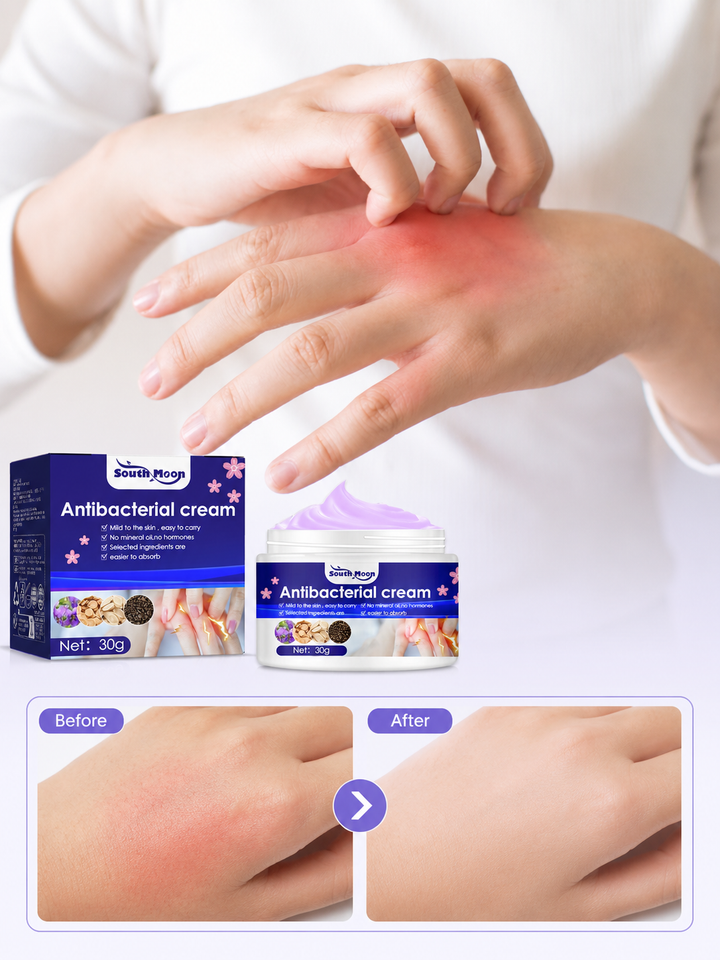
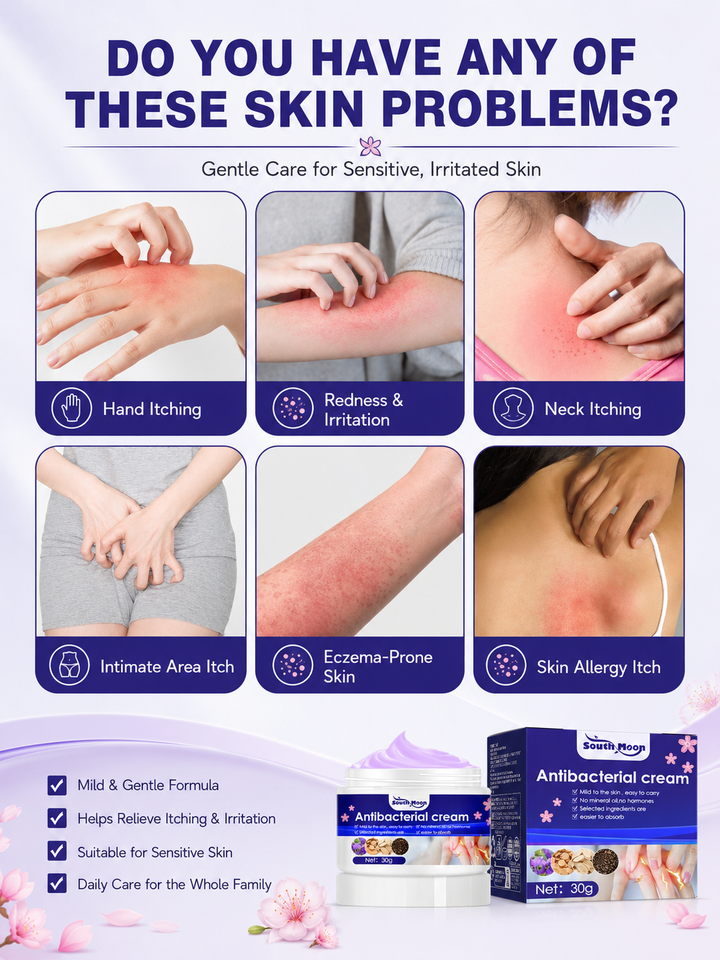
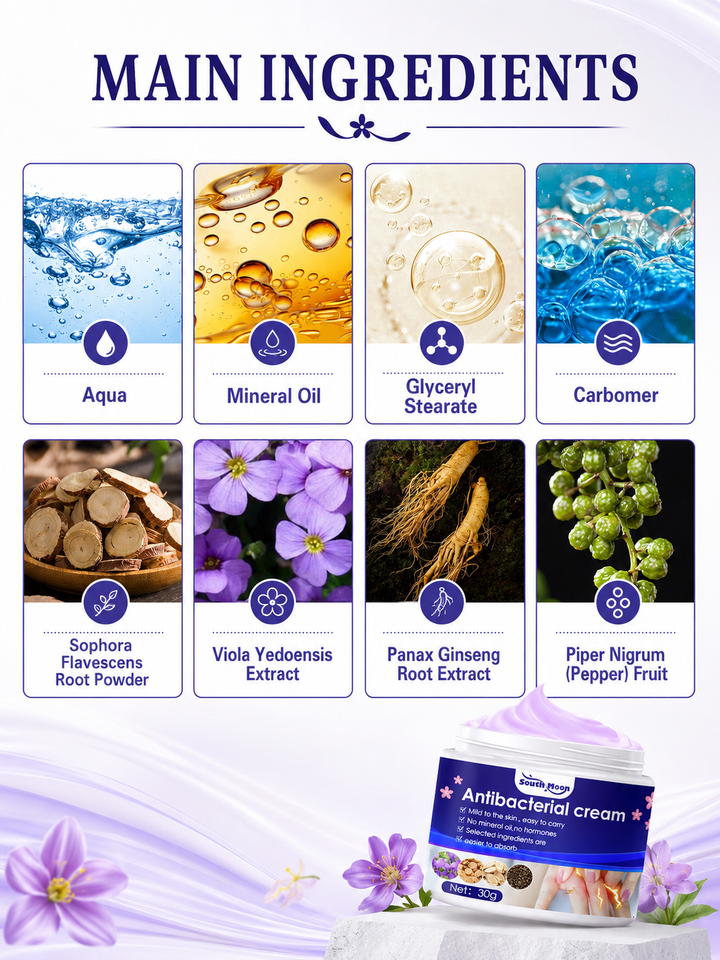


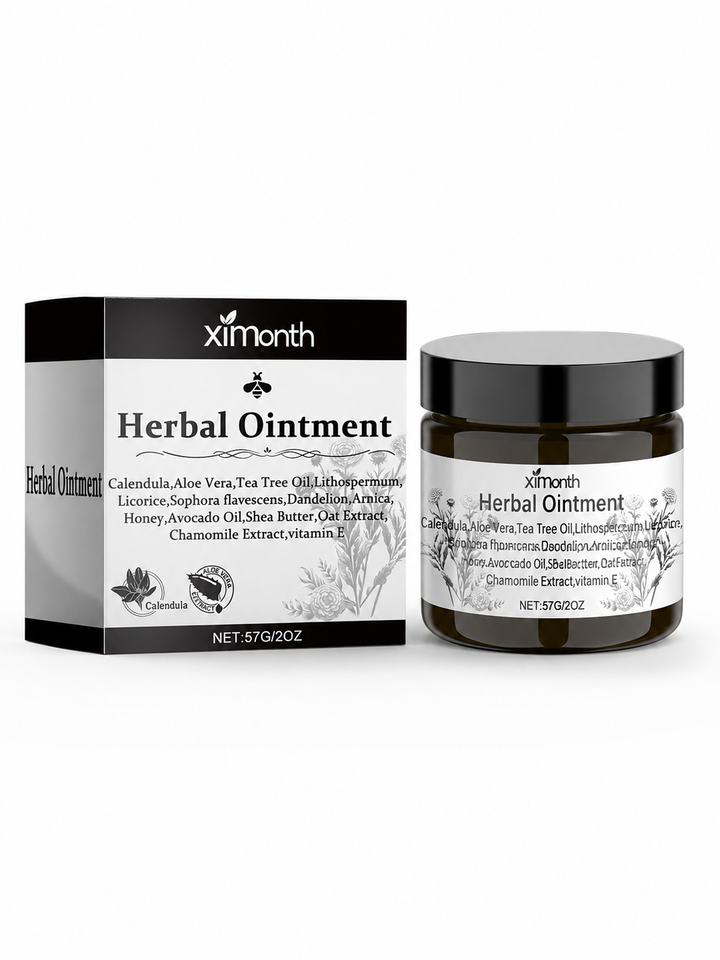


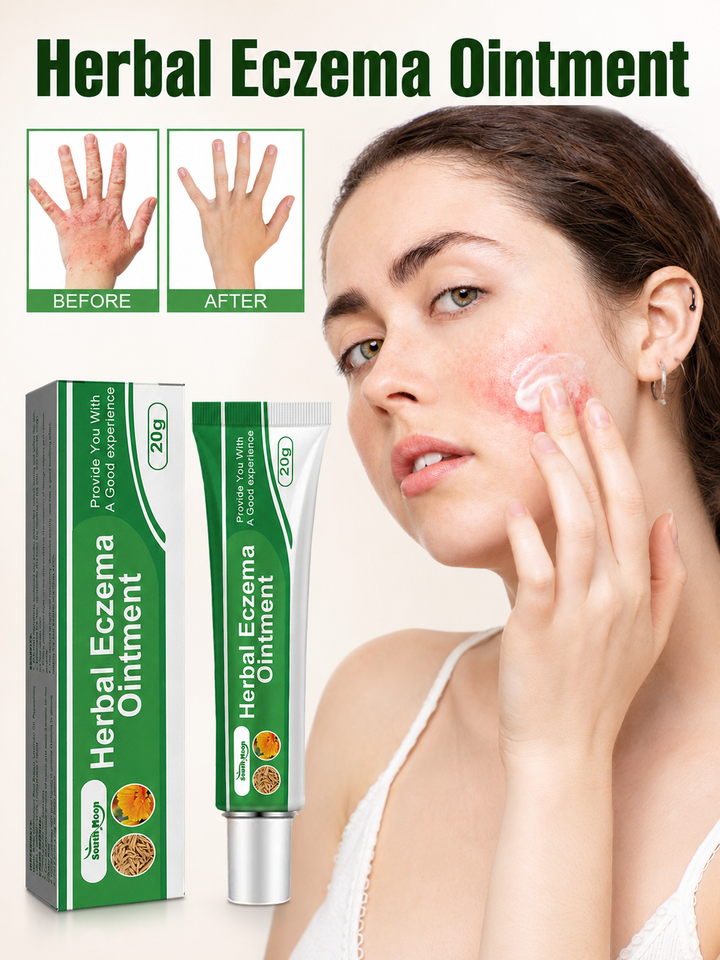
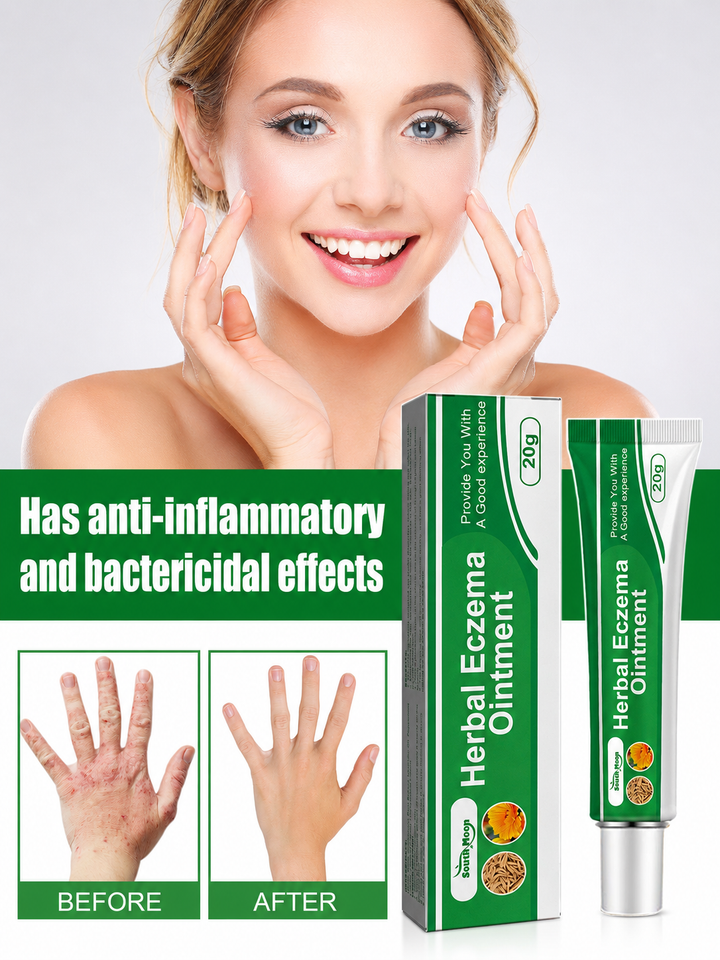

Find an eczema cream or ointment for dry, itchy skin on areas such as the hands, feet, and face. This guide compares texture, ingredients, and intended use so you can choose a practical option for daily skin care while knowing when prescription advice may be appropriate.
How do I choose the best eczema cream?
Start with the area you want to care for and the texture you prefer. A cream is usually easier to spread during the day, while an ointment feels richer and may suit very dry patches or overnight use. For hand eczema, choose a formula that is comfortable to reapply after washing. For feet, a thicker product may be easier to leave on under socks. If you are comparing eczema cream for face use, check the product directions and avoid applying formulas intended only for hands and feet. Look for soothing, moisturizing ingredients such as calendula, manuka honey, or plant-based extracts, and patch test a small area first. If skin is cracked, oozing, painful, or worsening, ask a healthcare professional for advice.
What types of eczema cream and ointment are available?
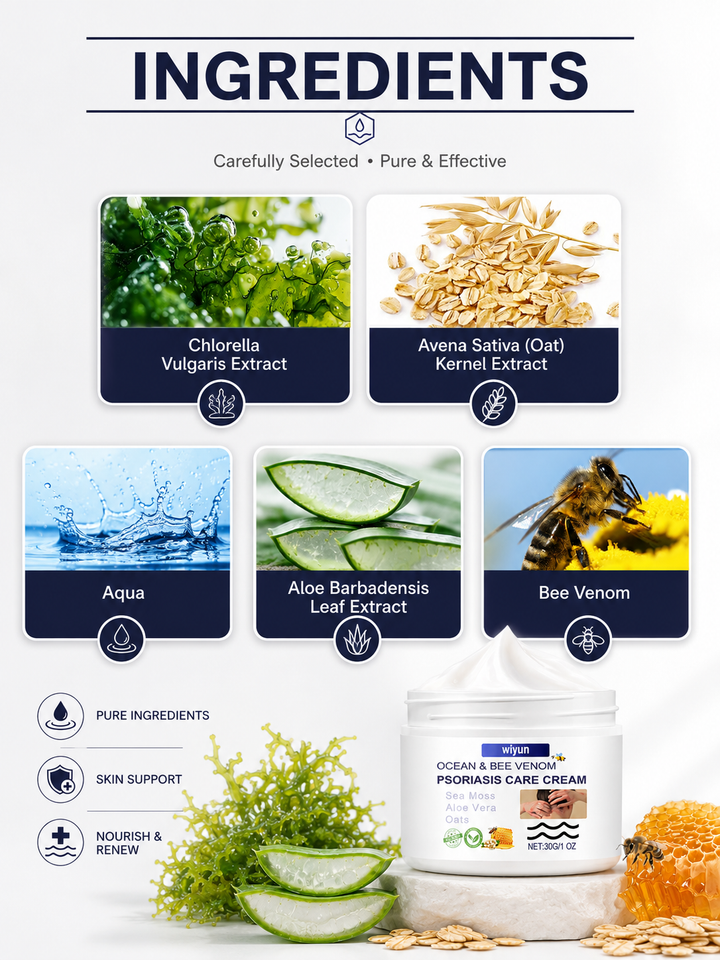
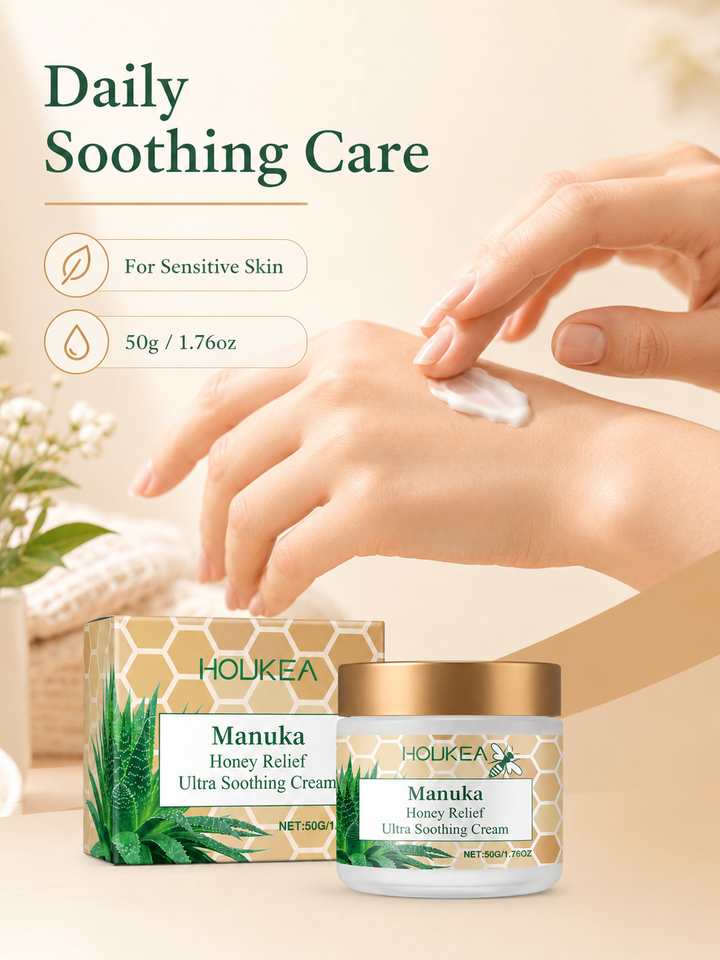
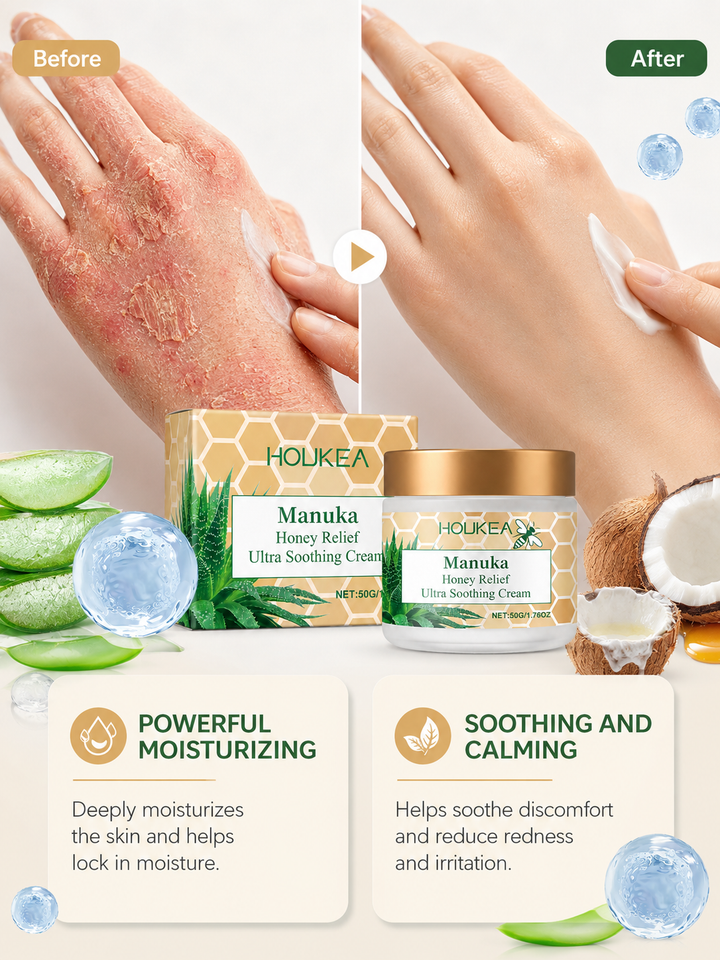
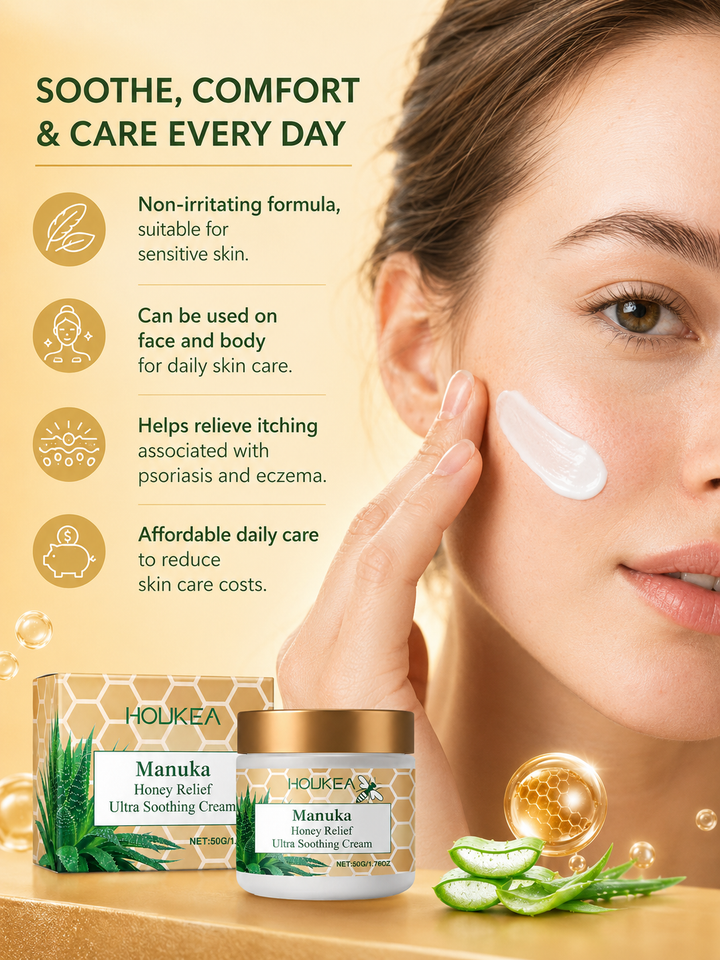
This category includes several formats for different routines. Herbal eczema creams are lightweight options for dry, itchy hands and feet, while herbal ointments provide a more occlusive feel for areas needing richer moisture. Bee venom moss cream is another soothing option marketed for itchy hands and feet; review its ingredients carefully if you have sensitivities. Antibacterial creams and manuka honey soothing creams may appeal to shoppers seeking targeted skin care, but they should be used only as directed and are not a substitute for treatment of a diagnosed infection. A lotion-style eczema cream may spread quickly over larger areas, whereas an ointment can feel better on small, rough patches. Compare the label, texture, scent, and intended body area before buying.
What should I look for in an eczema cream?
Choose a product with clear directions, a full ingredient list, and an intended use that matches your skin area. If your skin is sensitive, you may prefer a simpler formula and avoid products containing ingredients you already know trigger discomfort. Calendula, manuka honey, and botanical extracts appear in several options in this category, but natural ingredients can still cause sensitivity. For everyday use, consider whether the cream absorbs quickly enough for work or school, especially when treating hand eczema. For nighttime care, a richer ointment may be more practical. Shoppers searching for eczema cream Eucerin or other familiar products should compare texture and ingredients rather than relying on the product name alone. Prescription products such as triamcinolone require professional guidance and are different from these non-prescription creams.
How should I use eczema cream for itchy skin?
Apply the product exactly as the label instructs, using clean, dry hands unless the directions say otherwise. Many people apply moisturizer after washing or bathing while skin is still slightly damp, helping reduce the tight, dry feeling that can follow water exposure. Reapply to hands after washing when needed, and use a richer ointment at night if that suits your routine. Do not apply a product to the eyes, inside the mouth, or broken skin unless the label specifically allows it. When trying a new eczema cream for kids or adults, test a small area first and stop if irritation develops. Keep the container closed and avoid sharing it. Seek professional advice for persistent symptoms or suspected infection.
What common mistakes should I avoid with eczema cream?
A common mistake is choosing solely by the word “eczema” without checking whether the product is intended for the face, hands, feet, or body. Another is applying too little or using a light lotion when a richer ointment would better match very dry skin. Avoid switching between several new formulas at once, because it becomes difficult to identify which product suits you. Do not assume “natural” means irritation-free, and review ingredients if you have known allergies. Avoid using antibacterial products, prescription creams, or steroid products outside their directions; an eczema cream is not automatically suitable for every rash. Do not scratch or scrub irritated skin before application. If a rash changes, spreads, becomes painful, or does not improve with routine care, contact a healthcare professional.
Who is eczema cream suitable for?
These products are intended for shoppers seeking moisturising and soothing skin care for dry, itchy areas, including hands and feet. Adults may prefer a fast-absorbing cream for daytime use and an ointment for overnight care. Parents looking for eczema cream for kids should read the age guidance, check every ingredient, and ask a pediatric healthcare professional when unsure. Face use requires extra care because facial skin can be more reactive; use only products whose directions include the face. People with recurring, severe, or unexplained rashes should not rely on a category product to identify the cause. A pharmacist or clinician can help distinguish eczema from conditions that may look similar and can advise whether a prescription eczema cream is appropriate.
Frequently asked questions
What is the best cream for eczema?
The best option depends on the affected area, your preferred texture, and how your skin responds to the ingredients. A cream may suit daytime use, while an ointment can feel more protective on very dry patches or overnight. Check the directions and patch test a new product before wider use.
What is the very best cream for eczema?
There is no single best cream for every person or type of rash. Compare the intended body area, texture, ingredient list, and age guidance, then choose a formula that fits your routine. Persistent or worsening symptoms should be assessed by a healthcare professional.
What heals eczema quickly?
Results vary, and these products are intended to soothe and moisturize rather than promise a quick cure. Gentle washing, regular moisturizing, and avoiding known irritants may support a consistent skin-care routine. For severe, recurring, or infected-looking symptoms, seek professional advice instead of delaying care.
What is the 3 rule for eczema?
People often use the “three-minute rule” to mean applying moisturizer soon after bathing, while skin is still slightly damp. It is a simple routine suggestion, not a guarantee of improvement. Follow the product label and choose a texture that you can apply comfortably and consistently.
What is mostly mistaken for eczema?
Several skin conditions can resemble eczema, including contact irritation, allergic reactions, psoriasis, fungal rashes, and other causes of redness or itching. Appearance alone is not enough to identify the cause. If a rash is unusual, spreading, painful, or not responding to routine care, ask a healthcare professional.
What kills eczema bacteria naturally?
Eczema itself is not something that should be treated by trying to kill bacteria at home. Honey or antibacterial products in this category should be used only according to their labels and are not a replacement for medical evaluation of a possible infection. Contact a healthcare professional if you notice increasing pain, warmth, swelling, oozing, or other concerning changes.