Best Lotions & Creams for Eczema | Anti-Itch Eczema Care5 items


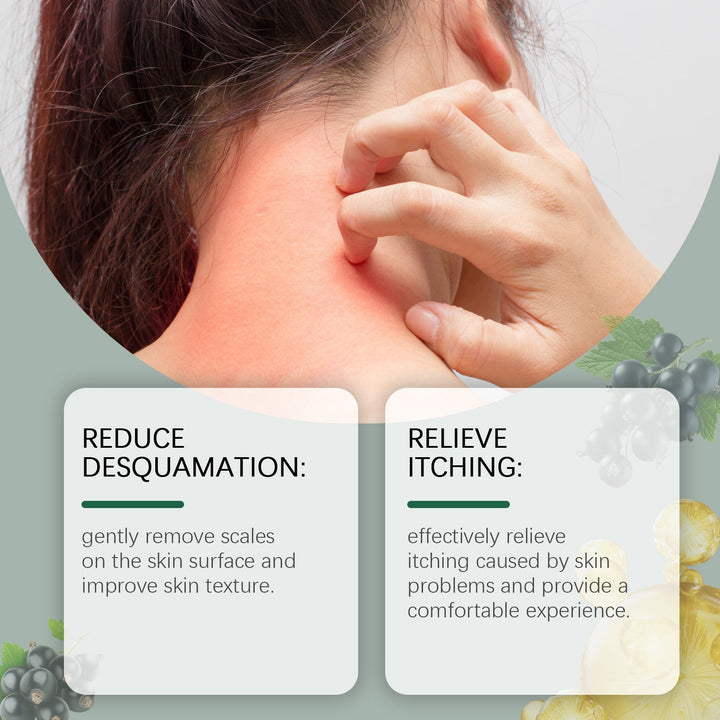
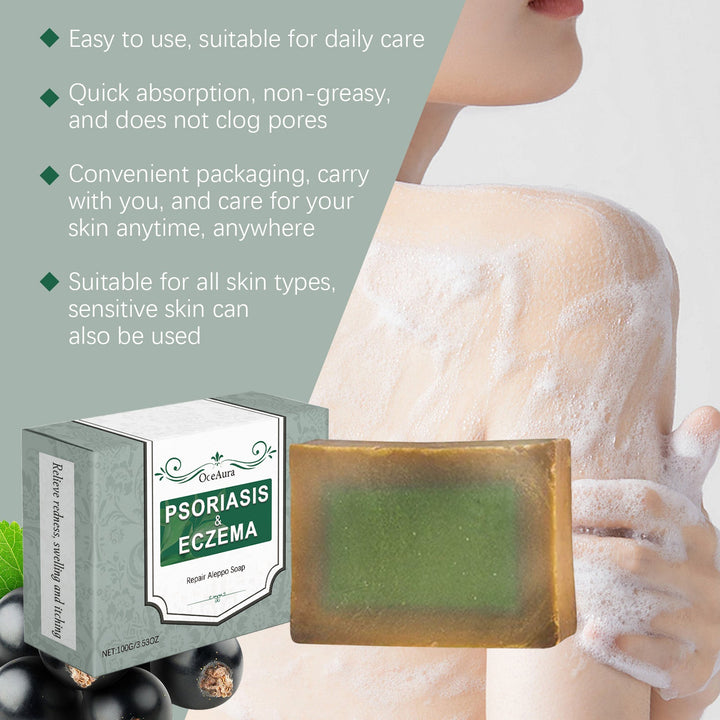

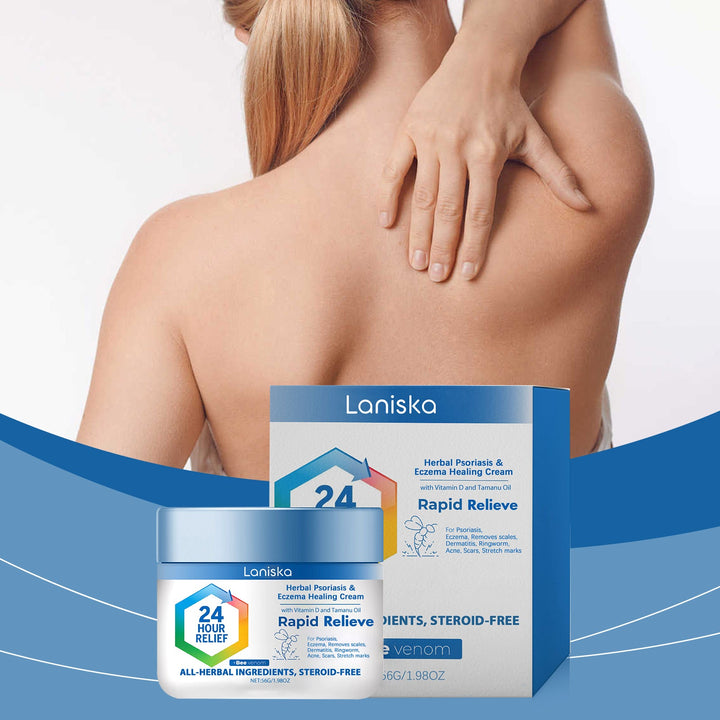
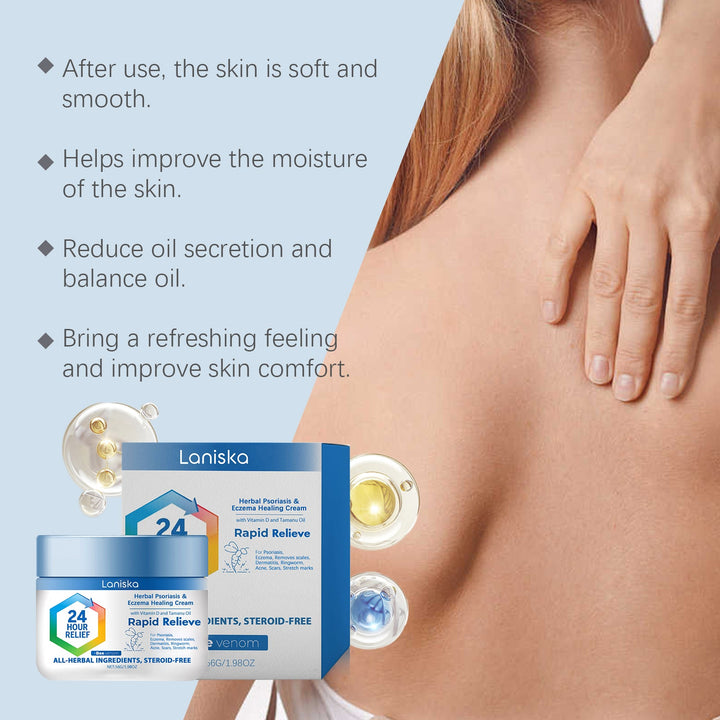
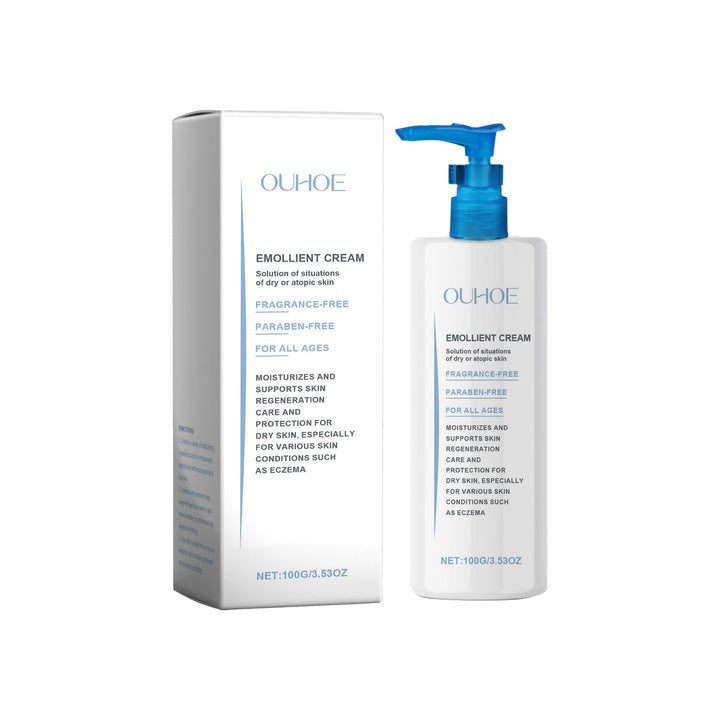
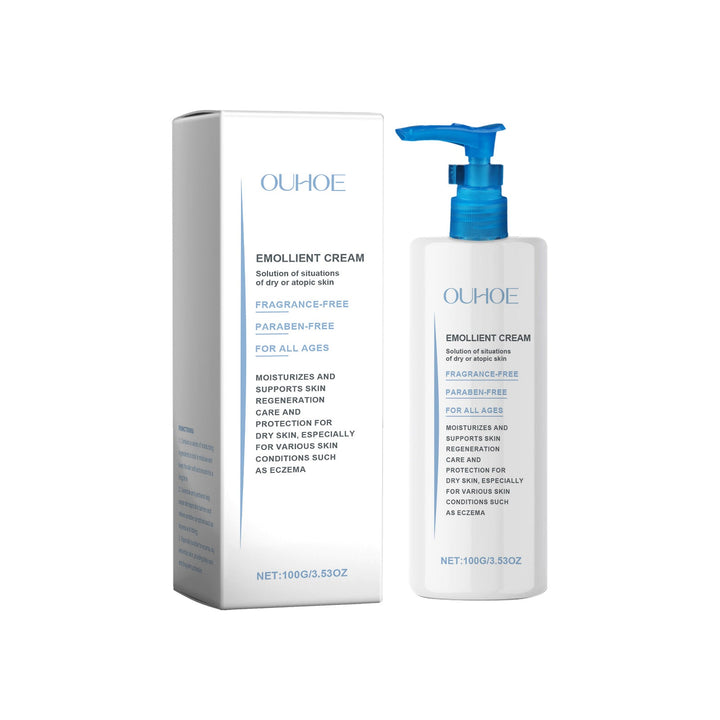
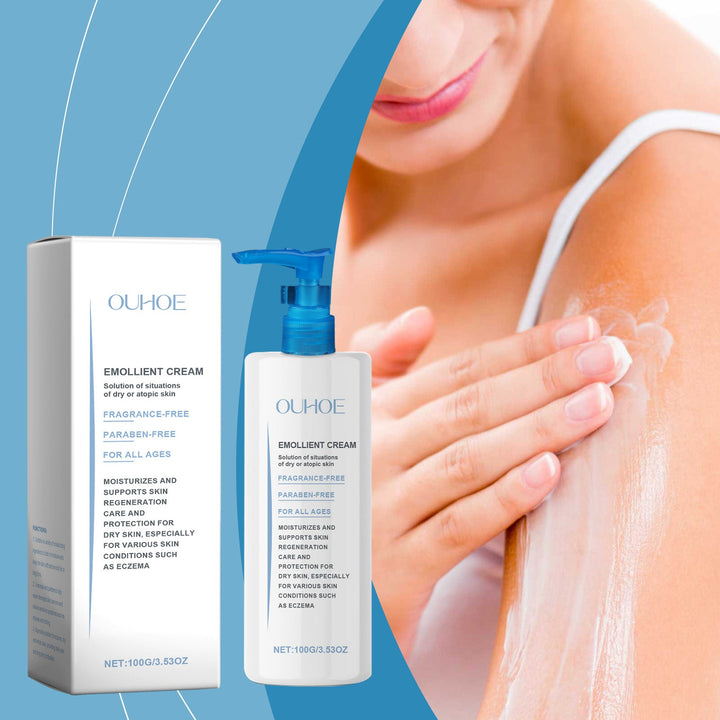


Find eczema care creams and lotions by matching the formula to your skin’s needs, preferred texture, and daily routine. This category includes leave-on creams, a spray, a cleansing bar, and an ointment, so you can build a simple routine for dry, itchy-feeling, or easily irritated skin.
How to choose an eczema lotion or cream
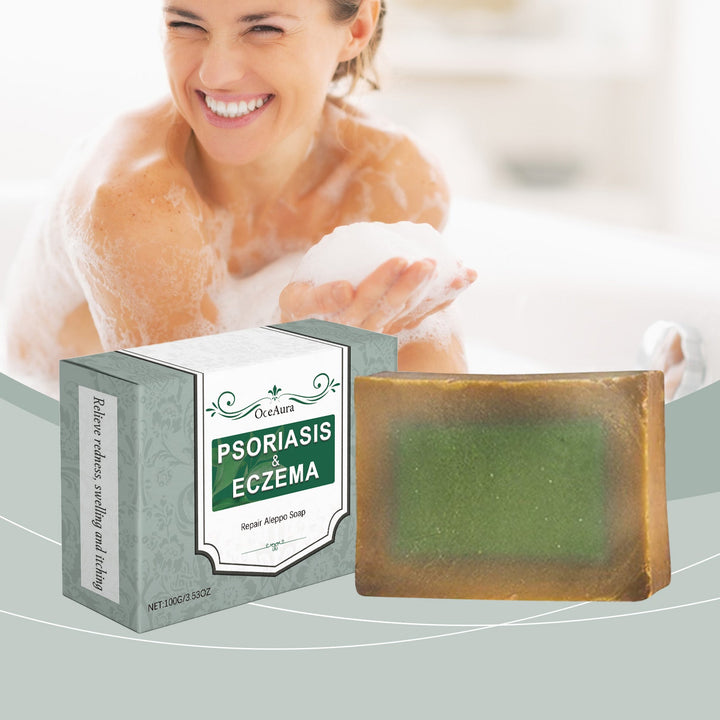
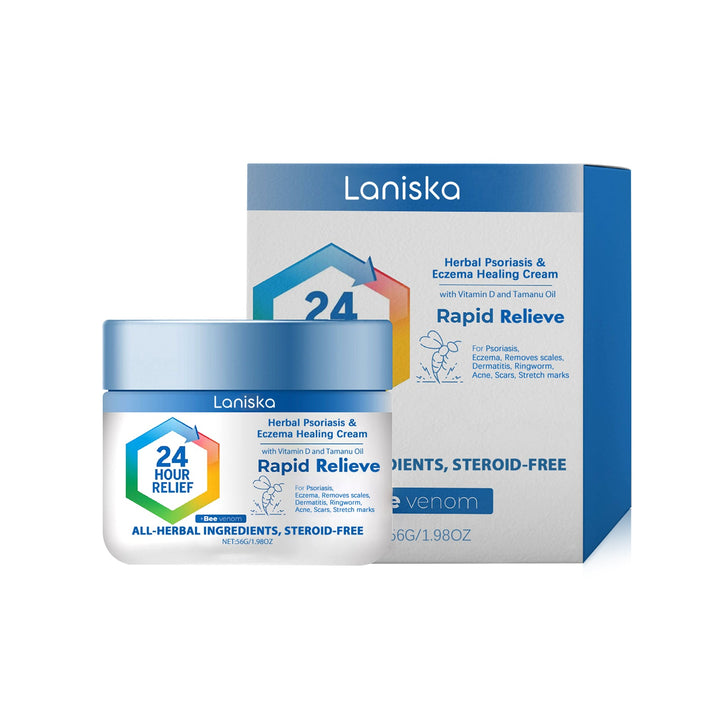
Start with the area you want to care for and how the skin feels. A fragrance-free cream for eczema and atopic dry skin is a practical everyday option when you want a richer moisturizer without added fragrance. The Herbal Eczema Relief Cream is suited to shoppers looking for a botanical-style cream for dry, red, or irritated-looking skin. Choose the Eczema Therapy Spray when you prefer quick, hands-off application or need to cover a larger area. An ointment is generally thicker and more protective-feeling, making the Tattoo Aftercare Ointment useful for targeted areas where you want a heavier layer. For cleansing, the OceAura Repair Soap can be used as part of a gentler wash routine.
Which eczema cream, lotion, spray, or ointment is best?
The most effective eczema lotion for you is the one you can apply consistently and that feels comfortable on your skin. Creams offer a balanced texture for everyday use, while ointments feel denser and leave a more noticeable protective layer. Sprays can be convenient when rubbing is uncomfortable or when you want fast coverage, but they may not feel as rich as a cream. A cleansing bar serves a different purpose: it helps fit washing into your routine rather than replacing a leave-on moisturizer. Compare the Fragrance-Free Cream, Herbal Eczema Relief Cream, Eczema Therapy Spray, Tattoo Aftercare Ointment, and Repair Soap according to texture, application method, and the areas you plan to use them on.
What should you look for in eczema care products?
Look for a format that supports regular use and suits your sensitivity preferences. Fragrance-free is a useful choice if you prefer to avoid added scent. A cream can work well for broad daily application, while an ointment may suit small areas needing a thicker finish. If touching the skin is unpleasant, a spray offers a different application method. Read the product directions and ingredient list before use, especially if you already know which ingredients bother your skin. Avoid choosing solely because packaging says “natural,” “repair,” or “relief”; instead, check the intended use, texture, and any cautions. For products used near the face, folds, or broken skin, follow the label carefully and ask a healthcare professional if you are unsure.
How do you use eczema creams and lotions in a routine?
Apply leave-on products to clean, dry skin according to the label, giving extra attention to areas that feel dry or tight. Many shoppers follow the “three-minute rule,” meaning they moisturize soon after bathing while skin is still slightly damp; this can help the routine feel more efficient, but product directions come first. Use the Fragrance-Free Cream or Herbal Eczema Relief Cream for everyday coverage, and consider the Eczema Therapy Spray when you want a touch-free option. Reserve the Tattoo Aftercare Ointment for its labeled aftercare use rather than treating it as a universal face or body cream. If using the Repair Soap, keep washing gentle and avoid vigorous scrubbing. Patch-test a new product on a small area when appropriate.
What should you not put on eczema-prone skin?
Avoid products that sting, feel overly drying, or contain a scent you know your skin dislikes. Do not scrub irritated-looking areas, layer several new products at once, or use an ointment outside its labeled purpose. Hot water, rough towels, and heavily fragranced cleansers can make a routine feel less comfortable, so choose gentle washing and pat the skin dry. Be cautious with household remedies and essential oils because “natural” does not automatically mean suitable for sensitive skin. Stop using a product if it causes a concerning reaction, and seek professional advice for significant discomfort, spreading redness, oozing, or symptoms that do not improve. Keep product use aligned with the packaging directions, particularly around the eyes, on the face, or on damaged skin.
Who are these eczema care products suitable for?
This category suits adults and households looking for different ways to care for dry, sensitive, or eczema-prone-feeling skin, but the right product depends on the person and the application area. Choose the Fragrance-Free Cream for a straightforward daily moisturizer, the Herbal Eczema Relief Cream for a botanical-style option, or the Spray for convenient application. The Repair Soap is for shoppers reviewing their cleansing step, while the Tattoo Aftercare Ointment is intended for tattoo aftercare as directed. Children, people with known allergies, and anyone with persistent or worsening skin concerns should check the label and consider professional guidance before use. Always follow age, area, and frequency instructions supplied with each product.
Frequently asked questions
What is the most effective eczema lotion?
The best option is usually the one that feels comfortable and fits a routine you can follow consistently. Compare a fragrance-free cream, botanical-style cream, spray, or ointment by texture, application method, and intended use, then follow the product directions.
Which cream or lotion is best for eczema?
A fragrance-free cream is a practical starting point for shoppers who want a rich everyday moisturizer without added fragrance. If you prefer hands-free application, consider the Eczema Therapy Spray; for a thicker targeted layer, review the Tattoo Aftercare Ointment and its labeled use.
What is the 3 rule for eczema?
The “three-minute rule” commonly refers to applying moisturizer soon after bathing, while skin is still slightly damp. It is a routine tip rather than a guarantee, so follow the product directions and choose a schedule that works comfortably for you.
What is the best cream for eczema?
There is no single best cream for everyone. The Fragrance-Free Cream is an everyday option for shoppers avoiding added fragrance, while the Herbal Eczema Relief Cream offers a different formula preference; compare ingredients, texture, and intended application area.
What not to put on eczema?
Avoid anything that you know irritates your skin, including unwanted fragrance or products that sting and feel drying. Also avoid vigorous scrubbing, unlabelled household remedies, and using a product outside its intended area or directions.
What are the 7 triggers of eczema?
Commonly discussed triggers include fragranced products, harsh cleansers, hot water, dry air, heat or sweating, rough fabrics, and personal sensitivities to particular ingredients or materials. Triggers vary, so note what happens after a new exposure and ask a healthcare professional for advice about recurring or severe symptoms.