
$44.90
Free delivery · 7–14 days
Prostate Support Patches — Herbal Transdermal for Male
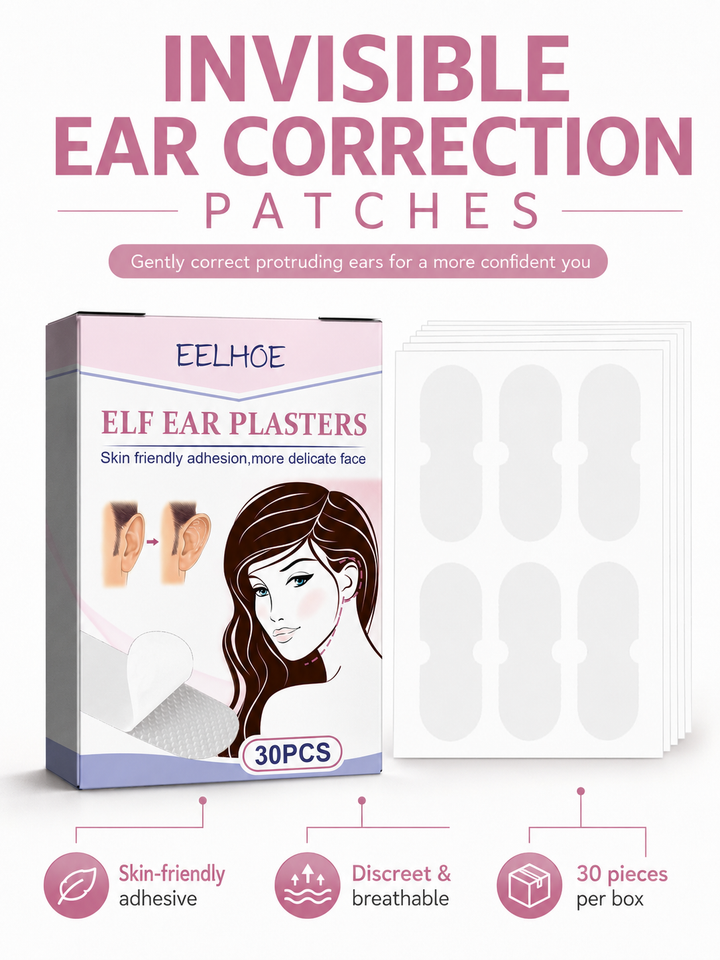
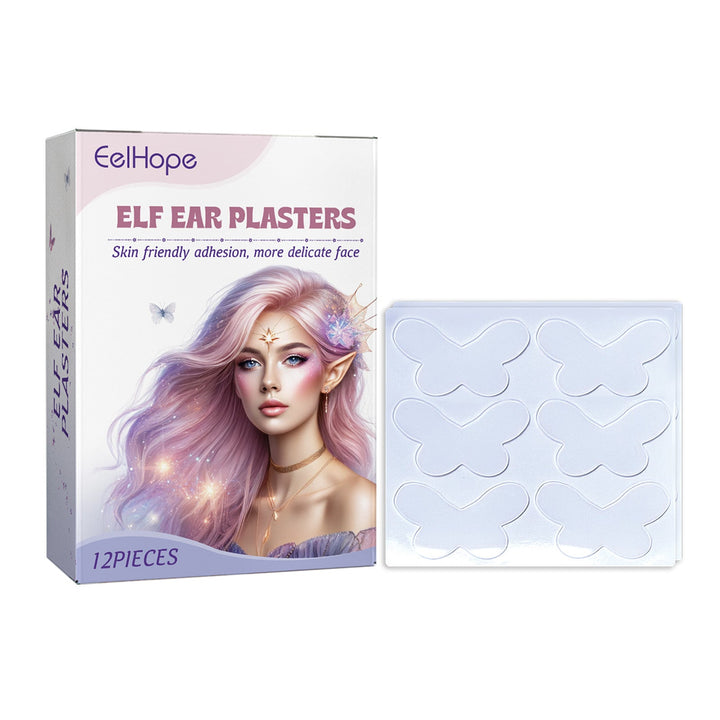

Ear support patches are adhesive stickers designed to sit behind or around the earlobe, helping distribute pressure from earrings and providing discreet everyday support. This guide compares patch styles, explains how to apply them, and highlights what to check when shopping for ear patches or earlobe support for heavy earrings.
Start with the job you want the patch to do. If heavy earrings pull on the lobe, choose a broad support patch that places a larger adhesive area behind the ear. For discreet wear, look for thin, skin-toned or transparent material with a smooth edge that is less visible under hair. Check the product count, patch size, adhesive instructions, and whether the patches are intended for single use. Shoppers comparing the best ear lobe support patches should also consider the earring type: studs may need a smaller opening, while larger drop earrings may benefit from stronger, wider support. If you are searching for a lobe wonder alternative or earlobe support patches on Amazon, compare the actual dimensions and application guidance rather than relying on appearance alone.
Most ear support patches fall into two practical styles. Adhesive earlobe support patches sit behind the lobe and help spread the earring's pull across a wider area. Invisible ear correction patches may use a smaller, more discreet shape for light support or a less noticeable finish. Some are designed with a slit or opening so an earring post can pass through; others are placed beside the piercing without threading the post through the patch. The right type depends on your jewelry, the amount of support you want, and how visible the patch can be. Ignore unrelated products such as body, leg, or prostate patches when browsing a mixed marketplace category: they are not designed for earlobes or earrings.
Look for a patch that is thin but large enough to contact clean, dry skin on both sides of the piercing area. A smooth edge can make an invisible patch more comfortable and less noticeable, while a clearly stated adhesive material helps you avoid guessing about construction. The package should explain whether the patch is intended for one-time use, how long it is designed to remain in place, and how to remove it. Check whether the shape suits your earring posts and whether the color matches your skin tone or clothing. A higher piece count may be useful for regular wear, but fit and placement matter more than quantity. Product photos should show the patch on an earlobe, not only on a plain background.
Wash and dry the earlobe first, removing oil, lotion, and makeup so the adhesive can contact clean skin. Put on the earring before final positioning if the patch is designed to support the post, or follow the package directions for placing it behind the lobe. Center the support area around the piercing and press the patch down firmly for several seconds, smoothing the edges. Check that the earring hangs comfortably and that the patch is not folded or pulling the skin. Use a fresh patch for each application unless the instructions specifically say otherwise. To remove it, loosen one edge slowly rather than pulling quickly. Stop using the product if the skin feels painful, unusually irritated, or uncomfortable.
A common mistake is applying ear support stickers over lotion, sunscreen, or damp skin; this can reduce adhesion and cause the edges to lift. Another is choosing a patch that is too small for the earring's weight or placing it off-center, which may leave the piercing area unsupported. Do not stretch the patch while applying it, since tension can make it curl or feel uncomfortable. Avoid covering broken, bleeding, or visibly irritated skin, and do not assume a patch can close or restore a damaged piercing. Wearing support patches overnight or in water is only appropriate when the product instructions allow it. Finally, test a small area first if you have reacted to adhesives before, and remove the patch if discomfort develops.
Earlobe support patches may suit adults who want discreet help distributing the pull of heavier earrings during occasions or everyday wear. They can also be useful for shoppers seeking ear patches that fit behind a lobe without changing the look of their jewelry. They are not a substitute for professional evaluation of a torn, split, bleeding, or persistently painful earlobe. A torn earlobe may not heal back into its original shape on its own, and an adhesive patch cannot repair a separated area. If the piercing is fresh, the skin is damaged, or you are unsure whether an earring can be worn safely, avoid relying on a sticker alone and ask a qualified healthcare professional or piercer for appropriate guidance.
They can help distribute some of an earring's pull across a wider area of the earlobe when applied correctly. Results depend on the patch design, adhesive, jewelry weight, skin condition, and placement; they do not repair a torn or stretched lobe.
The best option is one that fits your earring, contacts enough clean skin, and remains discreet and comfortable. Compare patch dimensions, adhesive instructions, shape, color, intended use, and product count rather than choosing by the phrase “best” alone.
Support patches may help reduce the pull of earrings while they are worn, but they cannot reshape or repair a stretched piercing. Avoid heavy earrings if the area is painful or damaged, and seek professional medical advice for a split, bleeding, or significantly stretched earlobe.
Clean and dry the skin, position the patch according to its instructions, and center the support area around the piercing or behind the lobe. Press the edges down firmly, check that the earring feels comfortable, and remove the patch slowly when finished.
Apply them only to clean, dry, intact skin and follow the package directions for whether the earring post passes through the patch. Do not stretch or fold the sticker, and remove it if you experience pain, itching, or irritation.
A minor skin irritation may settle with time, but a fully torn or split earlobe generally cannot be expected to return to its original shape without professional treatment. Do not use an adhesive patch to close an open wound; keep the area protected and seek appropriate medical advice.