Drain Cleaners: Pipe, Sink & Garbage Disposal Cleaning Products
7 products
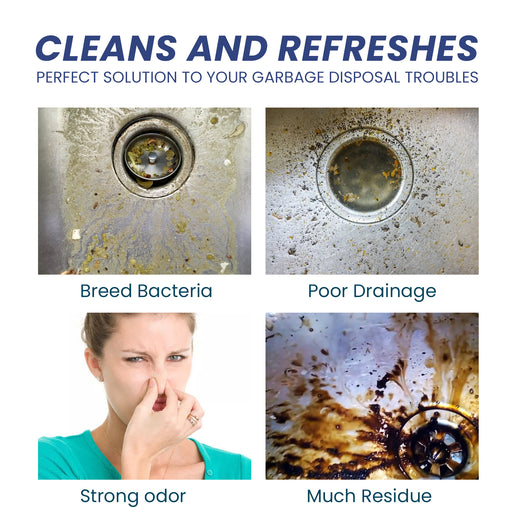
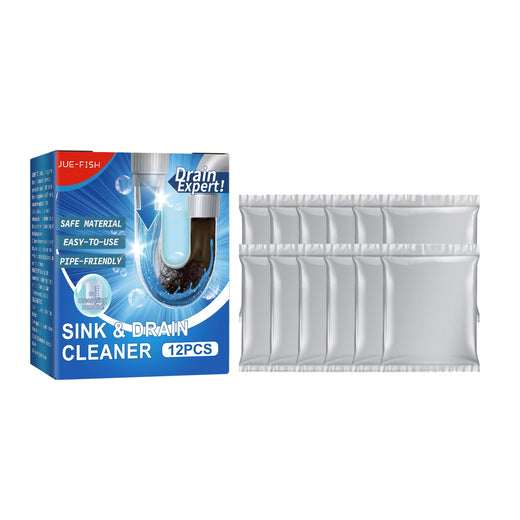
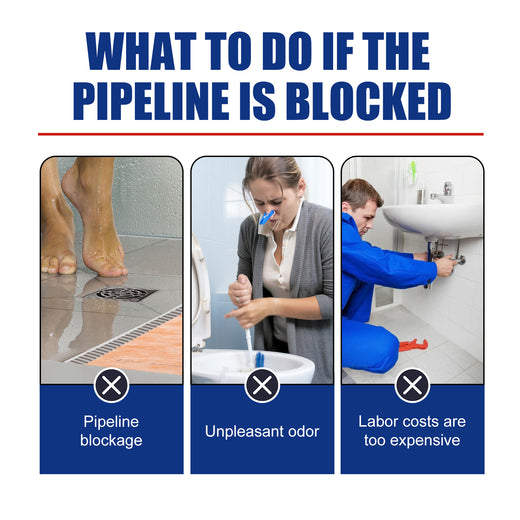
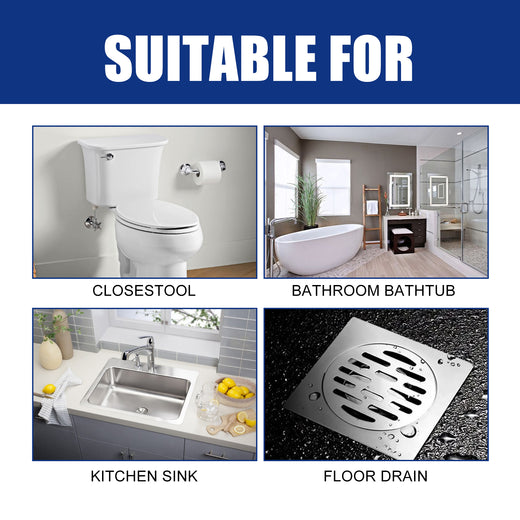
Drain cleaners help address slow sinks, unpleasant odors, hair, grease, and buildup in kitchen, bathroom, and garbage disposal drains. This range includes powders, sachets, liquid drain cleaner, and disposal-cleaning tablets, so you can match the product format to the type of drain and the problem you are trying to solve.
How do I choose the best drain cleaner?
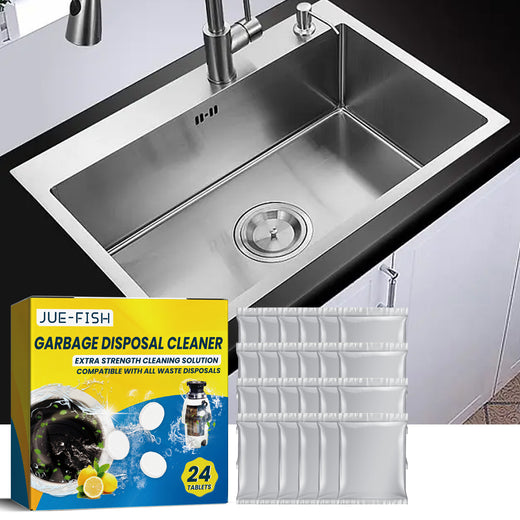
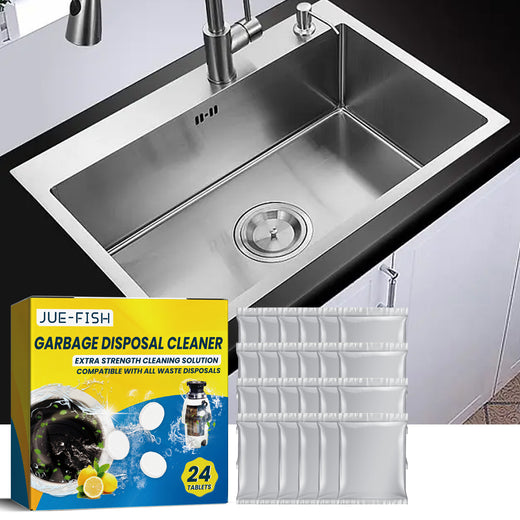
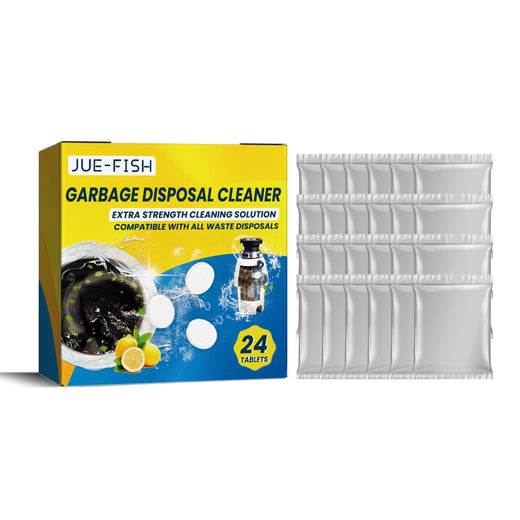
Start by identifying the drain and the symptom. For a kitchen sink with slow flow, choose a drain cleaning powder or sachet labeled for sinks, pipes, grease, odors, or general buildup. For a garbage disposal, use disposal cleaning tablets or sink cleaning tablets designed to freshen and clean that appliance rather than a general clog product. Hair-related buildup may call for a drain pipe cleaner intended for hair, grease, and odor buildup. A 100ml liquid drain cleaner can suit shoppers who prefer a ready-to-pour format for clogged kitchen or home pipes. If you are searching for the best drain cleaner for old pipes, check the directions and material compatibility carefully, and avoid assuming that a stronger formula is automatically safer or more effective.
What types of drain cleaners are there?
Drain cleaner products generally fall into four useful formats. Powders are measured or poured into the drain and may be available as larger containers or individual sachets for convenient applications. Liquid drain cleaners arrive ready to use, which can simplify dosing when the label provides a specific amount. Garbage disposal cleaning tablets and sink cleaning tablets are made for routine cleaning and odor control around disposal units, rather than every type of blockage. The right option depends on whether you need to address a clog, slow drainage, grease, hair, or odor. Compare the product title and instructions with your drain type before buying. Shoppers looking for liquid drain cleaners or a drain cleaner chemical should also review handling directions, ingredients, and warnings on the product page.
What should I look for in drain cleaning products?
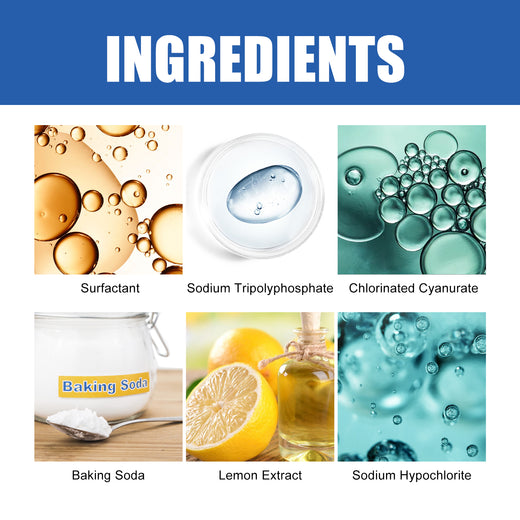
Look for a clear description of the intended use, such as kitchen sinks, home pipes, garbage disposals, hair, grease, odors, clogs, or slow drains. Confirm whether the product is for routine cleaning or for a blockage, since disposal tablets and odor-focused products are not necessarily designed to clear a fully blocked pipe. Check the format and pack size to suit your cleaning routine: sachets can reduce measuring, powders can be stored for repeat use, liquids are ready to pour, and tablets are convenient for disposal maintenance. Read compatibility information for your pipe and drain materials, then check whether the instructions require ventilation, gloves, or other precautions. If you are comparing drain cleaners at a local retailer or searching for drain cleaners near me, use the same criteria rather than choosing only by price.
How do I use drain cleaner safely?
Read the product label completely before use, including the required amount, contact time, rinsing instructions, and warnings. Remove standing water only if the directions tell you to, and use the product in the drain or disposal specified on the packaging. Do not mix drain cleaner with bleach, acids, ammonia, other drain products, or homemade mixtures unless the label explicitly permits it. Wear the protective equipment recommended by the manufacturer, keep children and pets away, and provide the ventilation the directions call for. For garbage disposal tablets, follow the disposal-specific process rather than treating them like a pipe unclogger. If the drain remains blocked after the stated treatment, stop repeating applications and consider a plunger, drain snake, or qualified plumber, especially when the blockage may be deep or recurring.
What are common drain cleaner mistakes?
A common mistake is choosing an odor-control tablet when the real issue is a solid clog, or choosing a clog product when the drain only needs routine cleaning. Another is using more product than directed in the hope of getting faster results; follow the label instead. Never combine different drain cleaners or pour a chemical product into a drain that already contains another cleaner. Avoid relying on boiling water without checking the drain and pipe material, since heat may not address hair or hardened buildup and can be unsuitable for some installations. Baking soda and vinegar may help with light surface residue, but they are not a guaranteed substitute for a product designed for the specific problem. If a sink backs up repeatedly, investigate the underlying blockage instead of repeatedly applying drain cleaner.
Who are these drain cleaners best suited for?
This category suits homeowners, renters, and maintenance teams who want products for slow sinks, kitchen buildup, household pipe odors, or garbage disposal cleaning. Choose a powder or sachet when you want a measured dry format for kitchen drains, sinks, or pipes. Choose a liquid when a ready-to-pour product fits your routine and the label matches the blockage and pipe materials. Choose tablets for regular garbage disposal or sink cleaning and odor maintenance. These products may not be the right first choice for a completely blocked drain, repeated backups, leaking pipes, or a suspected issue in the main sewer line. In those situations, mechanical tools or professional help may be more appropriate. For older plumbing, follow compatibility guidance closely and select a product whose instructions specifically cover your installation.
Frequently asked questions
What is the best stuff to clean drains?
The best option depends on the problem. Use a disposal or sink cleaning tablet for routine odor and appliance cleaning, and choose a powder, sachet, or liquid labeled for the specific clog, hair, grease, slow drain, or pipe buildup you are addressing. Always follow the product instructions and compatibility guidance.
Why do plumbers say not to use drain cleaner?
Some chemical drain cleaners can be hazardous if mishandled, mixed with other products, or left in a blocked pipe. They may also be unsuitable for certain pipe materials or make later repair work more difficult. Read the label, avoid mixing products, and consider mechanical clearing or professional help for recurring or severe blockages.
Do baking soda and vinegar really unclog drains?
They may loosen light residue or help with minor odor, but they are not a dependable solution for every clog. Hair, grease, and deeper blockages may require a product designed for that buildup or a mechanical method. Do not combine this mixture with a commercial drain cleaner.
What's the most powerful drain unblocker?
There is no single best option for every blockage. Effectiveness depends on whether the obstruction is hair, grease, food residue, or a deeper pipe problem, as well as the drain and pipe materials. Choose a product specifically labeled for the problem and follow its directions rather than selecting only by the word "powerful."
What liquid do plumbers use to unclog drains?
Plumbers may choose different methods depending on the blockage, including mechanical tools and products suited to the pipe and situation. There is no universal liquid that is right for every drain. For home use, select a liquid drain cleaner only when its label matches your drain, buildup, and pipe-material requirements.
Does boiling water unclog drains?
Boiling water may help soften some light grease, but it is unlikely to remove every type of blockage, especially hair or a deep obstruction. It can also be unsuitable for some drain or pipe materials. Check the installation and product guidance before using very hot water, and use a purpose-made drain product or mechanical method when appropriate.