Degreasers for Kitchen & Heavy-Duty Grease Cleaning
5 products
Degreasers are formulated to loosen and remove cooking oil, sticky residue, baked-on grease, and other heavy kitchen grime. This range includes foams, gels, creams, and sprays, so you can match the formula and application style to the surface and the job.
How to choose the right degreaser for kitchen cleaning
Start with the type of grease and the surface you need to clean. For fresh splashes on counters, backsplashes, or appliance exteriors, a multi-purpose cleaning spray is convenient. Choose a foam for broad areas or vertical surfaces where you want the product to cling. A gel is useful for concentrated treatment of baked-on grime, while a cleaning cream suits stubborn grease, burnt residue, and some rust marks. Check the product directions before use, especially on painted, delicate, porous, or coated surfaces. If you are comparing the best degreasers, focus less on a single universal winner and more on contact time, texture, application method, and surface compatibility.
What types of degreasers are best for different jobs?
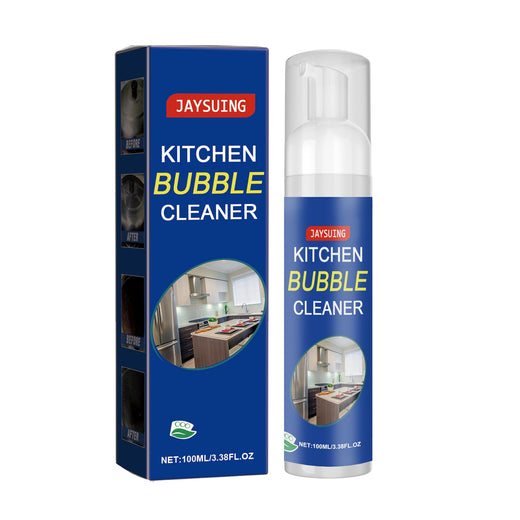
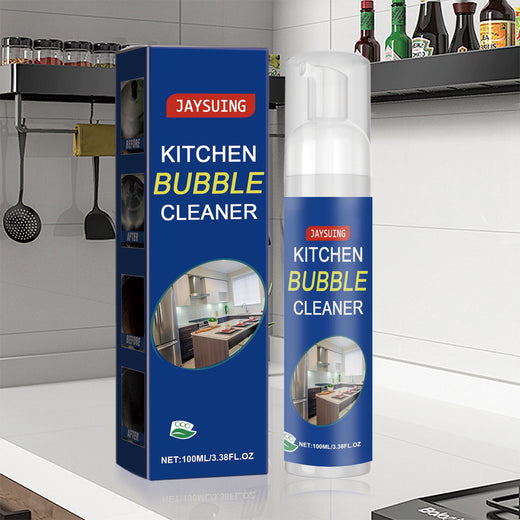
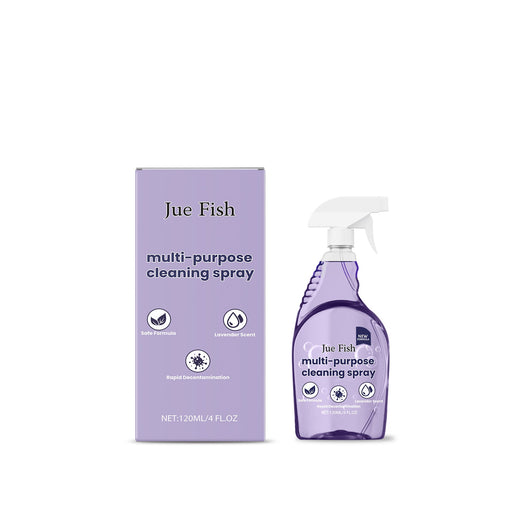
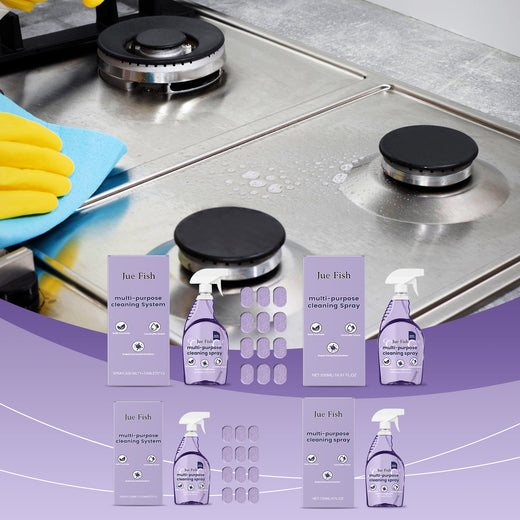
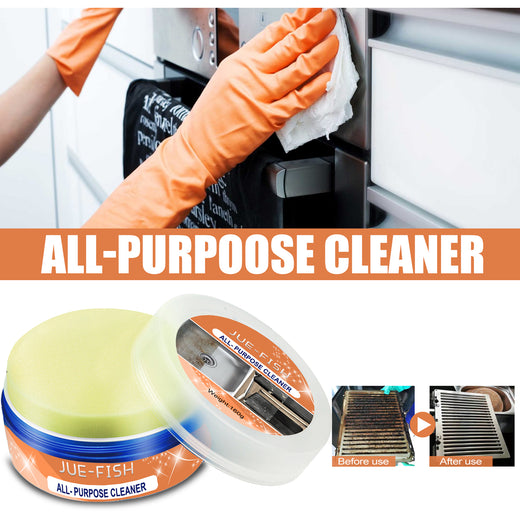
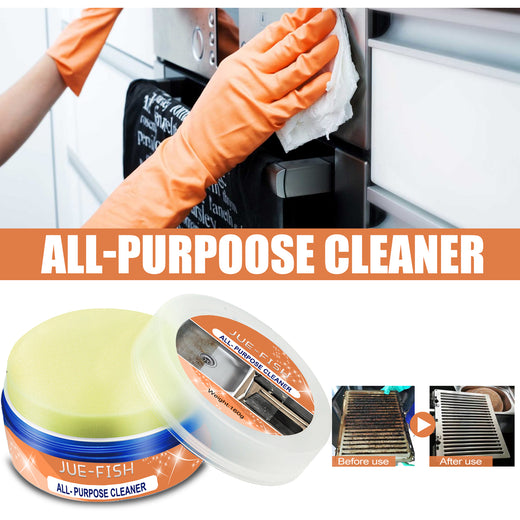
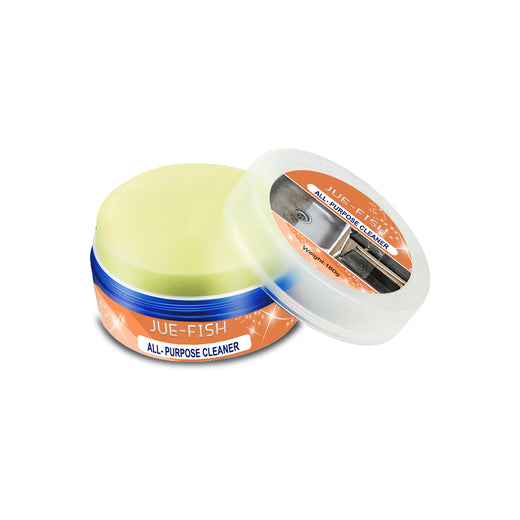
Foam, gel, cream, and spray degreasers each handle kitchen grease differently. Kitchen Heavy Oil Foam Cleaner and Kitchen Cleaning Foam are suitable choices when you need coverage across greasy surfaces and want a formula that stays in place briefly. Kitchen Grease Cleaner Gel is designed for targeted treatment of baked-on grime, helping you apply the cleaner exactly where it is needed. Kitchen Cleaning Cream provides a thicker texture for grease, rust, and burnt grime. The Multi-Purpose Cleaning Spray is a practical option for routine kitchen grease and stain cleanup. These are examples of degreasers for cleaning, not interchangeable engine degreasers; use automotive products only as directed for engines and compatible parts.
What should you look for in a kitchen degreaser?
Look for a formula that matches the mess, the surface, and the way you prefer to work. A spray is quick for spot cleaning, while foam can cover larger areas without running as quickly. A gel offers more controlled placement on baked-on grease, and a cream can help with thicker, stuck-on residue. Review the label for recommended surfaces, dilution or application instructions, ventilation guidance, and whether rinsing is required. It is also useful to consider the cleaning tools you already have: a cloth may suit light residue, while a non-scratch pad can help with tougher buildup when the directions allow it. Choosing by task is more reliable than searching for one “most effective” degreaser for every surface.
How do you use degreasers safely and effectively?
Remove loose crumbs and excess food residue first, then apply the degreaser according to its directions. Work in a small area so you can see how the formula behaves, and allow the recommended contact time rather than letting the product dry on the surface. Wipe away loosened grease with a suitable cloth or sponge, then rinse or wipe again if the instructions call for it. For baked-on buildup, repeat the process instead of using excessive force. Test an inconspicuous area before treating painted, delicate, porous, or unfamiliar materials. Wear any protective equipment specified on the label, keep the room ventilated, and never mix degreasers with other cleaners.
What should you not use degreaser on?
Do not assume a kitchen degreaser is safe for every material. Avoid using it on surfaces excluded by the product label, which may include delicate finishes, unsealed stone, porous materials, painted surfaces, or coatings that can react to strong cleaners. Do not apply it to food, cookware, or food-contact surfaces unless the directions specifically permit that use and explain how to rinse afterward. Keep kitchen formulas away from skin and eyes, and do not use them as engine degreasers or on automotive parts unless the product is expressly intended for that purpose. When unsure, test a hidden area first and stop if the finish changes, dulls, softens, or becomes discolored.
Who are kitchen degreasers suited for?
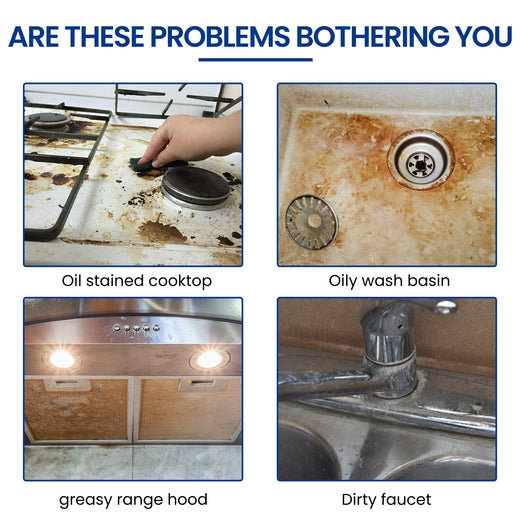
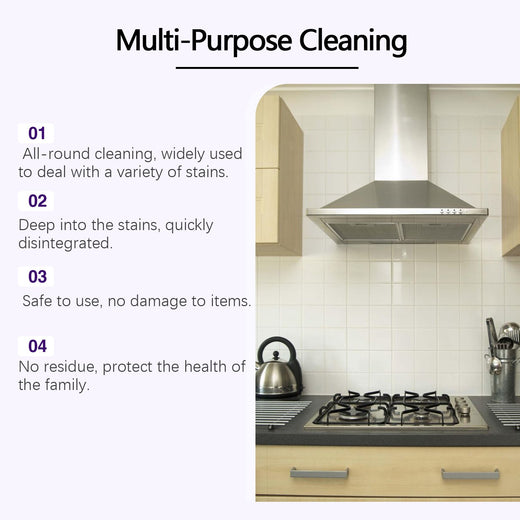
Kitchen degreasers suit shoppers dealing with cooking oil, stovetop splashes, hood and backsplash residue, cabinet grime, appliance buildup, and burnt-on kitchen messes. They are especially useful when ordinary wiping leaves a sticky film behind. Choose the Multi-Purpose Cleaning Spray for frequent spot cleaning, a foam for larger or vertical areas, a gel for concentrated baked-on deposits, or a cream for heavier grease and burnt grime. A kitchen cleaning degreaser is not automatically the right choice for workshop, garage, or engine cleaning. If your main task is automotive maintenance, look for a product specifically labeled for that application and follow its separate surface and safety instructions.
Frequently asked questions
What is the most effective degreaser?
The most effective degreaser depends on the grease, surface, and amount of buildup. For this category, a gel or cream is a practical choice for baked-on grime, while foam and spray formats are convenient for broader or routine kitchen cleaning.
What is the best type of degreaser?
There is no single best type for every job. Sprays are convenient for quick applications, foams provide broad coverage, gels target concentrated buildup, and creams are suited to thicker grease and burnt grime when the surface instructions allow their use.
What are examples of a degreaser?
Examples include kitchen heavy-oil foam cleaners, grease-cleaning gels, kitchen cleaning creams, cleaning foams, and multi-purpose cleaning sprays for grease and stains. Dish soap can also loosen everyday grease, but dedicated degreasers are designed for heavier kitchen buildup.
What is degreaser used for?
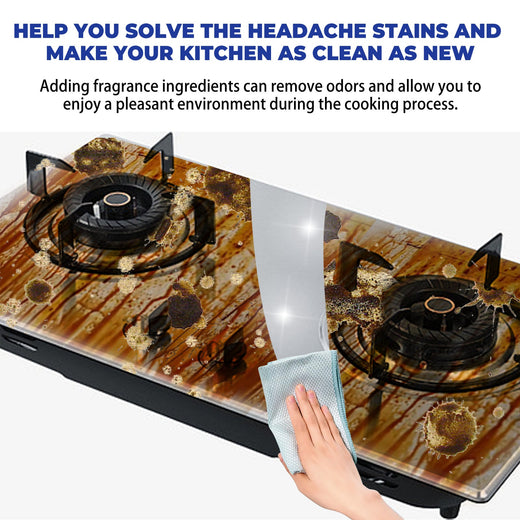
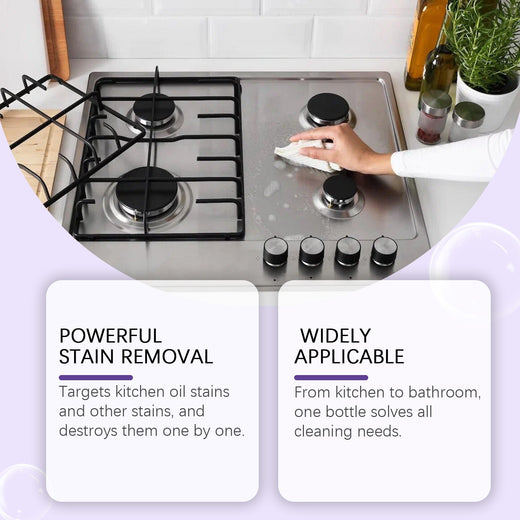
Degreaser is used to loosen and remove cooking oil, sticky residue, baked-on grease, and related grime from compatible surfaces. Kitchen formulas can help clean areas such as appliance exteriors, backsplashes, stovetops, and other label-approved surfaces.
What should you not use degreaser on?
Do not use a degreaser on surfaces excluded by its label, such as certain delicate, porous, painted, or coated materials. Avoid food and food-contact surfaces unless the directions specifically allow them and explain the required rinsing process, and do not use a kitchen formula as an engine degreaser.
Is Dawn dish soap just a degreaser?
Dish soap can help lift and remove everyday grease, so it performs some degreasing tasks. A dedicated kitchen degreaser is typically chosen for heavier buildup and may come as a foam, gel, cream, or spray with directions tailored to that type of cleaning.