Kitchen Degreasers | Powerful Grease Remover for Cookers & Hobs
7 products
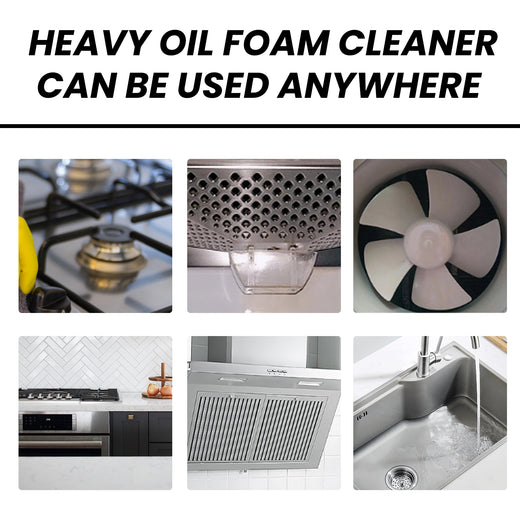
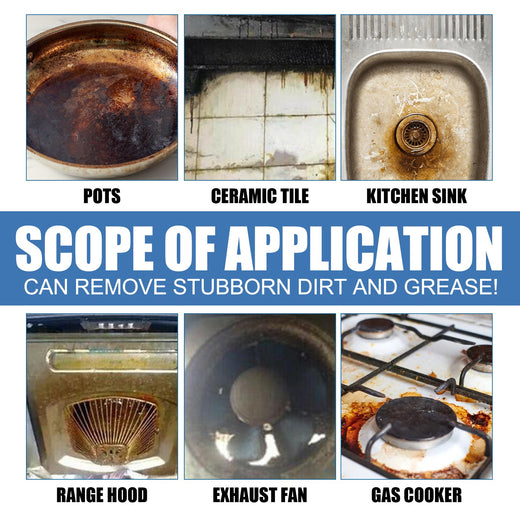
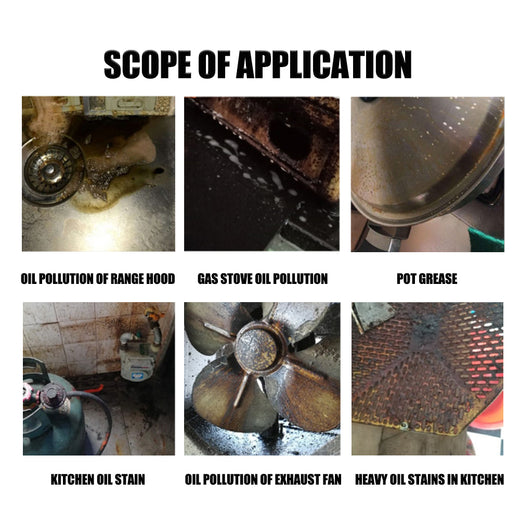
Kitchen degreasers help loosen cooking oil, sticky residue and baked-on grime from cookers, hobs, splashbacks, extractor areas and other washable kitchen surfaces. Choose from ready-to-use sprays, foaming cleaners, gel, cream and concentrate formulas according to the grease, surface and amount of scrubbing required.
How to choose a kitchen degreaser
Start by identifying the mess and the surface. For everyday splashes on cookers, hobs and splashbacks, a ready-to-use foam or spray is convenient for spray-and-wipe cleaning. Heavy, sticky or baked-on grease may need a kitchen grease cleaner gel, cream cleaner or a heavy-duty kitchen grease remover that can stay on the residue for longer. If you clean frequently or cover a larger area, a concentrate can be a practical option when diluted exactly as directed. Check the product instructions before use, especially on painted cabinets, natural stone, aluminium, delicate coatings and food-contact areas. A strong formula is not automatically the best degreaser for every kitchen; surface compatibility and the amount of dwell time often matter just as much.
Which types of kitchen degreasers work best?
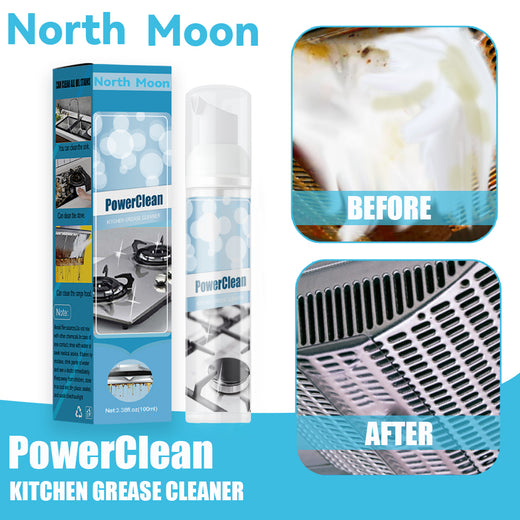
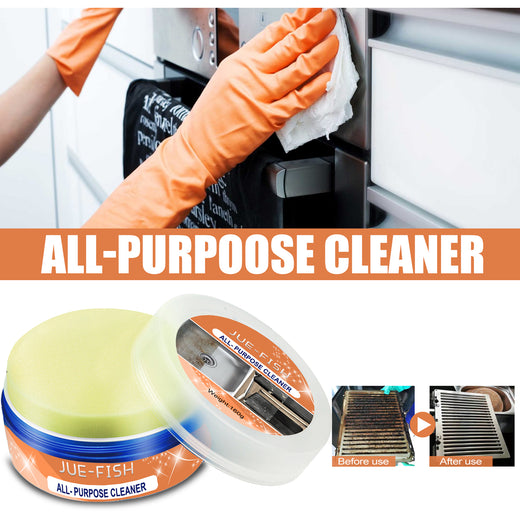
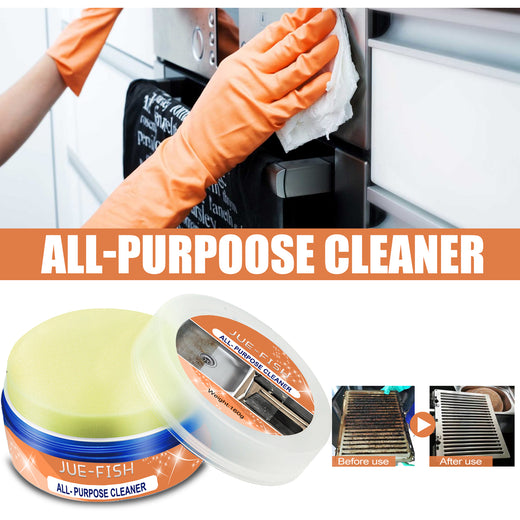
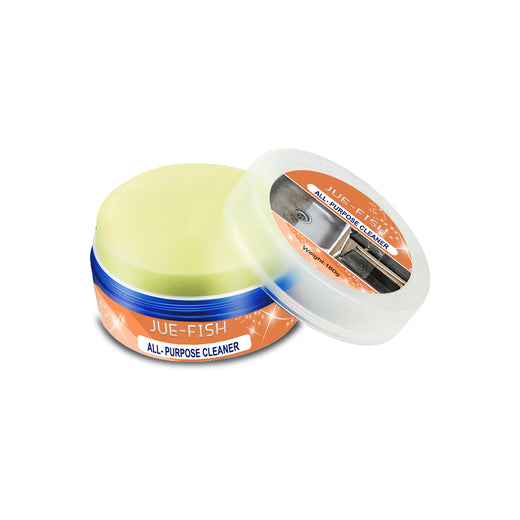
Foam sprays are useful for vertical surfaces because the foam helps cover grease without immediately running away. Spray-and-wipe formulas suit quick cleaning of cooker surrounds, appliance exteriors and splashbacks. Gel cleaners are designed for targeted application on stubborn, baked-on patches, while kitchen cleaning cream can provide controlled cleaning for greasy marks mixed with burnt residue or surface grime. Concentrates are useful when you want to prepare a solution for repeated cleaning, but they require careful measuring and thorough rinsing. For a commercial-style cleaning routine at home or in a food-preparation area, choose a formula suited to the surface and workload rather than simply looking for the strongest degreaser kitchen shoppers can find.
What to look for in a heavy-duty kitchen grease remover
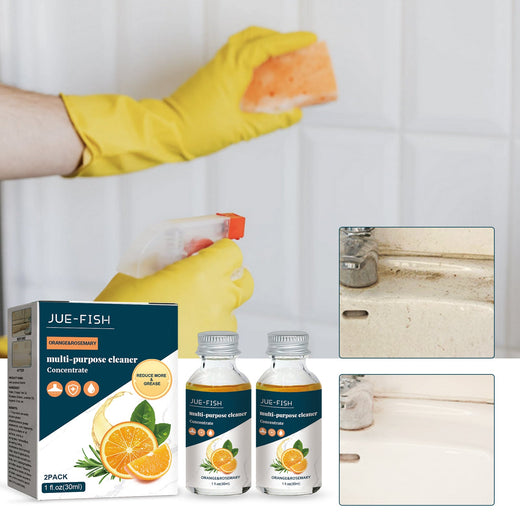
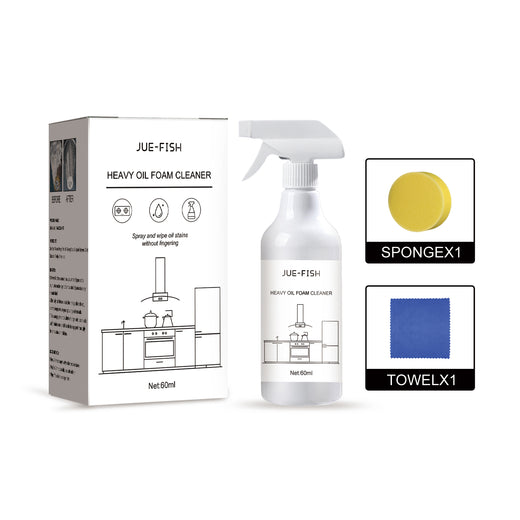
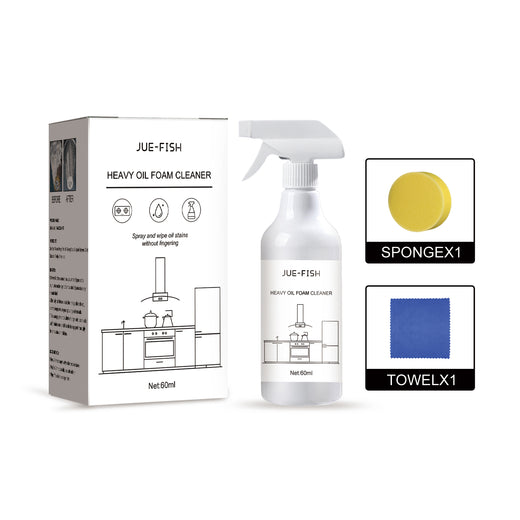
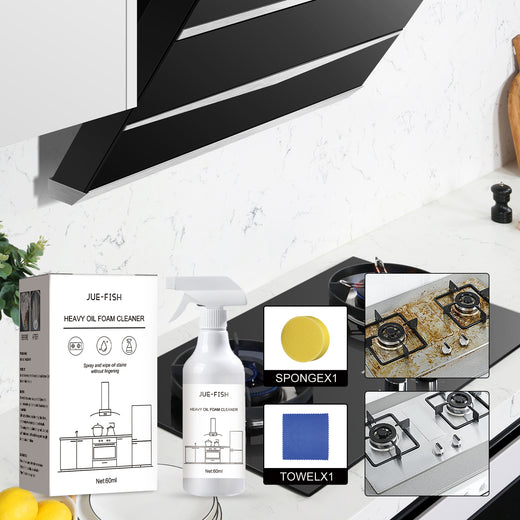
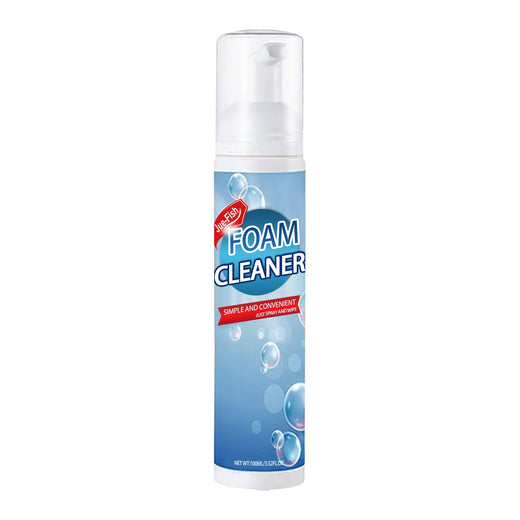
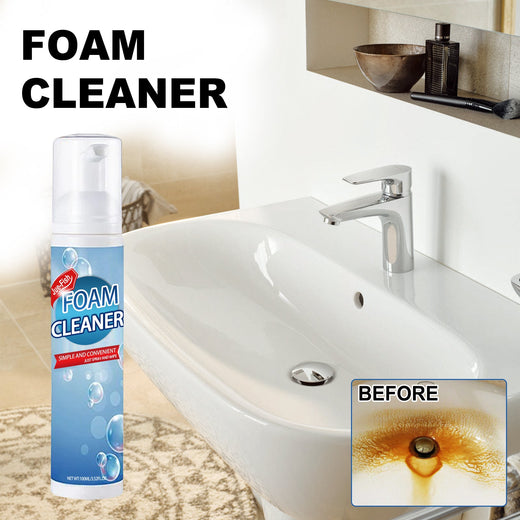
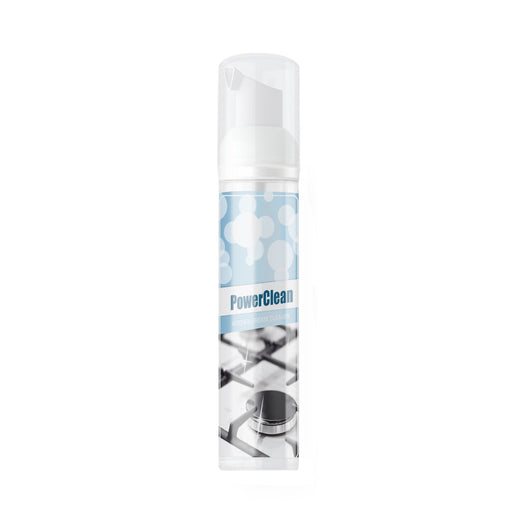
Look for a product that clearly explains the surfaces it can clean, how long it should remain on the grease and whether rinsing is required. A foaming heavy oil cleaner can help lift cooking film from hobs, cooker doors and splashbacks, while a gel may be easier to control on small areas of heavy buildup. If you are comparing options such as orange-powered concentrate, cream cleaner or no-scrub foam, consider whether you need broad coverage, targeted cleaning or minimal agitation. A useful kitchen degreaser should have clear application directions and warnings, a container that is easy to handle and a format that matches your routine. For cabinets, prioritise compatibility with the finish and test an inconspicuous area first.
How to use a kitchen degreaser safely and effectively
Remove loose crumbs and wipe away excess oil before applying the cleaner. Spray or spread the product over a small section, allow the recommended contact time, then wipe with a suitable cloth or sponge. Use a non-abrasive tool for stubborn residue and repeat rather than using excessive force. Rinse or wipe with clean water whenever the instructions require it, particularly on food-preparation surfaces, and dry to reduce streaks. Always test first on painted cabinets, laminate, coated appliances, aluminium, natural stone and other less obvious materials. Keep the product away from food, use ventilation and never mix a kitchen degreaser with bleach, acids or other cleaning products. Follow the label for dilution, protective equipment and storage.
What mistakes should you avoid when removing kitchen grease?
Do not assume that leaving a degreaser on longer will improve results; excessive contact time can affect some finishes. Avoid applying a strong cleaner to hot surfaces, and let cookers, hobs and appliance panels cool before cleaning. Do not use abrasive pads on glossy cabinets, non-stick surfaces or polished finishes unless the instructions specifically allow it. Spraying directly around switches, vents, seals and electrical controls can force liquid into areas that should stay dry, so apply the product to a cloth when appropriate. Another common mistake is skipping the final wipe, which can leave loosened grease or cleaner residue behind. For icky, sticky cabinet gunk, work in small sections and test the finish before treating the whole door.
Who are kitchen degreasers best suited to?
Kitchen degreasers suit households that regularly cook with oil, fry food or need to clean grease from hobs, cookers, extractor surrounds and splashbacks. A ready-to-use foam or spray is a convenient choice for routine wipe-downs, while gel and cream formats are better suited to focused work on baked-on grime and burnt residue. Concentrate is useful for shoppers who want a flexible cleaner for repeated tasks, provided the dilution instructions are followed. These products can also suit busy kitchens that need a commercial-style grease-cleaning routine, but the chosen formula must be approved for the intended surface. If your main concern is cabinets, select a surface-compatible option and use gentle application rather than assuming heavy-duty strength is suitable.
Frequently asked questions
What is the best degreaser for kitchens?
The best choice depends on the surface and the type of grease. Ready-to-use foam or spray works well for routine cleaning, while gel, cream or concentrate formats may suit heavier buildup or larger cleaning tasks.
What is a good heavy-duty degreaser for the kitchen?
A heavy oil foam cleaner or targeted kitchen grease cleaner gel can be suitable for stubborn cooking residue on compatible washable surfaces. Check the directions, test first and allow the recommended contact time instead of relying on extra product.
What's the best degreaser to use on kitchen cabinets?
Choose a formula that specifically states it is suitable for the cabinet material and finish. Test an inconspicuous spot, apply a small amount to a cloth when appropriate and wipe away residue rather than soaking the doors.
What removes heavy kitchen grease?
Heavy grease is usually easier to remove after excess oil is wiped away and a suitable foam, gel, cream or diluted concentrate is given the recommended contact time. Use a non-abrasive cloth or sponge and repeat the process if needed.
What is the best degreaser for heavy grease?
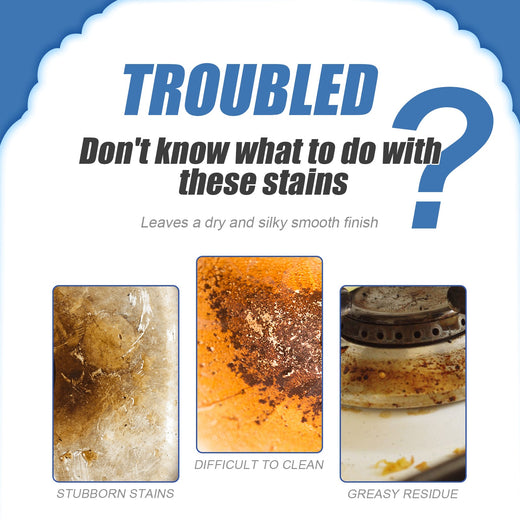
For baked-on or sticky buildup, compare heavy oil foam cleaners with a kitchen grease cleaner gel or cleaning cream. The right option should match the surface, provide clear instructions and allow controlled application to the affected area.
How do you remove icky sticky greasy gunk from kitchen cabinets?
Test a compatible degreaser on a hidden area first, then work in small sections with a cloth or soft sponge. Let the product work for the stated time, gently wipe the residue away and finish with a clean, lightly damp cloth if the instructions call for rinsing.