Best Craft Tweezers: Stainless Steel & Lighted Precision Tools
8 items



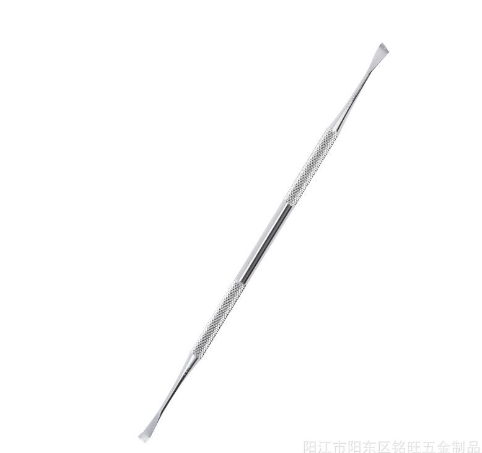

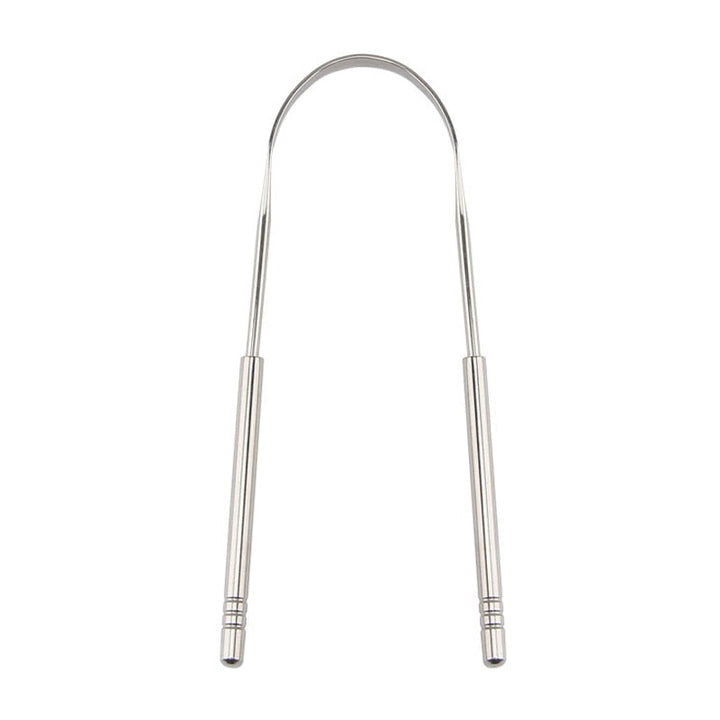
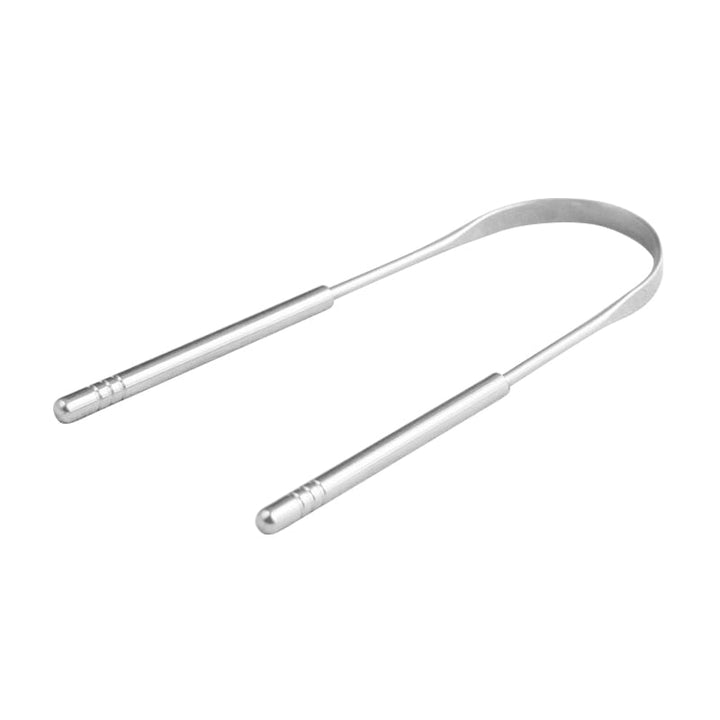
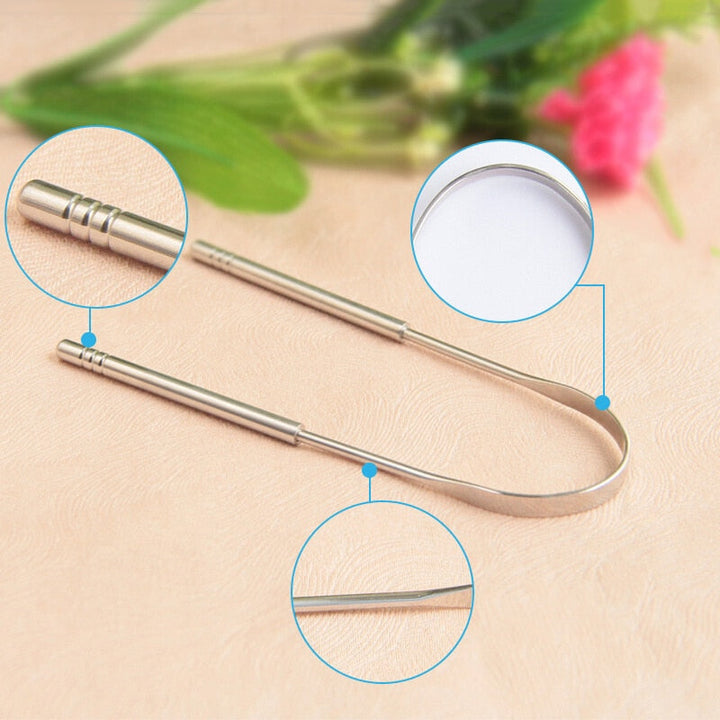

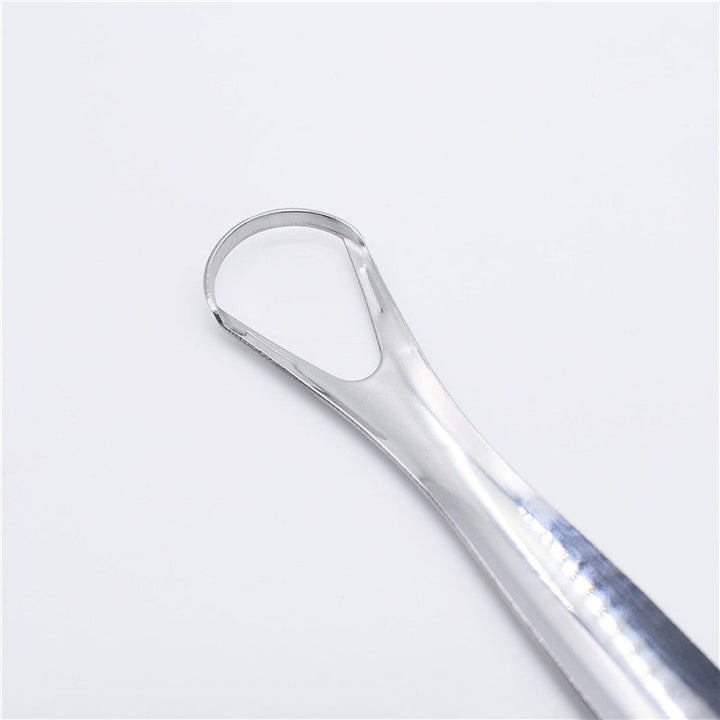
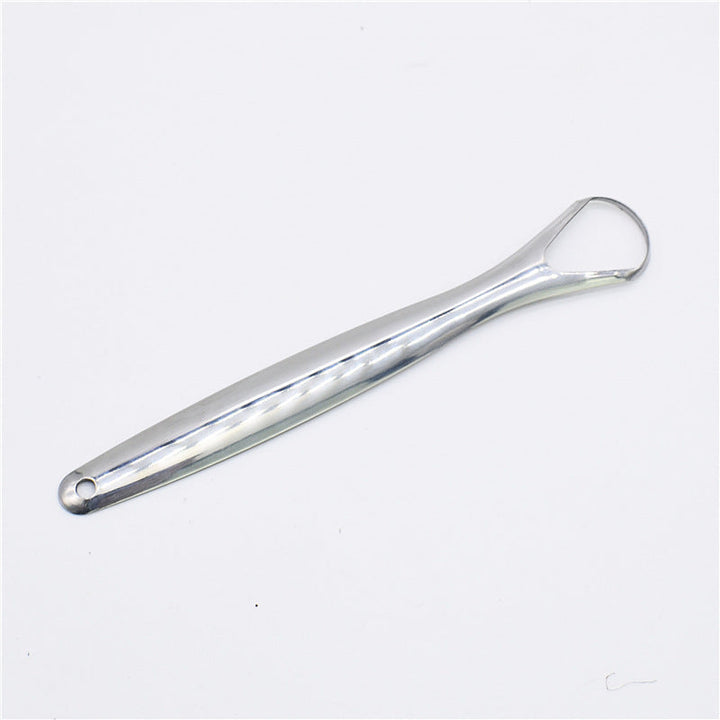
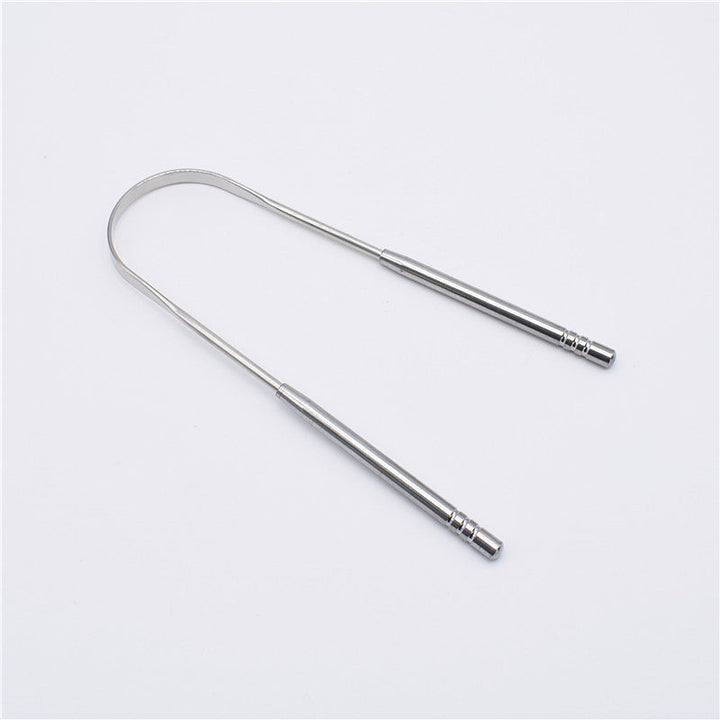

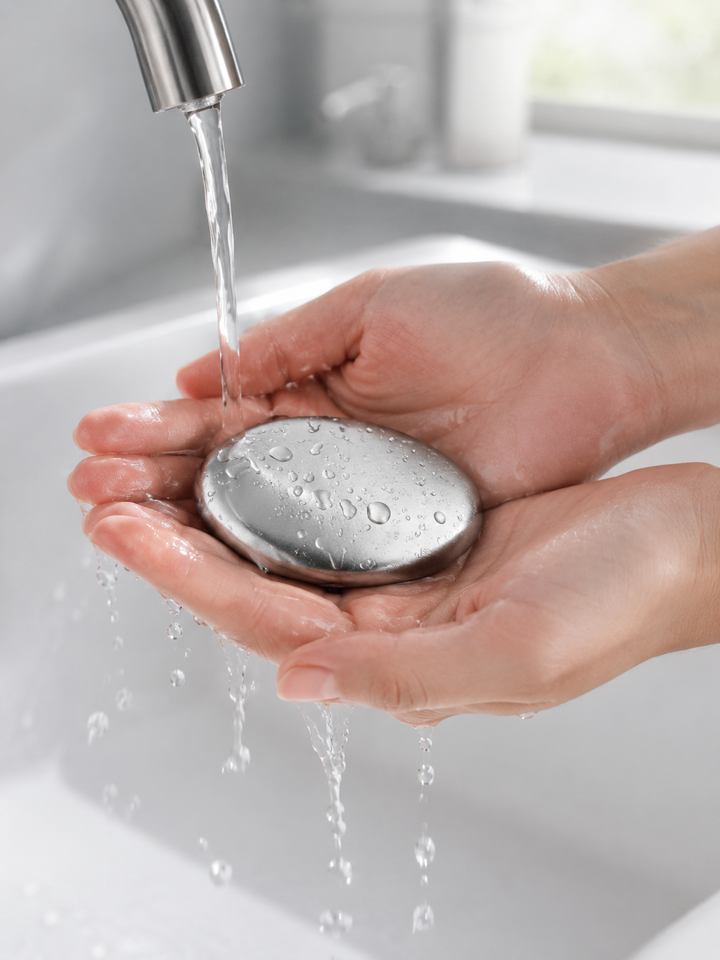


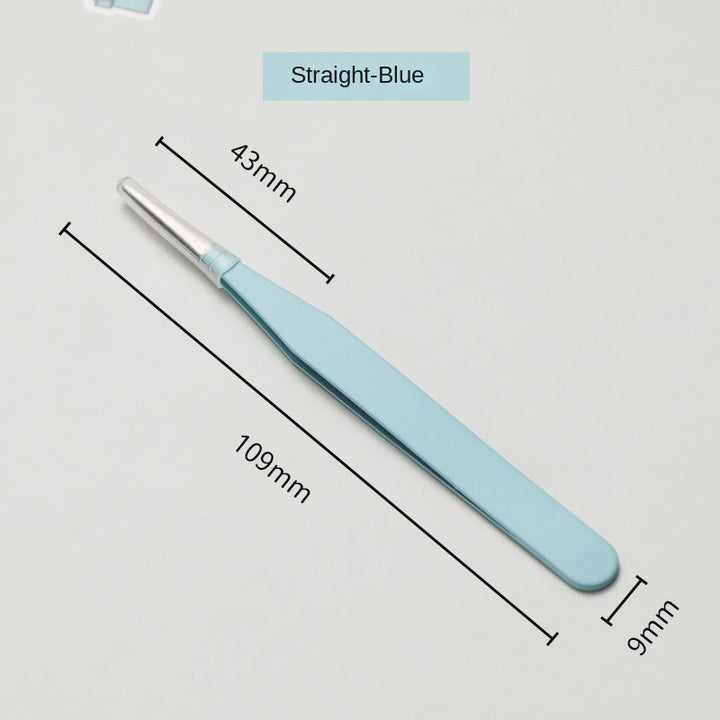
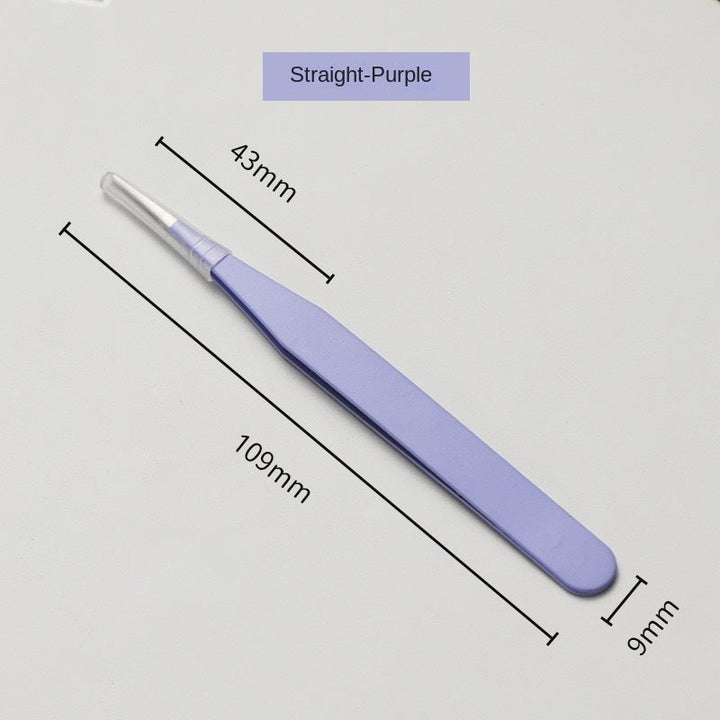
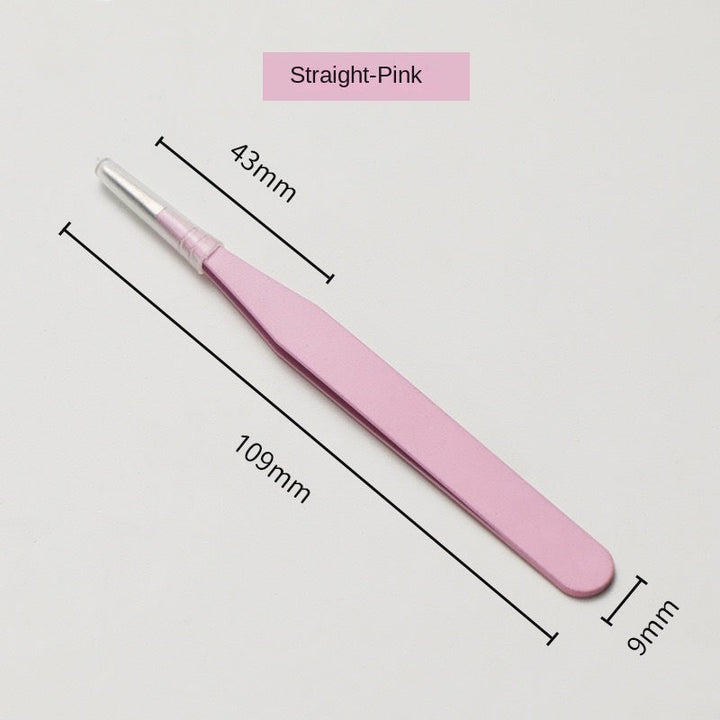
Craft tweezers help you place, lift, and adjust small materials without covering them with your fingers. This category includes pastel precision tweezers for sticker work, while the other listed tools are specialty stainless steel items rather than general-purpose craft tweezers.
How to choose craft tweezers for your project
Start with the material you handle most often. For stickers, paper layers, rhinestones, beads, and small embellishments, choose precision tweezers with narrow tips and a controlled grip. A straight tip is useful for lifting and positioning flat pieces, while an angled tip can improve visibility around corners. Look for a smooth closing action so the tips meet evenly without forcing them together. Stainless steel is a practical material for craft tweezers because it is durable and easy to wipe clean. The pastel macaron craft tweezers in this category are designed for smudge-free sticker placement and other detailed hobby tasks. If you are comparing precision tweezers at Michaels, Hobby Lobby, Amazon, Walmart, or a nearby shop, compare tip alignment and intended use rather than color alone.
What are the different types of precision tweezers?
Craft tweezers generally vary by tip shape, grip style, and added features. Fine pointed tips suit tiny pieces and detailed placement, but they require careful handling. Flat or rounded tips are better for lifting stickers and handling materials that could be marked by a sharp point. Angled tips can make it easier to see the work surface, especially when placing decals or paper details. Some precision tweezers have textured handles for control, while lighted tweezers may help illuminate a small work area when that feature is included. The craft tweezers listed here focus on sticker-friendly, smudge-free handling. The category also contains dental, ear-care, cigar, kitchen, and tongue-cleaning tools; those are not substitutes for craft tweezers and should be selected only for their stated purpose.
What to look for in stainless steel craft tweezers
Check four details before buying: tip alignment, surface finish, spring tension, and cleaning needs. The tips should meet cleanly without a visible gap when gently closed. A smooth stainless steel surface helps reduce residue buildup and makes the tool simple to wipe after handling adhesive materials. Moderate tension is preferable for repeated placement because the tweezers should open again without excessive pressure. Consider the size of the pieces you work with as well: very fine tips offer control, while broader tips can provide a steadier hold on larger stickers. A lighted design can be useful for shadowed workspaces, but it is not a replacement for accurate tip alignment. For everyday paper crafts, the pastel craft tweezers offer a practical balance of visibility and detail handling.
How to use craft tweezers without damaging stickers
Work on a clean, dry surface and hold the tweezer near the front of the handle for better control. Lift a sticker from an edge or backing sheet rather than pressing directly into its printed face. Position the piece above the project, check its alignment, and lower one edge first before smoothing it down. Use light pressure; squeezing harder does not improve accuracy and can crease thin paper or leave marks. Wipe adhesive residue from the tips with a suitable dry or slightly damp cloth, following the tool’s care instructions, and dry the metal afterward. Do not use craft tweezers for hot materials, sharp fragments, or tasks assigned to the category’s specialty tools. Store them closed or protected so the tips remain aligned.
Common craft tweezer mistakes to avoid
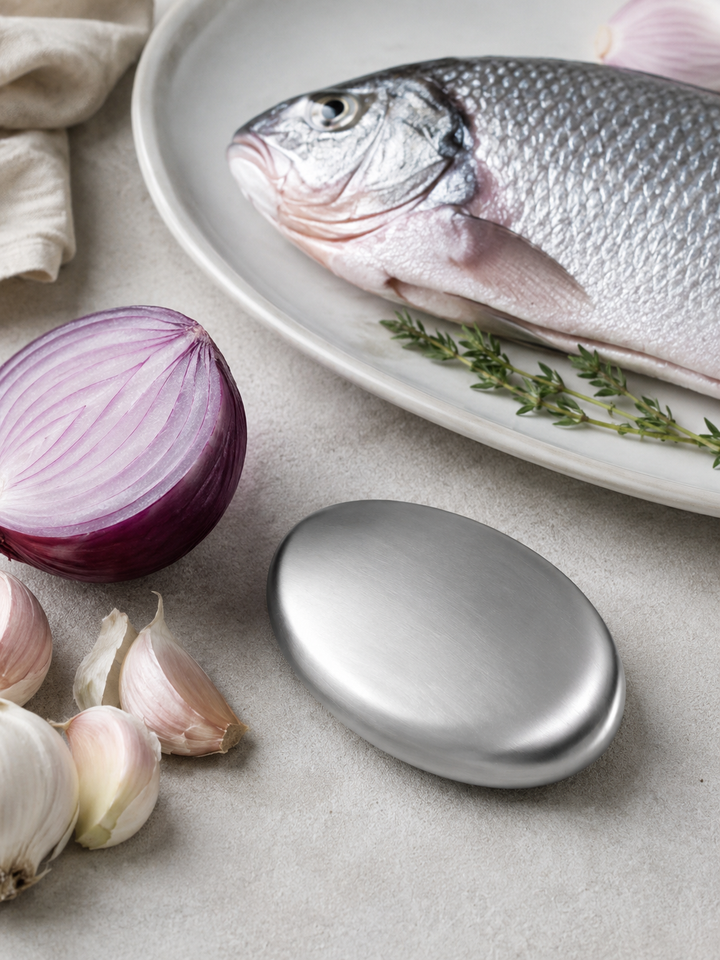
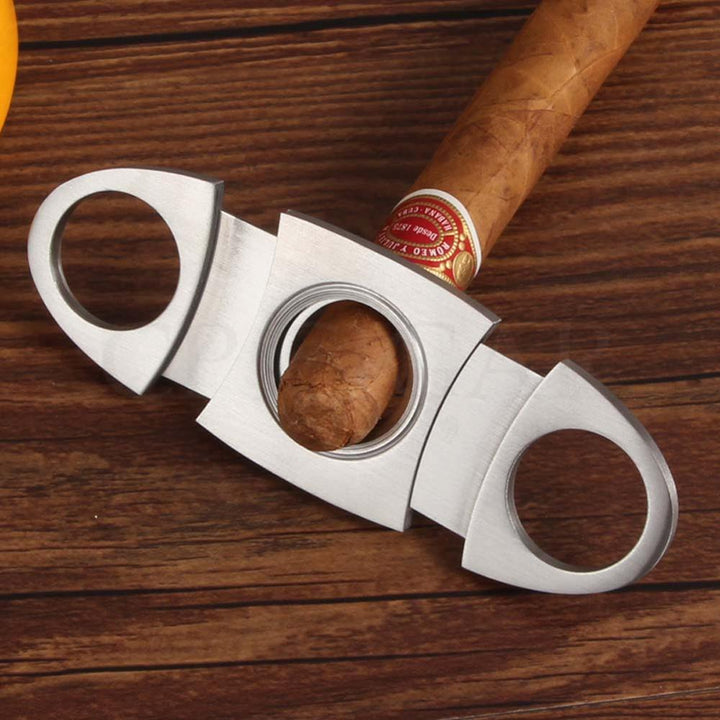
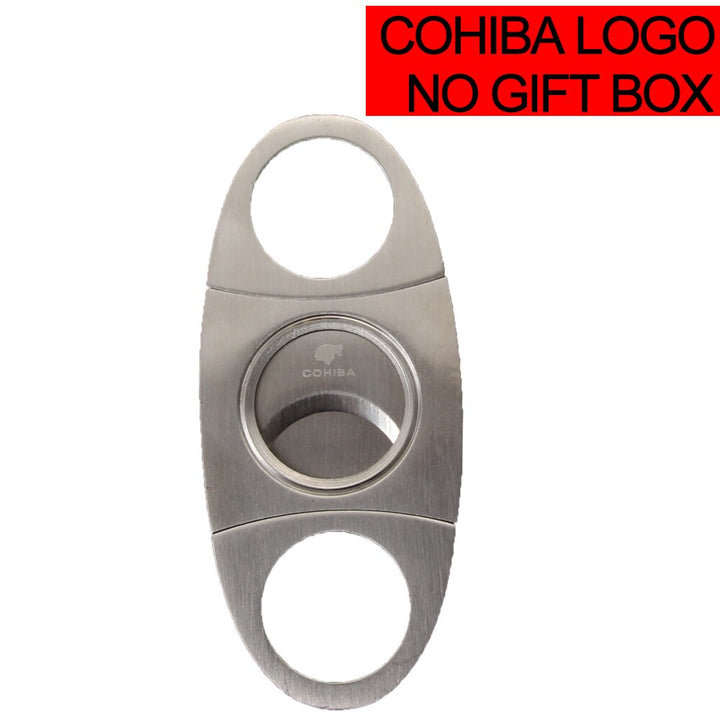
One common mistake is choosing a tweezer designed for a different job. Dental scrapers, ear-wax tools, cigar cutters, tongue scrapers, and odor-remover bars in this category are not interchangeable with craft tweezers. Another mistake is using blunt, misaligned tips for tiny embellishments; they may slide under a sticker or force you to touch the adhesive. Avoid gripping decorations so tightly that they bend, and do not drag a sticker across the project after placement. Keep dust and glue off the tips, since residue can transfer to paper or reduce control. It is also unhelpful to compare craft tweezers only by where they are sold, such as “craft tweezers near me” or “craft tweezers Amazon.” Tip design, finish, and intended use matter more.
Who are craft tweezers best suited for?
Craft tweezers suit scrapbookers, card makers, model builders, nail-art hobbyists, journal decorators, and anyone placing small stickers or embellishments. They are especially useful when fingers are too large to position a piece accurately or when touching the adhesive would affect the finish. Beginners may prefer a general precision tweezer with an easy-to-see color and a comfortable squeeze, while experienced makers may choose different tip shapes for different materials. The pastel macaron craft tweezers are a straightforward option for sticker-focused projects and compact craft kits. If you need tools for cleaning, grooming, dental scraping, cigar cutting, or kitchen odor removal, choose the relevant specialty product instead. Craft tweezers are a helpful addition to a hobby workspace, but they are not a replacement for project-specific tools.
Frequently asked questions
What are the best tweezers for crafting?
The best craft tweezers have accurately aligned tips, comfortable tension, and a finish that is easy to clean. Narrow or angled tips work well for small stickers and embellishments, while flat tips can be gentler for lifting paper pieces. For sticker projects, the pastel macaron craft tweezers in this category are a practical choice.
What are craft tweezers used for?
Craft tweezers are used to lift, hold, position, and adjust small materials such as stickers, paper pieces, beads, decals, and embellishments. They help keep fingers away from adhesive surfaces and improve control over detailed placement. Use them only for suitable craft materials and follow the care guidance for the tool.
What is the best tweezer on the market?
There is no single best tweezer for every project. For crafting, prioritize the tip shape, alignment, grip tension, and material that match your work. Stainless steel precision tweezers are a versatile choice for many hobby tasks, while specialized tools should be used for their specific purposes.
How can I make my own tweezers?
You can create a basic temporary gripping tool by folding a thin, clean piece of stiff material so the two sides meet at one end. However, homemade versions may have rough edges, uneven tips, or unreliable tension, which can damage small craft pieces. Purpose-made craft tweezers are generally easier to control and safer for detailed placement.
What can be used as makeshift tweezers?
For a short-term task, clean needle-nose pliers, the folded edge of stiff paper, or a small strip of smooth plastic may help hold a larger piece. Avoid using sharp, rusty, splintered, or contaminated objects, and do not use makeshift tools near eyes, skin, heat, or electrical parts. Replace the substitute with proper craft tweezers when accuracy matters.
What is the best material for tweezers?
Stainless steel is a practical choice for craft tweezers because it is durable, has a smooth surface, and can be wiped clean after use. The finish and tip alignment still matter: a well-made tool with uneven tips will be frustrating regardless of material. For sticker and paper crafts, stainless steel precision tweezers are a sensible everyday option.