Corn Removal & Callus Treatment for Feet and Toes
5 items


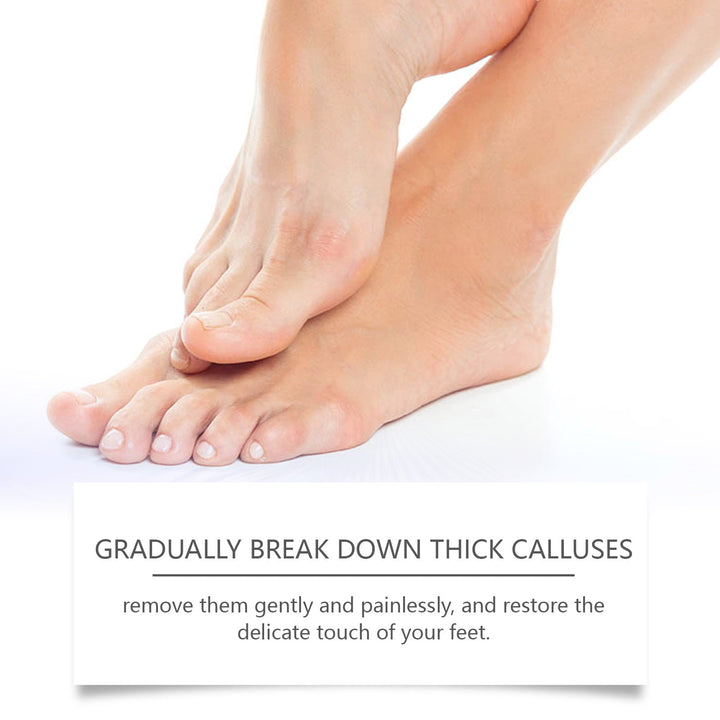


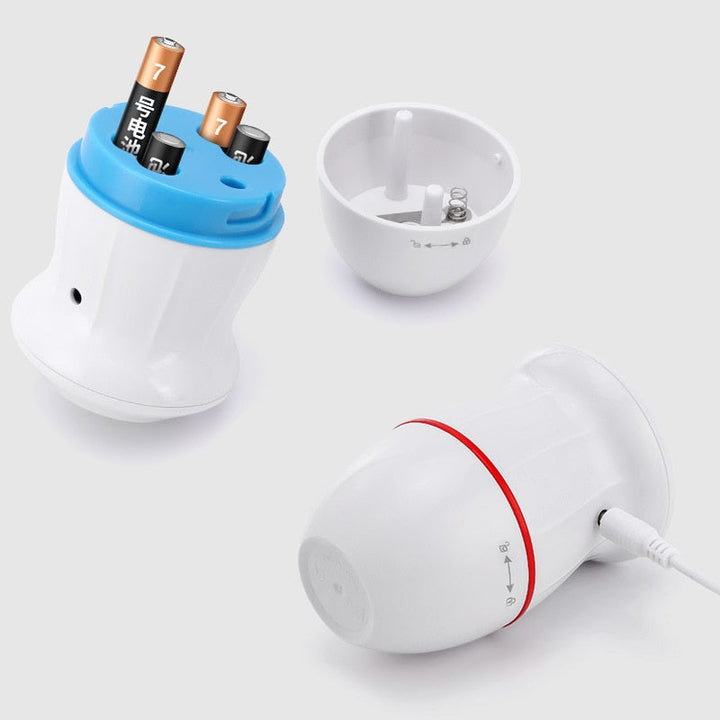
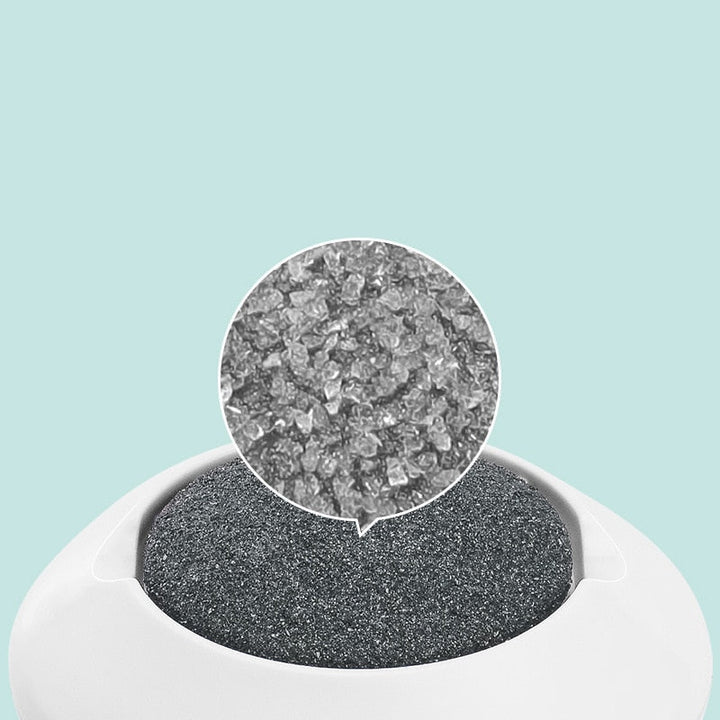

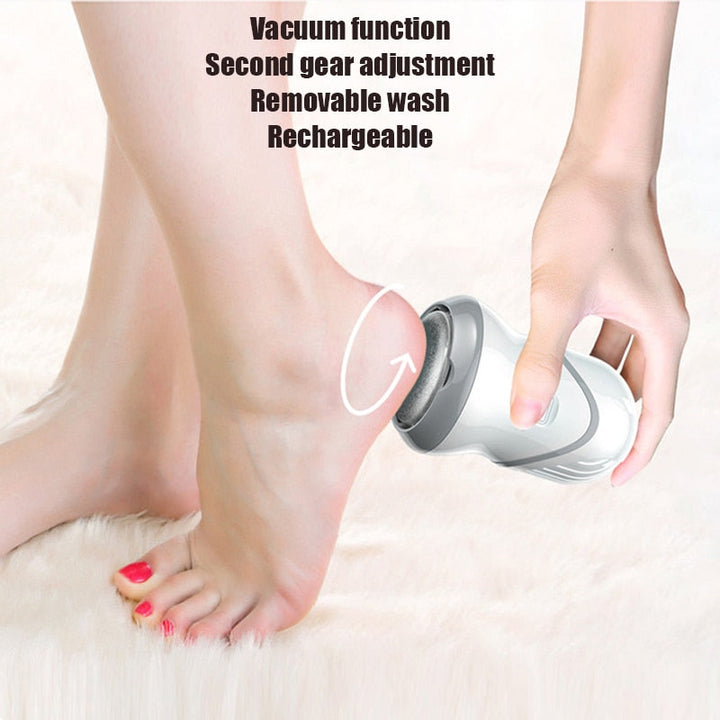



Find practical corn removal and callus treatment options for feet and toes, from creams and liquid treatments to medicated pads and electric foot grinders. Choose based on whether you need targeted corn care, broader callus smoothing, or a gentler routine for maintaining soft, crack-free heels.
How to choose corn removal for your feet
Start by identifying whether you are treating one small, defined corn or larger areas of thick, rough skin. A corn removal cream, botanical liquid, or medicated pad is designed for targeted application, while an electric foot grinder is better suited to smoothing calluses across the heel or sole. For a corn between the toes, check the product directions carefully and avoid applying anything to surrounding skin unless instructed. If you have persistent pain, bleeding, broken skin, spreading redness, or an uncertain diagnosis, ask a healthcare professional before using a home product. Shoppers looking for foot corn removal at home should also compare application time, replacement parts, rechargeable batteries, and whether the product is intended for toes, heels, or both.
Which types of corn and callus removers work best
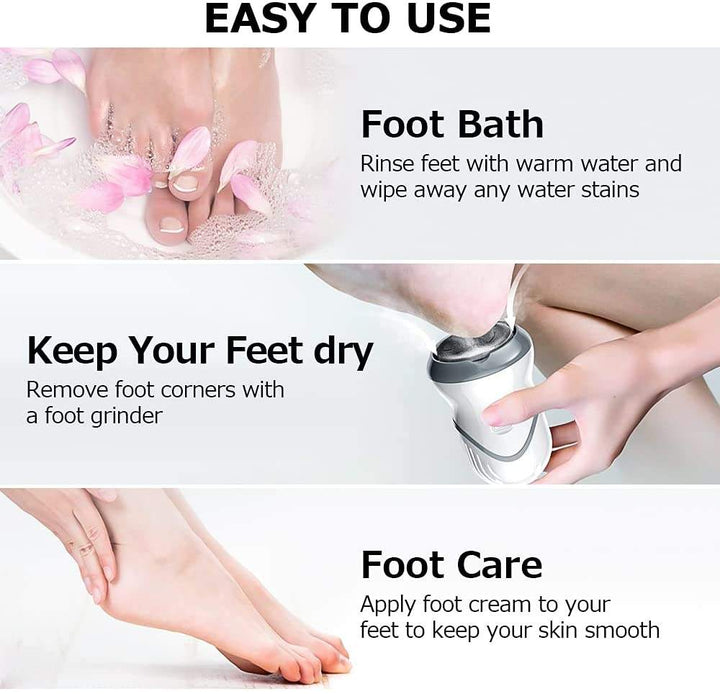
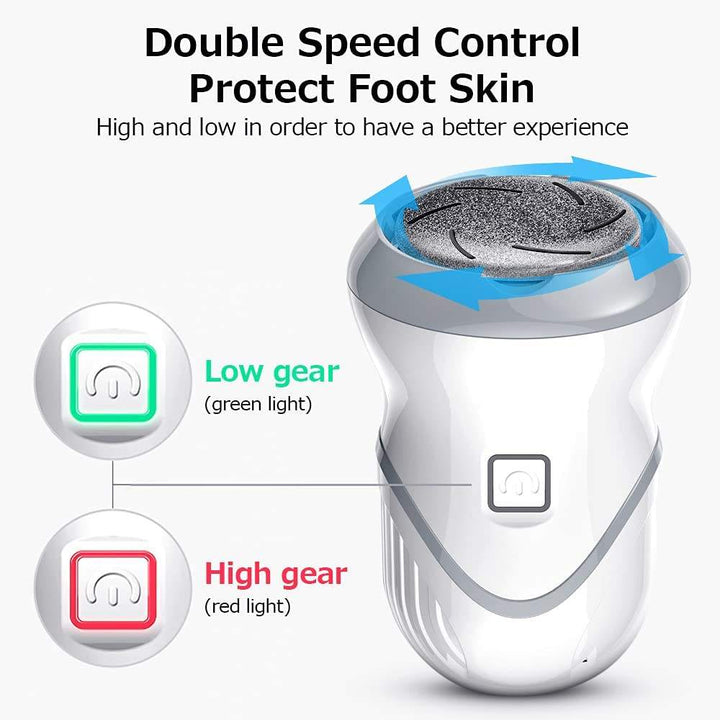
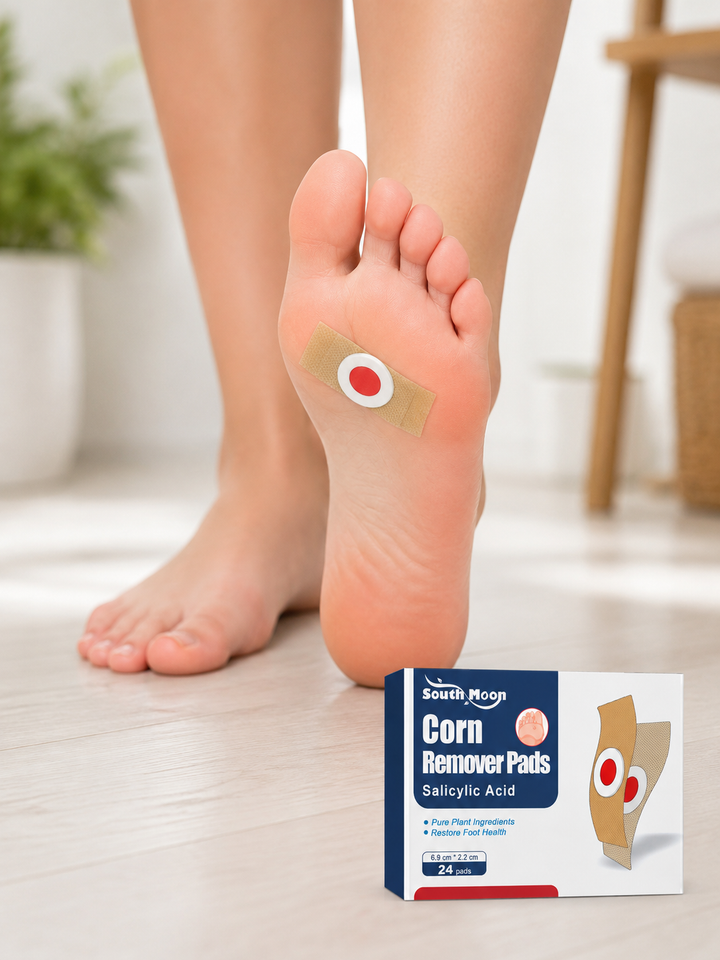
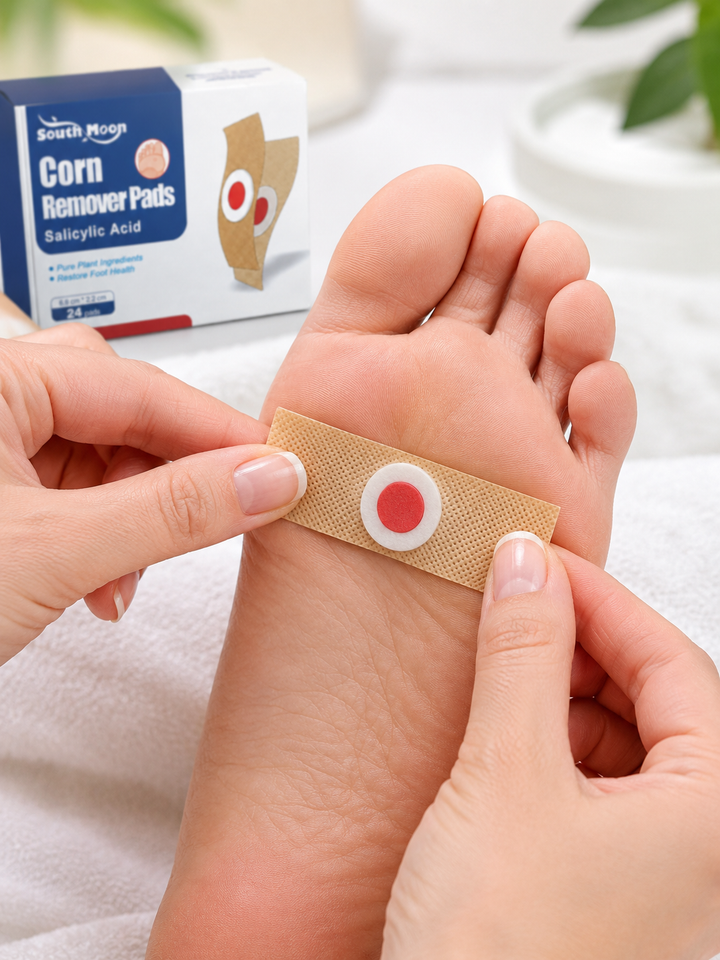
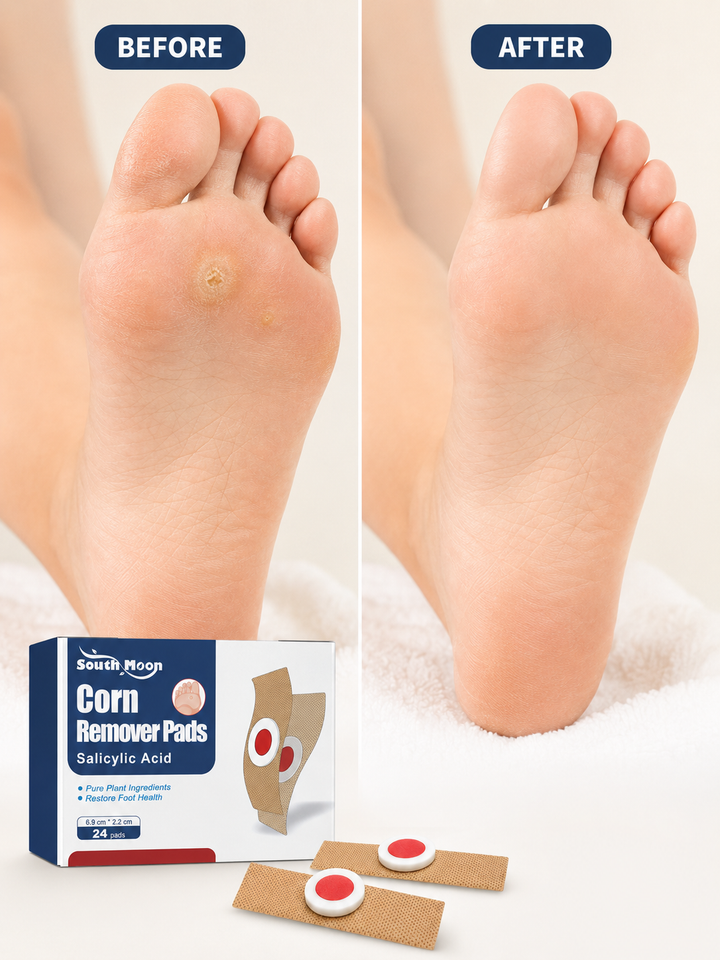
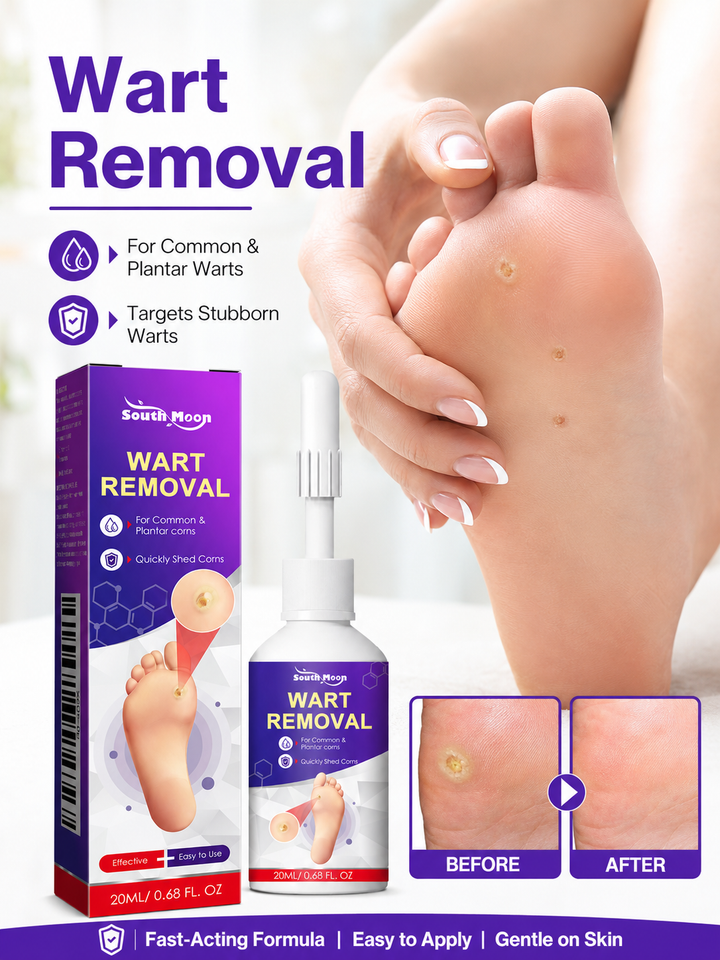
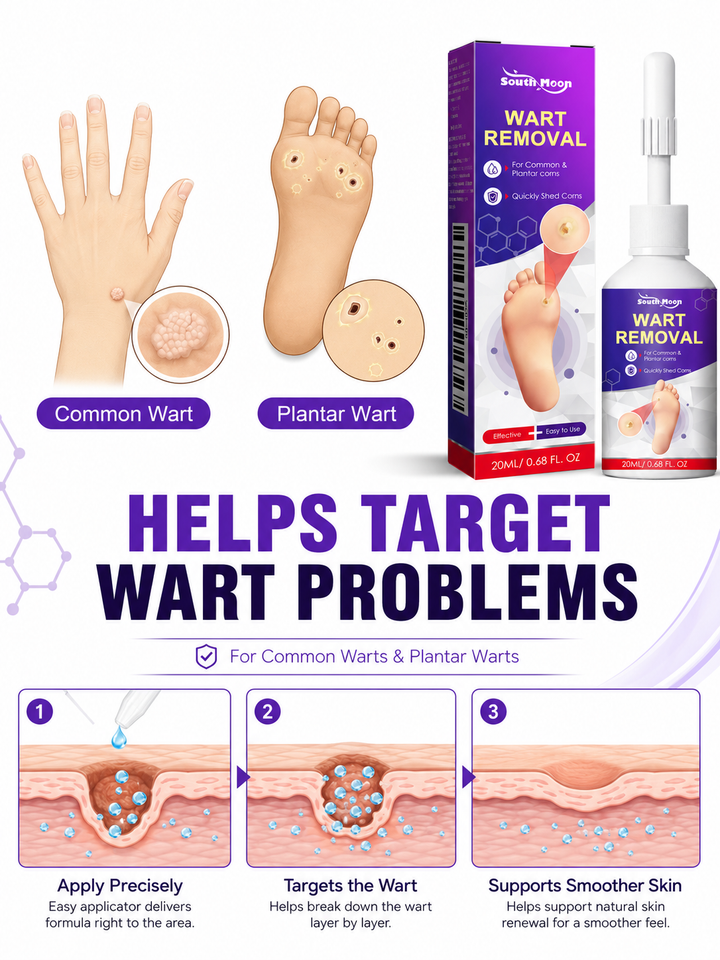
Corn removal products work in different ways, so the best option depends on the area and your routine. Cream is useful for regularly moisturizing and softening dry, thick skin, including rough heels. A botanical corn and wart removal liquid offers a more localized format, but it must be applied only as directed. South Moon Corn & Wart Remover Pads provide pre-cut medicated pads for targeted use and can be convenient when you want a measured application. Electric foot grinders use a rotating surface to smooth callused skin; vacuum models collect some filing debris as you work. None should be used to aggressively dig out a corn or to treat open, irritated, or infected-looking skin.
What to look for in a corn removal cream or device
For a corn removal cream, look for clear directions, a precise applicator, and guidance on how often to use it. A foot cream intended for calluses may focus more on softening and moisturizing than on targeted corn treatment, making it suitable for heels and general dryness. For an electric foot grinder, compare the handle grip, roller or grinding head, speed settings, charging method, cleaning instructions, and whether replacement heads are available. A vacuum callus remover may help keep loose filings contained. For pads or liquid, check the intended skin area, application steps, and warnings about contact with healthy surrounding skin. Product details matter more than promises of overnight corn removal, since thick skin may need a gradual routine.
How to use corn removal products at home
Read the full label before starting and use the product only on clean, dry, intact skin when the instructions allow it. Apply cream, liquid, or a medicated pad to the corn rather than spreading treatment over nearby healthy skin. Do not combine several targeted treatments on the same area unless a professional advises you to do so. For an electric grinder, use light pressure on dry skin, move continuously, and stop if the area becomes tender or irritated. Clean and dry the device or roller after use according to its instructions. Moisturizing a rough heel afterward may support a more comfortable routine, but petroleum jelly alone does not remove a hardened corn. Avoid trying to achieve deep corn removal at home in one session.
What mistakes should you avoid when removing a corn
Do not pull a corn out with tweezers, cut it with a blade, or dig into the foot with sharp tools. These approaches can injure surrounding skin and make it harder to tell whether the spot is a corn, callus, wart, or another issue. Avoid using a grinder over broken skin, applying liquid beyond the target area, or wearing a medicated pad longer than directed. Tight or rubbing footwear can also encourage the thickened area to return, so choose shoes with enough room for the toes and consider soft, comfortable socks. If home care causes increasing pain, irritation, drainage, or no improvement, stop and seek professional advice. For corn removal surgery or its cost, contact a qualified local foot-care provider rather than relying on product listings.
Who is home corn removal suitable for
Home products may suit adults with a small, clearly identified corn or ordinary heel callus who can follow directions and monitor their skin. Cream is a practical choice for ongoing dryness, while an electric foot grinder suits shoppers who want to maintain broader areas of rough skin. Pads and liquid are more focused options for a specific spot. Home treatment is not the right starting point when the diagnosis is uncertain, the skin is open or inflamed, the area is severely painful, or you have a condition that affects foot sensation, circulation, or healing. In those situations, ask a healthcare professional for guidance. If you are searching for corn removal near me, a podiatry or foot-care clinic can assess the cause and discuss professional options.
Frequently asked questions
What is the fastest way to get rid of a corn?
There is no guaranteed overnight solution. A targeted pad, liquid, or cream may help soften or reduce a corn when used exactly as directed, while removing the source of rubbing can help prevent it from returning. Do not cut, pull, or aggressively grind the area.
How can I draw a corn out of my foot?
A corn is hardened, thickened skin rather than something that can be drawn out like a splinter. Use a suitable product according to its label, keep pressure and friction away from the area, and seek professional advice if the spot is painful, persistent, or uncertain.
Is corn removal surgery painful?
The experience varies by the procedure and the individual. A qualified healthcare professional can explain the expected numbing, discomfort, recovery, and aftercare for your situation. Product pages cannot determine whether surgery is appropriate or estimate your personal surgery cost.
Can you pull a corn out of your foot with tweezers?
No. A corn is not a loose object that can safely be pulled out with tweezers, and attempting this may tear or damage the surrounding skin. Use a product as directed or ask a professional to assess and remove the thickened area safely.
Can I dig a corn out myself?
You should not dig into a corn with a needle, blade, tweezers, or other sharp tool. Home options such as a targeted pad, liquid, cream, or gentle grinder use are safer only when the skin is intact and the label instructions are followed.
How does Vaseline get rid of a corn?
Vaseline can help moisturize and reduce dryness, but it does not remove a hardened corn by itself. It may be useful as part of a general foot-care routine when appropriate, while targeted corn products address the specific area according to their directions.