
$64.90
Free delivery · 7–14 days
Radiator Stop Leak Powder for Cooling System Repairs

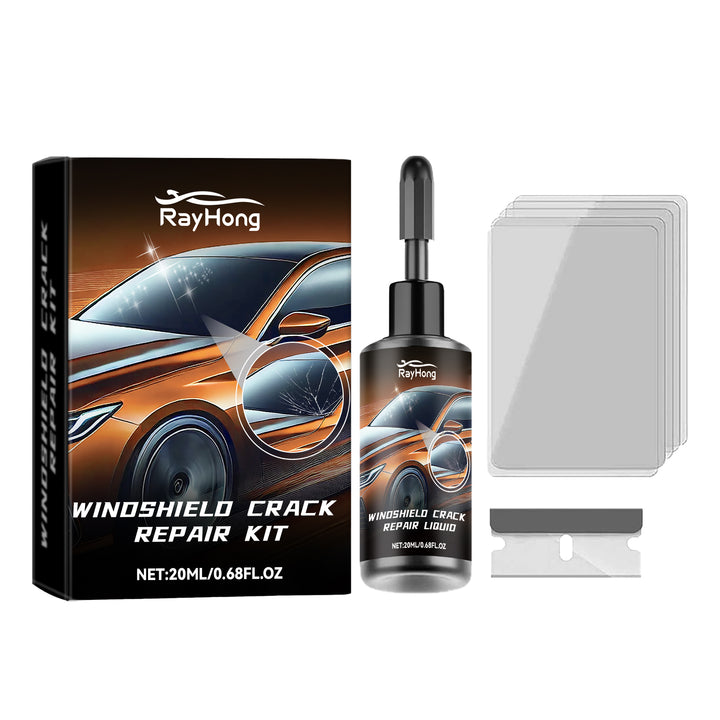


Find practical options for minor vehicle leaks, cooling-system concerns, windshield damage, and small paint marks before arranging professional car repair. This guide explains which product fits the problem, what to check first, and when a car repair shop or mobile car repair service is the safer choice.
Start by identifying the damaged part rather than choosing a product based only on the word repair. Radiator Stop Leak Powder is intended for certain small cooling-system leaks, while windshield crack repair kits and adhesive are designed for limited glass damage. Car Scratch Repair Cream is for minor surface paint marks, not deep scratches, rust, dents, or damaged panels. Check the product instructions against your vehicle and inspect the area before use. A coolant leak can also come from a hose, clamp, water pump, radiator, or another component, so a stop-leak product may not solve the cause. If the temperature gauge rises, coolant is escaping quickly, or steam appears, stop driving and contact a car repair shop near me or a mobile car repair service.
Cooling-system and cosmetic repair products solve different problems. Radiator Stop Leak Powder is the category's option for a suspected small radiator or cooling-system leak, subject to the vehicle maker's guidance. Windshield Crack Repair Kit and Windshield Repair Kit are similar choices for small cracks or chips, so compare their instructions, applicator design, and stated damage limits. Windshield Crack Repair Adhesive is a more focused option for a DIY glass fix where adhesive application is appropriate. Car Scratch Repair Cream is used on minor paint marks and surface imperfections. None of these products replaces a new hose, radiator, windshield, or body panel when the damage is extensive. For a full inspection, compare a dealership with an independent mechanic and ask what repair is actually required.
For a cooling-system product, confirm that the instructions cover your vehicle type and the suspected leak location. Read whether the engine must be cool, whether the cooling system needs preparation, and how the product is added. Radiator Stop Leak Powder may be unsuitable when a coolant hose is split, a clamp is loose, or the leak is large; those problems generally need a replacement part or mechanical repair. Look for clear directions, application limits, storage information, and warnings about hot coolant. Gather the vehicle year, make, model, engine, coolant type, and symptoms before contacting auto repair near me. If you are comparing car repair cost, request an itemized estimate that separates diagnosis, parts, labor, fluids, and any follow-up inspection.
Work on a cool, parked vehicle in a well-ventilated area and follow the included instructions exactly. Never open a hot radiator or coolant reservoir, and keep coolant away from children, pets, and drains; collect and dispose of it according to local rules. For windshield products, clean and dry the glass, protect the surrounding area, and use the kit only within its stated crack or chip size and location limits. For scratch cream, wash and dry the panel first, then test a small hidden area before treating the visible mark. Let each product cure or settle for the instructed time. If the result is incomplete, the leak continues, visibility is affected, or the damage exceeds the instructions, arrange professional car repair rather than repeating applications.
A frequent mistake is treating symptoms without finding the source. Adding radiator stop leak when a coolant hose is torn, driving with an overheating engine, or opening a pressurized system can turn a small issue into a larger repair. With windshield kits, users may attempt repairs on long cracks, edge damage, or damage in the driver's main viewing area, where professional assessment is more suitable. Applying scratch cream to deep paint damage can also produce little improvement. Do not mix products or skip vehicle-specific directions to save time. Take photos, note warning lights and fluid loss, and compare estimates before authorizing work. Searching for car repair near me open now may help after hours, but confirm the shop handles cooling-system or glass repairs before traveling.
These products suit vehicle owners handling limited, clearly identified cosmetic damage or a possible small cooling-system leak who can follow directions and inspect the result. They can be useful for a minor windshield mark, a small paint scuff, or troubleshooting before scheduling service, but they are not a substitute for every car repair. Drivers without tools, safe workspace, or confidence should use a mechanic or mobile car repair provider instead. Professional help is especially appropriate for overheating, rapid coolant loss, damaged hoses, poor visibility through the windshield, or uncertain leak sources. If you are in Houston, search for car repair Houston and compare reviews, hours, inspection policies, and written estimates. A full service car maintenance shop may also check related components while diagnosing the original concern.
Costs around $1,000 can result from major component replacement, extensive cooling-system work, suspension or brake repairs, electrical diagnosis, or collision-related damage. The exact amount depends on the vehicle, parts, labor, and underlying cause, so request a written, itemized estimate before approving work.
First, ask a reputable shop to identify the safety-critical problem and provide a written estimate. You can compare independent mechanics, dealerships, and mobile car repair services, ask whether a staged repair is possible, and use a suitable DIY product only for minor damage covered by its instructions. Do not drive an overheating or visibly unsafe vehicle just to delay the repair.
The most difficult repairs often involve engine or transmission removal, complex electrical faults, advanced driver-assistance systems, or extensive cooling-system diagnosis. Difficulty varies by vehicle and requires specialized tools and information. A small leak-seal product or glass kit is not appropriate for these jobs.
Compare Houston shops by relevant experience, current reviews, opening hours, warranty terms, and whether they provide a written diagnosis and estimate. Ask specifically whether they handle radiator leaks, coolant hoses, windshield damage, or the repair you need. Confirm availability before visiting, especially when searching for car repair near me open now.
An independent mechanic may offer lower labor rates, while a dealership may have vehicle-specific diagnostic equipment and factory-trained technicians. Prices vary by repair, location, vehicle age, and parts used. Get comparable written estimates that list labor, parts, fluids, taxes, and any warranty.
Choose a shop that clearly explains the diagnosis, provides an itemized estimate, communicates timing, and has experience with your vehicle and repair type. Check reviews for patterns rather than relying on one comment, ask about parts and warranty coverage, and confirm whether the shop is open when you need it. For a leak, ask what caused it and whether related hoses, clamps, and cooling-system components were inspected.