
$35.90
Free delivery · 7–14 days
3-in-1 Makeup Blush Compact for Cheeks, Eyes & Contour


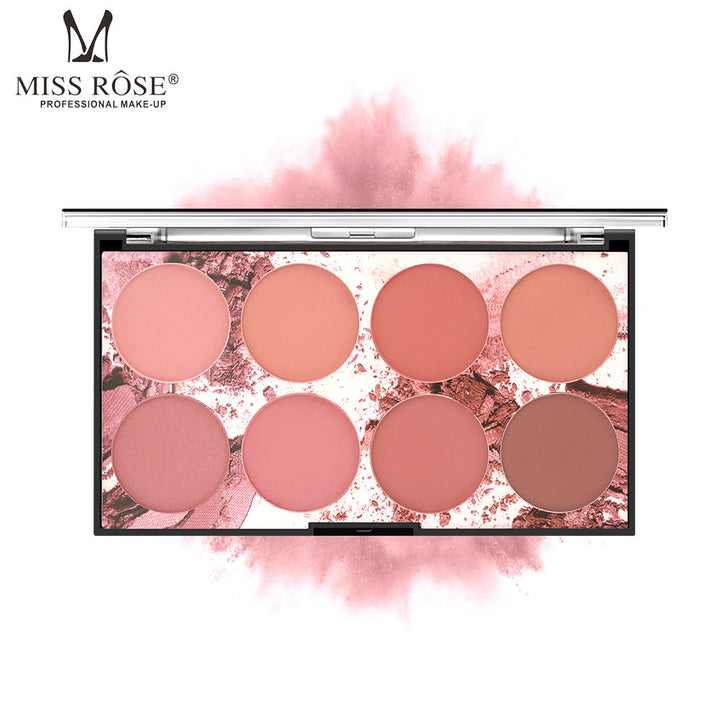


Find a blush for a soft, natural flush in liquid, cream, baked, or pressed powder formulas. This guide compares finish, shade, format, and multi-use palettes so you can choose a blush that fits your routine and the look you want.
Start with the finish and application style you prefer. Liquid blush is easy to sheer out or build for more color, while pressed and baked blush powder offers familiar, controlled application with a brush. A cream or compact formula can be useful if you like blending with fingers or want blush, contour, eye, and highlight shades together. For a subtle everyday look, choose a shade close to your natural flush or a muted pink, peach, rose, or berry. If you want more flexibility, choose a palette with several blush colors. Also consider whether you prefer matte cheeks, a luminous glow, or a two-tone compact that combines color and highlight.
Liquid blush gives a fresh-looking wash of color and is well suited to a buildable blush look. Apply a small amount first, then add more if needed. Pressed blush powder is straightforward to layer and works well with a cheek brush, while a baked blush palette can provide several shades for mixing or changing your look. Monochrome and two-tone blush highlighter compacts combine cheek color with glow, making it easy to coordinate the finish. Multi-use palettes add contour, eyeshadow, or highlight shades for a compact routine. If you prefer a soft matte result, look for liquid matte blush or a powder palette without a highlighter shade.
Consider both the color family and the finish. Blush pink is a classic choice for a fresh, understated effect; peach can look warmer, rose adds depth, and berry shades create a stronger statement when applied lightly. The closest color to blush is usually a soft pink with subtle peach, mauve, or rose undertones, although the best match depends on your preferred look. Matte blush can give a clean, low-shine finish, while baked, luminous, and highlighter combinations add visible radiance. For everyday versatility, choose a palette with several shades or a buildable formula. Check product images in natural-looking lighting and compare swatches when available.
For liquid blush, place a small amount on the upper part of the cheek and blend toward the temples with fingertips, a sponge, or a small brush. Add thin layers rather than applying a large amount at once. For blush powder, pick up a little product with a clean cheek brush, tap off excess, and sweep over the apples or upper cheekbones. Blend the edges so there is no hard boundary. A highlighter blush compact can be used with the color first and the glow shade lightly over the high points. With a multi-use palette, use separate brushes for blush, contour, and highlight to keep each shade defined.
One common mistake is choosing a shade only because it looks strong in the pan. Test a small amount and build gradually, especially with liquid blush. Applying color too low on the cheek can make the look appear less lifted, while placing too much product near the nose can overpower the rest of the makeup. Avoid rubbing over a cream or liquid base repeatedly, since this can move the layers underneath. With powder blush, remove excess from the brush before application. If a luminous palette looks too shiny for your preference, use the matte shade alone or apply the highlighter portion sparingly.
Liquid blush suits shoppers who want adjustable color and a fresh, blended finish, including anyone searching for blush liquid options. Pressed powder is a practical choice for quick, precise application and easy shade changes, while baked blush palettes suit anyone who wants several coordinated colors in one compact. A matte liquid formula may appeal to shoppers who prefer a low-shine cheek look. Highlighter compacts are useful for a luminous blush-and-glow routine, and all-in-one palettes suit travelers or minimal makeup bags. If you are unsure which blush color to choose, a multi-shade palette offers more ways to test pink, peach, rose, and deeper tones.
Blush is makeup designed to add color to the cheeks, creating a flushed or more defined appearance. It comes in formats such as liquid, cream, baked, and pressed powder.
A blush look usually means makeup centered on softly colored cheeks, often with a fresh, natural-looking flush. The finish can be matte, radiant, or layered with highlighter depending on the products used.
In makeup, blush may also be called cheek color, rouge, or cheek tint. The exact term often indicates the formula, such as liquid cheek tint or powder rouge.
Blush is generally a soft pink, often with peach, rose, mauve, or berry undertones. The range includes pale, warm, muted, and deeper shades rather than one fixed color.
A soft pink is usually closest to traditional blush, especially when it has a subtle peach or rose undertone. For a more muted version, look for dusty rose or mauve shades.
The best blush color is the one that suits your preferred finish and overall makeup look. Soft pink and peach are versatile starting points, while rose and berry shades offer richer color when applied in light layers.