
$33.90
Free delivery · 7–14 days
Concealer Stick for Targeted Blemish & Dark-Circle Coverage


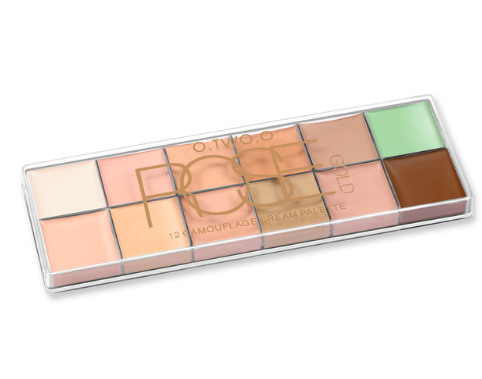


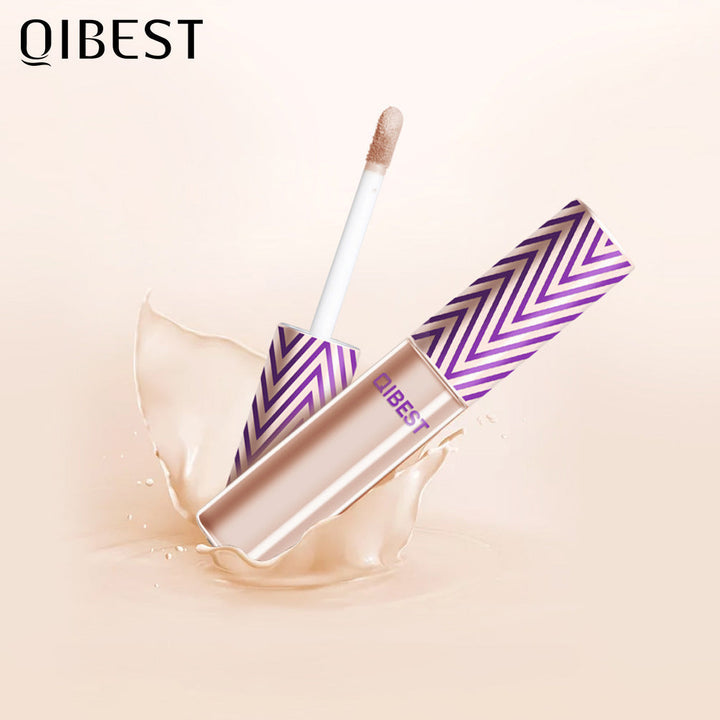


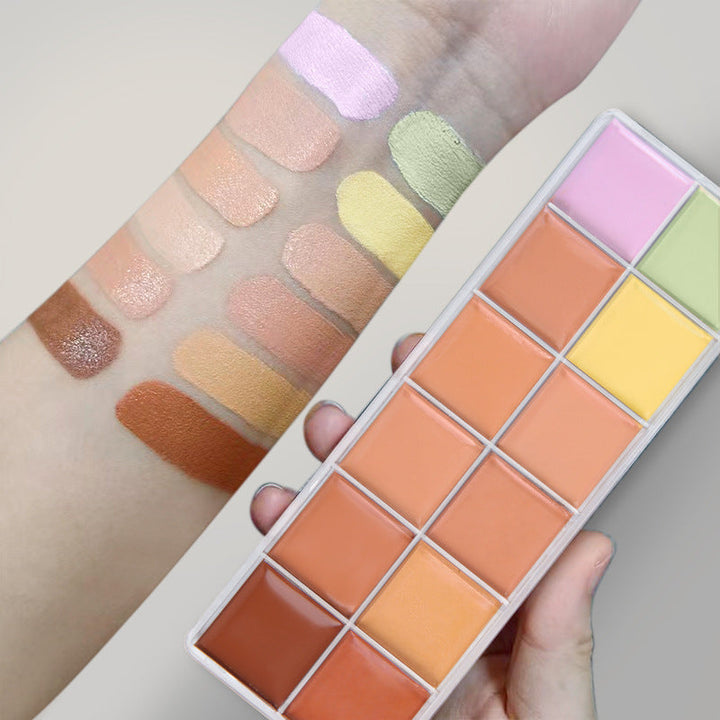


Find concealer for targeted blemish coverage, under-eye brightening, custom color correction, and everyday complexion makeup. This selection includes liquid, cream, stick, palette, and pencil formats so you can choose the texture and coverage that fit your routine.
Start by identifying what you want to cover. For under-eye areas, a liquid or creamy formula is usually easier to blend across delicate-looking skin. For individual blemishes or small areas, a concealer stick offers controlled application. Choose a shade close to your skin tone for spot coverage, or select a slightly brighter shade for under-eye highlighting. If discoloration has a noticeable color cast, a multi-shade palette can help you layer a correcting tone beneath a skin-matching concealer. Consider the finish as well: cream formulas can provide buildable coverage, while liquid concealers are convenient for quick blending. Shoppers comparing the best concealer options should also check the product format, shade range, coverage description, and whether the package suits daily or occasional use.
Liquid concealer is easy to spread and works well for under-eye and blemish coverage, especially when you want a lighter layer or buildable application. Cream concealer offers a richer texture and is available in full-coverage formulas for areas that need more correction. A concealer stick is portable and useful for targeted touch-ups. A concealer palette provides multiple shades for custom color correction, contouring, or mixing to match changing skin tones. The 15-shade cream palette and 12-color palette in this category are designed for flexible shade selection, while the eyebrow concealer pencil set focuses on precise brow-area application. Choose a single formula for simplicity or a palette if you regularly create different looks.
Look for a coverage level that matches your goal rather than choosing the heaviest formula automatically. Full-coverage cream concealer can suit visible areas that need a more opaque layer, while liquid concealer may be preferable when you want a thinner under-eye application. Check whether the texture is described as blendable, buildable, or targeted, and consider the applicator or packaging for control. A shade range matters because the closest match often looks more natural than a very light shade. Palettes are useful when you need several tones for correction and mixing, but a single stick or liquid tube can be easier to use on the go. If you are comparing concealer at Sephora, Ulta, Walmart, or Target, compare shade details and format rather than relying on the retailer name alone.
Apply skincare and makeup primer first if they are part of your routine, then use foundation when you want overall evening. In many routines, concealer goes after foundation so you can see which areas still need extra coverage and avoid applying more product than necessary. Use a small amount on the inner and outer under-eye area, around the nose, or directly over a blemish, then tap and blend the edges with a fingertip, sponge, or brush. For palettes, use a correcting shade sparingly before applying a skin-matching concealer. You can also wear concealer without foundation: apply it only where needed and blend outward for a more targeted look. Build thin layers rather than applying one thick layer.
Using a shade that is much lighter than your skin can draw attention to the area instead of creating an even appearance. Applying too much product under the eyes may emphasize texture or settle into lines, so begin with a small amount and add coverage only where needed. A mismatched undertone can look gray, orange, or overly bright, particularly when covering blemishes. Another common mistake is blending away all coverage from a spot; use a small brush or the tip of a stick for more precision. Applying powder too heavily can also make a creamy formula look dry. Test the texture and shade in the intended area when possible, and give each layer a moment to settle before adding more.
Liquid concealer suits shoppers who want flexible under-eye and blemish coverage with easy blending. Cream concealer is a practical choice for fuller coverage or for anyone who prefers a richer texture that can be applied in layers. Concealer sticks work well for targeted touch-ups, travel, and precise application around individual blemishes. A 12-color or 15-shade palette is useful for makeup users who want to mix shades, correct different areas, or create contour effects. The eyebrow concealer pencil set is designed for more controlled brow-area work rather than all-over complexion coverage. For older-looking under-eye skin, choose a comfortable, blendable texture and apply a thin layer; avoid assuming that maximum coverage will always look most natural.
Concealer is used to provide targeted coverage on areas such as under-eye shadows, blemishes, redness, or uneven-looking skin. It can be worn with foundation or applied only where you want extra coverage.
Yes. Apply concealer only to areas that need coverage and blend the edges into bare skin. This creates a more targeted look than applying foundation over the entire face.
There is no single concealer brand that is best for every shopper. The right choice depends on your preferred coverage, shade match, finish, formula, and whether you want a liquid, cream, stick, pencil, or palette.
A blendable liquid or creamy concealer is often a practical choice for under-eye application because it can be spread in a thin layer. Choose a shade that matches your complexion or is only slightly brighter, and build coverage gradually.
Look for a comfortable, blendable formula that can be applied in a thin layer and built only where needed. A liquid or lightweight cream concealer may be easier to control, while careful tapping and minimal powder can help maintain a natural-looking finish.
Concealer is commonly applied after foundation so you can identify which areas still need extra coverage. If you are using a color-correcting shade, apply it sparingly before a skin-matching concealer or foundation.