
$39.90
Free delivery · 7–14 days
Moon Balance Toy for Screen-Free Learning & Coordination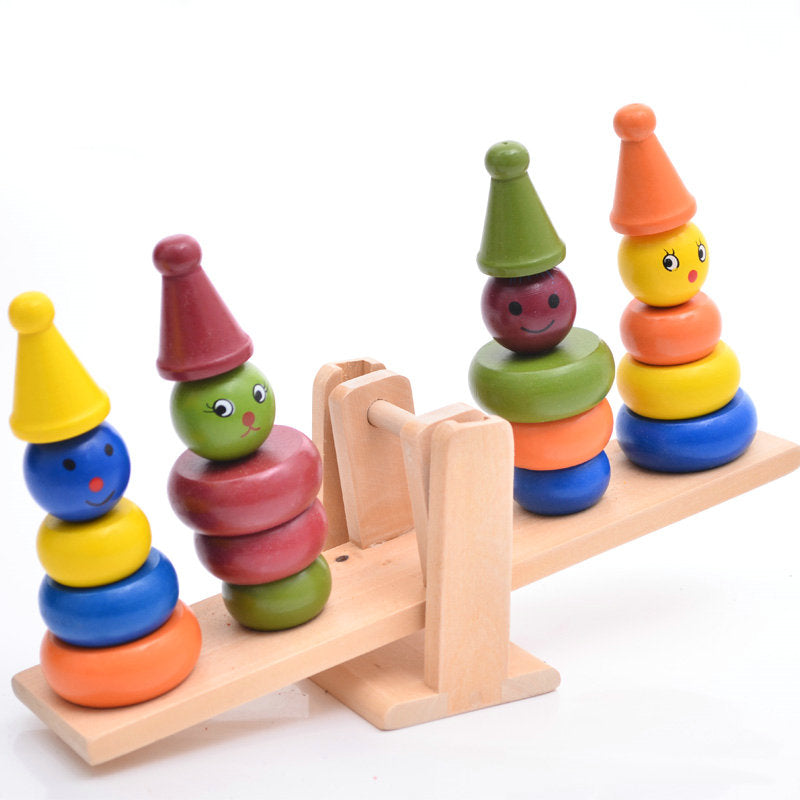
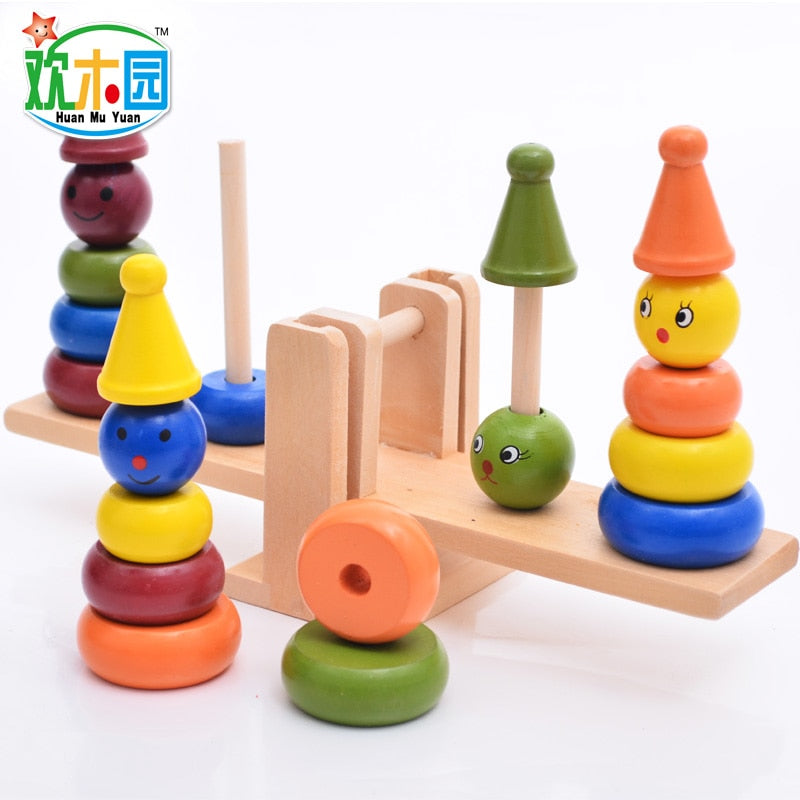
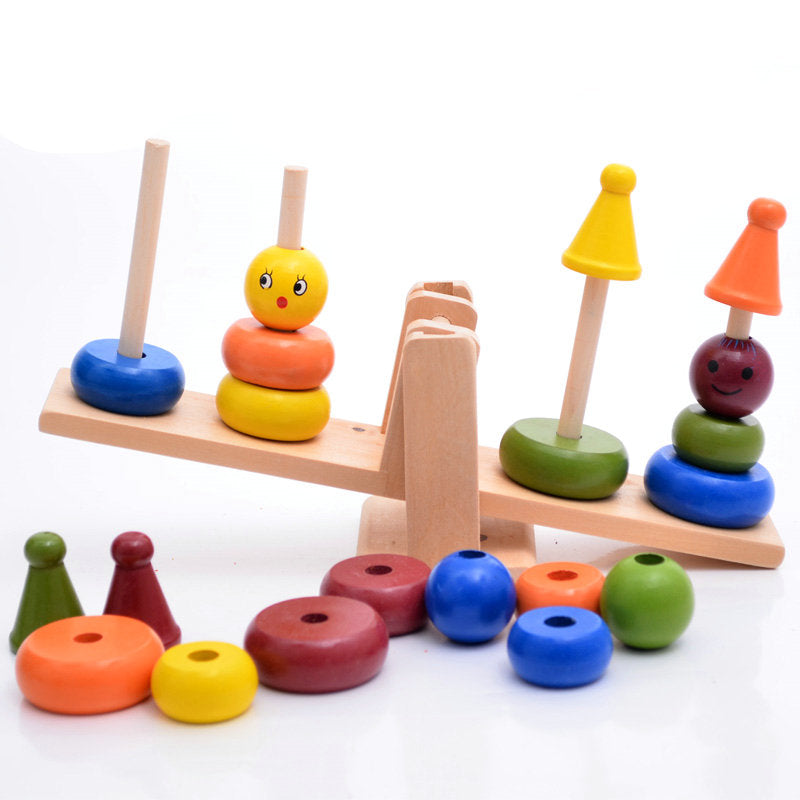
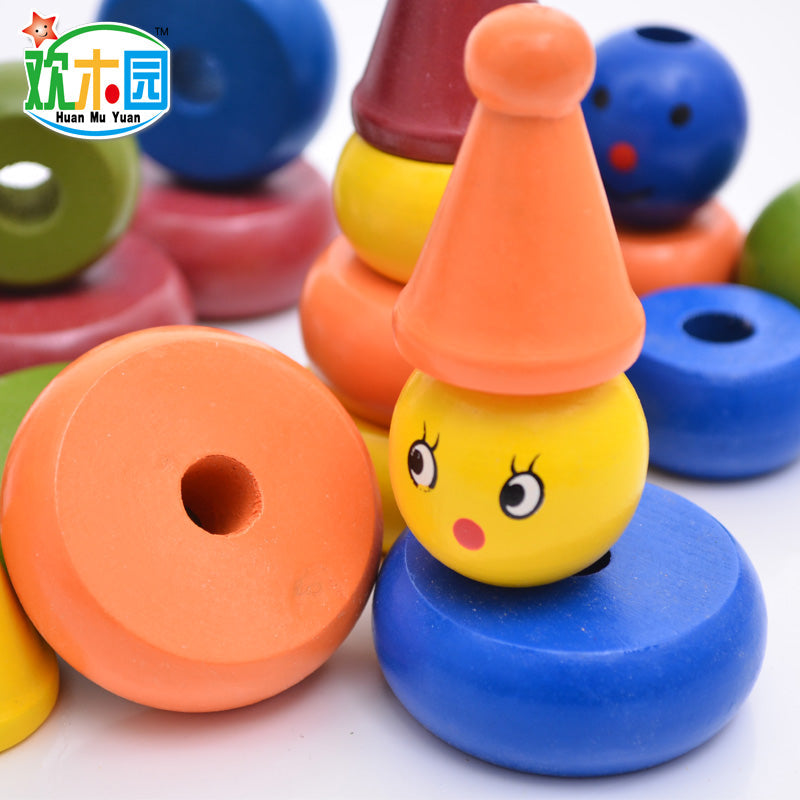
Turn restless afternoons into focused, hands-on play with a colorful wooden balancing toy children can stack, sort, test, and rebuild. The seesaw frame and character pieces keep each new arrangement f
Read the full descriptionTurn restless afternoons into focused, hands-on play with a colorful wooden balancing toy children can stack, sort, test, and rebuild. The seesaw frame and character pieces keep each new arrangement f
A colorful hands-on balancing game that builds early coordination and problem-solving skills through playful stacking.
Give preschoolers a colorful challenge they can touch, stack, test, and rebuild. Each playful balancing arrangement supports coordination, color learning, and early problem-solving.
Removable rings, rods, cones, and character heads invite children to grip, place, adjust, and repeat with purpose. Every careful movement gives their hands a clear job.
The seesaw platform and multiple balancing positions make each arrangement a small experiment instead of a single finished task. Children can copy, change, invent, and try again.
Bright orange, blue, yellow, green, and red pieces make sorting and matching feel like play. Character faces and clown hats add a little story to every new combination.
A natural beech-wood frame, smooth painted rings, rounded character pieces, and colorful clown hats create a satisfying hands-on experience that feels substantial in little hands.
Set the frame, rings, rods, character heads, and clown hats where the child can see and compare them.
Show how one ring or character piece sits on a rod. Let the child watch how the seesaw changes.
Invite the child to place another piece, move a ring, or switch colors until the platform finds a new balance.
Ask which colors belong together, which character can wear the cone hat, or what arrangement the child wants to try next.
The seesaw platform that responds to every arrangement.
Removable pieces for gripping, sorting, and stacking.
Create the structure for different stacking positions.
Cheerful faces add character play to the balancing task.
Colorful finishing pieces for imaginative arrangements.
Some afternoons turn into a loop of screen requests and toys that are quickly forgotten. Flashcards repeat the same task, while simple stackers often have one obvious finish line. Children need something they can change with their own hands.
Place one ring, add a rod, or top a character with a cone hat. The seesaw responds to every choice, turning a simple placement into a tactile cycle of testing, adjusting, and discovering.
Soon the pieces become a challenge worth returning to. Children sort colors, steady their hands, watch the platform shift, and proudly rebuild an arrangement that feels like their own.
There is no single pattern to finish. The balance frame, rings, rods, faces, and hats support fresh combinations for home afternoons, classroom stations, parent-child play, and thoughtful gifts.
| Wooden Balance Game | Screen Time | Basic Stacker | |
|---|---|---|---|
| Hands-on placement | Yes | No | Yes |
| Balance challenge | Yes | No | No |
| Color sorting | Yes | Partial | Partial |
| Multiple arrangements | Yes | No | Partial |
| Character play | Yes | No | No |
| Reusable screen-free activity | Yes | No | Yes |
Yes. It suits preschool children who are practicing careful placement, color recognition, coordination, and early reasoning. Adult supervision is important, especially while children are learning how the seesaw responds.
The set includes a wooden balance frame, colored stacking rings, vertical rods, character heads, and cone-shaped clown hats. Together, these pieces create a balance game rather than a single-purpose stacker.
Yes. The core play is easy to demonstrate: place pieces on the rods and frame, watch the platform, then adjust the arrangement. Parents and teachers can start with one simple example and let the child invent the next one.
The visible pieces have smooth painted surfaces, rounded wooden forms, and a solid-looking natural wood frame. Check each piece before play and remove any damaged component.
The play is open-ended rather than limited to one printed pattern. Children can change the rings, rods, character heads, hats, colors, and balance positions to create many arrangements.
It supports both. A short demonstration helps a first-time player understand the balance idea, while independent play grows naturally as children begin choosing pieces and testing their own arrangements.


 Wooden Balancing Toy for Montessori Skill-Building