
$54.90
Free delivery · 7–14 days
Tarot Card Deck: 78-Card English Rider-Waite Set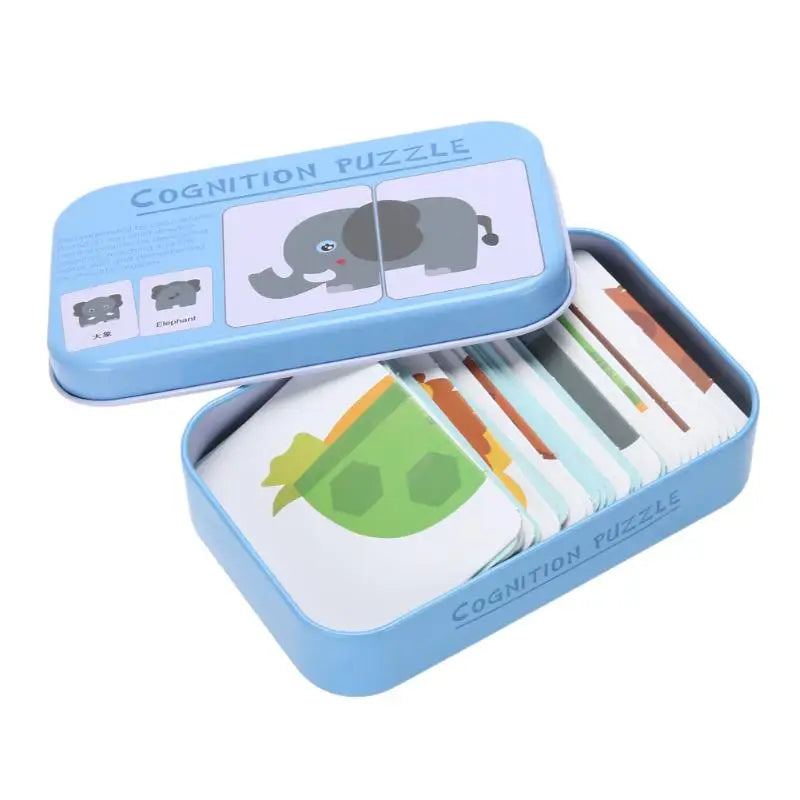

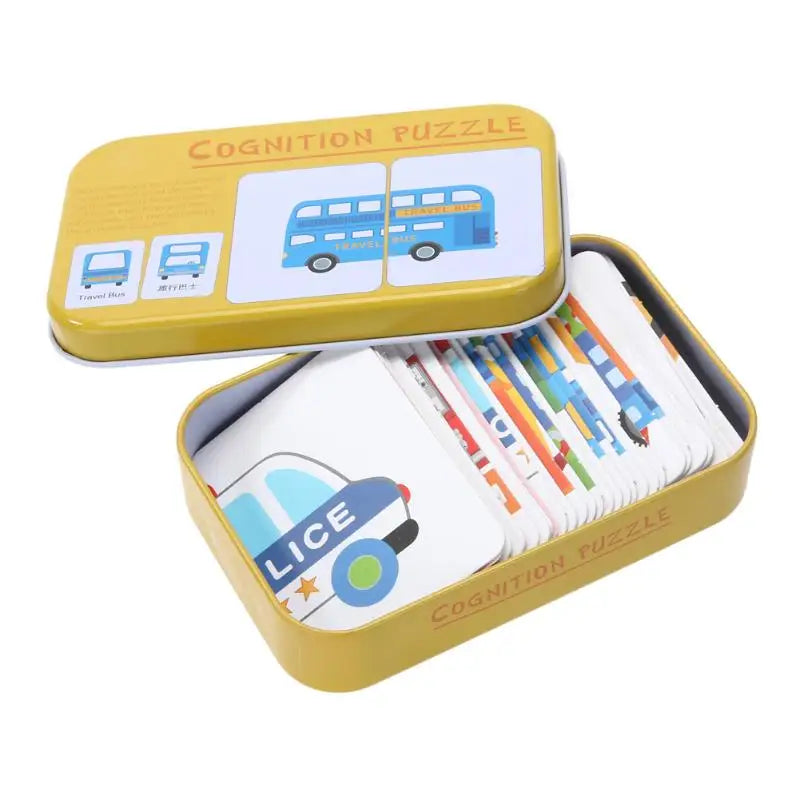
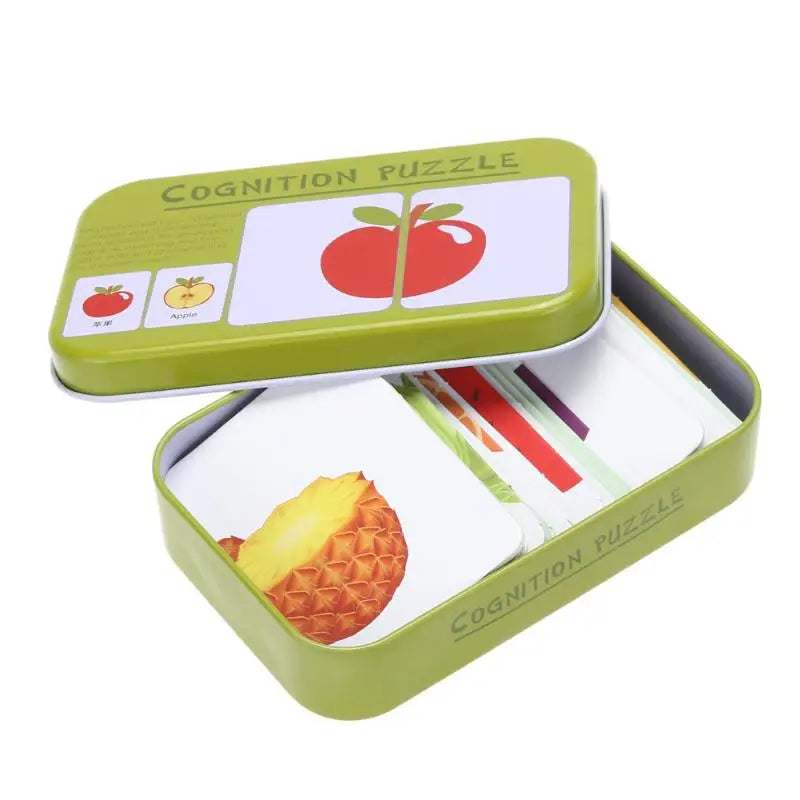

Turn restless downtime into a calm, shared matching ritual. This organized card game gives toddlers and caregivers a screen-free way to sort, compare, and play together.
Read the full descriptionTurn restless downtime into a calm, shared matching ritual. This organized card game gives toddlers and caregivers a screen-free way to sort, compare, and play together.
When screens and scattered toys make it hard to settle into play, matching cards offer a simple hands-on activity. Sort, compare, and celebrate each small match together.
Pair-based play gives you a concrete starting point: show a card, find its match, then repeat at your child's pace. Browse more kids toys educational ideas for a growing play shelf.
The iron box keeps the activity together between rounds, so it is easier to bring out for a short play window and put away when the moment is over.
Adults can model looking, comparing, naming, and celebrating without complicated rules or a screen. It is a natural fit beside other baby toys: teething and toddler activities.
Start with one visible pair and add more only when your child feels comfortable. A matching game for kids works best when encouragement matters more than speed.
Place one matching pair on a clear surface. Point out what looks the same and invite your child to touch, look, and compare.
Mix a small number of cards and ask your child to find the match. If they become unsure, model the search and try again without pressure.
Once the routine feels familiar, let your toddler choose the cards and decide when the round is finished. Stop while the activity still feels positive.
Keeps the activity together between play sessions.
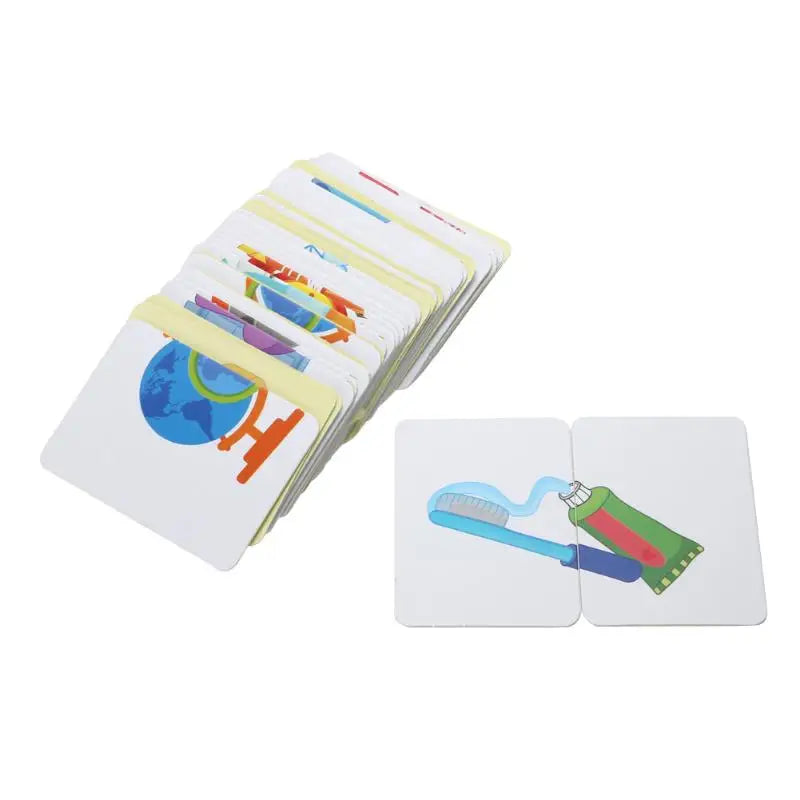
Use the visible picture pairs for sorting and comparing.
A short restaurant wait, travel pause, or quiet afternoon can quickly become a full-scale toddler negotiation. Scattered toys and screens do not always create the kind of shared attention you were hoping for.
One organized box creates a clear starting point. Bring out a pair, look at the pictures together, and let the activity stay as simple as your child needs.
After you model the first match, your toddler can begin choosing, comparing, and finding pairs at their own pace. Repeated rounds turn a new game into a familiar shared routine.
Keep the box in a play basket, travel bag, or quiet-time drawer. The next restless moment has a practical starting point, without promising that every day or every round will look the same.
| Matching Card Game | Screen Time | Loose Flashcards | |
|---|---|---|---|
| Quick setup | Yes | Partial | Partial |
| Hands-on matching | Yes | No | Partial |
| Caregiver participation | Yes | Partial | Partial |
| Organized storage | Yes | No | No |
| Works without reading | Yes | Partial | Yes |
It works best for a toddler who can look at pictures, handle cards with an adult nearby, and engage in a simple turn-taking activity. Begin with one pair and add more only when your child is comfortable.
The listing does not provide verified card dimensions. Inspect the pieces before use and supervise closely, especially if your child still mouths objects.
The listing shows an iron storage box and a set of matching picture cards. A verified card count is not provided, so please check the delivered set before play.
Yes. The organized box suits short tabletop play during a waiting-room pause, restaurant wait, or travel break. Keep the box beside you and use only a small number of pairs at a time.
No reading is needed for the basic activity. An adult can point, compare pictures, and model a match using simple words or the family's preferred language.
Put away most of the cards and leave one visible pair. Model the match, offer a gentle prompt, and stop for the day if the activity no longer feels encouraging.


 Toddler Matching Card Game – Cognitive Puzzle Toy