
$34.90
Free delivery · 7–14 days
Korean Gonggi Game for Focused Screen-Free Family Play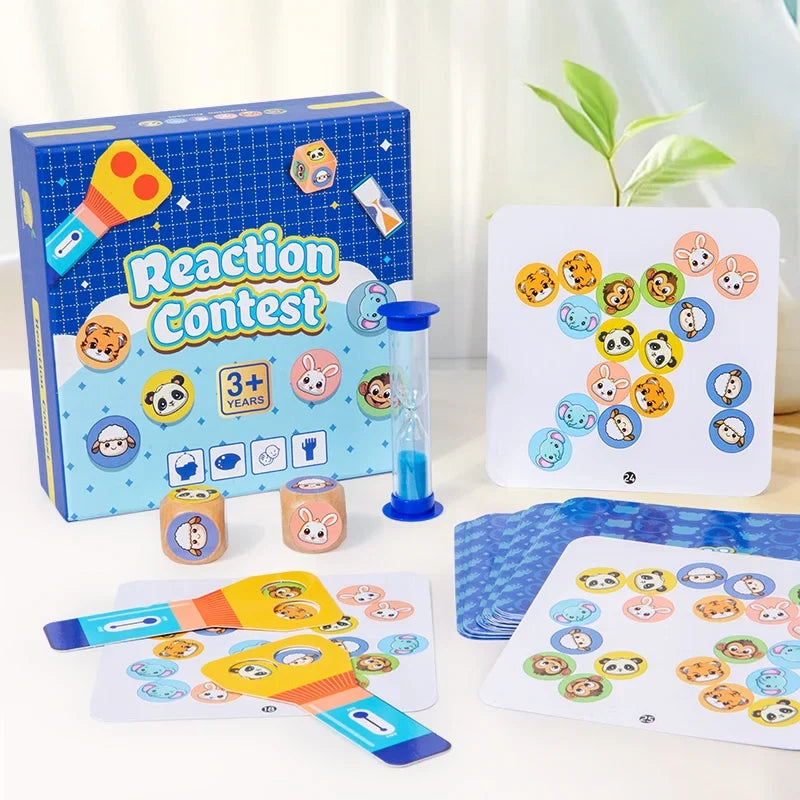
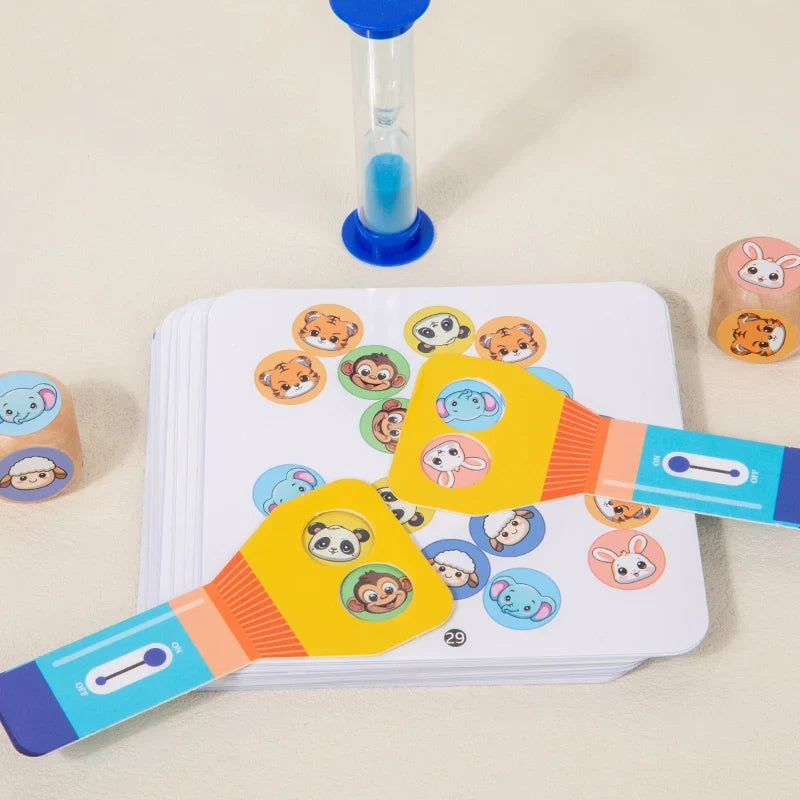
Turn restless indoor time into lively, screen-free play where children look closely, match animal images, and react with colorful paddles.
Read the full descriptionTurn restless indoor time into lively, screen-free play where children look closely, match animal images, and react with colorful paddles.
An interactive reaction game that makes attention and visual matching practice exciting for children aged 3 and up
When screens make it hard to hold their attention, this colorful reaction game gives children an exciting reason to look, match, and respond together.

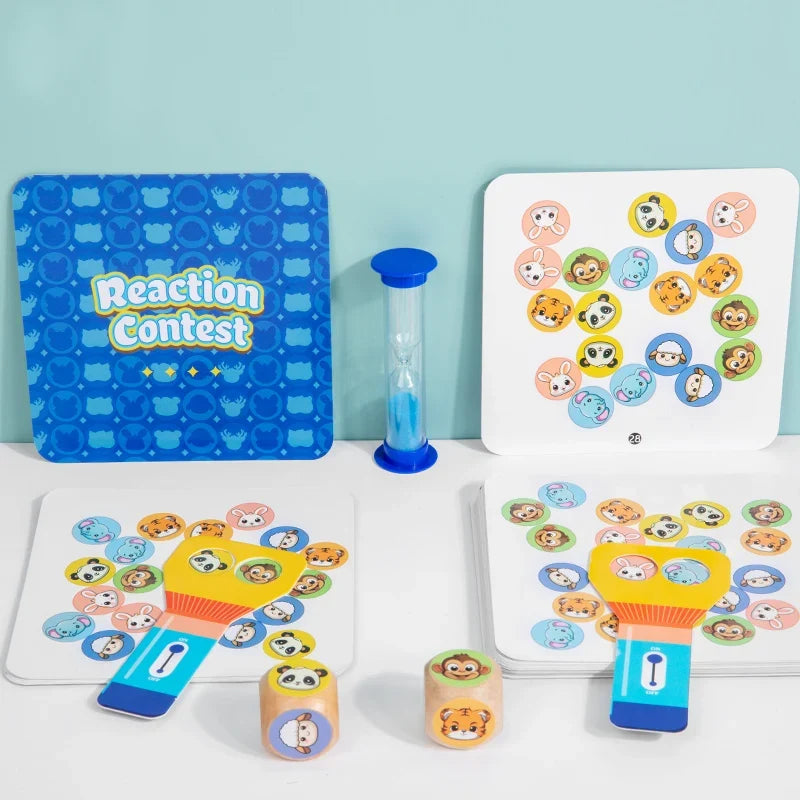
Animal picture cards give children a clear visual target to notice and match, making attention practice concrete rather than abstract.

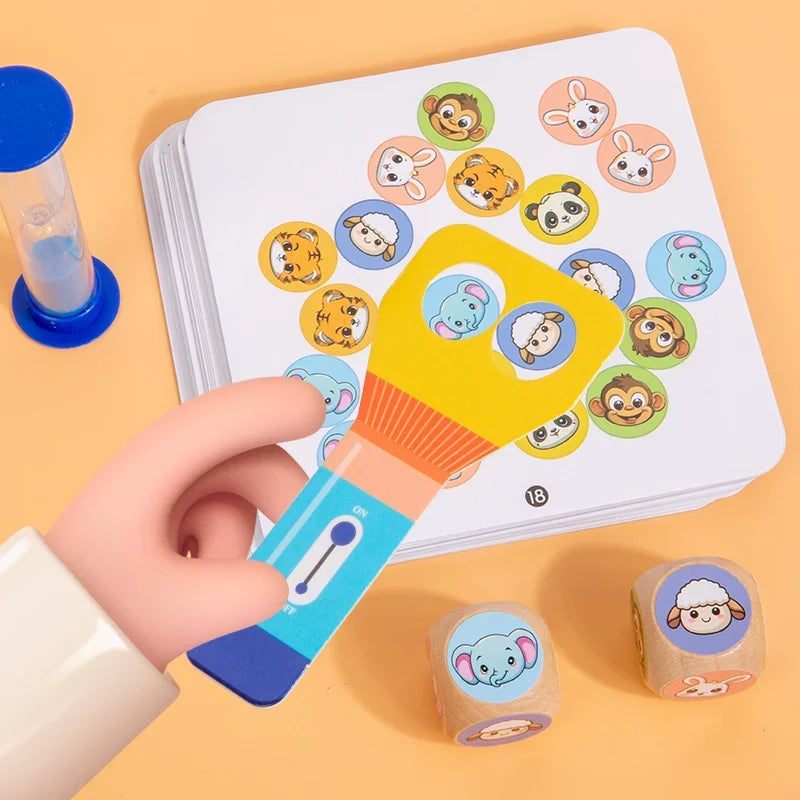
Reaction paddles turn recognition into a physical response, helping children stay involved instead of simply watching. The coordinated pieces make the action easy to understand.

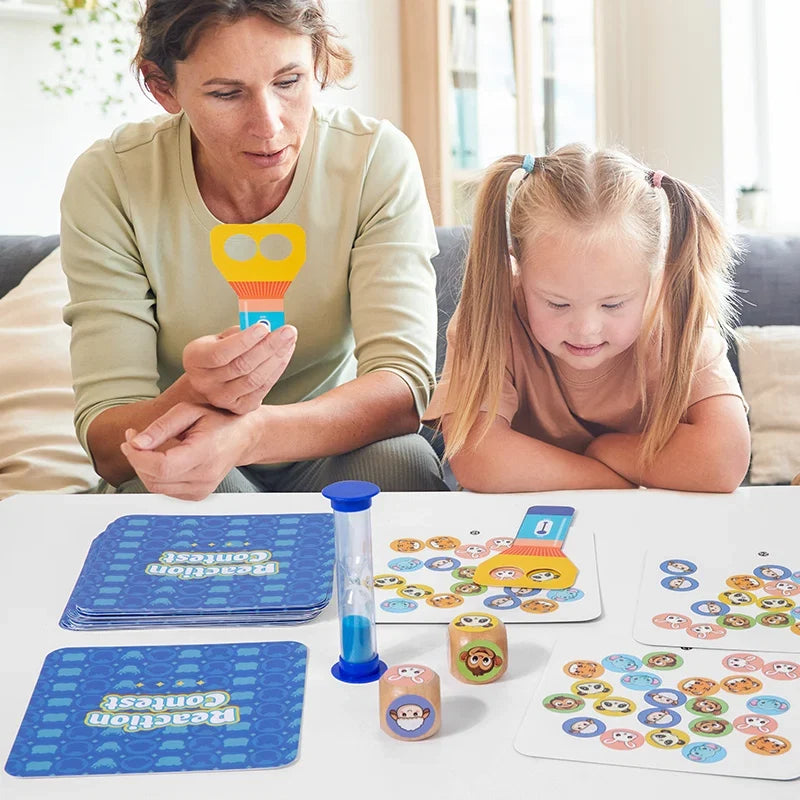
Simple shared components create a natural reason for children and adults to take turns, react, and celebrate together. It is a visual matching game for kids that invites face-to-face play.
Place the animal picture cards where everyone can see them. Name a few animals and let children explore the colorful images.
Show players what they are looking for, such as the same animal image. Younger children can begin with a slower, guided round.
When a match appears, players respond with their colorful reaction paddles. Adults can demonstrate one turn before inviting children to try.
Bring in the illustrated dice and transparent hourglass timer when the basic loop feels familiar. Use short rounds and reset whenever the group is ready.
Make play cooperative, alternate turns, or let children name the animals before reacting. The goal is active noticing, not pressure to win every round.
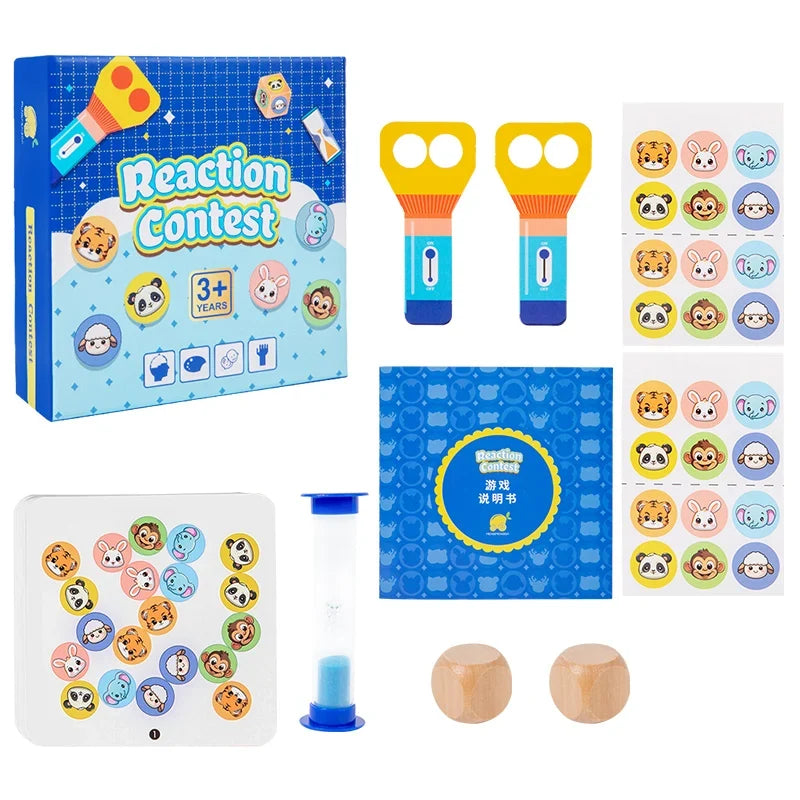
Keeps the pieces together between rounds.
Give children a clear hands-on response.
Adds a visible rhythm to play.
Adds variety to matching prompts.
Create the visual matching challenge.
Indoor play can lose momentum quickly. Screens hold attention without asking children to notice much, worksheets can feel like work, and ordinary toys do not always give everyone a reason to stay involved.
Animal cards create a clear visual target. Children look closely, spot a match, and make a physical response with a colorful paddle. The shift from watching to reacting makes the round feel exciting.
The cards, dice, paddles, and transparent timer give caregivers an easy activity to bring out again. Family time feels focused and social, while children experience attention practice as play first.
| Reaction Contest | Screen games | Worksheets | |
|---|---|---|---|
| Visual matching | Yes | Partial | Yes |
| Hands-on response | Yes | No | No |
| Face-to-face play | Yes | Partial | Partial |
| Works without reading | Yes | Partial | Partial |
| Reusable family activity | Yes | Partial | Yes |
| Value beyond one quiet activity | Cards, paddles, dice, timer, and box | Single-device play | Paper-based practice |
Yes, it is marked 3+ years. Start with simple animal matching and adult guidance, then add the paddles, dice, and timer as the child becomes comfortable.
Yes. The set includes the game box, reaction paddles, transparent timer, illustrated dice, and animal game cards. There is no separate screen or electronic setup.
Yes. The core activity uses animal pictures, visual matching, and physical paddles, so adults can explain the first round without relying on reading.
Yes. Adults can pair younger children with an older sibling, slow the pace, or make the first rounds cooperative. That keeps the activity social without making every round a race.
It is a transparent blue hourglass timer, not an electronic timer. Children can see the round's rhythm while they play.
Screens encourage passive viewing, while flashcards usually center on one person asking questions. This set adds physical reaction and face-to-face turn-taking, giving the cards more active value.


 Reaction Game for Kids: Screen-Free Focus & Matching