
$34.90
Free delivery · 7–14 days
Korean Gonggi Game for Focused Screen-Free Family Play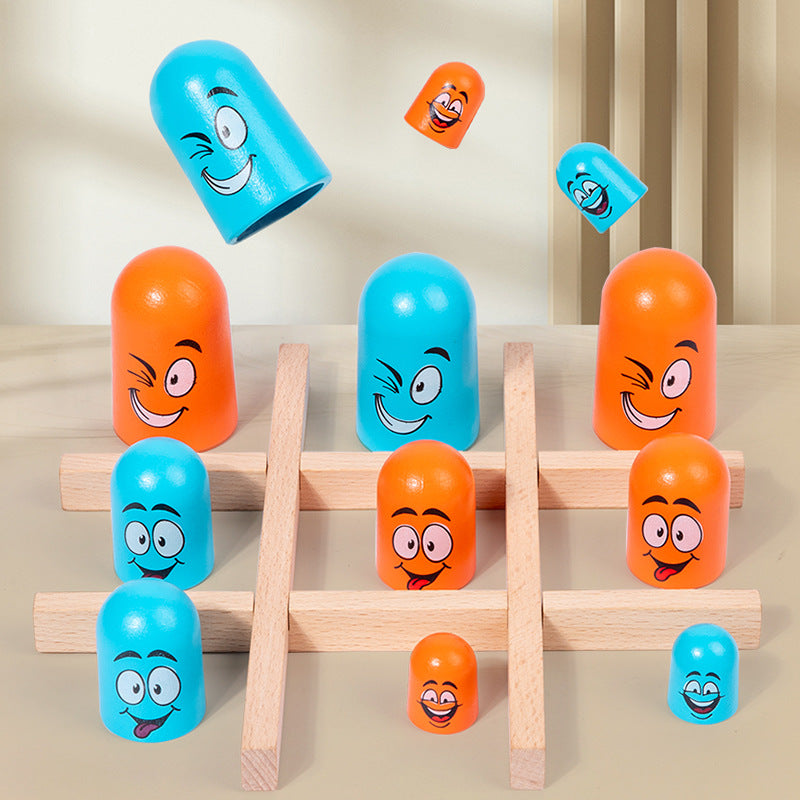
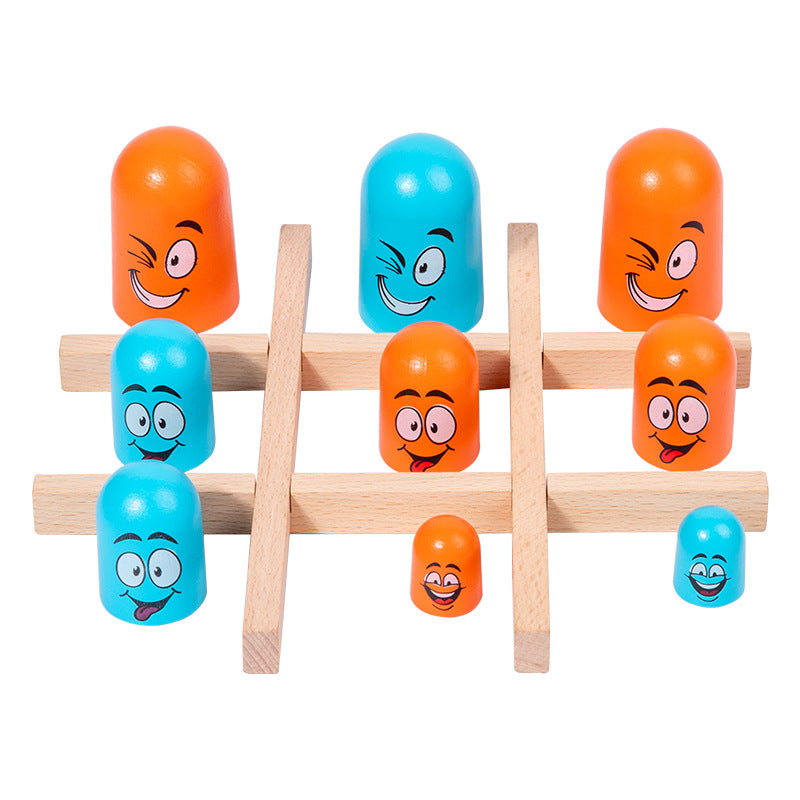
Turn an ordinary indoor afternoon into face-to-face discovery with a cheerful wooden grid game made for preschool hands.
Read the full descriptionTurn an ordinary indoor afternoon into face-to-face discovery with a cheerful wooden grid game made for preschool hands.
Colorful parent-child board game that makes early strategy play fun and hands-on
Replace restless screen-seeking with colorful, hands-on play that gives preschoolers a simple way to think, move, and connect with you.
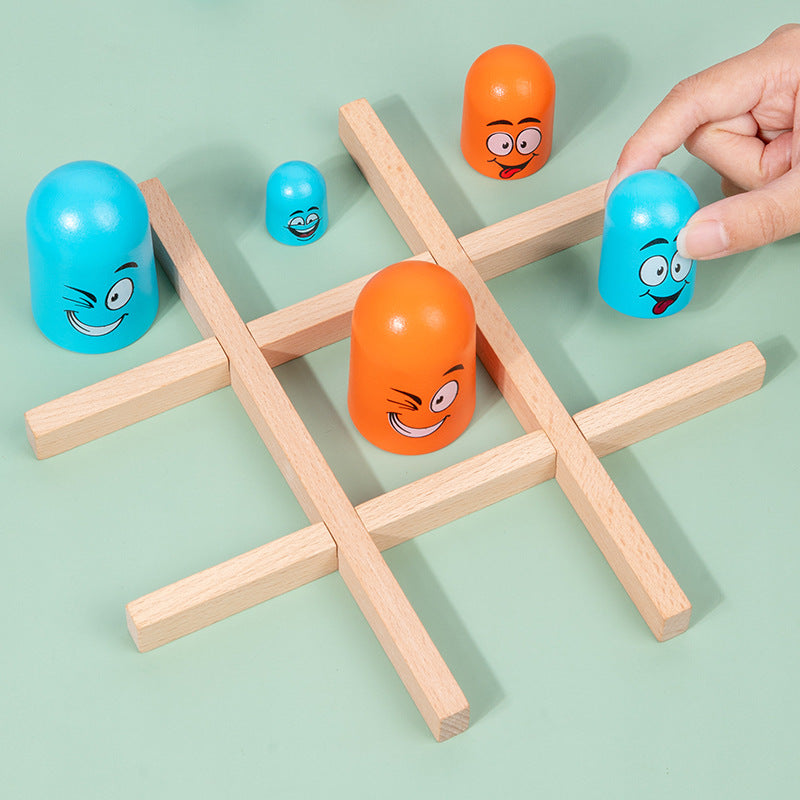
The wooden crossing game grid gives preschoolers a visible, hands-on way to explore movement and simple choices. Pieces travel across raised rails that make the board easy to see and feel.
Bright blue and orange rounded character pieces with expressive faces make the activity feel playful rather than instructional. The coordinated colors give children an easy way to notice, choose, and sort.
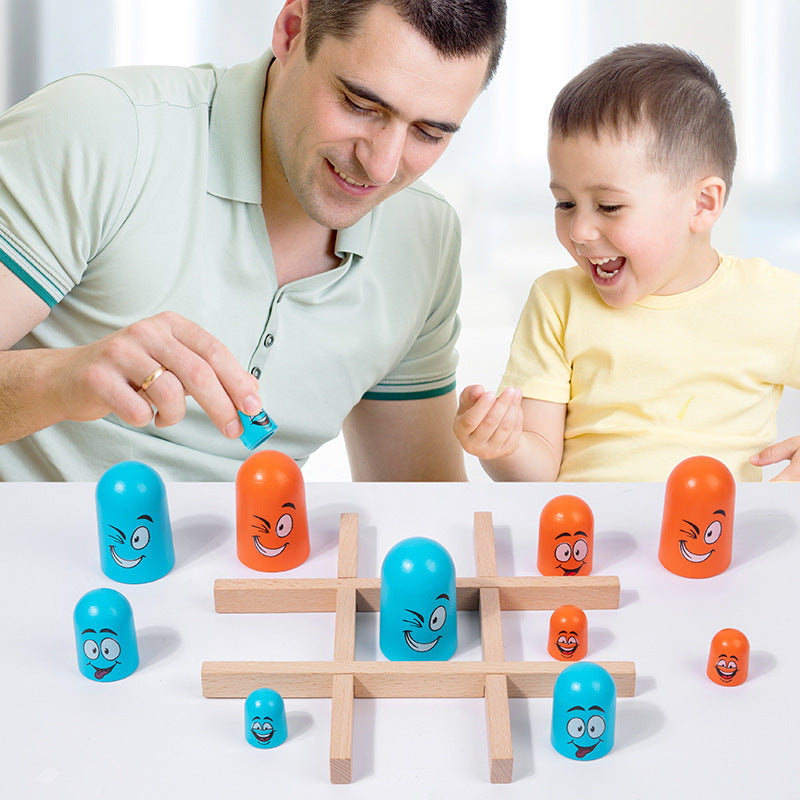
The face-to-face format creates natural moments for a caregiver to demonstrate, encourage, and celebrate each move. It gives both players a part in the game instead of leaving one person watching.
Place the wooden crossing rails on a clear table and arrange the blue and orange character pieces where both players can reach them.
Invite your child to pick a character color and look at the expressive faces and different piece sizes together.
Demonstrate how to move a piece across the grid, then let your child choose the next route.
Move back and forth across the board, using simple prompts such as which piece should move next or where it could go.
Natural pale wood crossing grid for hands-on play.
Rounded glossy pieces with cheerful cartoon faces.
Bright contrasting pieces for turn-taking and color play.

Boredom can turn into another screen request before you have found a better idea. Ordinary solo toys often lose their pull, leaving indoor play feeling repetitive and disconnected.

This colorful wooden grid turns early strategy into something a preschooler can touch and explore. Rounded faces, bright colors, and nesting-style piece sizes make each choice feel like play rather than a lesson.

You sit face-to-face, take turns, and talk through the next move. The board gives your child something concrete to do while you offer encouragement, making a short game feel like real time together.
| This game | Screens | Solo toys | |
|---|---|---|---|
| Face-to-face interaction | Yes | No | Partial |
| Hands-on movement | Yes | No | Yes |
| Caregiver can guide each move | Yes | Partial | Partial |
| Screen-free activity | Yes | No | Yes |
| Premium tactile materials | Yes | No | Varies |
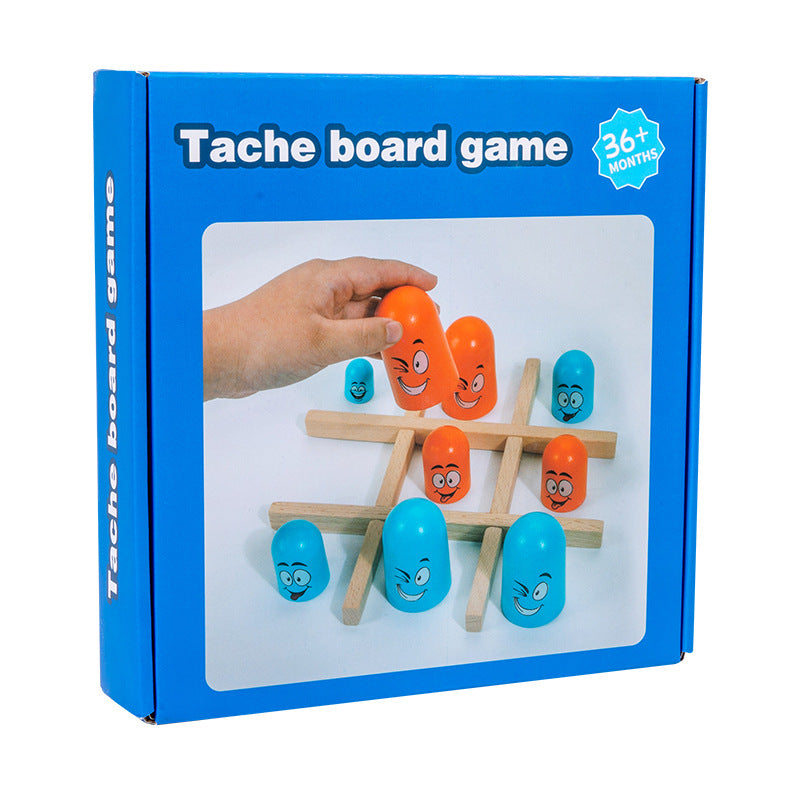
Yes. The packaging recommends it for children aged 36 months and above. Adult supervision is still important, especially during the first setup and play session.
The set includes wooden game board rails, blue character pieces, and orange character pieces. The coordinated parts create the complete crossing-grid game.
The rails have a smooth natural wood finish, and the character pieces are rounded with glossy molded surfaces. Inspect all parts before use and remove anything damaged.
No. A child can begin by exploring colors, faces, routes, and simple movement. A caregiver can demonstrate one move and guide the game without teaching formal chess.
That is the point of the game. Sit across from your child, take turns, ask simple questions, and celebrate the choices they make.
Yes, for supervised play with children who meet the 36-month age guidance. It works well as a tabletop activity for playdates, quiet-play rotations, and parent-child learning time.


 Preschool Board Game for Screen-Free Strategy Play