
$49.90
Free delivery · 7–14 days
Dog Waste Bags With Dispenser, 12-Month Decomposition


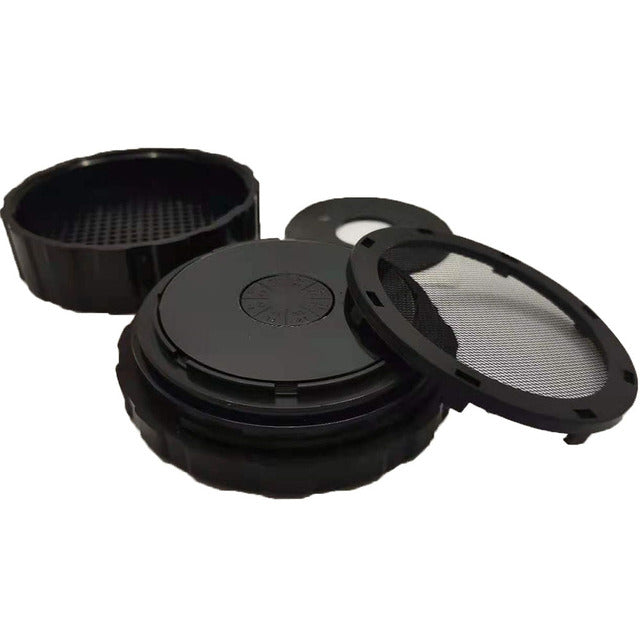
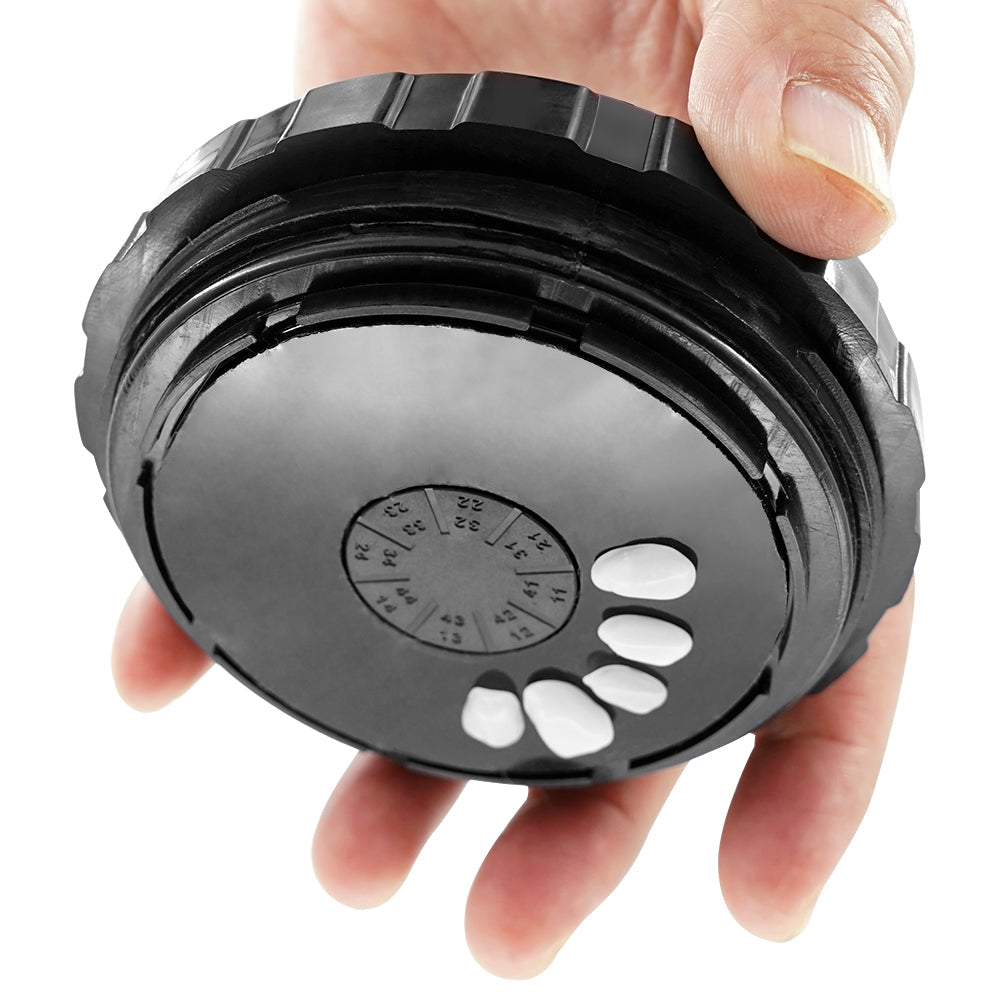
Achieve contamination-free, organized processing of ice porcelain and all-ceramic veneers with this modular dental lab box.
Read the full descriptionAchieve contamination-free, organized processing of ice porcelain and all-ceramic veneers with this modular dental lab box.
Precision multi-component processing box for all-ceramic veneer and porcelain dental patch fabrication
Eliminate scattered materials and inconsistent sieving. This modular processing box brings numbered slot organization and a fine stainless steel mesh to every all-porcelain case.
Achieve uniform particle distribution for your all-ceramic materials. The removable screen is smooth, corrosion-resistant, and captures exactly the fraction you need.
Assign each processing stage its own numbered compartment. Whether you’re layering, shading, or building, your sequence stays intact—no more guesswork.
The knurled base ring locks the round sieve onto its tray. The rectangular components slide together into one clean footprint. At the end of the day, everything fits in a standard lab drawer.
Place the metal mesh screen ring onto the round housing, then screw on the knurled base ring until it locks. Set it on the grid-base tray.
Assign your ceramic materials (press pellets, stains, overlay powders) to slots 1–5. The numbers become your processing sequence.
Pour material into the mesh funnel and shake gently. The grid-base tray catches the sifted product while the mesh retains oversize particles.
Place the rectangular lid over the slot tray. The reflective inner surface lets you spot any cross-contamination instantly.
When your case is done, nest all components together—the round sieve fits inside the rectangular frame. The whole system slides into a standard lab drawer.
Fine stainless steel mesh embedded
Slots 1–5 for sequential processing
Mirror-like inner surface for contamination inspection
Sifted material collection & organization
Precision grip for stable operation

Before, you juggled multiple containers for each shade and particle size. Cross-contamination was inevitable, and your prep space looked like a disaster zone. Every fabrication cycle started with a cleanup.

We designed a compact 5-piece kit with one job: impose order on ceramic chaos. Five clearly numbered slots let you assign materials to fabrication steps. The fine mesh sieve gives you consistent particle size every time.

Now your bench stays clean. Your materials stay where you put them. Your processing becomes predictable, repeatable, calm. The modular components stack neatly into a drawer. And your veneer quality reflects that control.
Use distilled water after each use to remove ceramic residue before it dries.
Wipe all surfaces with 70% isopropyl alcohol. Safe for plastic and stainless steel.
The stainless steel screen is durable but can bend under sharp force. Use a soft brush for cleaning.
Stack components together after full drying. Avoid laying heavy objects on the mesh.
Yes. The stainless steel screen has a uniform aperture ideal for sifting glass-ceramic and porcelain powders down to a controlled particle size. It prevents clumps from reaching your work.
The digits are molded into the plastic, not printed. They withstand alcohol wipes, ultrasonic baths, and daily use without fading.
We recommend chemical disinfection (isopropyl alcohol 70%) rather than autoclaving. The plastic components and mesh are heat-sensitive and may warp at high temperatures.
You’re paying for a complete 5-piece system with a stainless steel mesh, numbered organization, and modular design. Cheaper sifters lack the tray, slots, and fine mesh—and they don’t last.
The round sieve handles powder sifting; the rectangular tray organizes and holds your materials. Together they create a full workflow. Each piece is also available separately if you already own part of the system.
Absolutely. Many students tell us the numbered tray helps them learn sequence and build good habits early. It’s an investment that carries into professional practice.



 Porcelain Veneer Processing Box — Contamination-Free Lab Kit