Dental Materials: Zirconia Crowns, Composites & Filling Kits
3 items
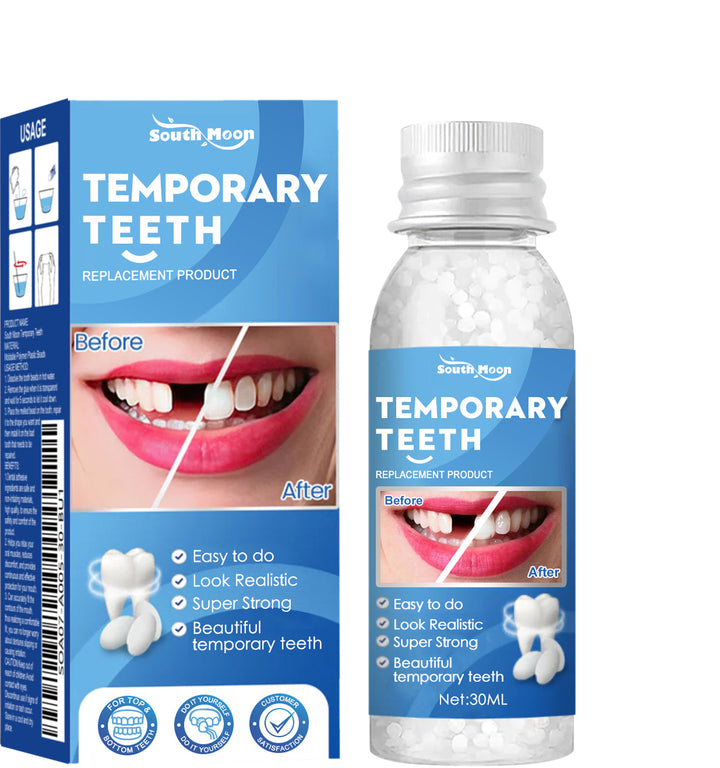
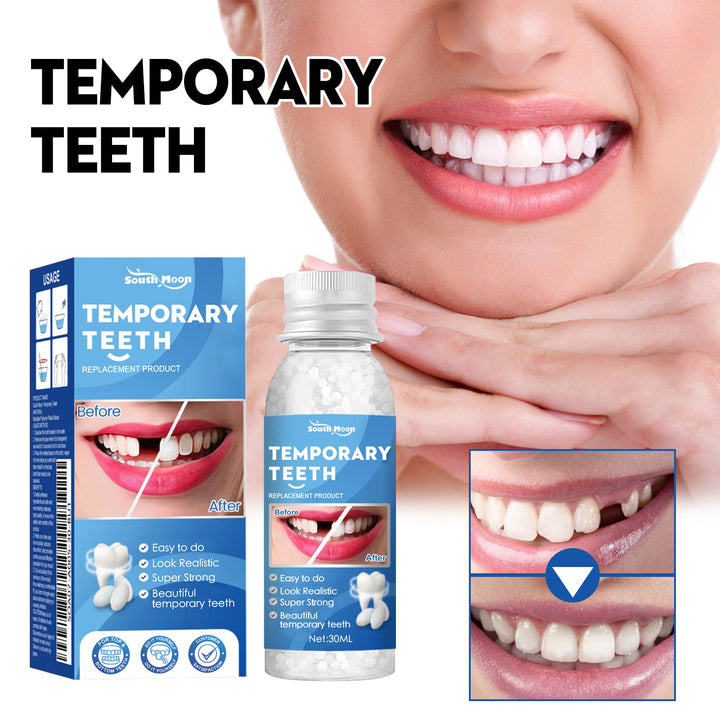

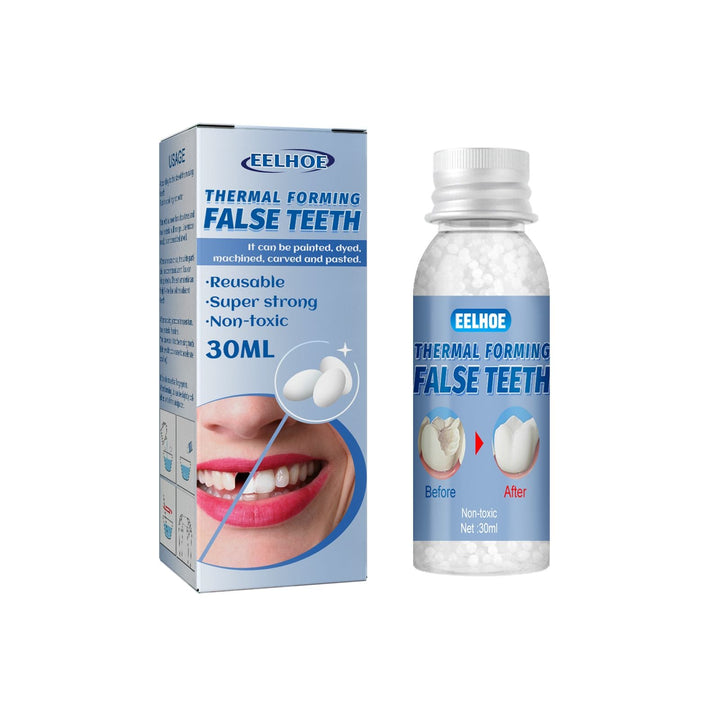
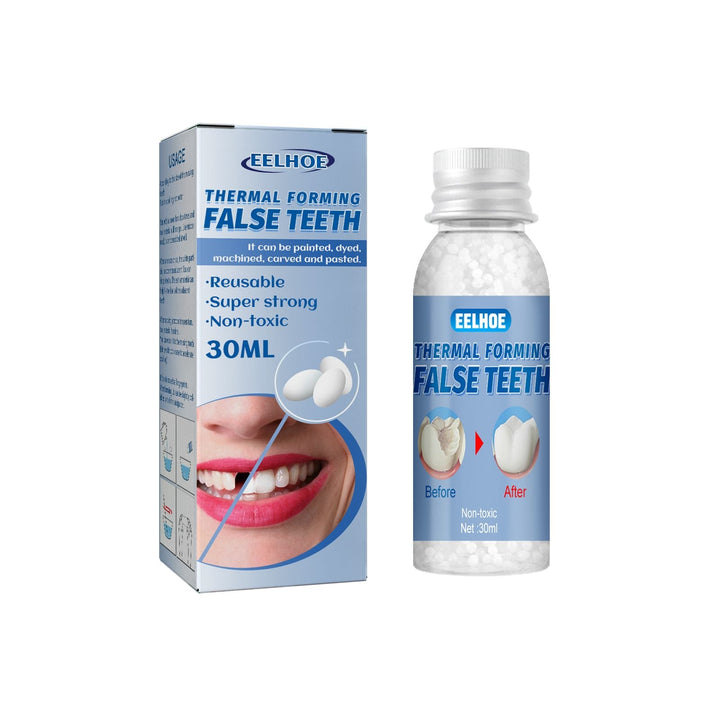

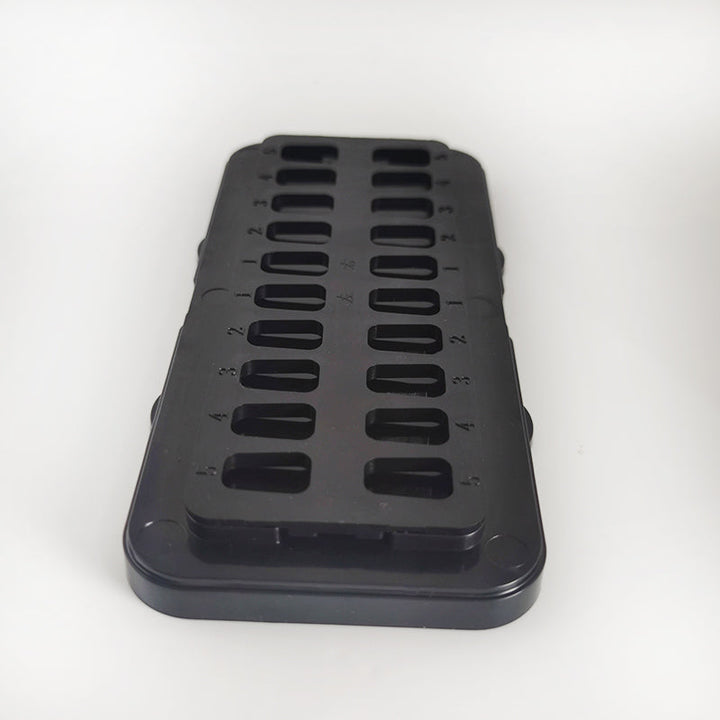
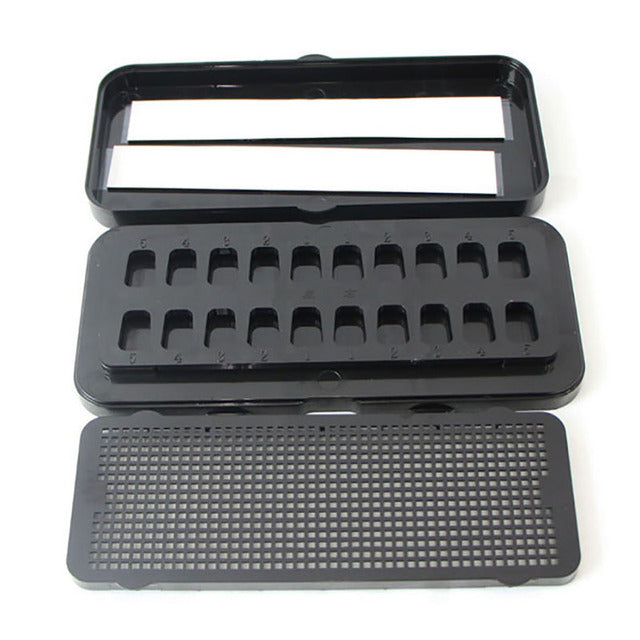
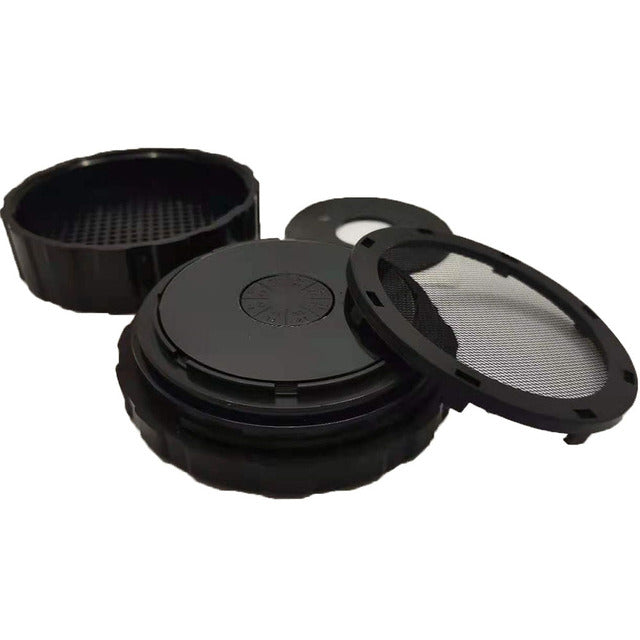
Dental materials include the products and tools used to fabricate, restore, finish, and handle dental work, from zirconia crowns and composite filling materials to veneer-processing equipment. This category includes a Porcelain Veneer Processing Box designed to help organize and protect veneer work during laboratory handling.
How to choose dental materials for your workflow
Start by identifying the procedure, work stage, and handling conditions rather than choosing materials by name alone. Zirconia crown materials are selected for crown fabrication, while composites and filling kits are intended for restorative workflows; a porcelain veneer processing box serves a different purpose by supporting controlled laboratory handling. Check the product description for dimensions, included components, compatible instruments, and cleaning or storage instructions. If you are researching a dental materials list for a class or laboratory, separate consumable materials from processing tools and protective storage equipment. For the featured veneer kit, focus on contamination control, compartment layout, access to instruments, and whether its format fits your bench space and existing veneer workflow.
What are the different types of dental materials?
Dental materials are commonly grouped by their use: restorative materials such as composites and filling materials, indirect restorative materials such as ceramics and zirconia, impression and model materials, bonding and luting materials, and laboratory tools or handling systems. These groups are not interchangeable. A composite filling kit supports a direct restorative process, whereas zirconia is associated with indirectly fabricated restorations, and porcelain requires careful laboratory processing and finishing. The Porcelain Veneer Processing Box belongs to the handling and organization side of the category rather than serving as a veneer ceramic itself. When comparing types, consider the restoration, the processing stage, required equipment, storage needs, and whether the item is intended for professional or educational use.
What to look for in a porcelain veneer processing box
Look for a box that keeps veneer-related components organized and reduces unnecessary exposure during laboratory handling. Useful details include a secure closure, a stable base, smooth surfaces that are practical to clean, and compartments or internal space suited to the items you need to place inside. Confirm the external dimensions before ordering, especially if the box must fit a work tray, cabinet, or transport case. Product information should also explain what is included and whether tools, trays, or accessories shown in images are sold separately. A contamination-free lab kit should be evaluated as a workflow aid, not as a substitute for your facility’s own hygiene procedures. Compare construction, access, portability, and storage capacity with your veneer-processing routine.
How to use dental materials safely and efficiently
Use each product according to its intended purpose and the supplier’s instructions. Before working with a porcelain veneer processing box, confirm that the box and any internal surfaces are clean, dry, and ready for use under your laboratory’s established procedures. Arrange only the components needed for the current task, keep unused materials closed or protected, and avoid mixing items from unrelated procedures. For composites, filling kits, and zirconia-related products, check handling, curing, firing, storage, and compatibility requirements in their respective instructions; these requirements differ by material and product. Maintain clear labeling and separate clean items from used instruments. If the item is being used for a dental materials class or training exercise, follow the instructor’s laboratory protocol and supervision requirements.
Common mistakes when buying dental materials online
A frequent mistake is treating every dental material as a universal substitute for another. Zirconia, porcelain, composite, and filling materials have different purposes, and a processing box is an organizational accessory rather than a restorative substance. Buyers also overlook dimensions, included accessories, cleaning guidance, and whether the product is intended for a dental laboratory, classroom, or clinical setting. Do not rely on a dental materials PDF, PPT, book, or journal description alone when ordering; verify the current product listing and specifications. Check quantity, packaging, delivery requirements, and return terms before purchase. For the featured porcelain veneer kit, confirm that its capacity and layout match your existing workflow instead of assuming that every veneer case will fit.
Who should buy dental materials online?
Dental laboratories, dental practices, educators, students, and trained technicians may shop online for different kinds of dental materials, provided the product is appropriate for their role and local requirements. A laboratory may need zirconia or porcelain workflow supplies, while a practice may look for composite or filling materials through its established procurement process. Students and instructors may use a dental materials book, journal, or class notes to compare material categories, but should select products under course or institutional guidance. The Porcelain Veneer Processing Box is most relevant to users who handle veneer cases in a laboratory or organized training environment. Before buying, confirm intended use, user qualifications, storage conditions, and whether your organization requires specific documentation.
Frequently asked questions
What are the three classifications of dental materials?
Dental materials can be classified in several ways, depending on the textbook or course. A common broad grouping is preventive materials, restorative materials, and laboratory or auxiliary materials, but other systems classify them by composition, application, or clinical stage. Use your dental materials class or reference book’s definitions when a specific academic classification is required.
What materials do dentists use?
Dentists and dental laboratories use materials such as composites, ceramics, zirconia, impression materials, cements, bonding products, model materials, and finishing supplies. The choice depends on the procedure and whether the work is performed directly in the mouth or indirectly in a laboratory. A porcelain veneer processing box is an auxiliary handling product rather than a filling, crown, or veneer material.
Where can I buy dental materials online?
You can buy dental materials from specialist dental suppliers, laboratory-supply sellers, educational distributors, and online category stores. Compare the product specifications, intended use, package contents, storage guidance, and delivery terms before ordering. For a porcelain veneer processing box, check dimensions and included accessories to make sure it fits your workflow.
Can anyone buy dental supplies?
Some dental supplies are general laboratory or organizational products, while others may be intended for trained professionals or subject to local purchasing requirements. Always review the seller’s product information and any applicable rules before ordering materials used in clinical or laboratory procedures. When in doubt, ask a qualified dental professional, technician, educator, or institutional procurement contact.
What dental materials are most popular?
Commonly purchased categories include composite restorative materials, zirconia and ceramic systems, impression materials, cements, bonding products, and laboratory accessories. Popularity varies by procedure, practice setup, education program, and laboratory workflow, so it is more useful to compare intended application and compatibility than to follow a general ranking. A veneer processing box may be especially useful where porcelain veneer cases are handled regularly.
What is a dental materials book, journal, PDF, or PPT used for?
These resources are used to study material composition, handling, indications, limitations, and laboratory or clinical workflows. A book or journal may provide broader background, while a PDF or PPT may summarize a course topic or procedure. Product instructions should remain the primary source for the specific item you purchase because general educational material may not reflect its current specifications.