$179.90
Free delivery · 7–14 days
Wooden Dog Perpetual Calendar for Stylish Desk DecorYour angle grinder becomes a timber shaping tool the moment this disc goes on. Carbide teeth take the bulk off beams, chair legs and furniture edges, so hours with a rasp shrink to a few passes. The result is a clean, rounded profile that is ready for a light finish.
Read the full descriptionYour angle grinder becomes a timber shaping tool the moment this disc goes on. Carbide teeth take the bulk off beams, chair legs and furniture edges, so hours with a rasp shrink to a few passes. The result is a clean, rounded profile that is ready for a light finish.
Turns an angle grinder into a fast wood shaping and carving tool
Stop spending evenings with a rasp on every edge. Carbide-tipped teeth rough out timber and leave a clean, rounded profile ready for finishing.
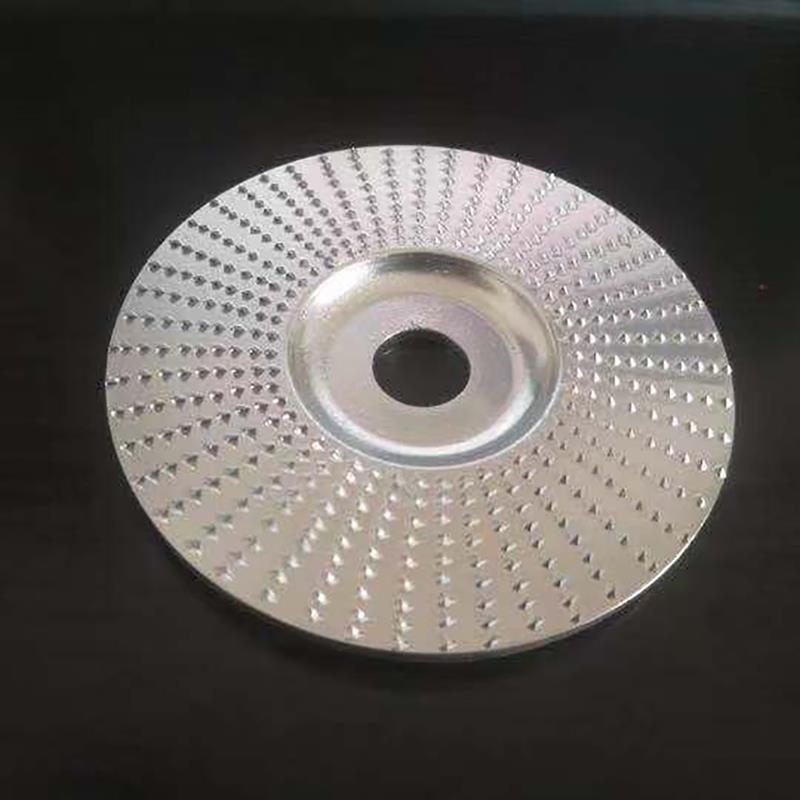
Pyramid-shaped tungsten carbide teeth strip wood fast. Hand rasping a beam edge can take an evening, while this disc takes a few passes. The teeth stay controllable enough to follow the grain, so you can rough a profile without chasing gouges.
The recessed centre hub and central bore seat on the grinder arbor and keep the wheel steady while you work. The polished hub holds the disc true, so the cut lands where you point it.
The disc mounts on a standard angle grinder and runs with the guard fitted, which is how it should be used. Keep the guard on, wear eye and dust protection, and the grinder on your bench becomes a shaping tool.
Clamp the beam or chair leg so it cannot move. Confirm the guard is fitted and the disc's max RPM matches your grinder before you start.
Make short passes along the grain with light pressure. Let the carbide do the cutting and check the curve often.
Switch to sanding once the profile is close. The disc leaves a rounded edge that sands smooth quickly.
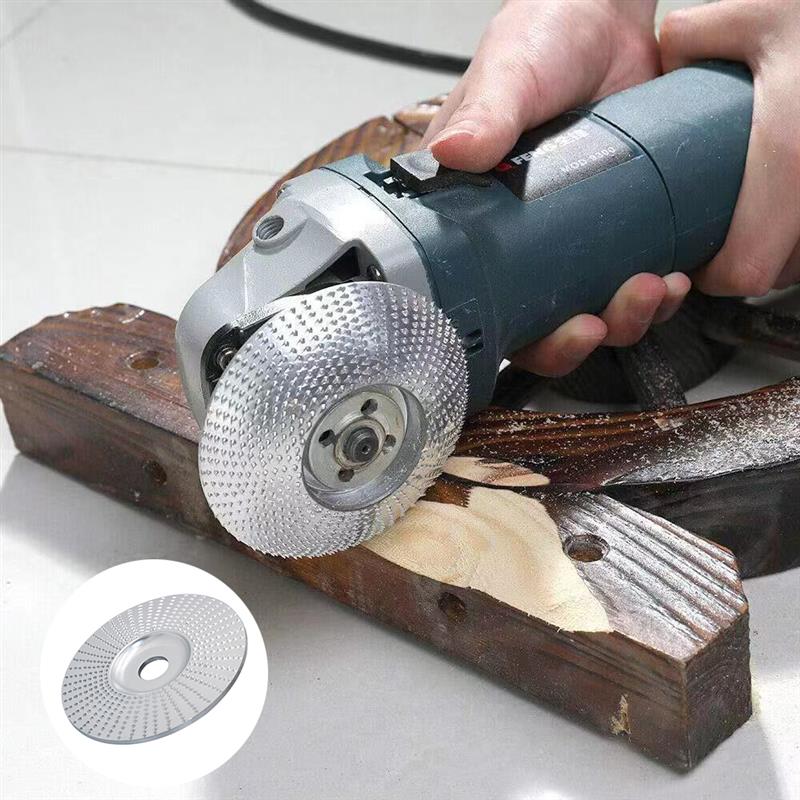
Every edge on a timber project starts the same way: a rasp, a sanding block and a sore wrist. An evening spent rounding one beam leaves curves that never quite match, and you keep going because the piece still looks rough.

A carbide wood disc bolts onto the grinder already sitting in your garage. The aggressive teeth take stock off in passes instead of strokes, so the rough shape arrives while you still have energy left for the finish.
Once the grinder has roughed the profile, the rounded edge needs only a quick pass of sandpaper. The beam or chair leg that sat on the bench all week is finally the piece you planned.
Practice on a scrap board. The disc removes wood quickly, so short, controlled passes give the cleanest first profile.
After a few projects you will know how the disc follows grain and where to slow down for tight curves on chair legs and edges.
Rough shaping on the grinder becomes your regular first step, with hand sanding kept for the final finish.
| This disc | Hand rasp | Dedicated carving tool | |
|---|---|---|---|
| Uses the grinder you already own | — | — | |
| Removes stock quickly on timber | — | Partial | |
| Controlled finish for detail work | Partial | ||
| Extra tool to buy and store | — |
The central bore seats on a standard angle grinder arbor. Check the disc's max RPM against the speed printed on your grinder before fitting it, and never run a disc above its rating.
Yes, with the guard fitted. A coarse disc throws dust and debris at speed, and the guard is your first line of defence. Keep it on, wear eye and dust protection, and use light pressure so the disc cuts instead of kicking back.
The disc leaves a rough, rounded profile that is ready for finishing. Expect a light sanding pass to get a smooth surface. The grinder handles the slow part, and sandpaper does the last few passes.
A rasp is precise but slow on a beam, and a carving knife is built for detail rather than bulk removal. The disc takes the bulk off in a fraction of the time. Rough out with the disc, then switch to hand tools for the fine shaping.
You can use it on both. Hardwood resists the teeth more, so expect to work with lighter pressure and slower passes. Softwood removes faster, so watch for gouging when you cut along the grain.
If you already own an angle grinder, this is the cheaper route. A dedicated carver adds a second machine, a bench spot and storage for a job the grinder can rough out. You buy the disc once, and every beam or chair leg after that takes less of your evening.