$35.90
Free delivery · 7–14 days
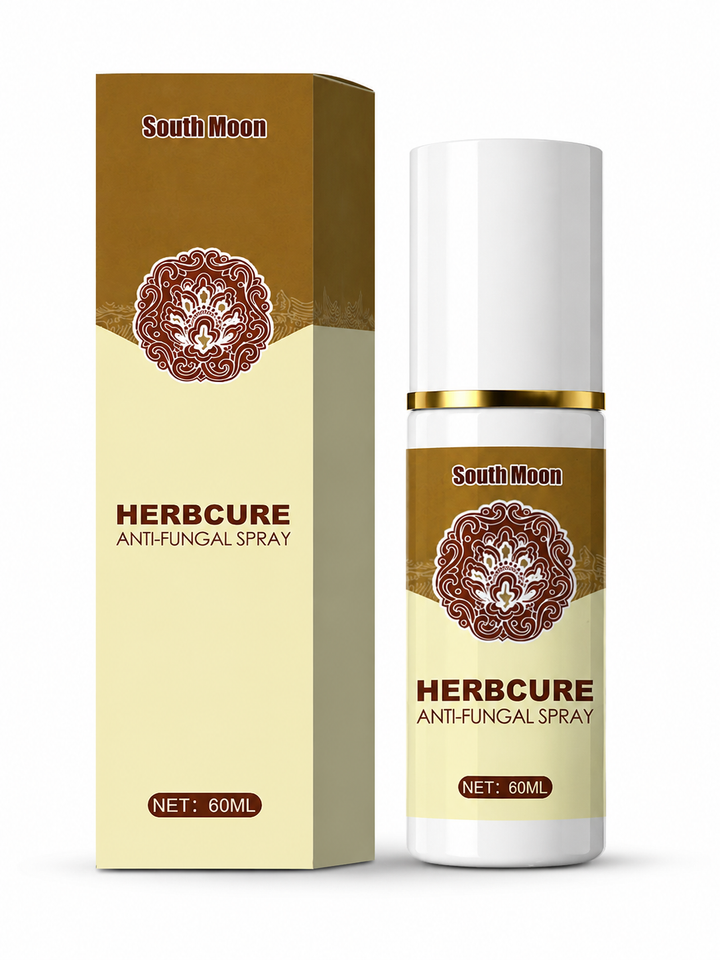
Herbal Anti-Fungal Foot Spray — Dry Cracked Heels Relief


Cracked heels catch on socks, sting in the shower, and make you hide your feet. This 40% urea cream dissolves the thick, dead skin that lotions can't reach, pairing with salicylic acid to gently…
Read the full descriptionCracked heels catch on socks, sting in the shower, and make you hide your feet. This 40% urea cream dissolves the thick, dead skin that lotions can't reach, pairing with salicylic acid to gently…
40% Urea formula eliminates rough, cracked skin on feet and hands
You've scrubbed, filed, and slathered on lotion that barely touches the surface. This 40% urea cream gets under the thick, dry skin and dissolves it away, leaving feet soft by morning.

This is not a moisturizer that sits on top. At 40%, urea is a keratolytic agent that physically breaks the bonds holding thick, hardened skin together. It penetrates deep into callused layers and starts loosening them from the first application. Most drugstore foot creams use 10 to 15 percent. This one uses almost three times that.

While urea softens, 0.2% salicylic acid loosens the bonds between dead skin cells so they shed naturally. You won't see dramatic peeling overnight. Instead, the rough, flaky layer thins day by day, and the thick callus underneath becomes manageable. No aggressive scrubbing, no raw skin.

Inside the jar is a light, airy cream that scoops like whipped butter and melts into skin on contact. No heavy petroleum feel, no greasy film left on your sheets. You can apply it and put on socks immediately. The formula penetrates instead of forming a barrier, so the actives actually reach the problem.
Use warm water and mild soap. Dry thoroughly, especially between toes. The cream works best on clean, slightly damp skin, but not wet.
A little goes far. Massage into heels, balls of feet, and any rough patches. For hands, rub into knuckles and dry areas.
Let it absorb until skin feels matt, then put on thin cotton socks. This locks in moisture overnight and keeps your sheets clean.
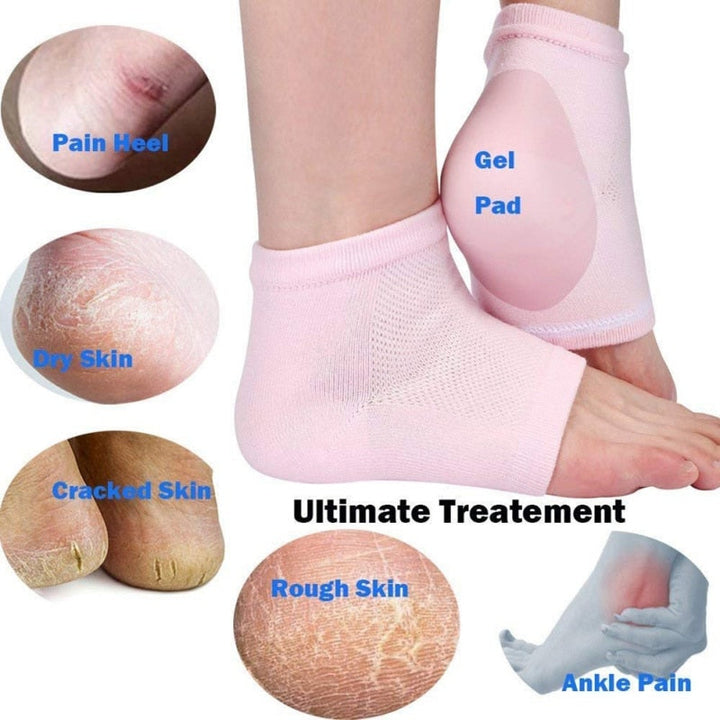
It starts small. A rough patch on your heel that snags your socks. A dry line that deepens over winter. You ignore it until it hurts to walk barefoot. Drugstore lotions promise relief but just sit on the surface, and the crack keeps coming back.
Most foot creams rely on petroleum or lanolin to trap moisture. That helps the top layer feel smooth for an hour, but it never breaks down the thick, dead skin underneath. The callus keeps building, and the cracks get deeper.
Clinical-strength urea doesn't sit on your skin. At 40%, it breaks down the keratin bonds that hold thick, dry skin together, while 0.2% salicylic acid loosens dead cells so they shed naturally. Together, they dissolve the problem from the inside out.
After a few weeks of nightly use, the rough edges fade. The cracks close. You stop checking your heels before taking off your socks. Bare feet on hardwood, sandals in summer, slipping into bed without that catching feeling. That's the after.
Skin feels noticeably softer and less tight within the first application, especially on rough patches.
Dead, dry skin starts to loosen and shed naturally as the salicylic acid works alongside urea nightly.
Consistent nightly use shows a visibly smoother, less cracked heel surface with reduced roughness to the touch.
Keratolytic and humectant; softens and dissolves thick skin
Exfoliant; loosens dead skin cells for natural shedding
| This | Drugstore Lotions | |
|---|---|---|
| Urea concentration | 40% | 10-15% |
| Salicylic acid | 0.2% | Not listed |
| Penetrates thick callus | Yes | No |
| Exfoliates dead skin | Yes | No |
| Greasy feel | No | Yes |
| Overnight results | Yes | Temporary |
Yes, on intact cracked skin, not on open wounds. The formula is designed for thick, dry, cracked heels and hands. Avoid applying directly to deep, bleeding splits until the surrounding skin softens. If you have diabetes or severe circulatory issues, consult a doctor before use.
Yes. The 40% urea concentration breaks down the keratin bonds that hold callused skin together. Combined with 0.2% salicylic acid, it exfoliates the dead layer so it sheds naturally. Expect visible flaking after the first week, with significant softening by week two or three.
Both. The formula is safe for hands and feet. Many people use it on rough knuckles, cracked palms, and thickened cuticles. It works the same way: dissolve dead skin, then hydrate the new layer underneath.
Most drugstore foot creams use 10 to 15 percent urea, which is a moisturizing concentration, not a keratolytic one. At 40%, this formula actively dissolves thick, hard skin rather than just coating it. You also get salicylic acid, which most budget creams leave out. The cost per use is lower because a pea-sized amount goes further and actually works, so you stop buying replacement creams.
At 0.2%, salicylic acid is gentle and unlikely to sting. It may tingle slightly on very raw or freshly broken skin. Do a patch test on a small area first if you're sensitive. If irritation occurs, reduce to every other night.
For cracked heels and thick calluses, apply every night before bed. Massage a small amount into clean, dry feet and let it absorb for a minute before putting on socks. For maintenance, use 3 to 4 nights a week. Consistency matters more than quantity.

 40% Urea Foot Cream for Cracked Heels & Rough Skin