$64.90
Free delivery · 7–14 days
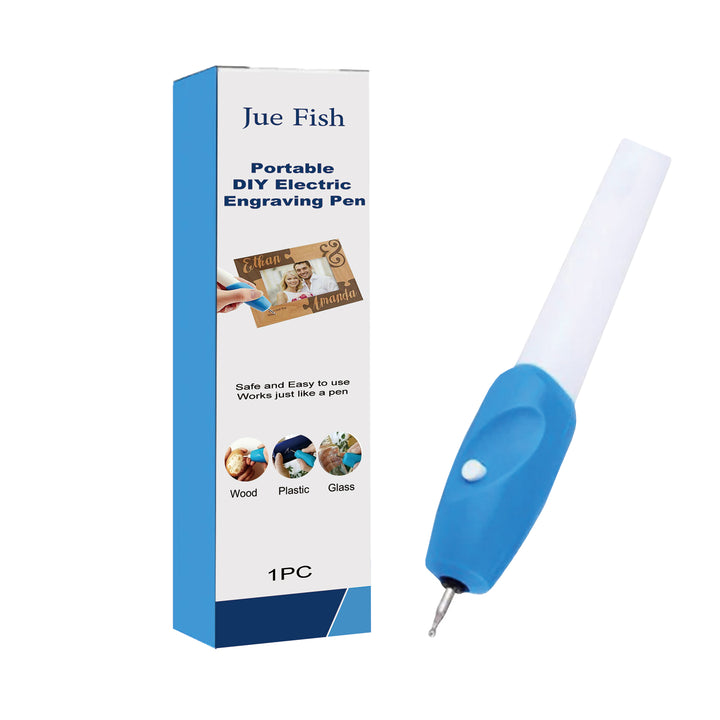
Portable Electric Engraving Pen for DIY Wood Projects


Choose the right wood paint and preparation products for furniture, crafts, trim, treated timber, and outdoor projects. This category also includes practical wood-repair, finishing, detailing, and DIY tools to help you prepare surfaces and achieve a cleaner result.
Start by identifying where the wood will be used, how much wear it receives, and whether it is bare, painted, varnished, or treated. Interior furniture and crafts usually need a smooth, easy-to-clean finish, while exterior wood paint must cope with changing weather and damp conditions. For a black or white finish, choose a coating designed for the surface rather than relying only on color. Treated wood may need cleaning, drying, and light preparation before painting. For furniture, Wood Repair Putty can fill small dents, holes, or cracks before sanding and painting. If your project involves decorative details, a Portable Electric Engraving Pen can add patterns or lettering before the final finish is applied.
Wood paint is available in many finishes and uses, including opaque colors for furniture, trim, crafts, and exterior timber. Water-based formulas are often chosen for easier cleanup and lower odor, while other formulations may be selected for their hardness, flow, or outdoor durability. Liquid wood paint is useful when you want an even, continuous coating over a larger surface, but always check that it is suitable for the intended wood and location. Wood paint colors range from white and black to decorative shades and natural-looking tones. For a glossy, polished appearance on compatible painted surfaces, Car Polish and Wax may be useful as a finishing product, but it is not a substitute for wood paint.
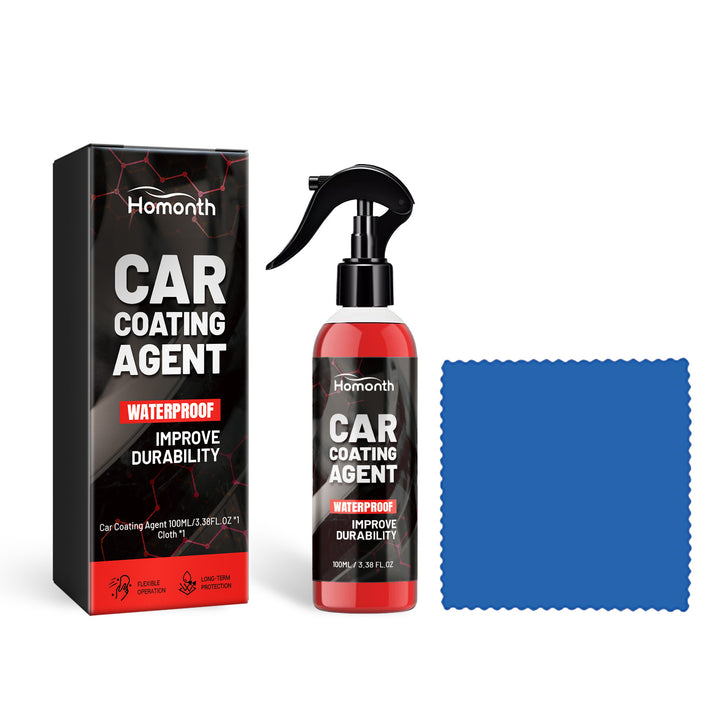
Look for clear information about surface compatibility, interior or exterior use, finish, application method, and preparation requirements. Woodwork such as doors, shelves, and furniture benefits from a coating that levels well and resists everyday handling. Exterior timber needs a product specifically labeled for outdoor wood, especially when exposed to rain or strong sunlight. Treated wood can contain preservatives or have a smooth surface that affects adhesion, so cleaning, drying, and a suitable primer may be required. Check whether the paint is intended for bare wood, previously painted wood, or both. For weather-exposed painted details, Car Paint Coating Spray may provide a protective top layer only where its instructions confirm compatibility; it should not automatically be treated as wood paint.
Prepare the surface before opening the paint. Remove dirt, grease, loose coating, and flaking material, then allow the wood to dry fully. Sand rough areas and round off sharp splinters; use Wood Repair Putty on small imperfections, let it set, and sand it smooth. Apply primer when the paint instructions call for it, particularly on bare, stained, resinous, or treated wood. Use thin, even coats and allow each coat to dry according to the product directions. For crafts, test the color and finish on a spare piece first. On decks or other large outdoor surfaces, use a coating specifically made for foot traffic and exterior timber rather than a general furniture paint.
Painting directly onto dirty, damp, glossy, or peeling wood can lead to uneven coverage and poor adhesion. Another common mistake is using interior wood paint outdoors, where weather exposure can shorten the life of the finish. Do not paint over an old deck without first checking for loose boards, failed coating, dirt, moisture, and structural damage. Heavy coats may remain soft, show brush marks, or dry unevenly, so follow the recommended application method instead. Avoid applying paint in unsuitable weather, and protect nearby surfaces from overspray or drips. Products such as Car Polish and Wax or Car Paint Coating Spray should only be used on wood when their instructions specifically allow it; automotive finishing products are not automatically suitable for every wood surface.
This category suits homeowners refreshing furniture, DIYers painting trim or treated timber, crafters decorating small wood pieces, and anyone repairing surfaces before finishing. Choose a dedicated wood paint when you need color and coverage. Add Wood Repair Putty when dents, nail holes, or shallow cracks would otherwise show through the finish. A Portable Electric Engraving Pen is useful for adding custom designs to compatible wood projects before painting. Car Polish and Wax may suit a compatible glossy painted surface when the instructions permit it, while Car Paint Coating Spray is a protective detailing product rather than a universal wood coating. Check each item’s intended use, surface compatibility, and application instructions before combining products.
Use paint labeled for wood and choose an interior or exterior formula according to where the item will be used. Furniture and crafts may need a smooth decorative finish, while outdoor timber requires a coating made for exterior exposure. Prepare the surface first and follow the paint’s instructions about primer and sanding.
The best option depends on the wood, location, desired color, and level of wear. For outdoor wood, select a product specifically rated for exterior timber; for furniture or crafts, choose a finish suited to the expected handling and appearance. Compatibility and preparation matter as much as the paint type.
Usually, direct painting is not recommended without preparation. Clean and dry the wood, remove loose coating, sand glossy or rough areas, and repair imperfections before applying paint. Bare, stained, resinous, or treated wood may also need a suitable primer.
Use a product specifically made for decks or exterior wood that can handle outdoor exposure and foot traffic. General furniture paint may not be suitable for a deck. Clean and inspect the boards, remove failed coating, allow the surface to dry, and follow the deck coating instructions.
Do not simply cover an old deck without checking its condition. Remove dirt, flaking paint, and loose material, repair damaged boards, and make sure the wood is dry before recoating. If the existing finish is failing badly, more extensive removal or preparation may be needed.
Choose an exterior wood paint or deck coating that matches the surface and the amount of exposure it receives. Look for clear guidance on weather resistance, treated wood, previous coatings, and application conditions. Proper cleaning, drying, and preparation are essential for a durable finish.