$64.90
Free delivery · 7–14 days
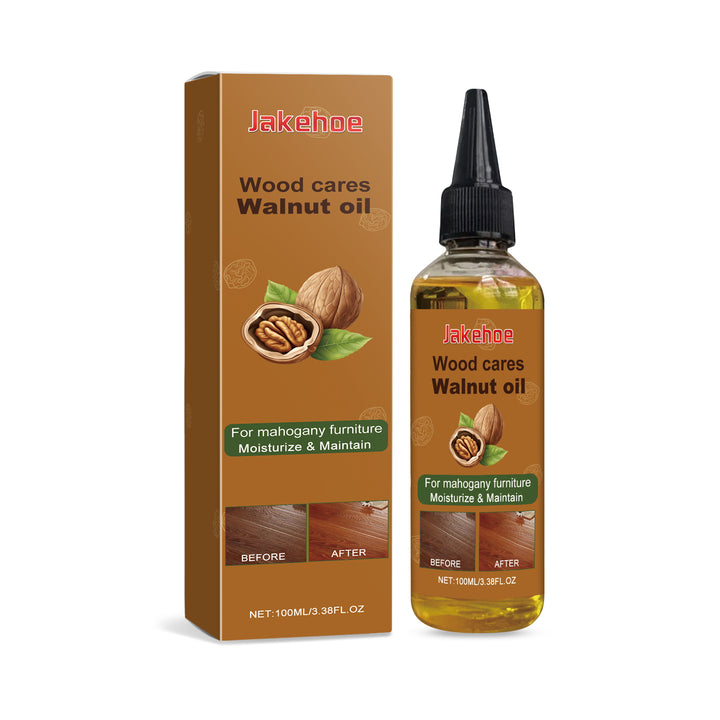
Wood Furniture Polish Oil for Natural Gloss & Care
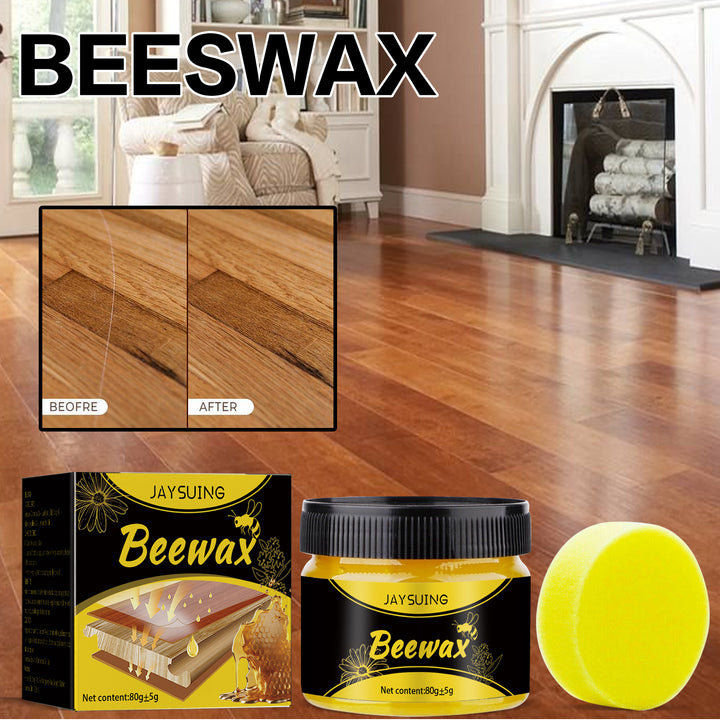

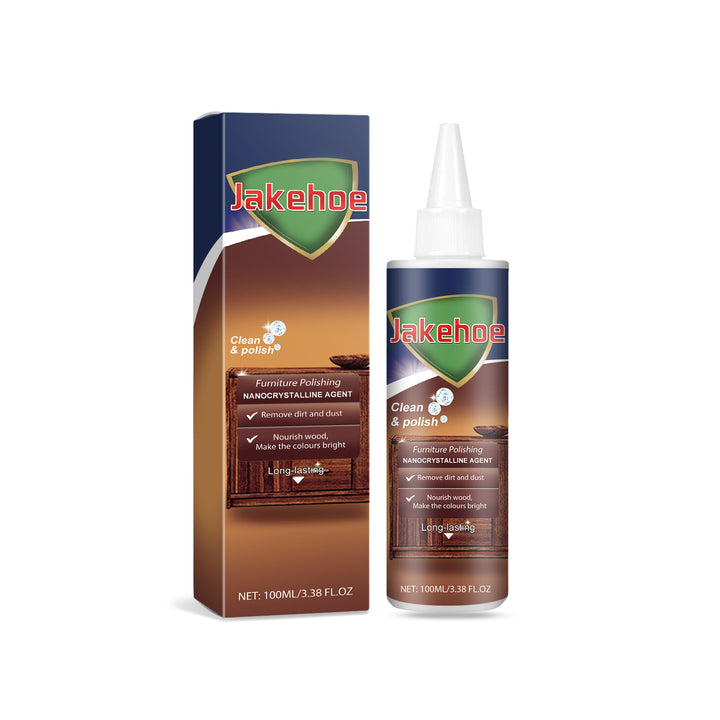
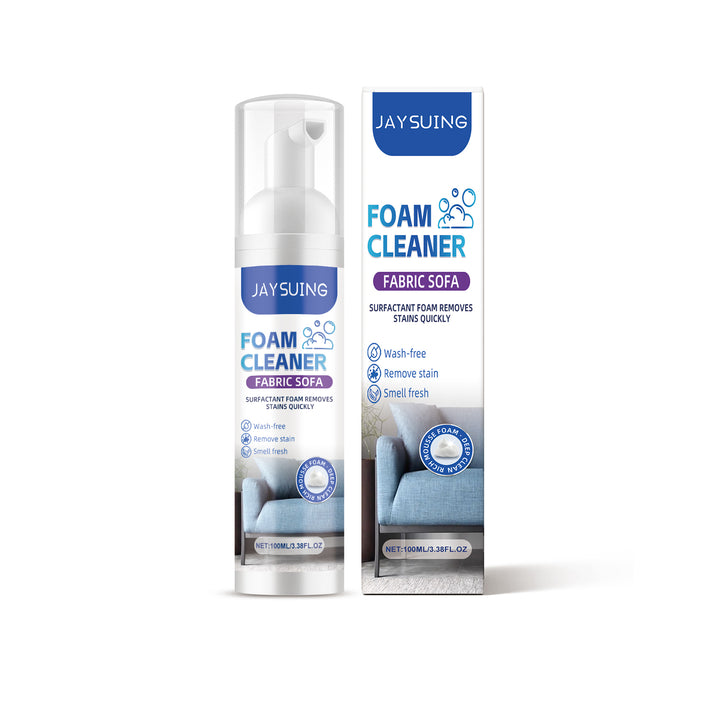
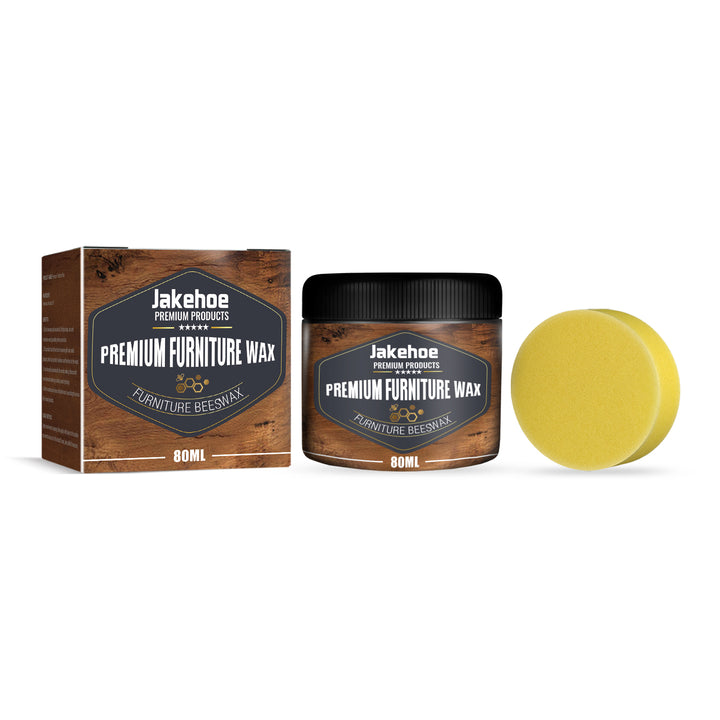
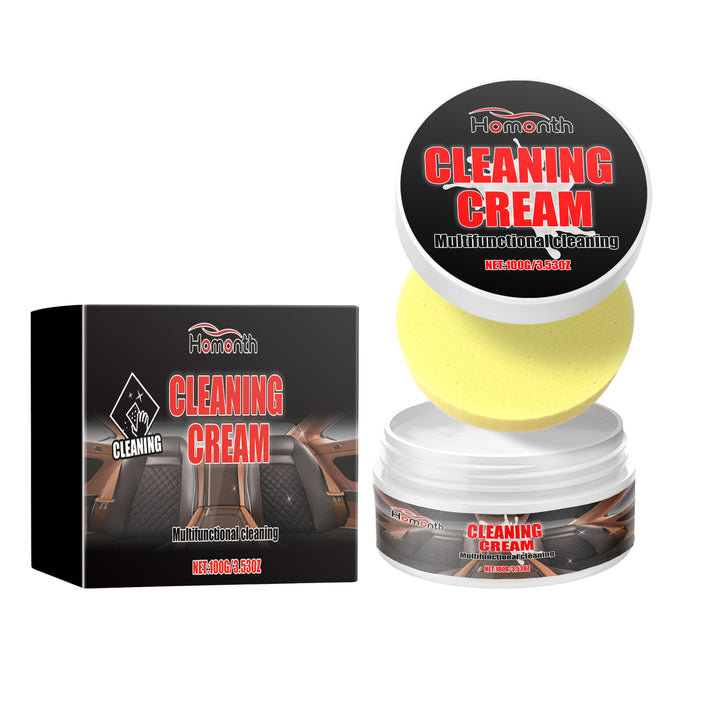
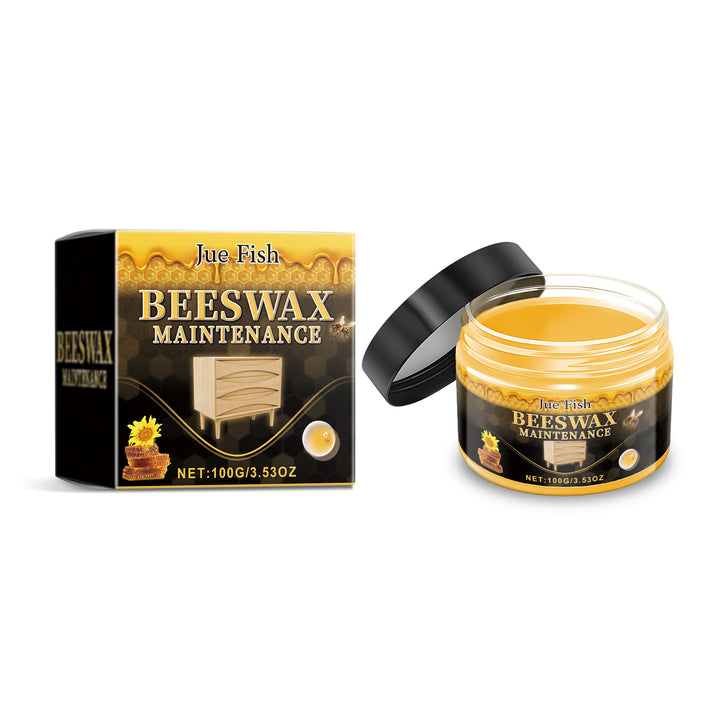
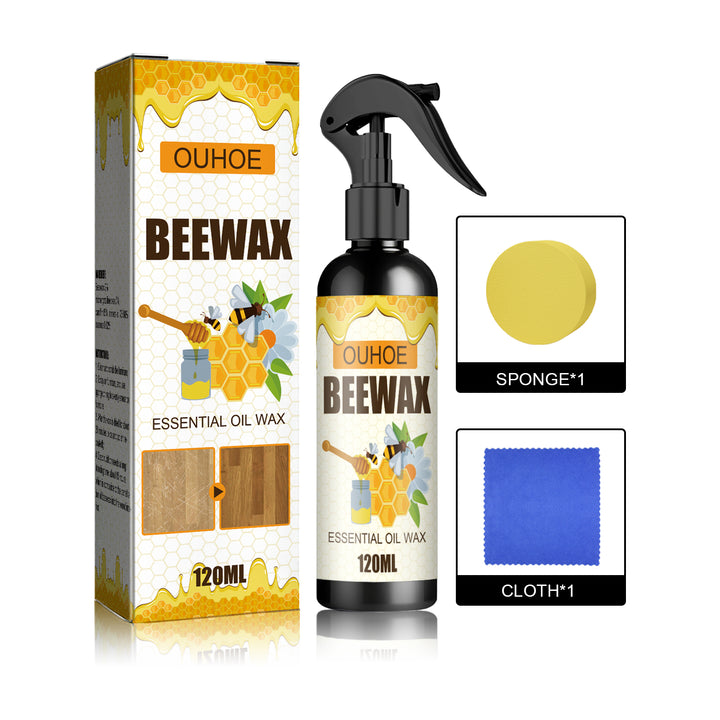
Keep wood floors, tables, cabinets, and other timber surfaces looking cared for with the right polish, wax, oil, or touch-up product. This guide compares the furniture care products in the category so you can choose a suitable finish, apply it safely, and avoid common cleaning mistakes.
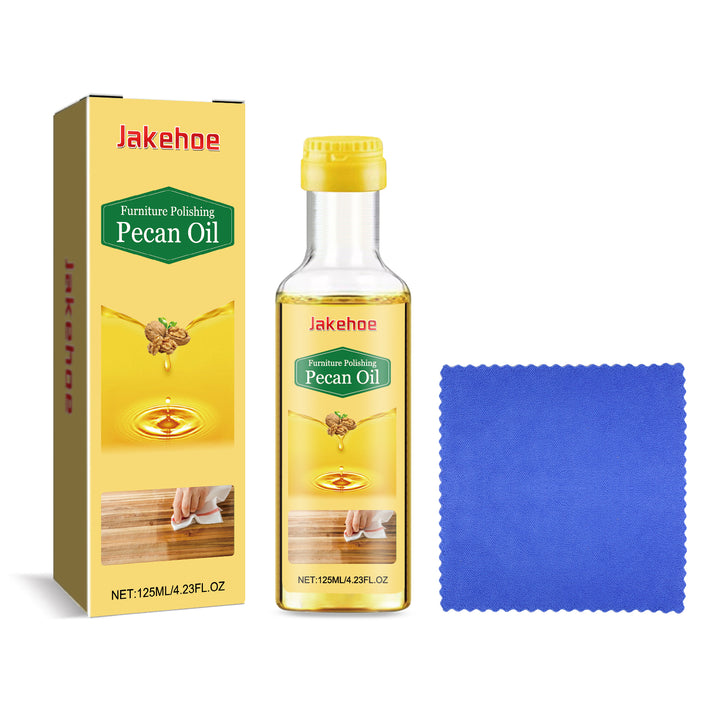
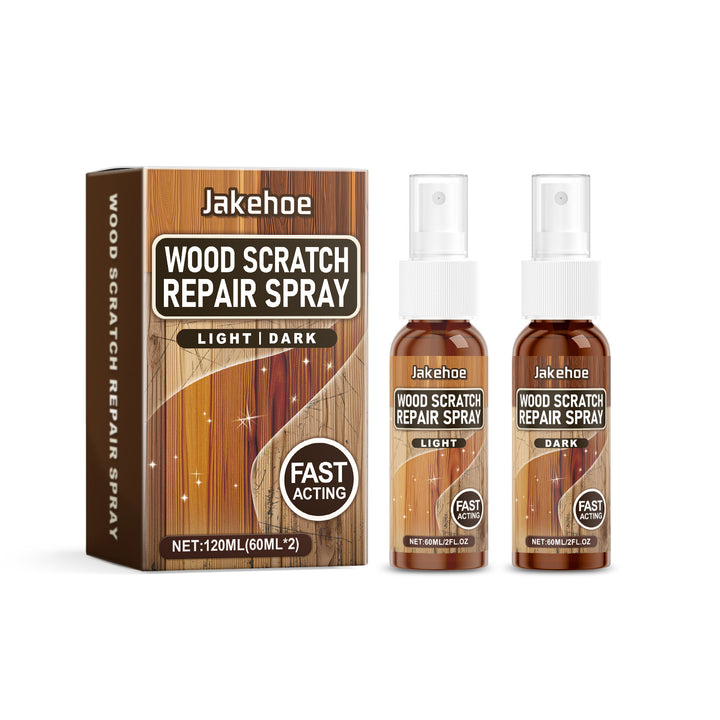
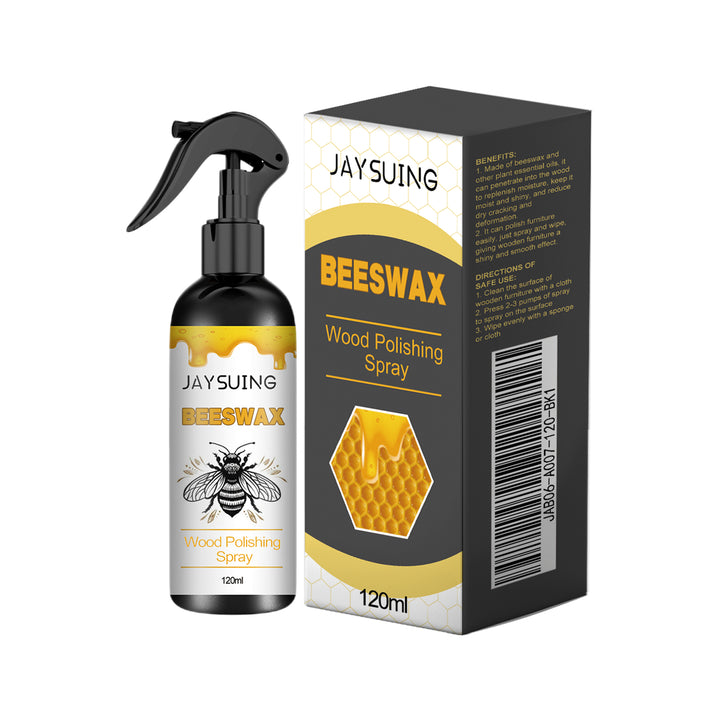
Start by identifying the surface and the result you want. For a natural-looking gloss on suitable unfinished or previously treated wood, consider Wood Furniture Polish Oil for Natural Gloss & Care. Beeswax formulas, including the non-greasy and natural-shine options, are useful when you want a wax finish for wood protection and shine. Choose a spray when you need targeted application, such as the Beeswax Wood Polish Spray for Scratches and Shine. For visible floor marks, the Wood Scratch Repair Spray Set is designed for quick touch-ups rather than full-surface polishing. Check the product instructions and test on a hidden area first. If you are comparing furniture care protection reviews, pay particular attention to surface compatibility, finish, application method, and whether the product is intended for floors, furniture, stone, or another material.
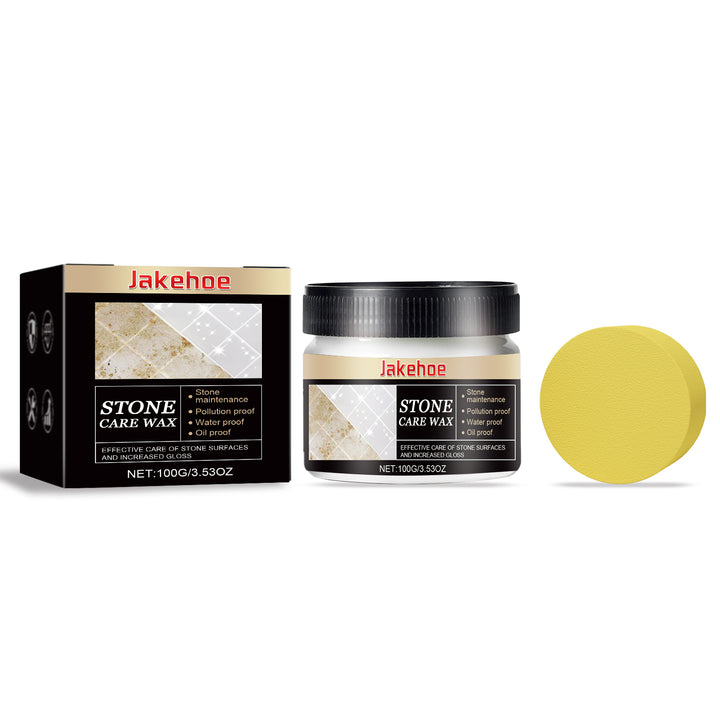
Wood polish oil is suited to shoppers seeking a liquid treatment and a natural gloss on compatible wood. Beeswax furniture polish is thicker and is designed to leave a wax-based finish, with options focused on non-greasy care, natural shine, or added protection. A beeswax spray can be more convenient for small areas, light maintenance, or scratch-focused applications because it can be directed where needed. The Wood Scratch Repair Spray Set is a practical choice for floor touch-ups, while Stone Care Wax is intended for suitable stone surfaces rather than general wood furniture. These products are not interchangeable. A floor, dining table, painted cabinet, veneer, and sealed stone surface may each require different care, so read the label before applying any furniture care protection product.
Look for clear information about the recommended surface, finish, application method, and removal or buffing instructions. If you want everyday furniture care, a polish or wax with a manageable application process may be more convenient than a product intended for intensive restoration. Consider whether you need broad coverage for a table or cabinet, a floor touch-up solution, or a spray for local marks and shine. A non-greasy beeswax option may appeal if you prefer a lighter-feeling finish, while a wax marketed for protection and shine may suit periodic treatment. Check whether the surface is sealed, varnished, painted, veneered, or unfinished before choosing. Avoid judging a furniture care protection kit by the number of items alone; make sure every included product matches the materials in your home.
Remove loose dust and grit before polishing so it does not drag across the surface. Read the specific instructions, apply a small amount to a clean cloth or as directed, and work in a thin, even layer rather than saturating the wood. Follow the recommended waiting time, then buff if the instructions call for it. For sprays, control the amount and keep application local when treating scratches or small areas. Always test an inconspicuous spot, especially on antique furniture, veneer, painted wood, previously waxed surfaces, or floors with an existing finish. Use Stone Care Wax only on compatible stone. Keep treated floors and furniture free from excess product, since residue can affect the surface feel. Good furniture care protection starts with cleaning gently and using less product than you think you need.
Do not assume that every cleaner or polish is suitable for every wood finish. Avoid applying wax or oil over dust, spills, or incompatible coatings, and do not layer several products without checking their instructions. Excess product can leave a cloudy, greasy, or uneven appearance, so thin application and careful buffing are important. Keep water exposure limited and wipe spills promptly. Avoid using abrasive pads or rough cloths that may mark a finish. Household dish soap and acidic mixtures can also be unsuitable for wood, depending on the surface and concentration; use a product specifically labelled for the material instead. Do not use a scratch-repair spray as a substitute for refinishing deep damage. When in doubt, test first or ask a furniture-care professional about valuable or delicate pieces.
This category suits homeowners maintaining wooden tables, cabinets, chairs, doors, and compatible wood floors, as well as renters handling routine surface care. Choose a broad-coverage polish or wax for regular furniture maintenance, a spray for small marks and quick shine, or the Wood Scratch Repair Spray Set for local floor touch-ups. Shoppers who want a wax finish can compare the beeswax options by texture, intended result, and application style. Stone Care Wax is better suited to shoppers caring for compatible stone surfaces and should not be selected simply because it appears beside wood products. If a sofa is leather, fabric, or another upholstery material, wood polish is not appropriate; look for a cleaner made for that upholstery type. For major scratches, peeling finishes, or high-value antiques, professional advice may be more suitable than a DIY treatment.
Dust regularly with a soft cloth, wipe spills promptly, and use a polish, oil, or beeswax product that matches the furniture's material and existing finish. Apply a small amount as directed and test it in an unseen area first. Protect furniture from excess moisture, heat, and abrasive contact.
Professional cleaning can be worthwhile for a heavily soiled sofa, delicate upholstery, persistent odours, or a piece with care instructions that require specialist handling. Wood polish products are not suitable for sofas unless the sofa includes a separate, compatible wood component. Check the upholstery label before choosing a cleaner or service.
Use gentle dusting, prompt spill removal, and a wood-care product designed for the furniture's finish. A wood polish oil can suit a natural gloss, while beeswax polish can suit shoppers seeking a wax-based shine and protection. Always follow the product directions and avoid over-application.
Dish soap may be unsuitable for some wood finishes, especially if used too often or with excess water. For routine care, use a barely damp cloth followed by a dry cloth, then choose a product labelled for the table's surface. Test any cleaner in a hidden spot and follow the furniture maker's instructions when available.
Mixing them creates a homemade cleaning solution, but that does not make it suitable for every surface. Vinegar is acidic and may affect some finishes, coatings, stone, or other materials, while excess moisture can harm wood. For furniture care, use a purpose-made product with clear surface instructions instead of relying on an untested mixture.
Suitability depends on the specific product directions and the furniture's finish. Check the label and the manufacturer's care guidance before use, and avoid leaving wood wet or applying too much cleaner. A purpose-made wood oil or beeswax polish from this category may be easier to compare when you want a defined gloss or wax finish.