Vitiligo Care for White Spots on Skin, Lips & Body5 items







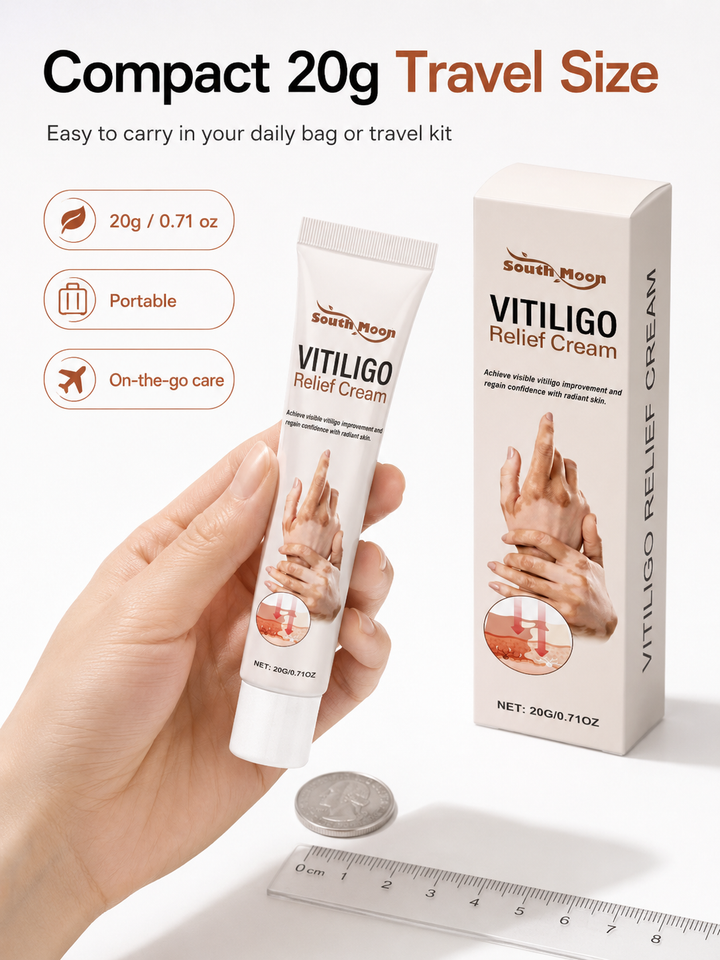
Find practical care options for white spots associated with vitiligo on the skin, lips, and body. This guide explains how to compare the products in this category, what a vitiligo-focused cream can and cannot do, and how to use supportive skincare without confusing unrelated personal-care products with vitiligo care.
How to choose vitiligo care for white spots
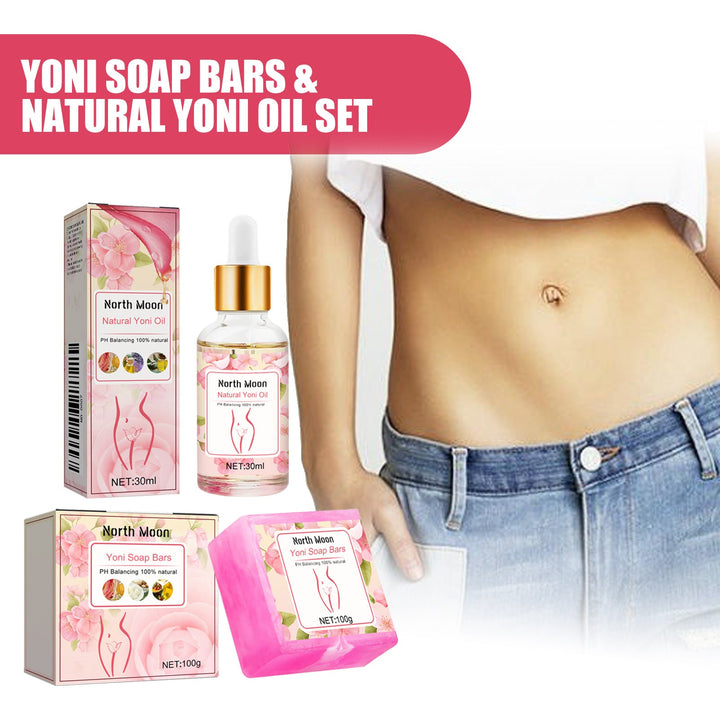
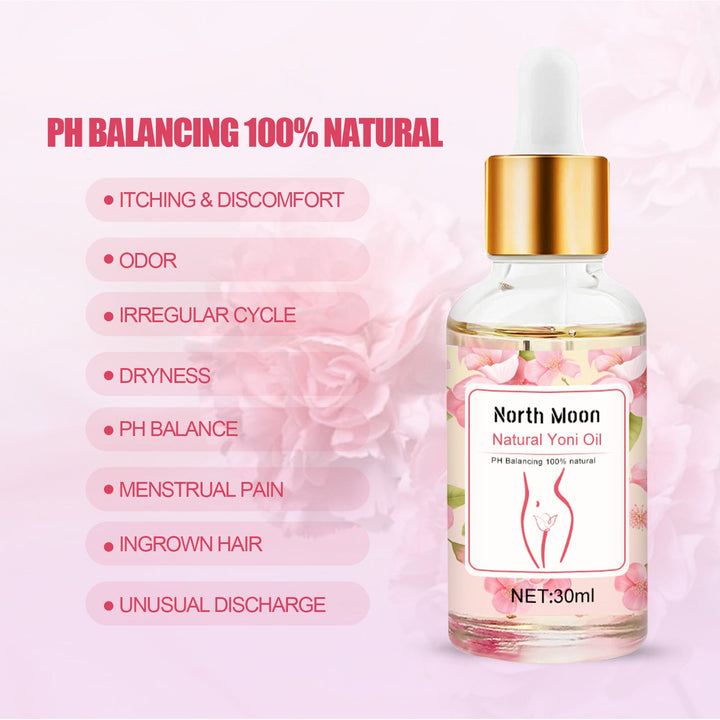
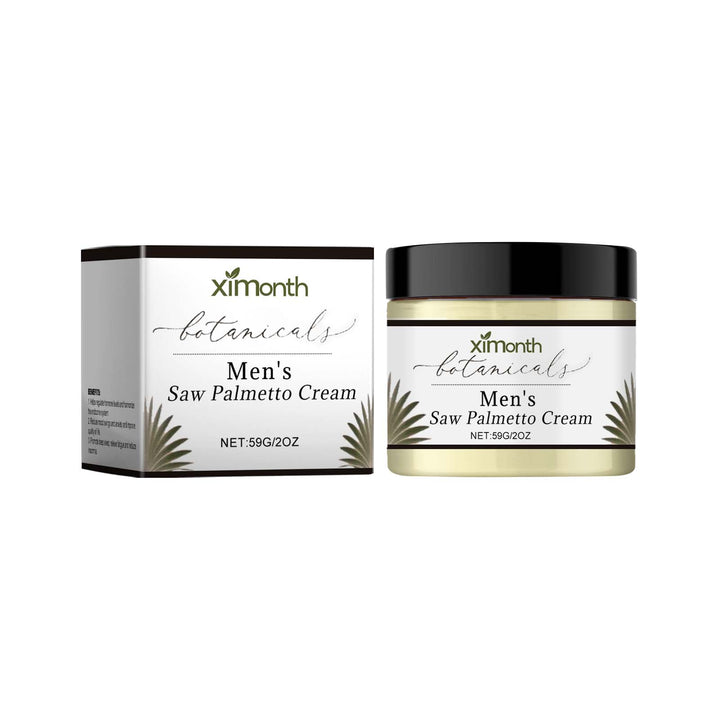
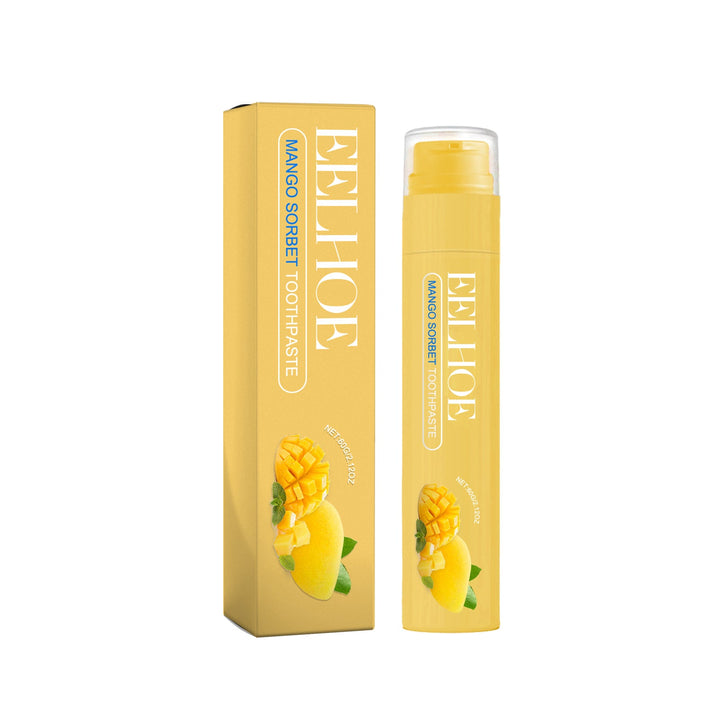
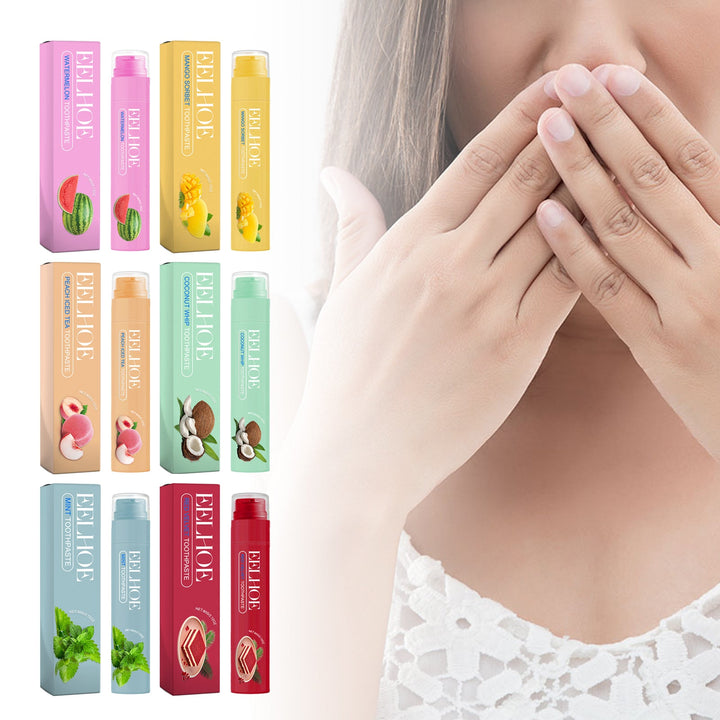
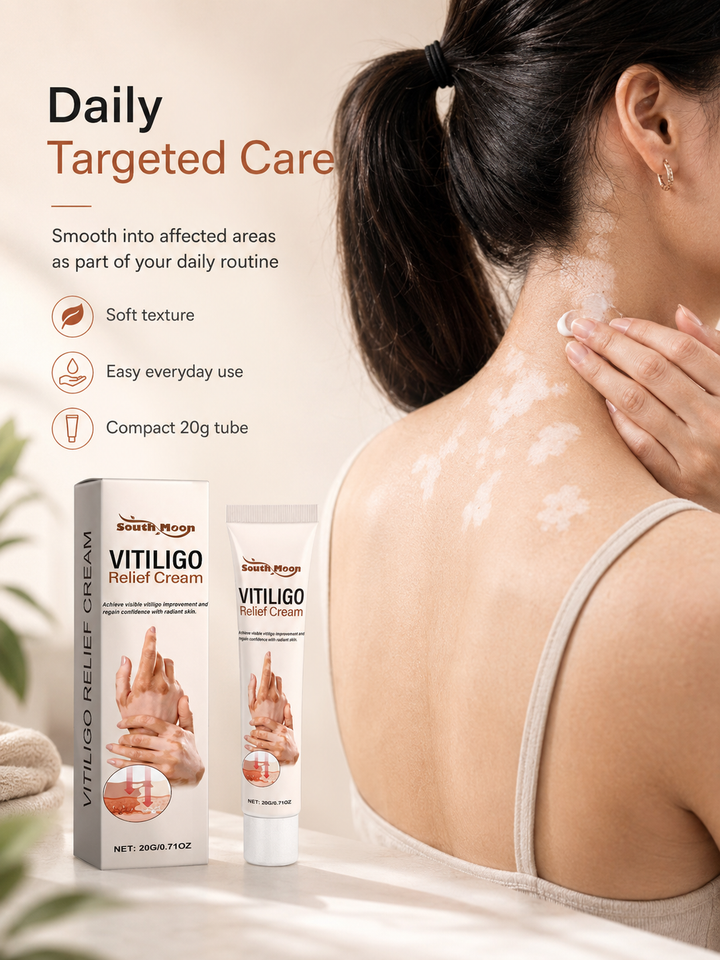
Start by checking whether the product is specifically described for vitiligo-related white spots. In this category, Vitiligo Relief Cream — Visible Improvement & Soothing is the relevant option to assess for affected body skin. The pH Balancing Yoni Oil & Soap set is intended for intimate care, while the Men’s Body Balance Cream is a general body moisturizer; neither should be assumed to treat vitiligo. The two toothpaste products are for surface tooth-stain care and are not suitable for skin or lips. Review the ingredient list, directions, and any sensitivity warnings before buying. If white patches are new, changing, spreading, painful, itchy, or affecting the lips, face, or genitals, consider getting a healthcare professional’s assessment rather than relying on a cosmetic product alone.
Vitiligo cream versus general moisturizers: what is the difference?
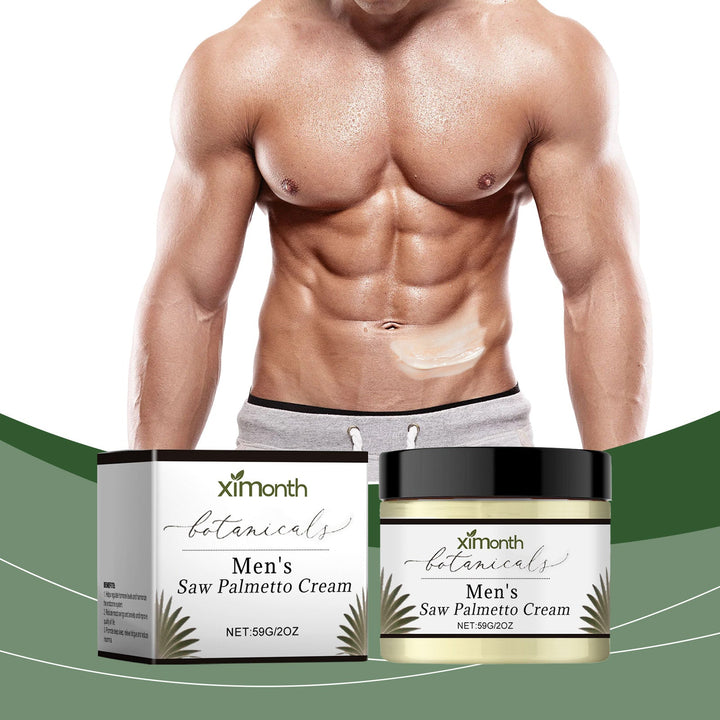
A vitiligo-focused cream is selected because its product purpose matches white spots associated with vitiligo. A general moisturizer may help skin feel more comfortable or less dry, but that is different from changing pigment. The Men’s Body Balance Cream — Saw Palmetto Soothing Moisturizer can be considered only for ordinary body moisturising if its directions suit your skin; it is not a substitute for vitiligo care. The pH Balancing Yoni Oil & Soap set has a specific intimate-care purpose and should not be applied broadly to affected areas unless the label expressly allows it. Toothpastes belong on teeth, not skin. Compare products by intended use, application area, texture, and fragrance or ingredient preferences instead of choosing based on words such as “brightening” or “soothing” alone.
What to look for in a white-spot care cream
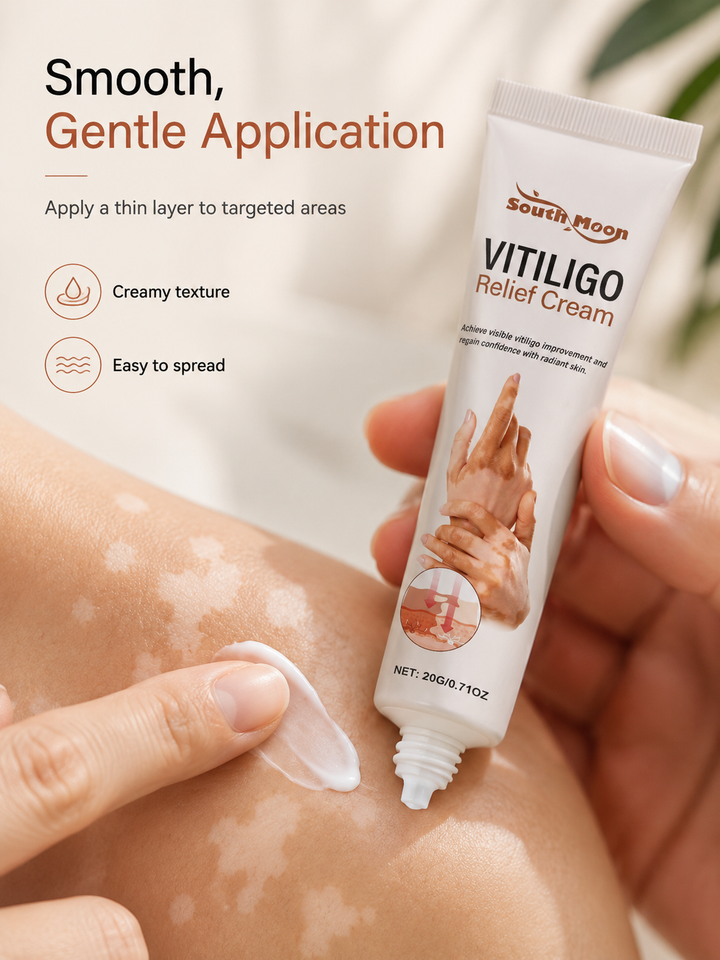
Look for clear labeling that identifies the product as intended for vitiligo-related skin concerns and states where it may be used. A useful listing should provide application directions, ingredient information, storage guidance, and warnings about external use or avoiding the eyes. A cream with a comfortable texture may make regular application easier, especially when white spots appear on several body areas. Do not treat “natural,” “brightening,” or “visible improvement” wording as proof that pigment will return. For lips, use only a product explicitly labeled for lip use; ordinary body creams may not be appropriate for the mouth area. Patch testing a small area can help you notice irritation, but it does not confirm that a product will suit every affected patch.
How to use vitiligo care on white spots
Follow the product label rather than applying extra cream or using it more often in the hope of faster results. Apply only to clean, dry skin and use the amount directed. Keep products away from the eyes and do not put a body cream inside the mouth. For lips or areas near the mouth, choose a product whose directions specifically permit that use. Wash your hands before and after application, and stop if you notice marked burning, swelling, rash, or worsening discomfort. Take note of how the skin looks and feels over time instead of judging after one application. Daily sun protection and clothing that covers sensitive areas can reduce discomfort from sun exposure, but they do not replace professional advice or guarantee repigmentation.
Common mistakes when treating white pigment spots
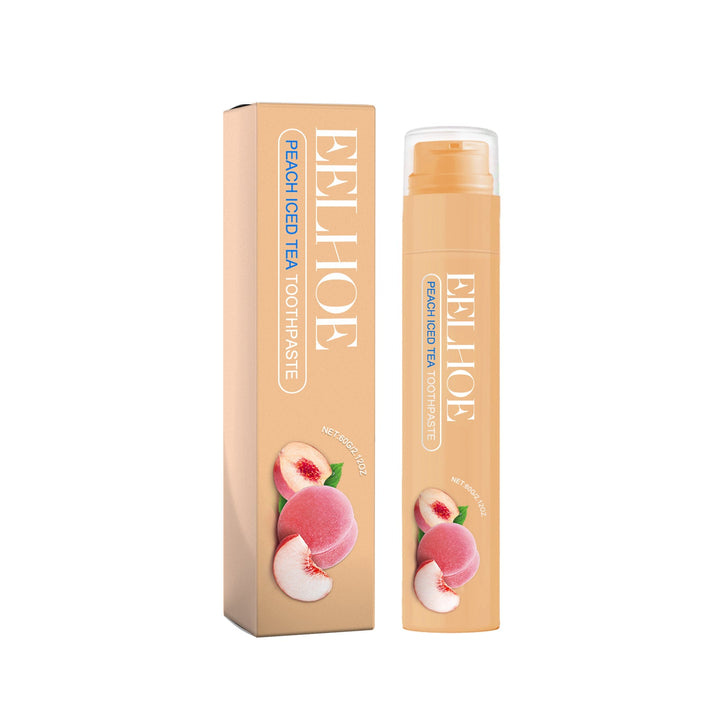
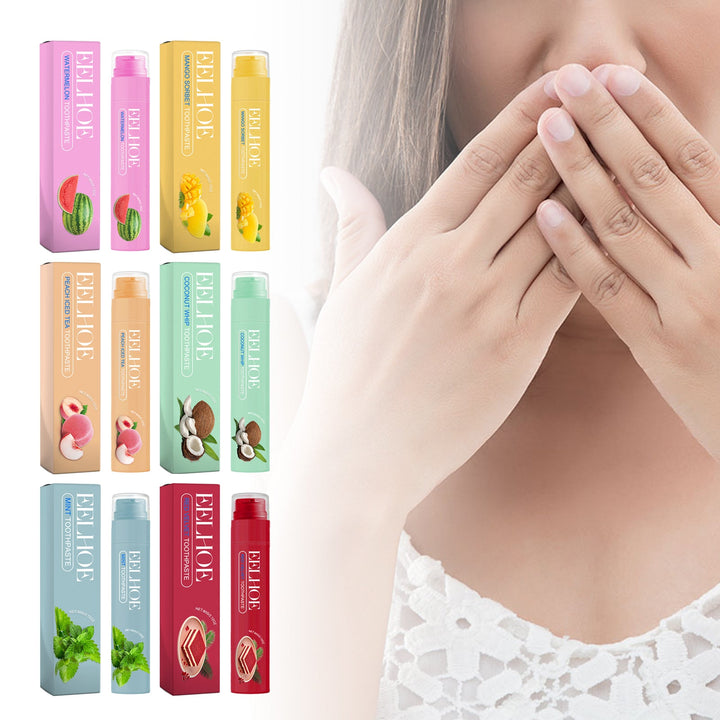
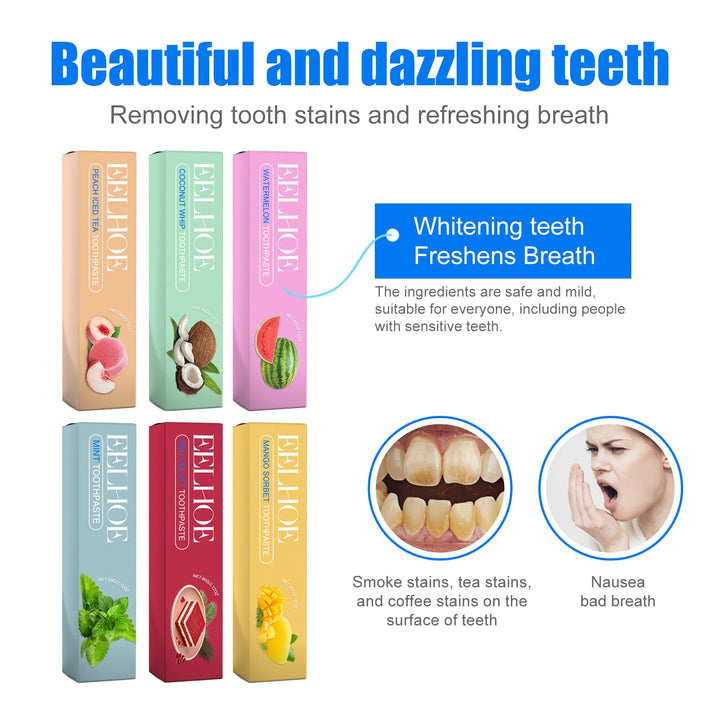
One common mistake is using a whitening toothpaste, intimate oil, or soap on skin because the product name sounds relevant to white spots. Fruity White Toothpaste — Remove Stains & Brighten and Fruit Whitening Toothpaste — Gentle Stain Removal & Fresh are oral-care products, not vitiligo treatments. Another mistake is scrubbing, bleaching, or layering several new products on the same patch, which can irritate skin and make changes harder to assess. Avoid promising yourself that a cream will “get rid of” vitiligo or restore every patch to its previous color. Do not stop prescribed treatment without discussing it with your clinician. If patches spread quickly, the diagnosis is uncertain, or symptoms appear beyond color change, seek individual medical guidance.
Who is vitiligo white-spot care suitable for?
This category is most suitable for adults looking for a vitiligo-focused topical product or gentle supportive skincare, provided the product’s directions match the intended body area. Vitiligo Relief Cream — Visible Improvement & Soothing is the product to review for that specific purpose. People with sensitive skin, allergies, broken skin, a history of reactions, or concerns about using products on the face or lips should check the label carefully and ask a healthcare professional before use. Children, pregnant or breastfeeding people, and anyone using prescription creams should obtain product-specific advice rather than relying on general category guidance. The remaining products serve different needs: intimate cleansing and oil care, general body moisturising, or tooth cleaning. Choosing by body area helps prevent unsuitable application.
Frequently asked questions
Can white spots turn back to normal?
White spots associated with vitiligo may change over time, but the outcome varies from person to person and cannot be guaranteed by an over-the-counter cream. A healthcare professional can help confirm the cause and discuss suitable treatment options. Seek advice if the spots are new, changing, or spreading.
How do I get rid of white pigment spots?
There is no single guaranteed way to remove white pigment spots because different skin conditions can look similar. Use only products intended for the affected area, avoid harsh scrubbing or bleaching, and consider a professional assessment before starting treatment. A vitiligo-focused cream may provide supportive care, but its results should not be assumed.
What is the best cream for treating white spots caused by vitiligo?
The best choice depends on the confirmed cause, location, skin sensitivity, and the directions on the product. In this category, Vitiligo Relief Cream — Visible Improvement & Soothing is the product specifically presented for vitiligo-related white spots. Review its ingredients and usage instructions, and ask a healthcare professional about persistent, spreading, or sensitive-area patches.
How can I treat vitiligo spots naturally?
Natural ingredients do not automatically mean a product can restore pigment or stop vitiligo from spreading. Use gentle, clearly labeled skincare, avoid irritating home remedies, and protect affected skin from excessive sun exposure. Discuss supplements or natural treatments with a qualified professional before using them.
What triggers vitiligo to spread?
Vitiligo activity can vary, and an individual trigger is not always clear. Skin irritation or injury may be relevant for some people, so avoid aggressive scrubbing, scratching, and untested products. A dermatologist or other qualified clinician can assess changes and explain possible factors in your case.
Which vitamins help with vitiligo?
There is no vitamin that can be recommended as a guaranteed treatment for vitiligo. Supplements may be unsuitable or interact with medicines, so ask a healthcare professional about testing, diet, and safe dosing before taking them. Do not replace prescribed care with vitamins or topical products without professional advice.