UV Toothbrush Sanitizer & Sterilizer: Kill 99% Germs
5 items

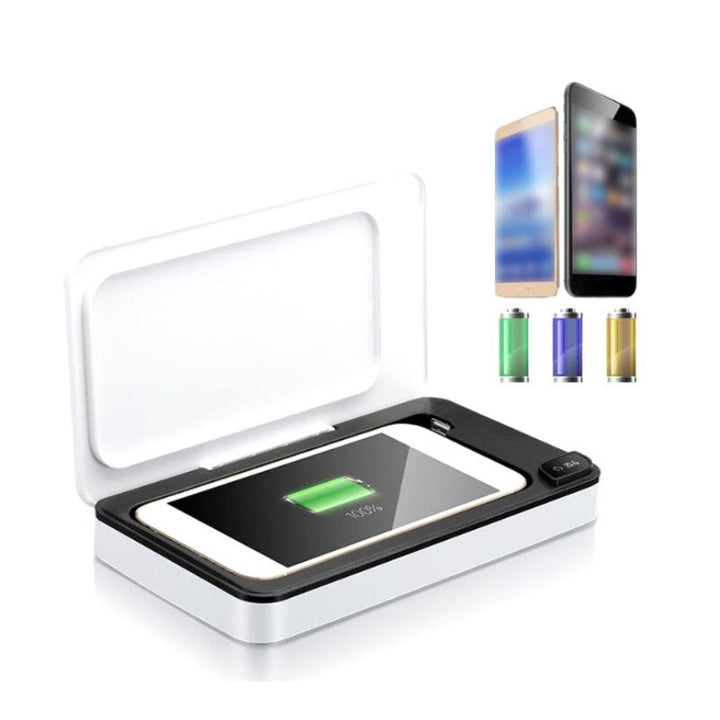
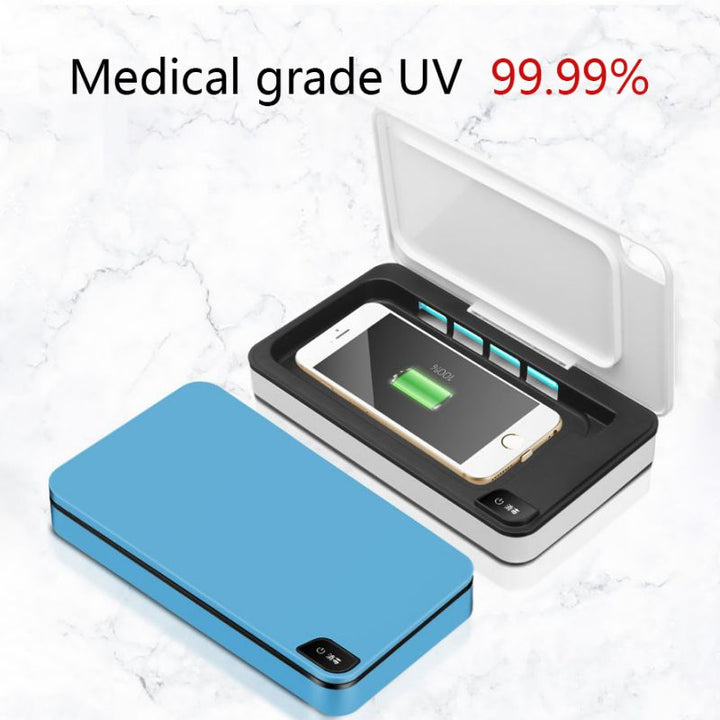


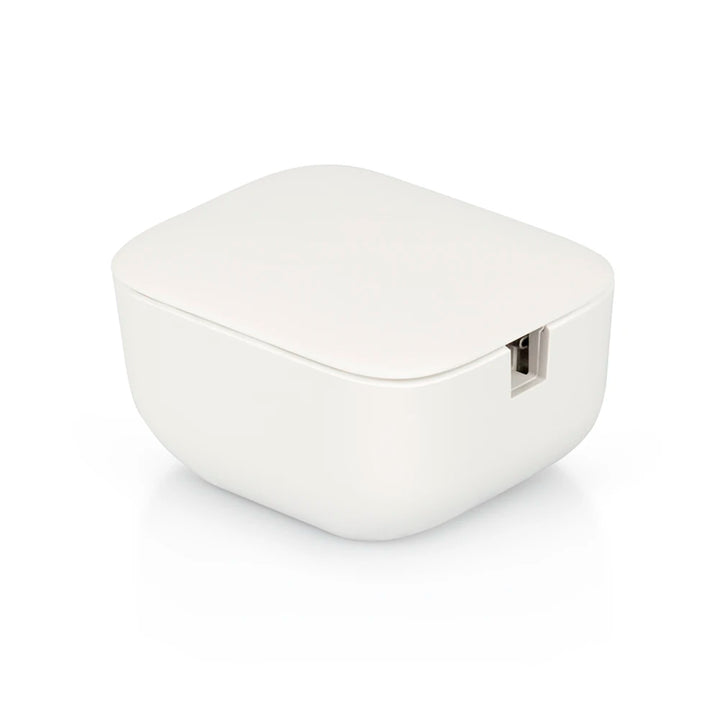
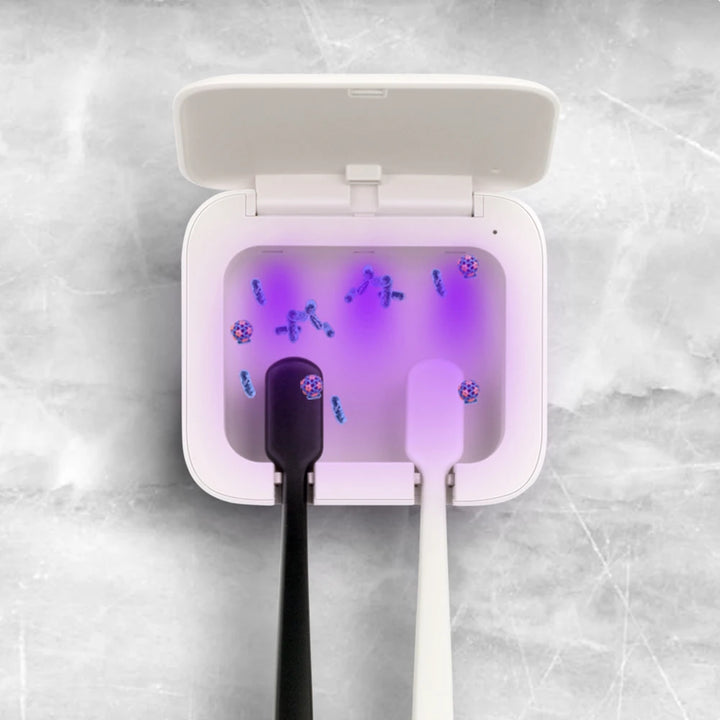
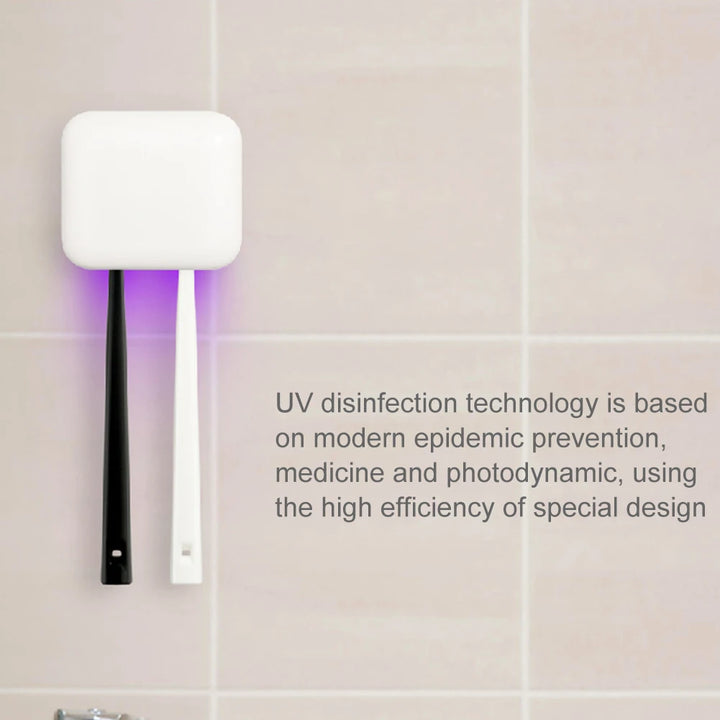

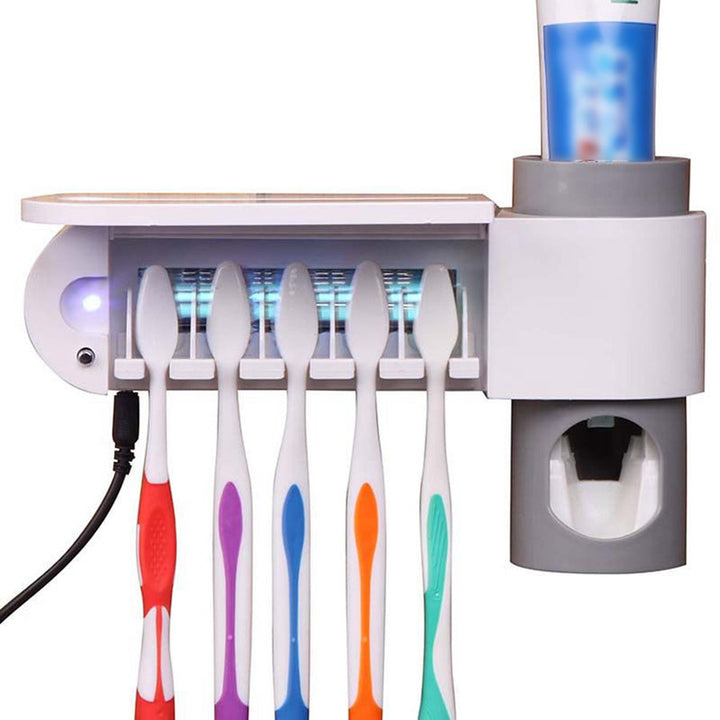
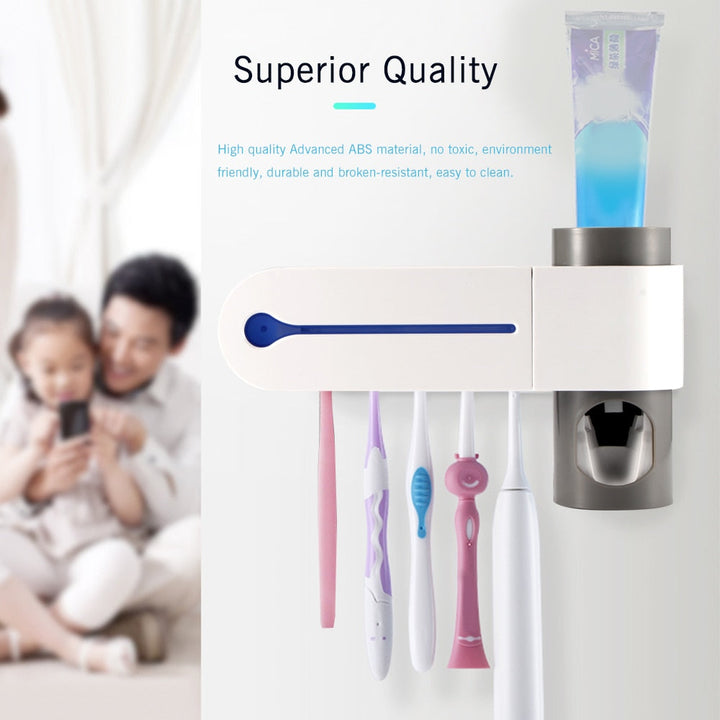

A toothbrush sterilizer or UV toothbrush sanitizer holder can keep your brush enclosed between uses while adding features such as UV treatment, drying, storage, or toothpaste dispensing. Compare the device type, brush capacity, charging method, cycle controls, and cleaning requirements before choosing one for your bathroom or travel kit.
How to choose the best toothbrush sterilizer
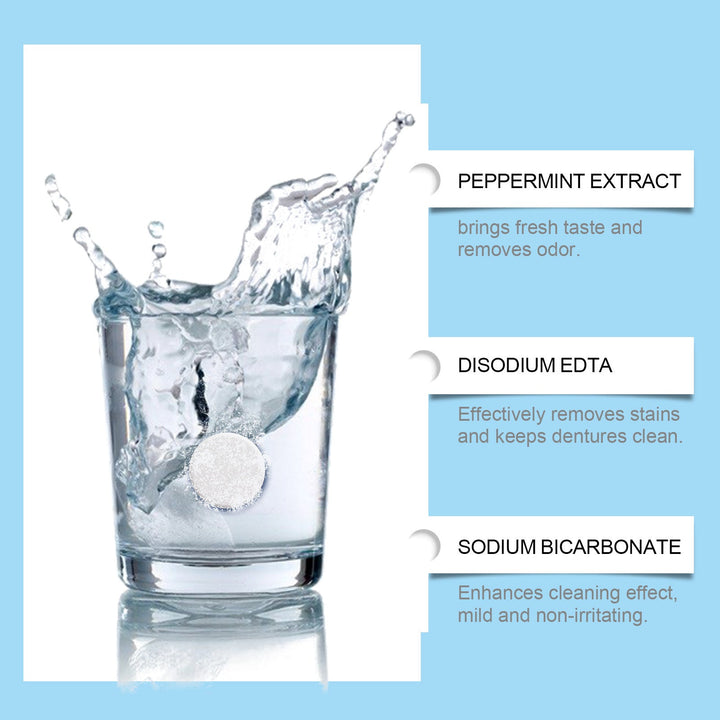
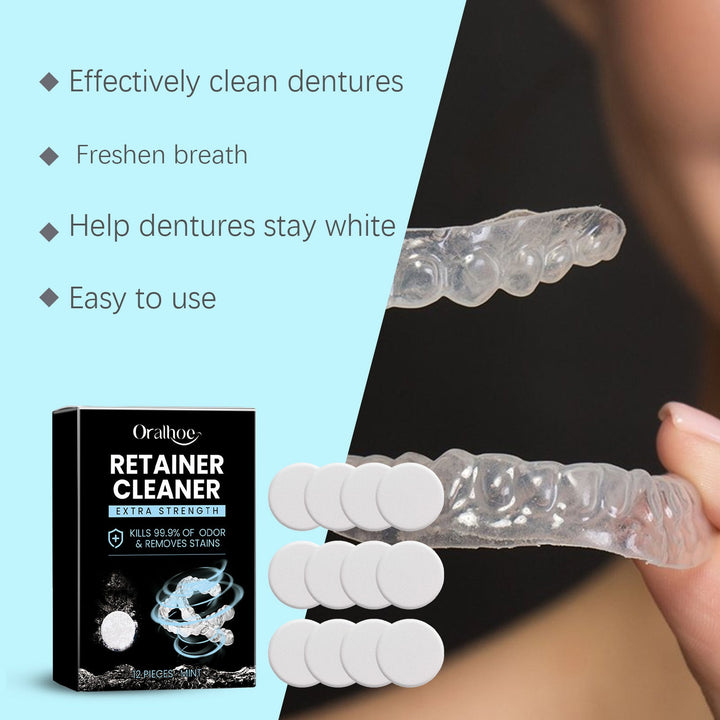
Start by deciding whether you need a wall-mounted toothbrush sanitizer holder, a countertop unit, or a UV toothbrush sanitizer travel case. Check how many brush heads it accepts and whether it fits electric toothbrush heads, manual brushes, or both. A dispenser model may reduce countertop clutter, while a compact case is easier to pack. Review the stated cycle time, automatic shutoff, charging method, and whether the UV chamber must be closed before operation. If you want a broader cleaning device, a retainer and denture cleaner is designed for removable dental appliances rather than ordinary brush storage. Also consider ventilation, removable trays, and access for wiping away toothpaste residue.
Toothbrush sterilizer types compared
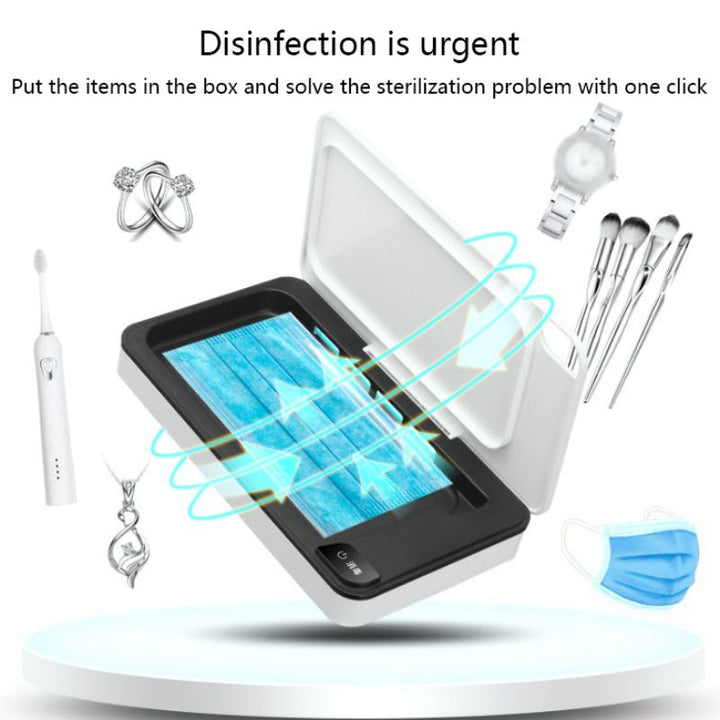
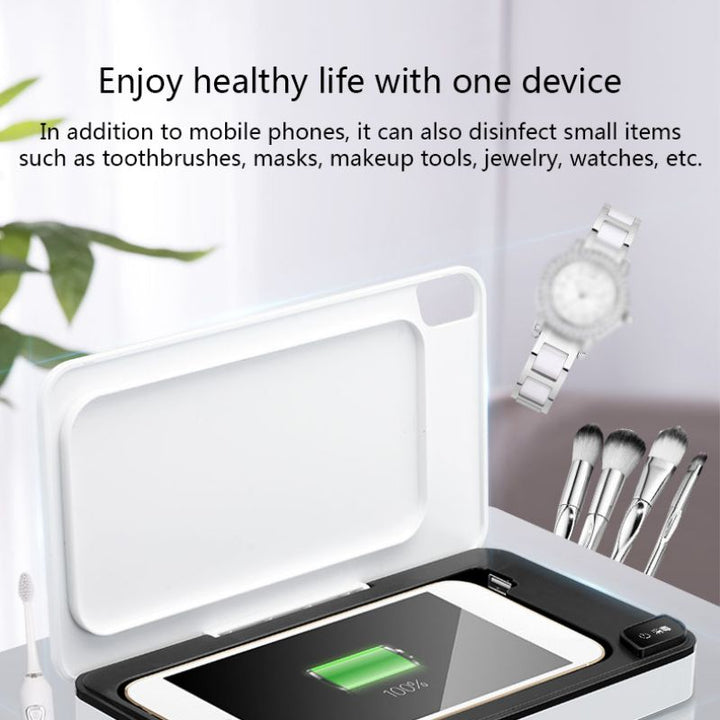
UV toothbrush sanitizer holders are designed to treat brush heads inside an enclosed chamber and store them afterward. UV toothbrush sterilizer and dispenser models combine this function with toothpaste dispensing, making them useful where several people share limited sink space. A UV toothbrush sanitizer travel case prioritizes portability and may hold one brush, but it generally offers less storage capacity than a wall-mounted holder. Retainer and denture cleaners are intended for removable appliances and may use a separate cleaning method. UV phone sanitizers are not toothbrush holders, even when they include charging. CPAP UV-ozone sanitizers are specialized equipment and should not be substituted for a toothbrush device.
What to look for in a UV toothbrush sanitizer holder
Look for an enclosed chamber that fits your brush head without blocking the light, plus a clear cycle indicator and automatic shutoff. A secure door or cover helps keep the brush protected between cycles. For shared bathrooms, count the individual slots and check whether the design separates brush heads rather than letting them touch. A removable holder or drip tray makes routine cleaning easier. If you prefer fewer cords, compare USB charging with mains power and check whether the unit can be mounted or used on a counter. Product listings may state claims such as 99% or 99.9% germ reduction; treat these as model-specific claims and follow the supplied instructions rather than assuming every UV toothbrush sanitizer has identical effectiveness.
How to use a toothbrush sterilizer correctly
Rinse the toothbrush thoroughly, shake off excess water, and place it in the holder with the bristles positioned as the instructions show. Do not operate an enclosed UV chamber with the door open, and do not obstruct the light source with extra items. Complete the device’s full cycle, then leave the brush stored as directed. Wipe the holder, dispenser nozzle, and drip area regularly because UV treatment does not remove toothpaste, saliva, or visible residue. Replace the brush according to your usual dental-care guidance, even if it is stored in a UV toothbrush sanitizer holder. For travel cases, let the brush drain before closing it when the product instructions allow, and recharge the case as needed.
Common toothbrush sanitizer mistakes to avoid
One common mistake is placing a wet brush into a sealed case without checking whether the design supports drying or ventilation. Another is overcrowding the chamber, which can shade brush heads from the UV source or cause bristles to touch. Avoid storing toothpaste, floss, retainers, or unrelated objects in a toothbrush sterilizer unless the manual specifically permits it. Do not assume a phone sanitizer, retainer cleaner, or CPAP sanitizer can safely perform the same job as a toothbrush device. Keep reflective surfaces and the UV window clean, inspect cords and seals, and follow the stated cycle and cleaning instructions. A sanitizer is an accessory for brush storage and treatment, not a replacement for rinsing or regular brush replacement.
Who should buy a toothbrush sanitizer?
A toothbrush sterilizer may suit households that want individual brush storage, people who prefer an enclosed holder, or travelers seeking a dedicated UV toothbrush sanitizer travel case. A dispenser model is practical when toothpaste and brush storage need to share one compact area. Choose a retainer and denture cleaner if your main need is cleaning removable dental appliances rather than brush heads. A UV phone sanitizer is a better match for phones and small everyday items, while a CPAP sanitizer is intended for CPAP equipment. Shoppers comparing the best toothbrush sanitizer holder should focus on capacity, fit, cleaning access, power, and operating instructions instead of choosing solely from a “kills 99%” headline.
Frequently asked questions
Do toothbrush sterilizers really work?
UV toothbrush sterilizers can expose brush heads to UV light during a defined cycle, and individual products may state germ-reduction claims such as 99% or 99.9%. Results depend on correct placement, a clean UV window, cycle completion, and whether the light reaches the brush surface. They should not be treated as a substitute for rinsing, drying, or replacing a worn toothbrush.
Do dentists recommend toothbrush sanitizers?
Recommendations can vary, and a sanitizer is not essential for everyone. The practical basics are rinsing the brush, storing it so it can air-dry, avoiding shared brushes, and replacing it as needed. A toothbrush sanitizer may be useful if you specifically want enclosed storage or an added treatment cycle.
Do you really need to sanitize your toothbrush?
Most shoppers primarily need a clean, well-rinsed brush that is stored upright and allowed to dry. A toothbrush sterilizer is an optional convenience for enclosed storage or added UV treatment, rather than a universal requirement. Choose one if its capacity, cycle, and cleaning routine fit your preferences.
What is the best toothbrush sterilizer?
The best model depends on how many brushes you store, whether you need toothpaste dispensing, and whether the unit stays at home or travels. Compare brush-head compatibility, chamber size, cycle controls, charging, mounting, and ease of cleaning. For removable dental appliances, choose a retainer and denture cleaner instead of a standard toothbrush holder.
What's the best way to sterilize your toothbrush?
Rinse the brush thoroughly, remove excess water, and store it upright or in a device designed for brush storage. If you use a UV toothbrush sanitizer, follow its placement, door, cycle, and cleaning instructions exactly. Avoid household chemicals or unapproved heat methods that could damage the bristles or handle.
Do UV lights really sanitize toothbrushes?
UV light can treat exposed surfaces during a device’s programmed cycle, but coverage depends on the brush position, chamber design, and cleanliness of the light source. A closed UV toothbrush sanitizer is designed to control the treatment area more consistently than an open light. Check the product instructions and stated performance claims, and do not look directly at an operating UV light.