
$64.90
Free delivery · 7–14 days
Aloe Vera Exfoliating Scrub for Acne Marks & Dull Skin


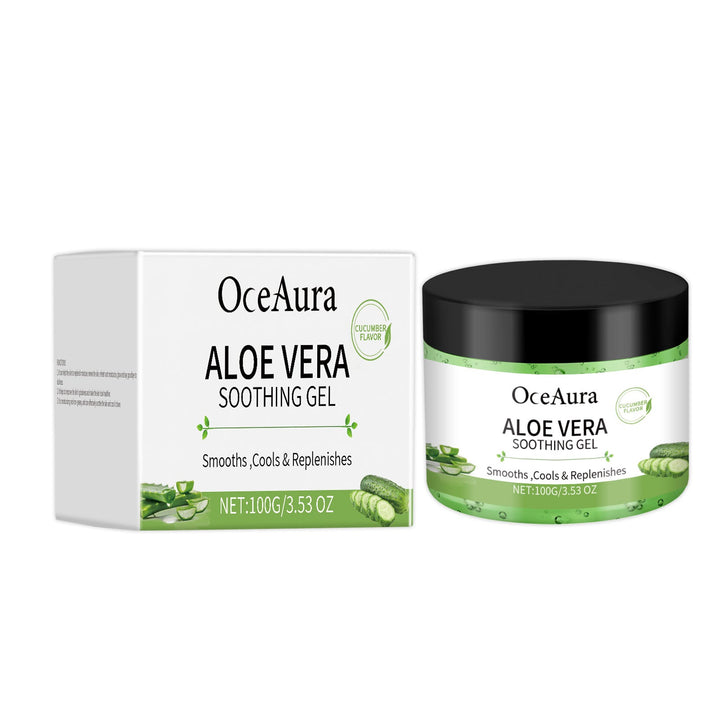


Aloe vera gels and after-sun products can help cool, hydrate, and comfort skin after time in the sun, while selected formulas support cleansing or a more even-looking tan. Choose based on whether you need immediate soothing, lightweight daily hydration, gentle exfoliation, or post-tan care rather than expecting a product to make tanning risk-free.
Start with your main skin concern. For skin that feels hot, tight, or dry after sun exposure, choose the Aloe Vera Moisturizing Gel for Cooling Skin Relief or the Aloe Vera Soothing Essence 78% - Calms Redness Fast. If your skin also feels oily, the Aloe Vera Toner for Redness-Prone Oily Skin may suit a lighter routine. For overall dryness, Vitamin C Aloe Vera Gel for Radiant, Hydrated Skin offers a moisturizing option. Use the After-Sun Tanning Gel for a Darker, Even-Looking Tan when your priority is post-tan appearance, not immediate cooling alone. None of these products replaces shade, protective clothing, or sunscreen.
The products in this category serve different steps of a tanning sun routine. Moisturizing Gel and Soothing Essence are focused on cooling and hydration after exposure. After-Sun Tanning Gel is designed for a darker, more even-looking tan, while Vitamin C Aloe Vera Gel supports a radiant, hydrated appearance. The Exfoliating Scrub can help lift surface buildup and dull-feeling skin, but use it gently and avoid applying it to skin that feels irritated after sun exposure. Blackhead Gel and Toner are better matched to pore or oily-skin routines than to fresh sunburn discomfort. Body Wash can cleanse without making your routine complicated.
Look for a texture you will use consistently, whether that is a fast-absorbing gel, a richer moisturizing formula, or a rinse-off body wash. Aloe vera is useful in this category for a cooling, hydrated skin feel, but the product should match the area and timing: body wash for cleansing, toner for a light facial step, and gel or essence for leave-on care. If you are comparing tanning sun lotion with an after-sun gel, remember that they have different roles. Sunscreen helps protect exposed skin during outdoor time; an after-sun product is used afterward and does not replace sunscreen. Check the full ingredient list if your skin is sensitive.
Move out of direct sun, let your skin cool, and cleanse gently if needed with the Oceaura Body Wash - Hydrating Aloe Vera Shower Gel. Pat dry rather than rubbing, then apply a thin, even layer of Aloe Vera Moisturizing Gel or Aloe Vera Soothing Essence 78% - Calms Redness Fast. Reapply when the skin feels dry, following the product directions. Avoid exfoliating scrub on skin that is tender, peeling, or visibly irritated, and do not combine several active-feeling products at once. For facial routines, use toner before a leave-on gel or essence. Stop using any product that stings persistently, and seek professional advice for severe or worsening sun damage.
A common mistake is treating redness as a sign that tanning is working. Sun exposure can damage skin even when sunscreen is used, so sunscreen, shade, clothing, and sensible exposure matter more than trying to tan quickly. Do not use an exfoliating scrub on freshly sun-exposed, uncomfortable skin, and do not assume that wet skin tans safely or evenly. Applying a darker-tan product does not make outdoor exposure safer. Avoid layering toner, scrub, blackhead gel, vitamin C gel, and after-sun products all at once; choose the product that matches your immediate need. Patch test new leave-on products and follow their directions.
These products suit shoppers who want a simple way to cool and moisturize skin after outdoor exposure or maintain a smoother, more even-looking appearance. Moisturizing Gel and Soothing Essence are practical choices for dry-feeling or redness-prone skin, while Toner and Blackhead Gel fit shoppers focused on oily skin and the look of pores. Exfoliating Scrub is intended for dull-feeling skin and acne marks, but it is not a first choice for freshly sun-exposed skin. After-Sun Tanning Gel suits shoppers seeking a darker, even-looking tan effect. If you are asking whether tanning is good or whether tanning is permanent, remember that product results and natural tanning vary and are not a substitute for sun protection.
It may cause a visible change for some people, but the result depends on factors such as skin type, location, time of day, cloud cover, and UV intensity. Thirty minutes can also be enough to cause sun damage, so do not use a set time as a safe tanning target.
There is no reliable time that applies to everyone. Skin may darken at different rates, and redness can appear before a tan is noticeable. Use sunscreen as directed, seek shade, and avoid extending exposure to tan faster.
A tan is a response to UV exposure, not a sign that sun exposure is beneficial for your skin. Outdoor time can be enjoyed with protection, but deliberately tanning increases exposure to UV and can contribute to visible skin damage.
There is no risk-free way to tan quickly in the sun. Tanning lotions and after-sun gels may affect how skin looks or feels, but they do not make UV exposure safe. Use protective measures instead of increasing exposure time.
This varies by person and by how much each area is exposed. Areas covered by clothing, naturally less exposed, or frequently rubbed may appear lighter. Do not increase sun exposure to even out color; an after-sun tanning gel can support a more even-looking appearance without replacing sun protection.
Wet skin does not make tanning safer or reliably improve the result. Water can wash away or reduce the effectiveness of sunscreen, and reflected light around water may increase exposure. Dry off, reapply sunscreen as directed, and choose shade rather than trying to intensify a tan.
A natural tan is not usually permanent because the outer skin surface naturally changes over time. The color gradually fades, while repeated UV exposure can leave longer-lasting visible changes. After-sun products can support hydration and an even-looking appearance but cannot make a natural tan permanent.