
$64.90
Free delivery · 7–14 days
Aloe Vera Gel Moisturizer for Skin, Face, Body & Hair


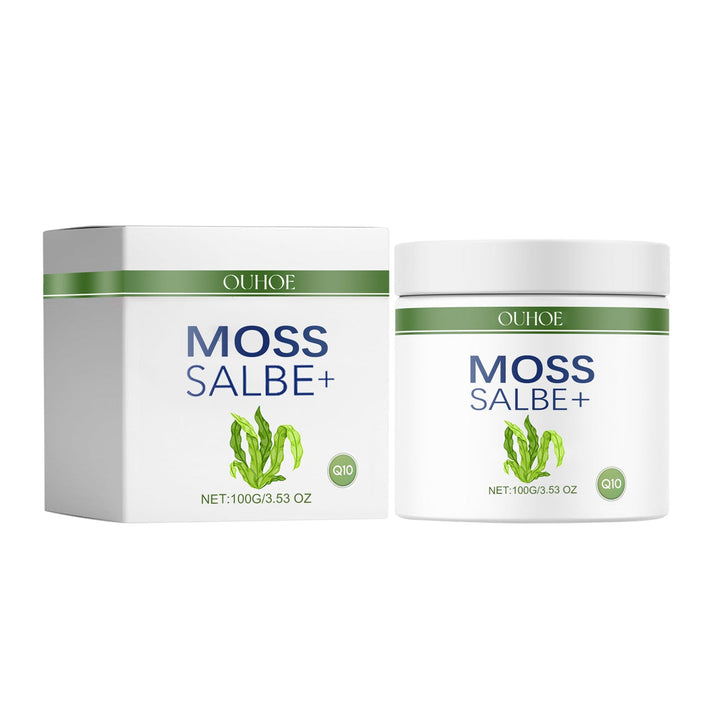


Find aloe vera gel products for cooling-feeling moisture, everyday skin care, face care, body care, and hair routines. This category includes simple moisturizing gels, exfoliating and pore-focused options, cleansers, a vitamin C gel, and complementary shea butter and hand-wash products.
Start with the area you want to care for and the finish you prefer. A plain aloe vera gel moisturizer is a versatile choice for face, body, and hair, while a cooling aloe vera moisturizing gel suits shoppers who want a lightweight, refreshing layer after time outdoors. For very dry areas, consider pairing aloe gel with the raw shea butter moisturizer to help seal in moisture. Check the label for directions, fragrance preferences, and any ingredients you know your skin does not tolerate. Aloe vera gel can be useful in a simple routine, but it should not replace sun protection or professional care for severe or persistent skin problems. Apply a small amount first, especially if your skin is sensitive or recently exposed to the sun.
Choose a product according to its intended use rather than assuming every aloe formula works the same way. The aloe vera gel moisturizer is the most flexible option for skin, face, body, and hair. The cooling moisturizing gel is designed for a fresh, lightweight skin-care step. If your routine includes dull-looking skin or acne marks, the aloe vera exfoliating scrub adds a polishing step; use it gently and follow its directions. The blackhead gel targets the appearance of clogged-looking pores, while the foaming cleanser removes everyday buildup before moisturizing. For a brighter-looking, hydrated routine, the vitamin C aloe vera gel may be a suitable option. A rosemary and aloe foaming hand wash is intended for hands, not as a leave-on face or hair product.
The phrase “100 percent pure aloe vera gel” is commonly used by shoppers, but product labels still need close reading. Check whether the formula is intended for cosmetic use, how the ingredients are listed, and whether the product includes added fragrance, color, preservatives, vitamins, or other skin-care ingredients. A gel with a short ingredient list may appeal to shoppers seeking a straightforward aloe vera gel for skin, while a vitamin C formula offers a different type of routine. Look for clear directions covering face, body, hair, or spot use, and avoid relying on broad claims about aloe vera gel benefits. Packaging should identify the product’s intended application and any cautions. If you have known sensitivities, compare the full ingredient list with products you already use successfully.
For face or body, apply a thin layer to clean, dry skin and allow it to absorb before adding another moisturizer if needed. On dry areas, follow with the raw shea butter moisturizer when you want a richer finish. For hair, smooth a small amount through damp lengths or use it as directed on the product label; avoid applying more than needed if your hair feels coated. Use the exfoliating scrub and blackhead gel only according to their directions, and do not combine several strong-looking steps at once when starting a routine. Keep aloe vera gel away from the eyes and broken skin unless the label specifically says otherwise. Before broader use, test a small area and stop if discomfort or visible irritation develops.
One common mistake is treating every aloe vera gel as interchangeable. A hand wash, foaming cleanser, exfoliating scrub, and leave-on moisturizer have different purposes, so use each only as directed. Another is applying a new product over irritated skin without first checking the ingredient list or testing a small area. Avoid using scrub products too aggressively, layering multiple exfoliating or pore-focused products immediately, or expecting aloe gel to provide sun protection. Do not apply cosmetic aloe gel to the gums, inside the mouth, or other internal areas unless the product is specifically labeled for oral use. Also avoid making a persistent rash, severe sunburn, or suspected skin condition your own treatment project; seek advice from a qualified health professional when symptoms concern you.
Aloe vera gel may suit shoppers who want a lightweight moisturizer for normal, dry, or post-outdoor skin care, as well as people looking for a versatile face, body, or hair product. It can also fit routines built around gentle cleansing and a non-greasy gel texture. However, suitability depends on the complete formula, not aloe alone. People with sensitive skin, known allergies, active irritation, or a history of reactions to fragrance or botanical ingredients should review the label and patch-test first. Anyone with psoriasis, eczema, a significant burn, open skin, or symptoms that do not improve should ask a clinician whether a cosmetic gel is appropriate. Children, pregnant shoppers, and people using prescribed skin products should follow individual professional guidance when unsure.
Aloe vera gel is commonly used as a lightweight moisturizer for face and body and as a cooling-feeling step after outdoor exposure. Some formulas are also designed for hair, exfoliation, pore care, or added vitamin C. Benefits and suitability depend on the specific ingredients and intended use.
Do not apply a cosmetic aloe vera gel to your gums or inside your mouth unless the product is specifically labeled for oral use. Cosmetic formulas may contain ingredients that are not intended to be swallowed. For gum discomfort or other oral concerns, ask a dentist or other qualified health professional.
Yes, a product labeled for face use can be applied as directed, usually in a thin layer on clean skin. Check the full ingredient list, avoid the eye area, and patch-test first if your skin is sensitive. A hand wash or body-only product should not automatically be used as a facial moisturizer.
A cosmetic aloe vera gel may not be suitable for every person with psoriasis, and it should not be assumed to treat or clear psoriasis. Check the ingredients and ask a qualified health professional before applying it to affected areas, especially if the skin is cracked, inflamed, or being treated with prescribed products.
Anyone with a known sensitivity to an ingredient, a previous reaction to the product, or broken or severely irritated skin should avoid it unless a professional advises otherwise. Do not use cosmetic gel in the eyes, mouth, or other internal areas. Patch-test new products and seek guidance if you have a persistent skin condition or are unsure about use.
There is no single fast solution that works for everyone, and cosmetic aloe vera gel should not be presented as a psoriasis treatment. A healthcare professional can assess the condition and recommend appropriate care. Seek medical advice promptly if symptoms are extensive, painful, infected-looking, or rapidly worsening.