
$64.90
Free delivery · 7–14 days
Ceramide SPF 50+ Cream — Lightweight Daily UV Barrier


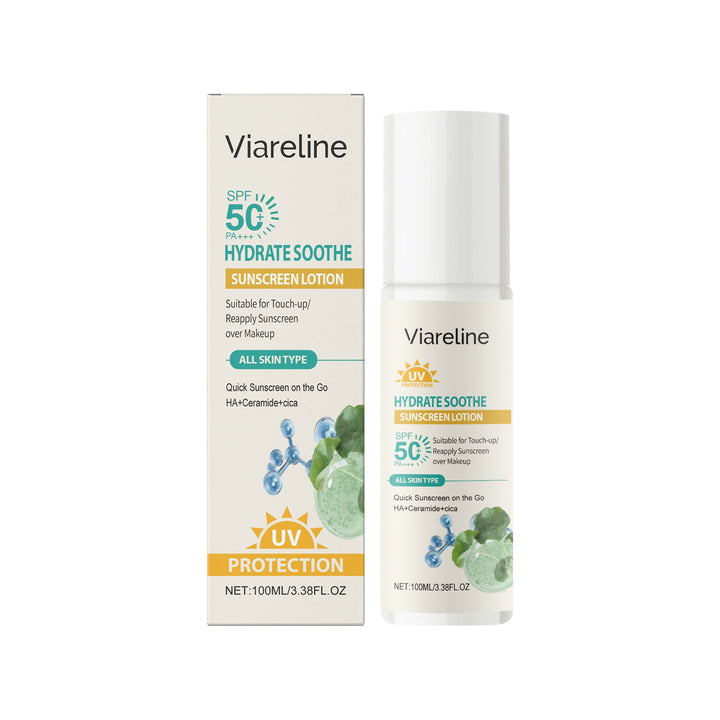
Find daily sunscreen for face, body, and outdoor use, with options ranging from lightweight moisturizing creams to convenient protection sprays. This selection includes SPF 50+ and SPF 90 formulas, plus features such as hyaluronic acid, ceramides, rice probiotics, and PA++++ labeling for shoppers comparing sunscreen for sensitive skin, oily skin, or everyday wear.
Start with where and how you plan to use it. For everyday facial wear, choose a face sunscreen cream such as the Facial Sunscreen SPF 50+ Moisturizing Hyaluronic Acid or the Ceramide SPF 50+ Cream. If you prefer a lightweight daily layer, consider the Rice Probiotic Sunscreen SPF 50+ PA++++ Daily Shield. For arms, legs, and other exposed areas, the Protection Spray offers a convenient format for summer and outdoor routines. Compare SPF level, texture, finish, and added skincare ingredients rather than choosing by number alone. Shoppers looking for sunscreen for oily skin may prefer a lighter cream, while those wanting a more nourishing feel may like a moisturizing formula.
This category includes several formats and finishes. Face sunscreen creams are designed for facial routines and include options such as SPF 50+ Face Sunscreen Cream for Bright, Even Skin and White Birch SPF50+ Daily Moisturizing Sunscreen Cream. Moisturizing formulas with hyaluronic acid or ceramides can suit shoppers who want sunscreen and hydration in one step. The Rice Probiotic formula adds PA++++ labeling for shoppers comparing daily UV protection details. SPF 90 Invisible Shield Cream options are aimed at people who want a high-SPF face product with an invisible-looking finish. For larger exposed areas or quick application, Protection Spray, Summer Outdoor Skin Protection Spray Moist is an easy-to-handle body option.
Look for a formula that matches your routine closely enough to use consistently. SPF 50+ products in this range include face creams with moisturizing, ceramide, white birch, hyaluronic acid, and rice probiotic-focused options. If you are comparing sunscreen SPF 50 with SPF 90, also check the product texture, intended use, and finish; a higher listed SPF does not tell you whether a cream feels comfortable on your face or body. PA++++ labeling appears on the Rice Probiotic Sunscreen SPF 50+ PA++++ Daily Shield. For face use, consider whether you want an invisible finish, a moisturizing feel, or a lighter daily layer. For body use, a spray can make application faster.
Apply sunscreen as the final step of your daytime skincare routine, after products such as moisturizer, and before makeup if you wear it. Cover commonly missed areas, including the forehead, cheeks, nose, ears, neck, hands, and exposed body skin. Use the face formulas for facial application and the Protection Spray for convenient body coverage; follow the product label for spray application and handling. Reapply as directed on the package, especially after swimming, sweating, toweling off, or spending extended time outdoors. Keep the container closed when not in use and avoid spraying directly into the eyes. If you are shopping for sunscreen face products, choose a texture you can apply evenly without skipping areas.
A common mistake is choosing sunscreen only by the highest SPF number and ignoring texture or intended use. Another is applying it only on bright, hot days or covering the face but forgetting the neck, ears, hands, and exposed body skin. Avoid treating a spray as automatically covering every area evenly; apply it carefully according to its label. Do not assume one facial formula suits everyone: shoppers with oily skin may prefer a lighter finish, while dry-feeling skin may suit moisturizing hyaluronic acid, white birch, or ceramide options. Reapplication is also easy to overlook during outdoor activities. Check the package directions, use a suitable amount for the areas covered, and replace products according to their stated shelf-life guidance.
This range suits shoppers building a daily face or body protection routine, including people comparing sunscreen for men, sunscreen for oily skin, sunscreen face products, or sunscreen body options. Choose a face cream when you want a product designed for facial use, such as the Invisible Daily Face Shield, White Birch, Hyaluronic Acid, or Ceramide formulas. The Rice Probiotic SPF 50+ PA++++ option may appeal to shoppers who want specific daily-shield labeling, while SPF 90 Invisible Shield products suit those comparing higher-SPF choices. For outdoor trips, exposed arms and legs, or faster application, consider the Protection Spray. If your skin is sensitive or easily bothered by new products, review the ingredient list and patch-test as directed before regular use.
The best sunscreen is one that matches your intended use and feels comfortable enough to apply consistently. Choose a face cream for facial routines, a spray for convenient body coverage, and compare SPF, texture, finish, and added ingredients such as hyaluronic acid or ceramides.
Both terms are used for products intended to help protect exposed skin from UV radiation. In online shopping, “sunscreen” is the more common search term, while “suncream” often describes a cream-textured sunscreen.
The right choice depends on where you will use it and the finish you prefer. For face use, compare the SPF 50+ moisturizing, ceramide, white birch, rice probiotic, and invisible shield creams; for body application, the Protection Spray offers a convenient format.
Sunscreen is designed to help protect exposed skin from UV radiation when used as directed. Choose a formula whose texture and ingredients suit your routine, apply it evenly, and follow the package instructions for use and reapplication.
Skipping sunscreen leaves exposed skin without the product’s labeled UV protection. For outdoor routines, use sunscreen as directed along with practical measures such as shade, protective clothing, and avoiding prolonged direct sun when possible.
Before modern sunscreen products, people used measures such as shade, clothing, hats, and timing outdoor activities to limit direct sun exposure. These methods are still useful alongside sunscreen, especially during extended outdoor activities.